
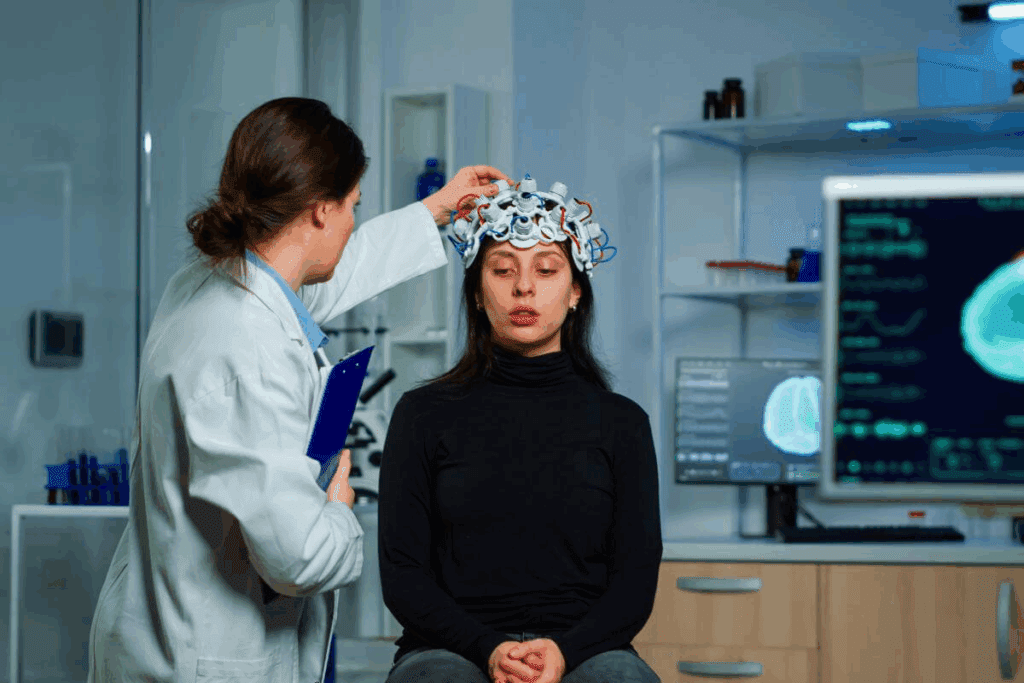
Nearly 80,000 people in the United States get diagnosed with a brain tumor each year. Many of them face the scary thought of surgery brain tumor removal pain.
Tumor removal is a complex process. It involves different surgical methods and ways to manage pain. These are to help reduce the pain after surgery.
It’s very important for patients to understand the pain of brain tumor removal. This is because it affects their recovery and overall health.
Key Takeaways
- Understanding the types of surgeries for brain tumor removal.
- Exploring pain management strategies for post-operative care.
- Learning about the recovery process after brain surgery.
- The importance of pain management in brain tumor removal pain.
- Factors influencing brain surgery recovery.
Understanding Brain Tumors and Surgical Necessity

It’s important to know about brain tumors to decide if surgery is needed. These are abnormal cell growths in the brain. They can be either benign or malignant, each with its own challenges.
Types of Brain Tumors That Require Surgery
Brain tumors are divided into primary and metastatic types. Primary tumors start in the brain, while metastatic tumors come from other parts of the body. Some types, like meningiomas and gliomas, often need surgery because of where they are or how likely they are to grow.
| Tumor Type | Origin | Surgical Necessity |
| Meningioma | Primary | Often requires surgery |
| Gliomas | Primary | Frequently necessitates surgical intervention |
| Metastatic Tumors | Secondary | Surgery considered based on primary cancer status |
How Tumor Location Affects Surgical Approach
The place of a brain tumor in the brain matters a lot for surgery. Tumors near important brain areas need careful and precise surgery to avoid harm. For example, tumors near motor control areas might need awake craniotomy to keep important functions safe.
Risk-Benefit Assessment of Surgical Removal
Deciding to remove a brain tumor with surgery involves looking at risks and benefits. Things like the tumor’s type, where it is, the patient’s health, and possible complications after surgery are considered. New imaging and diagnostic tools help make a plan that fits the patient’s needs.
Knowing about brain tumors and when surgery is needed helps doctors give treatments that work best for each person. This way, they can help patients get better while keeping risks low.
Different Brain Tumor Removal Procedures
There are many ways to remove brain tumors, from old-school open surgery to new, less invasive methods. The right procedure depends on the tumor’s size, where it is, and the patient’s health.
Traditional Craniotomy Approach
A traditional craniotomy means cutting the scalp and taking out a part of the skull to get to the brain. This way, surgeons can see and take out the tumor. This method is used for bigger tumors or those in hard-to-reach spots.
The steps for a traditional craniotomy are:
- Making an incision in the scalp
- Removing a section of the skull (bone flap)
- Accessing the tumor and surrounding brain tissue
- Removing the tumor
- Replacing the bone flap and closing the incision
Minimally Invasive Surgical Options
Less invasive surgery for brain tumors is getting more popular. These methods use smaller cuts and disturb the brain less. This can mean faster recovery and fewer problems.
| Technique | Description | Benefits |
| Endoscopic Surgery | Using a small camera and instruments inserted through tiny incisions | Less invasive, potentially fewer complications |
| Laser Interstitial Thermal Therapy (LITT) | Using laser heat to destroy tumor cells | Minimally invasive, precise targeting of tumor tissue |
Awake Craniotomy Procedure
An awake craniotomy lets the patient stay awake during part of the surgery. This helps surgeons check brain function in real-time, like speech and movement.
This procedure needs careful patient choice and teamwork between the surgical team and the patient. It’s often for tumors near important brain areas.
Knowing about the different ways to remove brain tumors helps patients make better choices. Each method has its own good points and downsides. The right choice depends on the patient’s specific needs.
Anesthesia During Brain Surgery

Anesthesia is key in brain surgery, making sure patients are comfortable. The type of anesthesia used affects the patient’s experience and the surgery’s success.
General Anesthesia Process and Experience
General anesthesia is often used in brain surgery. It makes the patient unconscious and pain-free during the operation. Anesthetic drugs are given through an IV or mask, and the patient’s vital signs are closely watched.
Being under general anesthesia is usually painless for the patient, as they are not awake. But, some might feel nausea or drowsiness later. These effects are usually short-lived.
Local Anesthesia for Awake Procedures
For some surgeries, patients are awake but numb. Local anesthesia numbs the scalp and surgical areas. This lets the team watch the brain’s function during surgery.
Local anesthesia is injected into the scalp. It keeps the patient comfortable and able to follow commands from the team.
Conscious Sedation Options
Conscious sedation is another choice for brain surgery. It relaxes the patient and reduces pain without making them unconscious. It’s good for procedures where the patient doesn’t need to be fully awake.
Conscious sedation uses sedative drugs to relax the patient. It’s often combined with local anesthesia for comfort. The sedation level can be changed to keep the patient safe and comfortable.
The choice of anesthesia depends on the surgery type, patient health, and the team’s preference. Knowing the options helps patients prepare for their surgery.
Brain Tumor Removal Pain: What to Expect During Surgery
Pain levels during brain tumor removal surgery can differ a lot. This depends on the type of anesthesia used. Patients often worry about the pain they might feel.
Pain Perception Under General Anesthesia
General anesthesia makes patients completely unconscious. They should not feel any pain during the surgery. “General anesthesia ensures that the patient is pain-free and comfortable throughout the procedure,” say medical experts.
The anesthesiologist keeps a close eye on the patient’s vital signs. This helps keep the right level of anesthesia.
Sensations During Awake Craniotomy
In an awake craniotomy, patients stay awake and might feel some sensations. But they usually don’t feel pain. Some might feel pressure or hear sounds from the surgical tools.
The neurosurgeon and anesthesiologist work together. They use local anesthesia to numb the scalp. This helps keep the patient comfortable.
Common Patient Experiences
Experiences during brain tumor removal surgery can vary. Under general anesthesia, patients usually don’t feel pain. In awake craniotomy, some might feel discomfort or pressure.
But this is usually managed well with local anesthesia and careful monitoring. As one patient said, “I was surprised at how comfortable I was during the awake craniotomy. The medical team was very supportive and made sure I was not in pain.”
Immediate Post-Operative Pain Experience
After brain tumor removal surgery, patients start a key recovery phase. Pain management is a top priority. The early recovery period is all about watching over patients to keep them comfortable and safe.
Pain Levels in the Recovery Room
In the recovery room, patients are watched closely for pain. Staff use special tools to check pain levels and give the right pain relief. Pain management is made just for each patient.
First 24-48 Hours After Surgery
The first 24-48 hours after surgery are very important for pain control. Patients might feel different levels of pain. This can be managed with medicines and other methods. Effective pain control helps avoid problems and aids in healing.
ICU Monitoring and Pain Control
Some patients need the Intensive Care Unit (ICU) for extra care. In the ICU, pain control is a big focus. The ICU team keeps a close eye on patients and adjusts pain care as needed. They aim to give the best care and comfort during this important time.
Knowing about post-operative pain can help patients and their families get ready for recovery. By understanding what to expect and how pain is managed, patients and their families can feel more prepared and supported on their recovery path.
Scalp Incision and Bone Flap Healing
Understanding how the scalp incision and bone flap heal can ease worries after brain tumor surgery.
Incision Site Discomfort and Management
The scalp incision is a key area to watch after surgery. Patients might feel pain, swelling, and tightness. Keeping the area clean and dry is important to avoid infection and help it heal.
Effective pain management is also key. Doctors often give pain meds to help. It’s important to take the meds as directed and talk to the doctor about any side effects.
Bone Flap Healing Sensations
The bone flap, which is moved during surgery, may cause odd feelings as it heals. Some feel like the area is sunken or floating. These feelings usually go away as healing happens.
Monitoring and patience are important during this time. Healing the bone flap can take weeks to months. It’s normal to feel different sensations during this time.
Normal vs. Concerning Pain Signals
Telling normal pain from concerning pain is important for care after surgery. Normal pain is usually managed with meds and gets better over time. But, concerning pain is severe, doesn’t go away, or comes with other signs like fever or swelling.
- Normal pain signals: Manageable discomfort, decreasing over time.
- Concerning pain signals: Severe pain, increasing pain, or pain accompanied by other symptoms like fever or swelling.
Knowing the difference and telling your doctor about any worrying symptoms is important.
Post-Operative Headaches and Pressure Sensations
Understanding post-operative headaches is key for those with brain tumors. These headaches are common after brain surgery. They can really affect how well a patient recovers.
Causes of Post-Craniotomy Headaches
Headaches after brain surgery come from several reasons. These include the surgery itself, changes in brain pressure, and how the body reacts to the surgery. can be similar, so it’s important to know the difference.
The surgery involves cutting the scalp and opening the skull. This can hurt the surrounding tissues, causing headaches.
Brain Swelling and Pressure Pain
Swelling in the brain is another cause of headaches. This swelling can happen because of the surgery. It leads to more pressure in the brain and pain.
The pain from swelling feels like a dull ache or tightness. It’s important to manage this swelling to ease the pain.
Duration and Resolution Timeline
How long headaches last after surgery varies. Usually, they get better as the patient heals.
Most people see their headaches get less severe and less often in the first few weeks. But, some might have headaches for longer.
| Timeline | Expected Recovery |
| First Week | High incidence of headaches due to swelling and surgical trauma |
| 2-4 Weeks | Gradual reduction in headache frequency and severity |
| 1-3 Months | Significant improvement in most patients, with some experiencing complete resolution |
It’s vital for patients to follow their doctor’s advice on managing headaches. They should also tell their doctor about any headaches that don’t go away or are very bad.
Neuropathic Pain Following Brain Surgery
After brain surgery, some people face neuropathic pain. This is nerve damage pain. It’s hard to handle and can really lower a person’s quality of life.
Understanding Nerve-Related Pain
Neuropathic pain comes from nerve system damage. It can happen during brain surgery or because of the condition that led to surgery. Nerve-related pain feels like sharp, shooting, or burning.
Common Manifestations and Locations
Neuropathic pain can show up in different spots after brain surgery. It depends on the brain area and the surgery type. People might feel pain on their scalp, face, or near the surgery site. The pain can be always there or come and go. It might get worse with movement or touch.
Treatment Approaches for Neuropathic Pain
Handling neuropathic pain needs a mix of treatments. Doctors might use medications like anticonvulsants or antidepressants. Sometimes, interventional procedures like nerve blocks are needed. Physical therapy or cognitive-behavioral therapy can also help.
It’s key for those with neuropathic pain after brain surgery to team up with their doctors. Knowing the causes and treatments can help manage pain. This way, patients can improve their recovery and life quality.
Pain Management Strategies in the Hospital Setting
Pain management in hospitals is key to patient comfort and recovery after brain surgery. It helps reduce stress and aids in healing.
Multimodal Pain Control Approaches
Multimodal pain control uses various methods to manage pain. This method allows for lower doses of medication, reducing side effects.
This approach includes:
- Non-opioid analgesics
- Opioid analgesics
- Regional anesthesia techniques
- Adjuvant medications
Patient-Controlled Analgesia
Patient-controlled analgesia (PCA) lets patients control their pain relief. It gives them a sense of control over their pain.
PCA is great for acute post-operative pain. It allows for quick pain relief.
Monitoring Pain Levels and Adjusting Treatment
It’s important to keep an eye on pain levels to adjust treatment as needed. Healthcare providers use tools to check if the pain plan is working.
They change the treatment based on what the patient says and how they’re feeling.
| Pain Management Strategy | Description | Benefits |
| Multimodal Pain Control | Combination of different pain relief medications and techniques | Effective pain management, reduced risk of side effects |
| Patient-Controlled Analgesia (PCA) | Self-administration of controlled pain relief medication | Timely pain relief, patient empowerment |
| Pain Monitoring | Continuous assessment of pain levels | Adjustments to treatment plan for optimal pain control |
Pain Medications After Discharge
Knowing your pain meds after brain surgery is key. It helps you recover at home without pain.
Commonly Prescribed Pain Medications
Patients get different pain meds after brain surgery. These include:
- Opioids (e.g., oxycodone, hydrocodone) for severe pain
- Non-opioid analgesics (e.g., acetaminophen, ibuprofen) for mild to moderate pain
- Adjuvant medications (e.g., gabapentin, pregabalin) to help with nerve pain
It’s important to take the meds your doctor tells you to. They are chosen just for you.
Potential Side Effects and Management
Pain meds help with pain but can have side effects. Common ones are:
- Drowsiness or dizziness
- Nausea or vomiting
- Constipation
- Confusion or memory issues
To deal with these side effects, you can:
- Change your dosage or switch meds with your doctor’s help
- Take extra meds to fix side effects (like laxatives for constipation)
- Drink plenty of water and eat well
Tapering Schedule and Expectations
Your doctor will give you a tapering schedule. This is to:
- Lower your risk of getting too used to pain meds
- Lessen side effects
- See if you can manage pain with less meds
Stick to the tapering schedule and tell your doctor about your pain.
By knowing your meds, watching for side effects, and following the tapering plan, you can manage your pain. This helps your recovery.
Long-Term Pain Considerations After Brain Tumor Removal
After brain tumor surgery, patients may face different types of pain. This pain can last long after the surgery. It’s important to manage this pain well to improve life quality.
Chronic Pain Possibilities and Risk Factors
Chronic pain is a common issue after brain tumor surgery. Several factors can raise the risk of chronic pain. These include the tumor’s type and location, the surgery’s extent, and the patient’s health.
- Tumor Location: Tumors near important areas can cause more damage, leading to chronic pain.
- Surgical Extent: Larger surgeries can damage more tissue, causing more pain.
- Pre-existing Conditions: People with chronic pain or other health issues may face higher risks.
Managing Persistent Headaches
Some patients get headaches that don’t go away after surgery. These headaches can come from changes in brain pressure, surgery damage, or nerve issues.
To manage these headaches, a few steps are key:
- Medication: Medicines, both over-the-counter and prescription, can help ease headache symptoms.
- Lifestyle Adjustments: Making changes in daily life, like managing stress and exercising, can help reduce headaches.
- Physical Therapy: Gentle exercises and stretches can help relax muscles and improve well-being.
When to Seek Specialized Pain Management
Patients should know when their pain isn’t being well-managed. Signs that it’s time to see a pain management specialist include:
- Persistent pain that makes daily activities hard
- Needing more pain medication
- Pain that’s hard to understand and needs more investigation
Specialized pain management teams offer advanced treatments. This includes interventional procedures, alternative therapies, and support.
Understanding long-term pain and knowing when to seek help is key. This way, patients can better manage their recovery and improve their outcomes.
Physical Therapy and Rehabilitation Effects on Pain
After brain tumor surgery, physical therapy is key to less pain and better healing. Each patient gets a special plan. It aims to cut pain, boost movement, and get functions back.
How Activity Impacts Post-Surgical Pain
Physical therapy and activity play big roles in managing pain after surgery. Gentle exercises help by improving blood flow and reducing swelling. Early mobilization is also important to prevent blood clots and speed up healing.
Exercises to Reduce Neck and Scalp Tension
There are exercises to ease neck and scalp tightness after surgery. These include:
- Gentle neck stretches to improve flexibility
- Scalp massage to reduce tension
- Shoulder rolls to relax shoulder muscles
It’s important to do these exercises with a physical therapist. They make sure you’re doing them right and safely.
Gradual Return to Normal Activities
Going back to normal activities slowly is key to a good recovery. This means:
| Activity Level | Timeline | Guidelines |
| Light Activities | First few weeks | Start with short walks and light stretching |
| Moderate Activities | 4-6 weeks | Gradually increase activity level, avoiding heavy lifting |
| Strenuous Activities | After 6 weeks | Resume heavy lifting and strenuous exercises with doctor’s approval |
By following this plan, you can manage pain well and recover smoothly.
Psychological Aspects of Brain Surgery Pain
Understanding the psychological aspects of brain surgery pain is key for good patient care. Brain surgery is tough physically and emotionally. Patients often feel a lot of anxiety and stress, which can make their pain worse.
Anxiety and Pain Perception
Anxiety greatly affects how patients feel pain after brain surgery. Studies show that more anxiety means more pain sensitivity. This is because anxiety triggers stress hormones like cortisol and adrenaline, making pain feel stronger.
Managing anxiety is key to lessening pain. Deep breathing, meditation, and cognitive-behavioral therapy can help lower anxiety. This might also make pain feel less intense.
Coping Strategies for Surgical Recovery
Good coping strategies are essential for brain surgery patients. These strategies help manage pain and deal with the emotional and psychological effects of surgery.
- Relaxation techniques like progressive muscle relaxation and visualization can reduce stress and anxiety.
- Support groups offer a place for patients to share and learn from others who’ve had similar surgeries.
- Cognitive-behavioral therapy (CBT) helps patients change their pain perception and find coping ways.
Support Resources for Patients
Having the right support can greatly help a patient’s recovery. Support can be from family, friends, healthcare professionals, and support groups.
| Support Resource | Description | Benefits |
| Family and Friends | Emotional support and practical help | Less loneliness, practical help |
| Support Groups | Community of people with similar experiences | Understanding, coping strategies |
| Healthcare Professionals | Medical guidance and pain management | Professional advice, pain management |
By tackling the psychological aspects of brain surgery pain, healthcare providers can offer better care. This improves patient outcomes and makes recovery better.
Conclusion: The Reality of Brain Surgery Pain and Recovery
Removing a brain tumor is a complex surgery. It needs careful thought about how to manage pain. Knowing about brain surgery pain is key for patients to understand their recovery.
We’ve looked at different parts of brain surgery pain in this article. This includes the types of surgeries, anesthesia choices, and pain after surgery. It’s important for patients to know about pain management options.
Recovering from brain surgery is not just about physical pain. It also involves dealing with anxiety and stress. A full approach to pain management, like medicine, physical therapy, and support, can help a lot.
Understanding brain surgery pain and recovery helps patients on their treatment path. Good pain management lets people recover better and get back to their usual lives.
FAQ
Is brain tumor removal surgery painful?
Patients usually don’t feel pain during surgery because of anesthesia. But, they might feel discomfort or pain after it.
What type of anesthesia is used during brain tumor removal surgery?
Anesthesia types vary. This includes general anesthesia, local anesthesia for awake procedures, and conscious sedation. It depends on the surgery type and patient needs.
How long does pain last after brain tumor removal surgery?
Pain time varies by person. Most see big improvements in a few weeks. Some might feel pain for months.
What are common pain management strategies used after brain tumor removal?
Strategies include using many pain control methods. This includes patient-controlled analgesia and different pain medicines. These are adjusted for each patient and checked for how well they work.
Can I experience neuropathic pain after brain surgery?
Yes, some people get neuropathic pain. This is from nerve damage or irritation. It can be treated with specific medicines and treatments.
How can I manage post-operative headaches and pressure sensations?
To manage headaches and pressure, use pain medicines. Also, rest and sometimes special treatments to reduce swelling or find other causes.
Are there any long-term pain considerations after brain tumor removal?
Some might have chronic pain or headaches. It’s key to work with doctors to manage these effectively.
How does physical therapy impact post-surgical pain?
Physical therapy can lessen pain. It improves movement, reduces muscle tension, and aids healing. Exercises are tailored for each patient.
Can anxiety affect pain perception after brain surgery?
Yes, anxiety can change how pain is felt. It’s important to deal with the mental side of recovery. Use coping strategies and get support.
What pain medications are commonly prescribed after discharge following brain tumor removal?
Doctors often prescribe different pain medicines. The type and amount depend on the patient’s needs.
How do I know if my pain is normal or concerning after brain tumor removal surgery?
It’s important to check with doctors about your pain. They can tell if it’s normal or if you need more help.
What is the role of ICU monitoring in pain control after brain surgery?
ICU monitoring helps watch and adjust pain care. It ensures patients get the right pain treatment.
Can I experience pain during an awake craniotomy?
Some might feel sensations or pain during an awake craniotomy. This is managed with local anesthesia and careful watching.
How does the location of the brain tumor affect surgical pain?
The tumor’s location can change the surgery approach. It might also affect the pain felt during and after surgery.
What are the signs of normal versus concerning pain signals during recovery?
Knowing the difference between normal pain and concerning pain is key. Severe, getting worse, or unusual pain needs medical check-up.
References
National Center for Biotechnology Information. Evidence-Based Medical Insight. Retrieved from https://www.ncbi.nlm.nih.gov/pmc/articles/PMC8036741/