Knowing the size of a brain tumor is key for treatment planning and risk assessment. At Liv Hospital, we focus on patient care, blending it with top medical standards for better results.
A tumor size chart in centimeters helps doctors sort tumors by how serious they are. Tumors less than 1 cm are small, those 1-2 cm are moderate, and over 2 cm can be serious. We use this to guide how we diagnose and treat.
Key Takeaways
- Understanding tumor size is critical for assessing severity and determining treatment.
- Tumors are classified based on size: under 1 cm (small), 1-2 cm (moderate), and over 2 cm (potentially severe).
- A patient-centered approach improves outcomes and supports informed decision-making.
- Liv Hospital combines medical expertise with a nurturing approach to care.
- Accurate diagnosis relies on precise tumor size measurement.
- Treatment plans are tailored based on tumor size and patient needs.
Understanding Brain Tumors and Their Classification
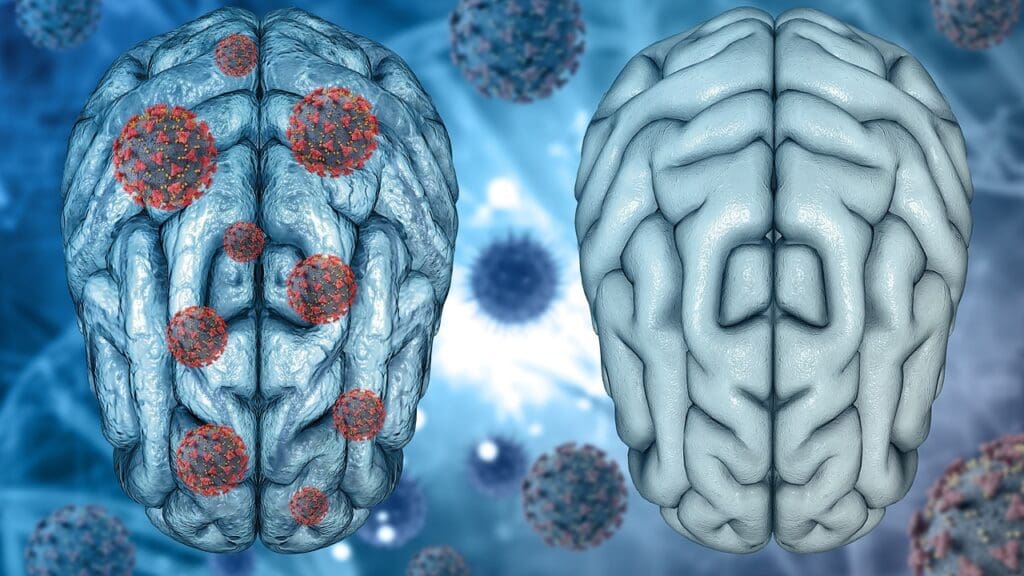
Brain tumors come in many types and classifications. Knowing about them is key for finding and treating them. We’ll look at what brain tumors are, their types, and why their size matters.
What Defines a Brain Tumor
A brain tumor is an abnormal cell growth in the brain. It can be either benign or malignant. It might start in the brain (primary) or spread from elsewhere (secondary or metastatic). Meningiomas are the most common type of brain tumor in adults, often being benign and slow-growing.
Primary vs. Secondary Brain Tumors
Primary brain tumors start in the brain. Secondary brain tumors come from other parts of the body. Knowing if a tumor is primary or secondary helps decide how to treat it. A medical expert says,
“The distinction between primary and secondary brain tumors is vital, as it guides treatment decisions and impacts patient prognosis.”
The Importance of Size in Tumor Assessment
The size of a brain tumor is very important. It affects symptoms, treatment choices, and how well a patient will do. For example, a
Understanding a tumor’s size and type helps doctors plan better treatment. This way, patients get more tailored and effective care.
Brain Tumor Size Chart in cm: A Guide
Brain tumor size charts in centimeters help measure and categorize tumors. Knowing a tumor’s size is key for understanding its severity, planning treatment, and predicting outcomes.
Small Tumors: Under 1 cm and Their Implications
Tumors under 1 cm are small. They might not cause many symptoms and can be watched with regular scans. But, where and how fast they grow matters a lot for treatment.
Moderate Tumors: 1-2 cm and Associated Risks
Tumors between 1-2 cm can cause symptoms, depending on their spot. For example, a 1.5 cm tumor in a key area can be serious. They might need closer monitoring and stronger treatments.
Potentially Symptomatic Tumors: 2-3 cm
Tumors of 2-3 cm can press on brain tissue, causing symptoms. A 3 cm tumor is big and might need quick action.
Large Tumors: Exceeding 3 cm and Their Complications
Big tumors over 3 cm can cause serious symptoms and problems. A 4 cm tumor can put a lot of pressure on the brain, leading to brain issues.
Case Study: 4 cm Brain Tumors
A study on a 4 cm brain tumor shows the big risks of large tumors. These tumors often need surgery, radiation, and chemo to treat.
| Tumor Size (cm) | Classification | Potential Symptoms |
|---|---|---|
| Under 1 | Small | Minimal or none |
| 1-2 | Moderate | Varying symptoms |
| 2-3 | Potentially Symptomatic | Noticeable symptoms |
| Over 3 | Large | Severe symptoms |
As a medical expert says,
“The size of a brain tumor is a critical factor in determining the treatment approach and predicting patient outcomes.”
The Most Common Type of Brain Tumor: Meningioma
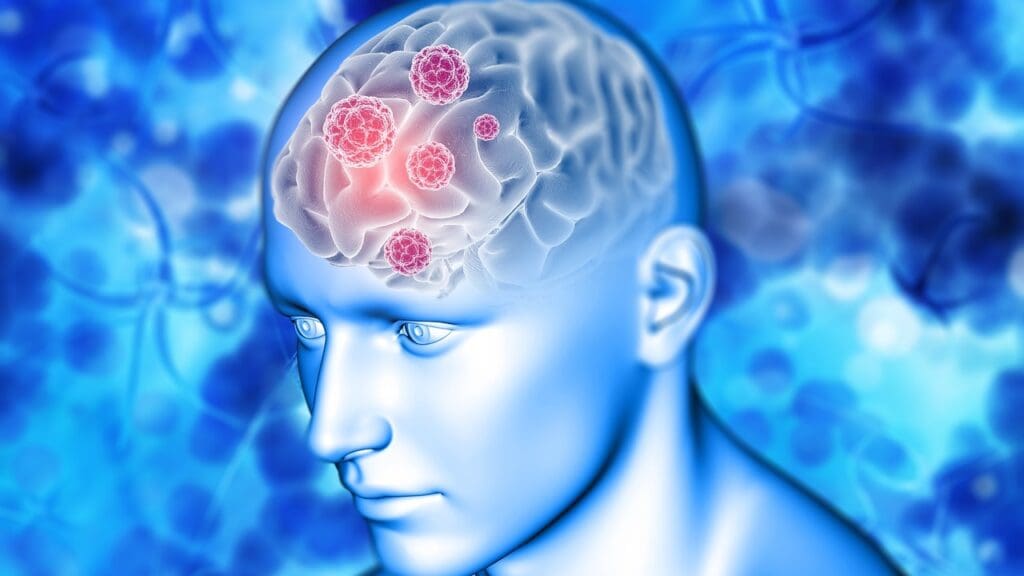
Meningiomas are the most common brain tumors in adults. They make up a big part of all brain tumor cases. These tumors start in the meninges, which protect the brain and spinal cord.
Characteristics and Growth Patterns
Meningiomas are usually benign and grow slowly. Most are grade I according to the World Health Organization. But, they can press on nearby brain parts, causing symptoms.
Because they grow slowly, meningiomas might be there for years before symptoms show up.
Why Meningiomas Are the Most Common Brain Tumors in Adults
The exact cause of meningiomas is not known. But, some risk factors include radiation and genetic conditions like neurofibromatosis type 2. Hormones might also play a part, which is why they’re more common in adults, mainly women.
Treatment Options for Meningiomas
Treatment for meningiomas depends on several things. These include the tumor’s size, location, and how fast it grows. It also depends on the patient’s health.
Options include watchful waiting, surgical removal, and radiation therapy. The right treatment is chosen based on each person’s situation. This shows how complex meningiomas can be.
Other Common Brain Tumors and Their Characteristics
It’s important to know about different brain tumors for better treatment. Meningiomas are the most common, but gliomas, acoustic neuromas, and pituitary adenomas also affect many people.
Gliomas: Types and Prevalence
Gliomas start from glial cells, which help protect neurons. They are graded based on how fast they grow. Glioblastoma is the fastest-growing, while low-grade gliomas grow slower.
Acoustic Neuromas
Acoustic neuromas, or vestibular schwannomas, are non-cancerous tumors on the nerve from the inner ear to the brain. They can cause hearing loss, ringing in the ears, and balance issues. Treatment includes surgery and radiation.
Pituitary Adenomas
Pituitary adenomas happen in the pituitary gland at the brain’s base. They can make too much hormone or not at all. Symptoms depend on the tumor’s size and type.
Most Common Intracranial Tumors by Age Group
Brain tumors are more common in certain age groups. In kids, medulloblastomas and pilocytic astrocytomas are common. In adults, gliomas and meningiomas are more common. Knowing this helps doctors plan treatment better.
Tumor Size and Symptom Correlation
It’s important to know how tumor size relates to symptoms for diagnosing and treating brain tumors. We’ll look at how different sizes affect symptoms and intracranial pressure.
The Impact of a 1.5 cm Tumor in the Brain
A 1.5 cm tumor in the brain can cause symptoms based on its location. Tumors near important brain areas may show symptoms even at this small size. Early detection is key for managing these tumors well.
Symptoms Associated with a 3 cm Tumor
A 3 cm tumor can put pressure on the brain, causing headaches, seizures, and changes in thinking. The severity of symptoms can vary depending on the tumor’s location and the person’s health.
How Tumor Size Affects Intracranial Pressure
Tumor size affects intracranial pressure (ICP). Larger tumors can raise ICP, leading to more severe symptoms and complications. Monitoring ICP is critical for patients with brain tumors.
When Symptoms May Not Correlate with Size
Sometimes, symptoms don’t match the tumor size. Location, growth rate, and individual health factors matter. Understanding these factors is essential for accurate diagnosis and treatment planning.
| Tumor Size (cm) | Potential Symptoms | Impact on ICP |
|---|---|---|
| <1 | Mild or no symptoms | Minimal |
| 1-2 | Variable symptoms depending on location | Moderate |
| >3 | Significant symptoms, possible severe complications | High |
Benign vs. Malignant Brain Tumors: Key Differences
It’s important to know the difference between benign and malignant brain tumors. This knowledge helps doctors make better treatment plans. It also affects how well a patient will do.
Are Most Brain Tumors Benign? The 53% Statistic
About 53% of brain tumors are benign. This means they are not cancerous and don’t spread to other tissues. We’ll look into what this means for patients.
Even though benign tumors are not cancerous, they can cause problems. Their size and where they are can press on brain tissue. This can lead to symptoms.
What Percentage of Brain Tumors Are Malignant?
47% of brain tumors are malignant, which means they are cancerous. These tumors can spread to other brain tissue. They grow fast and need quick treatment.
Malignant tumors can grow quickly. They can also spread to healthy brain tissue. This makes treatment hard.
Growth Rates and Invasiveness
Benign tumors grow slowly and don’t spread. Malignant tumors grow fast and can spread a lot.
| Tumor Type | Growth Rate | Invasiveness |
|---|---|---|
| Benign | Slow | Low |
| Malignant | Rapid | High |
Prognosis Differences Between Benign and Malignant Tumors
Patients with benign tumors usually have a better chance of recovery. These tumors can often be removed with surgery. Malignant tumors need stronger treatments like radiation and chemotherapy.
Every patient is different. The chance of recovery depends on many things. These include where the tumor is, how big it is, and the patient’s overall health.
Tumor Location and Its Clinical Significance
The place where a brain tumor is found is very important. It affects how serious the tumor is and how it impacts a patient’s health. We look at how different spots in the brain change how tumors act and how they affect patients.
Tumors on Top of the Brain: Meningiomas and Gliomas
Tumors on top of the brain are usually meningiomas or gliomas. Meningiomas are mostly harmless and grow from the meninges, which protect the brain. Gliomas, though, can be more serious and come from the brain’s glial cells.
Tumors on Top of the Head: External Manifestations
Tumors on top of the head can show up as visible lumps or swelling. These signs don’t always mean there’s a brain tumor. But, they can make you worried and need a doctor’s check-up.
Brain Tumor Lump on Forehead: When to Be Concerned
A lump on the forehead can be scary. But, not every lump is a brain tumor. If you see a new or growing lump, it’s important to see a doctor for a check-up.
How Location Influences Symptoms and Treatment Approach
The spot where a brain tumor is found greatly affects symptoms and treatment. Tumors in some places might cause specific problems or be easier to treat with surgery.
| Tumor Location | Common Symptoms | Typical Treatment Approach |
|---|---|---|
| Top of the brain | Headaches, seizures | Surgery, radiation therapy |
| Near critical structures | Varied, depending on structure affected | Precise surgery, stereotactic radiation |
We know that where a brain tumor is found is very important. Doctors use this information to plan better treatments. They aim to meet each patient’s specific needs.
Diagnostic Imaging and Interpretation Challenges
Diagnostic imaging is key in finding brain tumors. But, reading these images can be tough. We use different imaging methods to spot and track brain tumors. Knowing these methods is key for accurate diagnosis.
Common Imaging Techniques for Brain Tumor Detection
Magnetic Resonance Imaging (MRI) and Computed Tomography (CT) scans are our main tools. MRI shows soft tissues well, while CT scans are good for bone and calcification issues. We often combine both for a full view of the tumor.
Understanding Shadows on Brain Scans
A “shadow” on a brain scan can mean many things, not just tumors. We look closely at these shadows. We consider the patient’s history and symptoms to figure out what they might be.
Does a Shadow on the Brain Mean Cancer?
Not every shadow on a brain scan is cancer. We look at the shadow’s details and the patient’s health. This helps us guess if it’s cancer or not.
Tumor Size Chart Brain: How Radiologists Measure Tumors
Radiologists use a chart to measure brain tumors accurately. This chart helps keep measurements the same, no matter the imaging method.
| Tumor Size (cm) | Description |
|---|---|
| <1 | Small tumors, often asymptomatic |
| 1-2 | Moderate tumors, potentially symptomatic |
| >3 | Large tumors, often symptomatic and requiring immediate attention |
Patient Experience: Living with Brain Tumors
It’s key to understand the patient experience when dealing with brain tumors. A brain tumor affects not just the person but their whole family. It brings physical and emotional challenges.
Common Terminology: What is a “Knot in the Brain”?
The term “knot in the brain” is used to describe a brain tumor feeling. It’s not a medical term but shows the worry and doubt that come with a diagnosis.
Physical and Cognitive Symptoms Based on Tumor Size
Symptoms vary based on the tumor’s size and location. Small tumors might not show symptoms, but big ones can cause headaches, seizures, and memory problems.
Coping Strategies for People with Tumors
Dealing with a brain tumor diagnosis needs a broad approach. Patients need support from doctors, family, and groups. Stress management and staying close to loved ones help.
Support Resources and Communities
Many resources are out there for patients and their families. There are online forums, local groups, and organizations focused on brain tumors. These offer helpful info, emotional support, and a sense of community.
By understanding the patient experience and providing full care, we can enhance life quality for those with brain tumors.
Treatment Approaches Based on Tumor Size and Type
Brain tumor treatments change based on the tumor’s size and type. Each case needs a treatment plan made just for them. The size and type of the tumor are key in picking the right treatment.
Watchful Waiting for Small Tumors
Small tumors, usually under 1 cm, might get watchful waiting. This means checking them often with scans. It’s often used for tumors that are not causing big problems.
A study in the Journal of Neuro-Oncology shows watchful waiting works for small, not bothering meningiomas. Most patients didn’t need surgery or other treatments.
Surgical Options for Different Sized Tumors
Surgery is a common treatment for brain tumors. The choice to operate depends on the tumor’s size and where it is. Small to medium tumors might be removed surgically. But, bigger tumors can also be treated with surgery, though it’s more complex.
| Tumor Size | Surgical Considerations |
|---|---|
| Under 1 cm | Watchful waiting or minimally invasive surgery |
| 1-3 cm | Surgical removal with possible adjuvant therapy |
| Over 3 cm | Complex surgery with possible need for more treatments |
Radiation and Chemotherapy Considerations
Radiation and chemotherapy are also options for brain tumors. The choice depends on the tumor’s type, size, and where it is, plus the patient’s health. Radiation can shrink tumors or slow their growth. Chemotherapy kills cancer cells.
Emerging Treatments and Clinical Trials
New treatments and clinical trials are happening for brain tumors. These include targeted therapies, immunotherapies, and new ways to give chemotherapy and radiation. Patients might be able to join clinical trials, getting new treatments.
As we learn more about brain tumors, treatments will get better. It’s important for patients to talk with their doctors to find the best treatment for them.
Conclusion: The Importance of Early Detection and Proper Assessment
Early detection and proper assessment are key for treating brain tumors effectively. Every year, over 12,000 people in the UK get diagnosed with a primary brain tumor. Half of these are non-cancerous, and half are cancerous. Knowing the tumor grade is vital for choosing the right treatment.
Brain tumors are graded from 1 to 4, showing how aggressive they are. A biopsy and a neuropathologist’s check are essential for grading. This is explained by The Brain Tumour Charity. Knowing the grade and type helps doctors plan the best treatment.
By focusing on early detection and proper assessment, we can greatly improve patient outcomes. This approach allows doctors to give better care to brain tumor patients. It helps improve their quality of life.
What is the most common type of brain tumor?
Meningiomas are the most common type of brain tumor in adults. They are usually benign and grow slowly.
Are most brain tumors benign?
Yes, about 53% of brain tumors are benign. The other 47% are malignant.
What percentage of brain tumors are malignant?
Around 47% of brain tumors are malignant.
How does tumor size affect symptoms?
The size of a tumor greatly affects symptoms. Larger tumors can put more pressure on the brain. This can lead to more severe symptoms.
What are the implications of a 1.5 cm tumor in the brain?
A 1.5 cm tumor may cause symptoms based on its location. Its impact can vary from person to person.
What are the symptoms associated with a 3 cm tumor?
A 3 cm tumor can cause significant pressure. This can lead to headaches, seizures, and changes in cognitive function.
Does a shadow on the brain mean cancer?
Not always. A shadow on a brain scan can mean different things. Only a thorough diagnosis can tell if it’s cancerous.
How do radiologists measure tumors using a tumor size chart?
Radiologists use MRI and CT scans to measure tumors. They use a tumor size chart in centimeters to assess their size.
What are the treatment options for meningiomas?
Treatment for meningiomas depends on the tumor’s size, location, and growth pattern. Options include watchful waiting, surgery, and radiation therapy.
What is a “knot in the brain”?
A “knot in the brain” is a term for a brain tumor. It can cause physical and cognitive symptoms based on its size and location.
What are the most common intracranial tumors by age group?
The most common intracranial tumors vary by age. Different types are more common in different age ranges.
How does tumor location influence symptoms and treatment approach?
The location of a tumor greatly affects symptoms and treatment. Tumors in certain areas can cause more severe symptoms or require more complex treatments.
References
- The Brain Tumour Charity (How Brain Tumours Are Graded) : https://www.thebraintumourcharity.org/brain-tumour-diagnosis-treatment/how-brain-tumours-are-diagnosed/how-brain-tumours-are-graded
- brainstrust (Anatomy & Tumour Types) : https://brainstrust.org.uk/brain-tumour-support/navigating-your-pathway/anatomy-tumour-types
- College of American Pathologists (CAP) (Central Nervous System Protocol) : https://documents.cap.org/protocols/CentralNervousSystem.Bx.Res_1.0.0.0.REL_CAPCP.pdf
- Center for Acoustic Neuroma (Tumor Classification and Size) : https://www.centerforacousticneuroma.com/tumor-classification-and-size.html
- Cancer Research UK (Brain Tumour Grades) : https://www.cancerresearchuk.org/about-cancer/brain-tumours/grades