
Understanding Brain Cancer Life Expectancy
Knowing brain tumor survival rates is key for those facing a diagnosis. At Liv Hospital, we help people understand their prognosis, life expectancy, and what affects brain cancer outcomes.
The malignant brain tumor survival rate changes a lot. It depends on age, tumor size, and type. Studies show the five-year survival rate for malignant brain cancer is about 33 percent. This rate goes down with more aggressive tumors like glioblastoma and with older age.
Key Takeaways
- Survival rates for brain tumors depend on factors like age and tumor type.
- The five-year survival rate for malignant brain cancer is approximately 33 percent.
- Aggressive tumors like glioblastoma have lower survival rates.
- Understanding prognosis and life expectancy is key for patients and families.
- Liv Hospital offers full care and support for international patients.
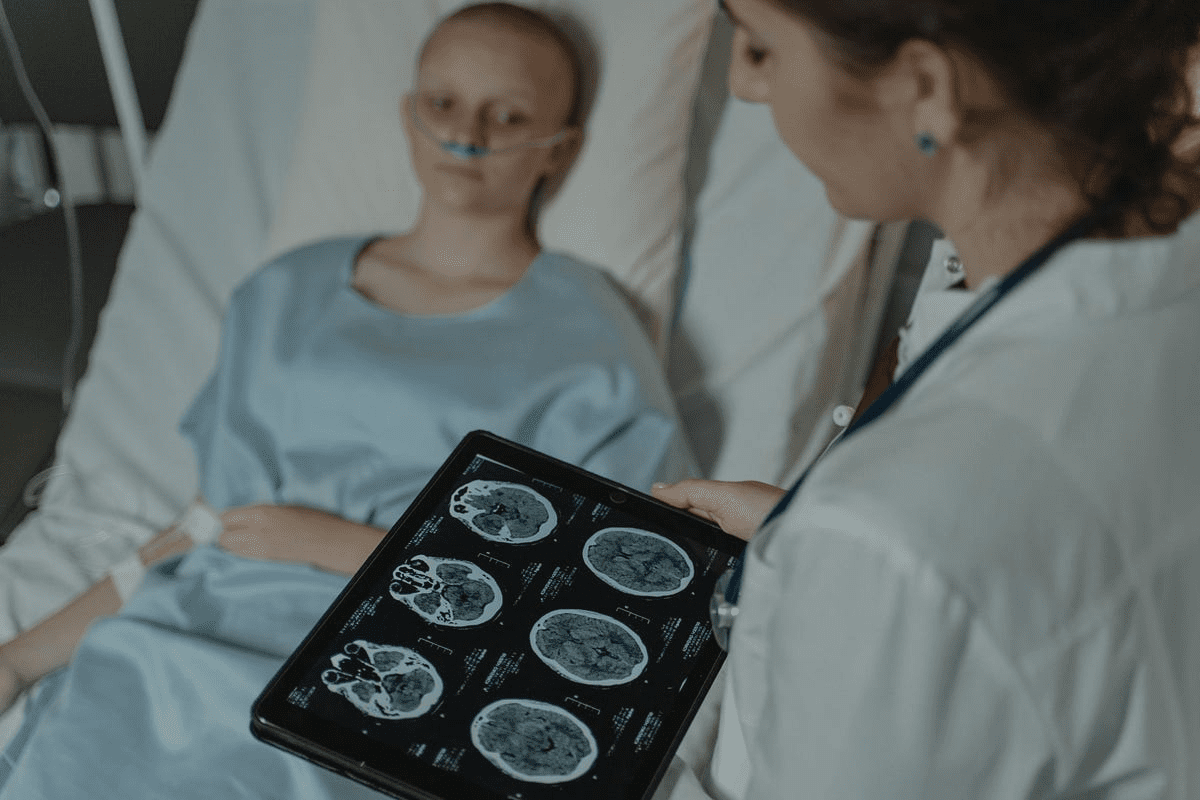
Understanding Brain Tumors and Their Impact
Brain tumors, whether they are cancerous or not, pose big challenges. We will look at the different types of brain tumors and how they affect patients.
Types of Brain Tumors: Malignant vs. Non-Malignant
Brain tumors are divided into types based on their features and genetics. Malignant brain tumors are cancerous and spread to other brain areas. Non-malignant (benign) tumors grow slower and don’t spread as much.
How Brain Tumors Affect Overall Health
The health impact of a brain tumor varies. It depends on the tumor’s location, size, and how aggressive it is. Tumors can press on or invade brain areas, affecting thinking, movement, and more.
Common Signs and Symptoms
Signs of brain tumors include headaches, seizures, nausea, and changes in thinking. The symptoms depend on where and how big the tumor is.
| Symptom | Description | Possible Tumor Location |
|---|---|---|
| Headaches | Persistent and often severe | Various, often near major blood vessels |
| Seizures | Can be focal or generalized | Often in areas controlling motor or sensory functions |
| Cognitive Changes | Memory loss, confusion, difficulty with concentration | Frontal, temporal, or parietal lobes |
Knowing these details is key to understanding brain tumor life expectancy and brain tumor prognosis. The survival rate brain cancer also changes based on these factors.
Malignant Brain Tumor Survival Rate: An Overview
Knowing the survival rates for malignant brain tumors is key for both patients and doctors. These tumors are tough to treat, and survival rates change based on many things.
Current Statistics on Brain Cancer Survival
Recent data from the Surveillance, Epidemiology, and End Results (SEER) sheds light on brain cancer survival. These numbers help us see how brain cancer treatment is doing and where we can get better.
Brain cancer survival rates have changed over time. Some tumor types do better than others.
Five-Year Survival Rates Explained
The five-year survival rate is a key way to look at brain cancer prognosis. It shows the percentage of patients alive five years after being diagnosed. For malignant brain tumors, this rate can be less than 10% to over 30%, depending on the tumor type and grade.
Factors That Influence Survival Outcomes
Many things affect how long patients with malignant brain tumors live. Tumor size is a big one, with bigger tumors usually leading to worse outcomes. For example, the 3 cm brain tumor survival rate is better than the 6 cm brain tumor survival rate. Other important factors include where the tumor is, its grade, and the patient’s health.
Grasping these factors is vital for making good treatment plans and bettering patient results.
How Age Affects Brain Tumor Prognosis
It’s key to know how age impacts brain tumor outcomes. Age is a big factor in how well patients do.
Brain Tumor Elderly Survival Rate
Survival Rates in Children and Young Adults
On the other hand, kids and young adults tend to do better. Their brains are more adaptable, and they’re generally healthier. This allows for more intense treatments.
Middle-Aged Adults and Brain Tumor Outcomes
Middle-aged adults have survival rates somewhere in between. Their outcomes depend on several factors. These include the tumor type, grade, and their overall health.
Treatment Tolerance by Age Group
Treatment tolerance varies by age. Younger patients can usually handle more aggressive treatments, while older adults might need gentler approaches because of possible side effects and other health issues. This difference plays a major role in how age influences Brain Tumor Survival Rates.
Age is not the only factor. The tumor’s type, size, and location also matter a lot. But age remains a key part of planning treatment and predicting outcomes, making it an important contributor to overall Brain Tumor Survival Rates.
As medical technology and treatments improve, understanding age’s role in brain tumor prognosis becomes even more important. By looking at age together with other medical factors, doctors can provide more tailored and effective care.
Tumor Size and Its Impact on Life Expectancy
Tumor size is a key factor in brain tumor prognosis. Larger tumors often mean a poorer outlook. It’s vital to grasp how size affects life expectancy.
Survival Rates for Different Tumor Sizes
The size of a brain tumor greatly affects survival chances. Smaller tumors usually have better outcomes. For example, a 3 cm brain tumor survival rate is higher than larger ones.
Research shows that the 3 cm brain tumor survival rate is generally better. Many patients with this size tumor respond well to treatment. On the other hand, a 4 cm brain tumor survival rate is lower. This is because the tumor is bigger and might be more aggressive.
For tumors that are 6 cm or larger, survival rates are even lower. This is because treatment is more complex and the tumor might be more malignant.
How Size Correlates with Treatment Options
Tumor size affects not just survival rates but also treatment options. Smaller tumors might be easier to remove surgically. Larger tumors might need a mix of treatments, like radiation and chemotherapy.
| Tumor Size (cm) | Typical Treatment Approach | Average Survival Rate |
|---|---|---|
| 3 cm | Surgery or localized treatment | 60-80% |
| 4 cm | Surgery plus radiation therapy | 40-60% |
| 6 cm | Multimodal treatment (surgery, radiation, chemotherapy) | 20-40% |
Knowing how tumor size impacts brain tumor life expectancy helps in making better treatment choices. This is important for both patients and healthcare providers.
Survival Statistics by Brain Tumor Type
Brain tumor survival rates change a lot based on the tumor type and its features. It’s key for patients and doctors to know these differences. This helps in making the right treatment and care choices.
Glioblastoma Prognosis and Life Expectancy
Glioblastoma is a very aggressive brain tumor with a tough prognosis. The stats show a median survival of 12 to 18 months after diagnosis. The five-year survival rate is less than 10%. Still, outcomes can differ based on age, overall health, and how well a patient responds to treatment. Understanding these patterns is important because Brain Tumor Survival Rates offer valuable context for comparing glioblastoma outcomes with other tumor types and help guide realistic expectations for patients and families.
Meningioma Survival Rates
Meningiomas are usually benign tumors from the meninges, the brain and spinal cord’s protective membranes. Survival rates for meningioma patients are good, with over 90% surviving five years for benign ones. The prognosis can change based on the tumor’s grade and where it is.
Astrocytoma and Other Glioma Outcomes
Astrocytomas start from astrocytes, a type of glial cell. The prognosis for astrocytoma patients depends on the tumor’s grade.
Low-Grade Gliomas
Low-grade gliomas, like low-grade astrocytomas, have a better prognosis. They grow slower and have higher survival rates. The five-year survival rate can be 70% to 90%.
High-Grade Gliomas
High-grade gliomas, like glioblastoma, are aggressive and have a worse prognosis. Their survival rates are much lower, often below 20% for five years.
Rare Brain Tumor Types and Their Prognosis
Rare brain tumors, like oligodendrogliomas and ependymomas, have unique features and prognoses. Survival rates for these tumors vary a lot. They depend on the tumor’s grade, location, and the patient’s health.
| Tumor Type | Five-Year Survival Rate | Prognosis |
|---|---|---|
| Glioblastoma | <10% | Poor |
| Meningioma (Benign) | >90% | Favorable |
| Low-Grade Astrocytoma | 70-90% | Favorable |
| High-Grade Astrocytoma | <20% | Poor |
Location Matters: How Tumor Position Affects Prognosis
The spot where a brain tumor grows is key to knowing how well a patient will do and what treatments they can get. The brain’s layout means where the tumor is can change how bad symptoms are and how well treatments work.
Tumors on the Brain Prognosis by Region
Brain tumors can pop up in different spots, each with its own outlook. Tumors near areas that control important things like moving or talking usually have a tougher time. This is because surgery in these areas is riskier.
Accessible vs. Inoperable Locations
How easy it is to reach a tumor is a big deal for treatment choices. Tumors that are easy to get to can often be cut out, which can help a patient live longer. But tumors that can’t be removed might need other treatments like radiation or chemo.
Surgical Accessibility Considerations
Neurosurgeons look at a few things when thinking about surgery. They check how close the tumor is to important brain parts and the risks of surgery. Tumors near sensitive areas might need a more careful plan, which could affect how long a patient might live.
| Tumor Location | Prognosis | Typical Treatment |
|---|---|---|
| Cerebral Cortex | Variable, depending on tumor type | Surgery, Radiation |
| Brainstem | Generally poor | Radiation, Chemotherapy |
| Cerebellum | Often more favorable | Surgery, Radiation |
Knowing how a tumor’s location affects its prognosis is key to making good treatment plans. This helps improve how well patients do.
Are Brain Tumors Fatal? Understanding the Mortality Risk
Brain tumors are complex and can be fatal, but it depends on several factors. We’ll look at the risk of dying from brain tumors. We’ll also compare it to other cancers.
Is Brain Cancer Deadly? Examining the Statistics
Brain cancer is a major cause of death from cancer worldwide. Recent stats show that Brain Tumor Survival Rates have improved thanks to new treatments. Still, how deadly brain cancer is depends on the tumor’s type, grade, and location.
What Are the Odds of Surviving Brain Cancer?
Survival chances for brain cancer depend on several things. These include the patient’s age, health, and the tumor’s characteristics. Younger patients with less aggressive tumors tend to live longer. New treatments like surgery, radiation, and chemotherapy have also helped improve survival rates.
Comparing Brain Cancer to Other Cancer Types
Brain cancer is rare compared to cancers like breast, lung, or colon cancer. But, it’s very deadly because it’s aggressive and hard to treat. It’s important to consider the brain’s unique challenges when comparing brain cancer to other cancers.
Factors That Increase or Decrease Mortality Risk
Several things can change the risk of dying from brain tumors. These include the tumor’s type, size, and location, as well as the patient’s age and health. Knowing these factors helps doctors plan better treatments and improve survival chances.
| Factor | Impact on Mortality Risk |
|---|---|
| Tumor Type | Malignant tumors have a higher mortality risk |
| Tumor Size | Larger tumors are associated with higher mortality |
| Tumor Location | Tumors in inaccessible locations have higher mortality |
| Patient Age | Older patients generally have higher mortality risk |
Understanding these factors helps patients and doctors make better choices. This can lead to better survival rates for brain cancer patients.
Advances in Treatment Improving Brain Cancer Survival
New surgical methods, targeted therapies, and immunotherapy are changing how we treat brain cancer. Studies show these new treatments are helping patients live longer and survive better.
Surgical Innovations
New surgical techniques are key to better brain cancer survival. Methods like fluorescence-guided surgery and intraoperative MRI help doctors remove tumors more accurately. This reduces harm to the brain around the tumor.
Targeted Therapies and Immunotherapy
Targeted therapies and immunotherapy are showing great promise. They target cancer cells or boost the immune system to fight tumors. This could lead to fewer side effects and better results for patients.
Radiation and Chemotherapy Improvements
Improvements in radiation and chemotherapy are also helping. Proton therapy delivers radiation more precisely, protecting healthy tissue. Medications like Temozolomide are now standard for treating some brain cancers.
Proton Therapy
Proton therapy uses protons to kill cancer cells, unlike X-rays. It’s great for treating brain cancers close to important areas because it’s so precise.
Temozolomide and Other Medications
Temozolomide is a chemotherapy drug for glioblastoma. It stops cancer cells from making copies by messing with their DNA.
Clinical Trials and Emerging Treatments
Clinical trials are always looking for new brain cancer treatments. These new therapies could lead to even better survival rates and quality of life for patients.
| Treatment Type | Description | Benefits |
|---|---|---|
| Surgical Innovations | Advanced surgical techniques | Improved precision, reduced risk |
| Targeted Therapies | Drugs targeting specific cancer cells | Fewer side effects, improved outcomes |
| Proton Therapy | Precise radiation therapy | Minimized damage to healthy tissue |
Thrombocytopenia and Hemorrhage Prevention
Thrombocytopenia, or low platelet count, is a common issue during the worst days after a stem cell transplant. This condition significantly increases the risk of bleeding, making it essential to monitor platelet levels closely. During the worst days after a stem cell transplant, managing thrombocytopenia is crucial to avoid serious complications. Regular checks and platelet transfusions are vital to control severe cases, ensuring patients remain stable during the worst days after a stem cell transplant.
Anemia and Its Impact on Recovery
Graft-Versus-Host Disease Complications
Graft-versus-host disease (GVHD) poses a significant risk for patients undergoing allogeneic stem cell transplants. This serious complication occurs when the donor’s immune cells attack the recipient’s tissues, particularly during the worst days after a stem cell transplant. Patients must be monitored closely for signs of GVHD, especially during these challenging days. Symptoms can range from mild skin rashes to severe gastrointestinal issues. Effective management strategies during the worst days after a stem cell transplant include immunosuppressive therapy and supportive care to alleviate symptoms and improve recovery.
The Importance of Hospitalization
After a stem cell transplant, hospitalization is crucial for managing complications and supporting recovery. The average duration of hospital stays varies, typically lasting between three to six weeks. During the worst days after a stem cell transplant, patients receive intensive medical care tailored to their specific needs. Daily monitoring of vital signs, blood counts, and administration of treatments such as transfusions and antimicrobial therapy are essential components of care during these critical days.
Transitioning to Outpatient Follow-Up Care
As patients begin to recover, transitioning from hospital care to outpatient follow-up is a significant step. This shift allows patients to continue their recovery at home while still receiving necessary medical attention. Understanding the transition process can ease anxiety and prepare patients for the challenges they may face during the worst days after a stem cell transplant. In the same way that tracking Brain Tumor Survival Rates helps clinicians plan long-term care, understanding this transition empowers patients and families to navigate recovery with clearer expectations and greater confidence.
Recovery Statistics and Survival Milestones
Understanding recovery after a stem cell transplant is essential for patients and their caregivers. Key milestones, such as the 100-day mark, provide insight into the effectiveness of the transplant and the patient’s overall health. Studies indicate that approximately 75-80% of adult patients reach this milestone, but outcomes can vary based on factors like the type of stem cells used and the intensity of treatment. Recognizing these statistics helps patients prepare for the worst days after a stem cell transplant.
Immune System Reconstitution Progress
Rebuilding the immune system is a critical aspect of recovery following a stem cell transplant. The progress of T-cells and B-cells is closely monitored to assess how well the immune system is functioning during the worst days after a stem cell transplant. Effective recovery of these immune cells is essential for preventing infections and promoting overall health. Patients should be aware of the importance of immune system recovery as they navigate the worst days after a stem cell transplant.
Infection Risks and Management Strategies
Infection risk is a major concern during the worst days after a stem cell transplant. Patients are particularly vulnerable due to their weakened immune systems. Preventive measures, including maintaining good hygiene practices and using prophylactic antibiotics, are essential to minimize the risk of infections. Understanding these strategies can empower patients to take an active role in their recovery and health management during the worst days after a stem cell transplant.
The Role of Caregivers During Critical Periods
Caregivers play a vital role in supporting patients through the worst days after a stem cell transplant. They assist with daily tasks, medication routines, and emotional support, helping patients feel safer and more supported during a difficult period. Understanding long-term outcomes from areas such as Brain Tumor Survival Rates can also remind caregivers how critical consistent care is across all serious medical conditions. Recognizing the importance of caregivers encourages a more structured and informed approach to recovery, much like how Brain Tumor Survival Rates highlight the value of timely and continuous support. Caregivers should also prioritize their own well-being to avoid burnout and maintain their ability to provide effective help during the worst days after a stem cell transplant.
Nutritional Challenges and Hydration
Good nutrition and hydration are crucial for recovery after a stem cell transplant. Patients may face dietary restrictions and challenges related to taste changes and appetite loss during the worst days after a stem cell transplant. Ensuring adequate fluid intake helps manage side effects and supports healing. Patients should focus on nutrient-dense foods and stay hydrated to aid their recovery during the worst days after a stem cell transplant.
The 100-Day Milestone: What to Expect
Reaching the 100-day mark after a stem cell transplant is a critical milestone in the recovery journey. At this point, healthcare providers conduct comprehensive assessments to evaluate the patient’s recovery, including monitoring for graft-versus-host disease and other complications. Understanding what to expect during this period helps patients prepare for potential challenges and reinforces the importance of ongoing support and monitoring during the worst days after a stem cell transplant.
Managing Pain During the Worst Days
Pain management is a crucial aspect of recovery during the worst days after a stem cell transplant. Patients may experience various types of pain, including acute, chronic, and neuropathic pain. A comprehensive pain management plan that includes medication and non-pharmacological approaches can significantly improve the quality of life during recovery. Collaborating with healthcare providers to develop an effective pain management strategy is essential for navigating the worst days after a stem cell transplant.
Conclusion: Understanding Your Prognosis and Finding Hope
Knowing your brain tumor prognosis is key to making smart care choices. We’ve looked at how age, tumor size, and type affect survival. Brain cancer survival stats show almost 50% of adults with malignant tumors live for a year or more. About 20% live for 10 years or more.
For the latest brain cancer survival stats, check out Cancer Research UK.
Medical care is getting better, giving us hope for better outcomes. Younger patients often have a better chance than older ones. Keeping up with new brain tumor research and treatments is vital.
By understanding your prognosis, you can work with your healthcare team to create a treatment plan just for you. This team effort can help you face brain tumor treatment challenges and improve your life quality.
What are Brain Tumor Survival Rates?
Brain Tumor Survival Rates describe how many patients live a certain number of years after diagnosis, helping families understand prognosis.
What factors affect Brain Tumor Survival Rates?
Brain Tumor Survival Rates change based on tumor type, size, grade, patient age, and overall health.
Why are Brain Tumor Survival Rates lower for malignant tumors?
Brain Tumor Survival Rates drop for malignant tumors because they grow faster, spread quickly, and are harder to treat.
How does age influence Brain Tumor Survival Rates?
Younger patients usually have higher Brain Tumor Survival Rates because they tolerate treatments better and have fewer health issues.
Do Brain Tumor Survival Rates vary by tumor size?
Yes, Brain Tumor Survival Rates are higher for smaller tumors because they are easier to remove and respond better to treatment.
Which tumor type has the lowest Brain Tumor Survival Rates?
Glioblastoma has some of the lowest Brain Tumor Survival Rates because it is aggressive and often returns after treatment.
Can new treatments improve Brain Tumor Survival Rates?
Yes, advances in surgery, radiation, immunotherapy, and clinical trials continue to improve Brain Tumor Survival Rates over time.



 Departments
 Related Videos
 Our Doctors
 News
News