
A brain tumor is a growth of abnormal cells in the brain. It can happen in any part of the brain or skull. Knowing the symptoms of a brain tumor in adults is key for early treatment.
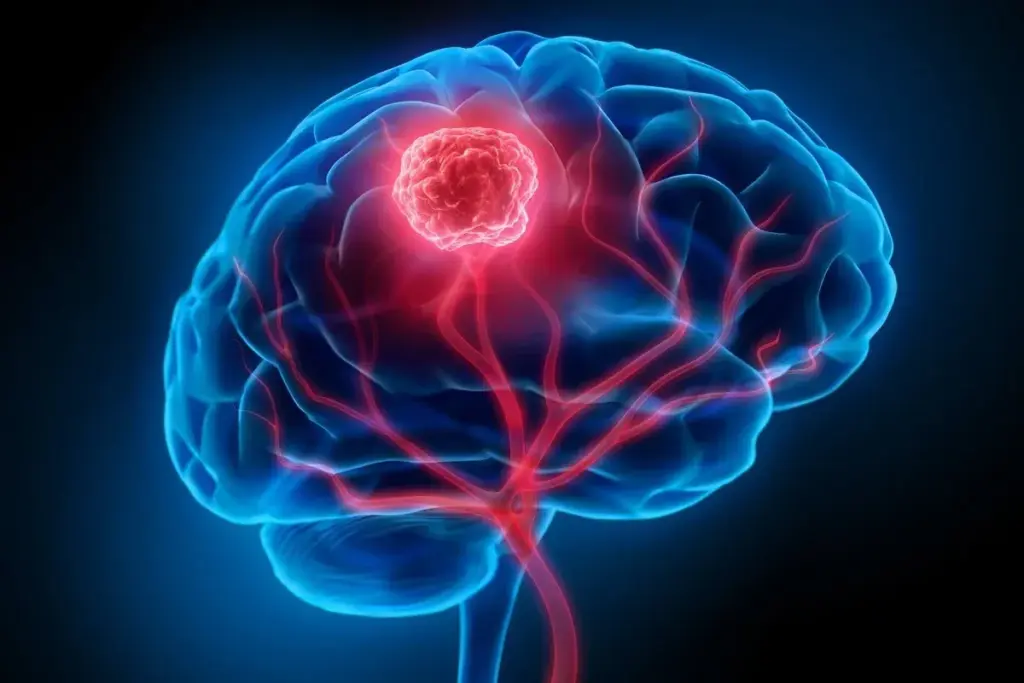
These tumors can be either benign or malignant. Their symptoms depend on where the tumor is, how big it is, and how fast it grows. If you’re an adult with ongoing and severe headaches, seizures, or changes in how you think, you should see a doctor.
Use this vital guide to identify brain tumor symptoms in adults. Early detection is key to a successful recovery and long-term brain health.
Key Takeaways
- Understanding brain tumor symptoms is key for early detection.
- Brain tumors can be benign or malignant.
- Symptoms change based on tumor location, size, and growth rate.
- It’s important to seek medical help if symptoms don’t go away.
- Common signs include headaches, seizures, and changes in thinking.
Understanding Brain Tumors: Types and Prevalence
Brain tumors are complex and can be divided into different types. Knowing these differences is key for proper diagnosis and treatment. They can be primary, starting in the brain, or secondary, spreading from other cancers.
Primary vs. Secondary Brain Tumors
Primary brain tumors start in the brain and can be either benign or malignant. They are classified by the cell type they come from. Secondary brain tumors, or metastases, come from cancers in other parts of the body. These are more common and often have a worse prognosis.
Common Types of Brain Tumors in Adults
In adults, common primary brain tumors include gliomas, meningiomas, and acoustic neuromas. Gliomas come from brain glial cells and vary in severity. Meningiomas are usually benign and form in the meninges, the brain’s protective membranes. Acoustic neuromas are benign tumors affecting the nerve from the inner ear to the brain, leading to hearing loss and balance problems.
Risk Factors for Developing Brain Tumors
Several factors increase the risk of brain tumors. Age is a major factor, with risk growing with age. Exposure to ionizing radiation, like in childhood, is also a risk. Genetic predisposition, with certain syndromes, can increase the risk of specific brain tumors. Knowing these risk factors helps in early detection and management.
Brain Tumor Symptoms: Common Warning Signs
Knowing the common signs of brain tumors is key to better treatment. Tumors, whether they grow back or spread, can show different symptoms. This depends on where they are, how big they get, and how fast they grow.
Headaches and Their Characteristics
Headaches are a common sign of brain tumors. These headaches often get worse in the morning. They may also make you feel sick to your stomach or throw up.
Headaches from brain tumors are different. They keep coming back and get worse over time.
Seizures and Convulsions
Seizures are another common symptom. This is more likely if the tumor is near areas that control movement or important functions. Seizures can be mild or very severe.
They might make you lose consciousness or have convulsions. The tumor pressing on the brain can cause these seizures.
Cognitive and Memory Changes
Changes in thinking and memory are also signs of brain tumors. You might find it hard to focus, forget things, or feel confused. These symptoms can start off small but get worse as the tumor grows.
Here’s a list of key symptoms of brain tumors:
- Persistent headaches that worsen over time
- Seizures or convulsions
- Cognitive changes, including memory loss or confusion
- Nausea and vomiting, especially in the morning
It’s important to notice these signs and see a doctor if they don’t go away or get worse. Finding out early can greatly improve treatment for brain tumors.
Location-Specific Brain Tumor Symptoms
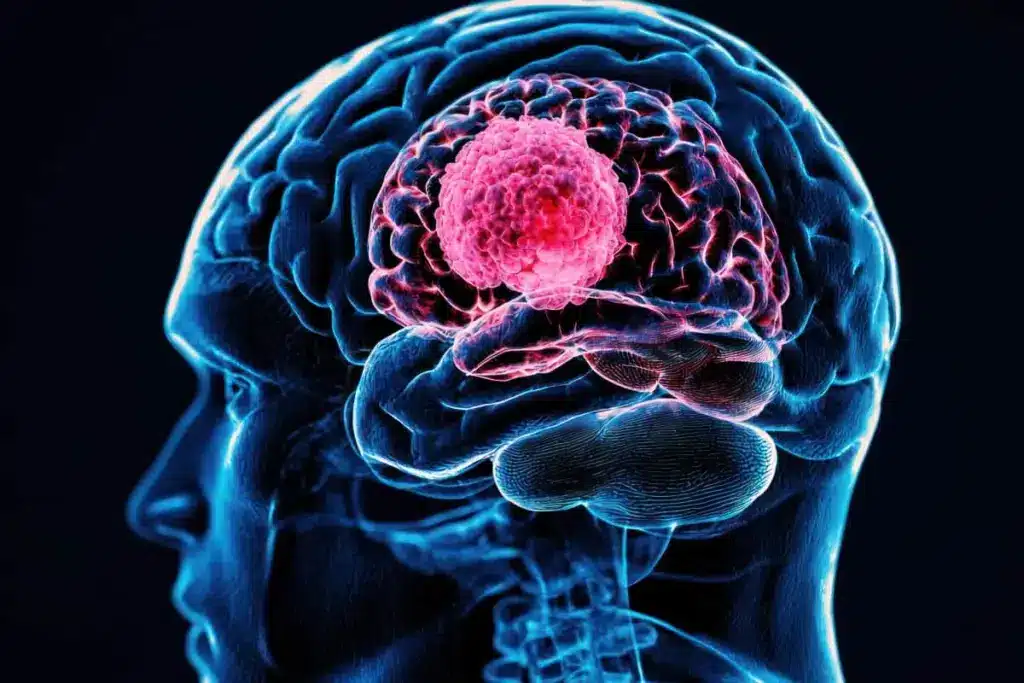
Brain tumor symptoms change based on where the tumor is in the brain. The brain has different parts for different functions. Where the tumor is affects the symptoms a person feels.
Frontal Lobe Tumor Symptoms
Tumors in the frontal lobe can cause personality changes and motor weakness. People might act differently, like being more aggressive or less caring. They might also have trouble walking or doing small tasks.
Temporal Lobe Tumor Symptoms
Temporal lobe tumors can lead to memory problems and seizures. People might forget recent things or have trouble learning new stuff. Seizures can be mild or severe and might make someone feel confused or have convulsions.
Parietal Lobe Tumor Symptoms
Parietal lobe tumors can cause sensory disturbances. This means numbness or tingling in different parts of the body. People might also struggle with knowing where things are and moving well.
Occipital Lobe Tumor Symptoms
Occipital lobe tumors mainly affect vision. People might see things blurry, have double vision, or lose sight on the sides. Sometimes, they might even see things that aren’t there.
Knowing the symptoms of brain tumors by location is key for diagnosis and treatment. If you or someone you know has these symptoms, see a doctor right away.
Physical Symptoms of Brain Tumors
A brain tumor can cause many physical symptoms. This is because it puts pressure on the brain tissue around it. These symptoms can make everyday tasks hard to do.
Balance and Coordination Problems
One common symptom is trouble with balance and coordination. This happens when the tumor presses on parts of the brain that control movement. People may fall a lot or have trouble walking, which can be scary and disrupt daily life.
Vision and Hearing Changes
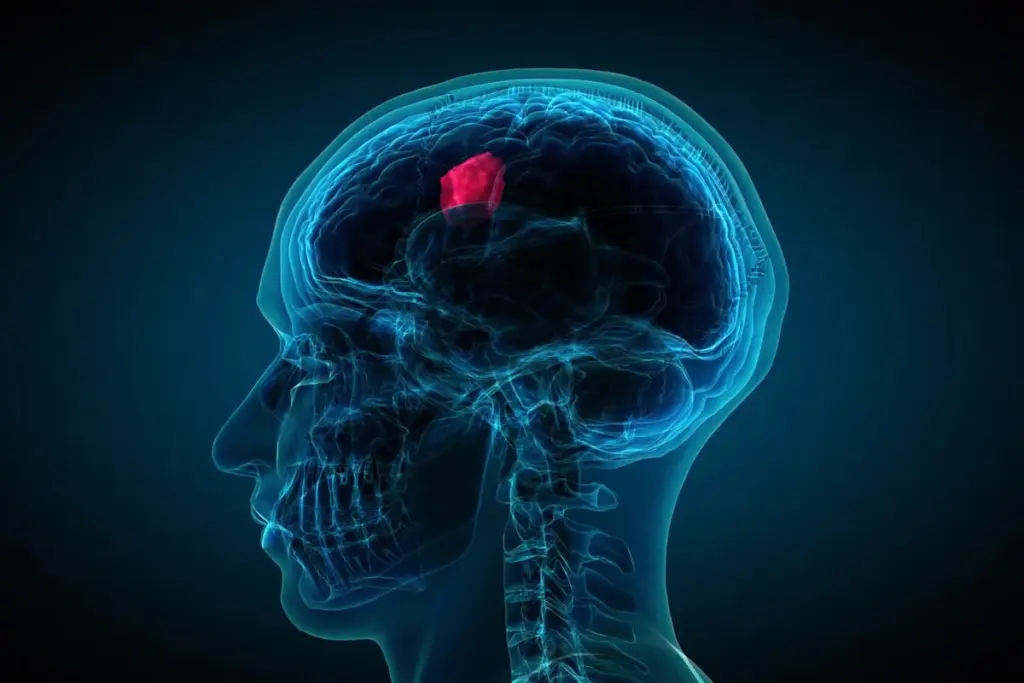
Brain tumors can also affect vision and hearing. Depending on where the tumor is, people may see blurry, double, or have blind spots. They might also hear strange sounds or be very sensitive to noise. These problems come from the tumor’s pressure on the brain’s vision or hearing paths.
Speech Difficulties
Speech problems are another symptom of brain tumors. Tumors in certain areas can make it hard to speak or understand others. This might show up as slurred speech, stuttering, or trouble finding the right words.
Numbness or Weakness
Numbness or weakness in different parts of the body is common in brain tumor patients. This happens when the tumor presses on the brain’s motor or sensory paths. People might feel numb, tingle, or be weak in their face, arms, or legs. How bad these symptoms are depends on the tumor’s size and where it is.
It’s important to know these symptoms could mean a brain tumor. If you or someone you know is showing these signs, see a doctor right away. They can help figure out what’s going on and start treatment.
Behavioral and Psychological Changes
Brain malignancy symptoms can include significant changes in behavior and psychological well-being. These changes can be distressing for both the individual and their loved ones.
Personality Alterations
One of the most concerning effects of brain tumors is their ability to alter a person’s personality. This can show as increased irritability, mood swings, or uncharacteristic behavior. The tumor’s location and size can influence the extent of these changes.
- Irritability and short temper
- Apathy or lack of interest in activities
- Disinhibition, leading to socially inappropriate behavior
Mood Swings and Depression
Mood swings are common among individuals with brain tumors. These can range from mild anxiety to severe depression. The psychological impact should not be underestimated, as it can significantly affect the individual’s quality of life.
“The psychological impact of a brain tumor can be as debilitating as the physical symptoms.” –
A healthcare professional’s insight
- Recognizing the signs of depression
- Seeking professional help for mood management
- Support systems for individuals and families
Confusion and Disorientation
As brain tumors grow, they can cause confusion and disorientation due to increased intracranial pressure or direct effects on brain tissue. This can lead to difficulties in daily functioning and decision-making.
It’s essential for family members and caregivers to be aware of these changes. Providing support is key. Understanding the symptoms associated with brain lesions can help in managing the condition more effectively.
When Brain Tumor Symptoms Require Immediate Medical Attention
It’s important to know when brain tumor symptoms need quick medical help. Brain tumors, whether they are benign or malignant, can cause many symptoms. These symptoms can get worse if not treated on time.
Warning Signs That Shouldn’t Be Ignored
Some symptoms mean you need to see a doctor right away. These include:
- Sudden severe headaches: Often described as “the worst headache” ever experienced, these can be a sign of increased intracranial pressure.
- Seizures: If they’re new, seizures can show a tumor’s presence or its effect on brain function.
- Confusion and disorientation: Sudden changes in mental status can signal a tumor’s effect on critical brain areas.
- Weakness or numbness: Sudden loss of strength or sensation in parts of the body can be indicative of a tumor affecting motor control areas.
Emergency Symptoms Requiring Immediate Care
Some brain tumor symptoms can become emergencies. It’s critical to get immediate medical care if you or someone else has:
- Loss of consciousness: Fainting or becoming unresponsive is a medical emergency.
- Difficulty speaking or understanding speech: Sudden changes in language processing abilities can indicate a serious issue.
- Sudden vision changes: Double vision, loss of vision, or other acute changes in visual perception require immediate attention.
How to Communicate Symptoms to Healthcare Providers
When you see a doctor, it’s key to clearly share your symptoms. Here are some tips:
- Be detailed about your symptoms: When they started, how long they last, and any factors that make them better or worse.
- Bring a list of your symptoms and any medications you’re currently taking.
- If possible, have a friend or family member accompany you to provide additional information.
Understanding warning signs and how to talk to doctors can help get the right care fast. This is important for anyone with a brain tumour in the brain.
How Brain Tumors Are Diagnosed
Diagnosing brain tumors involves many steps. Doctors use different tests to find out if a tumor is there, where it is, and what type it is.
Initial Assessment and Physical Examination
The first step is a detailed medical history and physical check-up. Doctors look for signs like headaches, seizures, or changes in thinking. They also check vision, hearing, balance, and thinking skills.
Neurological examinations are key. They help find any brain tumor signs. These exams show if there’s something wrong with how the brain works.
Neurological Tests
Neurological tests check how the nervous system works. They look at thinking, moving, and feeling. This helps doctors see how a tumor might affect the brain.
“A thorough neurological check is vital for spotting brain tumors and their effects.”
- A Neurologist
Imaging Studies (MRI, CT Scan, PET)
Imaging tests are key for finding brain tumors. MRI (Magnetic Resonance Imaging) and CT (Computed Tomography) scans show the brain’s details. MRI is good for soft tissues, and CT scans spot bone and calcification issues. PET (Positron Emission Tomography) scans check how active tumors are, helping plan treatment.
Biopsy Procedures
A biopsy takes a tumor sample for lab tests. It helps doctors know the tumor’s type and how serious it is. This info is key for treatment plans.
Sometimes, a biopsy is done during surgery to remove the tumor. The sample is then checked by a pathologist. This helps decide on the best treatment.
By using initial checks, tests, imaging, and biopsies, doctors can accurately diagnose brain tumors. They then create effective treatment plans.
Differentiating Brain Tumor Symptoms from Other Conditions
It’s hard to tell if you have a brain tumor just by the symptoms. Symptoms of brain tumors can look like many other health problems. This makes it tough to figure out what’s wrong.
Migraine vs. Brain Tumor Headaches
Headaches from brain tumors can seem like migraines. But, there are big differences. Brain tumor headaches keep coming back and get worse, unlike migraines which come and go.
- Frequency and Duration: Brain tumor headaches are constant and get worse over time.
- Intensity and Location: They can be very bad in the morning and only hurt in one spot.
Stroke vs. Brain Tumor Symptoms
Symptoms of brain tumors can look like a stroke. Both can cause sudden weakness or numbness. But, stroke symptoms come on fast and often include facial drooping.
- Onset: Stroke symptoms start suddenly, while brain tumor symptoms get worse over time.
- Nature of Symptoms: Strokes cause sudden, severe symptoms like weakness or trouble speaking.
Multiple Sclerosis vs. Brain Tumor Symptoms
Multiple sclerosis (MS) and brain tumors can both cause brain problems. MS is an autoimmune disease that messes with the brain and nervous system, leading to many symptoms.
- Pattern of Symptoms: MS symptoms change a lot, while brain tumor symptoms stay the same.
- Types of Symptoms: MS can cause vision problems, muscle weakness, and trouble with coordination.
Alzheimer’s Disease vs. Brain Tumor Symptoms
Alzheimer’s disease mainly affects memory and gets worse over time. Brain tumors can also cause brain problems, but in different ways.
Brain tumors can cause symptoms in specific areas, while Alzheimer’s affects memory and thinking more broadly.
To get a correct diagnosis, doctors use tests like MRI or CT scans, and sometimes a biopsy. Knowing the differences between these conditions is key to the right treatment.
Treatment Options and Symptom Management
It’s important to know the different treatments for brain tumors. Each plan is made just for the person. It depends on the tumor’s type, size, and where it is, and the person’s health.
Surgical Interventions
Surgery is often the first step for brain tumors. The goal is to take out as much of the tumor as possible. Advances in surgical techniques have helped many patients.
Radiation Therapy
Radiation therapy uses beams to kill tumor cells. It can be used after surgery or as a main treatment if surgery isn’t possible. Radiation therapy is a key part of treating brain tumors.
Chemotherapy
Chemotherapy uses drugs to kill tumor cells. It can be taken by mouth or through an IV. It’s often used with other treatments. The drugs chosen depend on the tumor type.
Targeted Drug Therapy
Targeted drug therapy is a newer method. It uses drugs that target specific molecules in tumor cells. This treatment can be more effective and have fewer side effects than traditional chemotherapy.
A treatment plan might include a mix of these options. Here’s a table that shows the main treatments and what they do:
|
Treatment Option |
Description |
Key Considerations |
|---|---|---|
|
Surgical Interventions |
Removal of tumor tissue |
Risk of damage to surrounding brain tissue |
|
Radiation Therapy |
Use of high-energy beams to kill tumor cells |
Potential for side effects like fatigue and hair loss |
|
Chemotherapy |
Use of drugs to kill tumor cells |
Side effects can include nausea and hair loss |
|
Targeted Drug Therapy |
Drugs targeting specific tumor cell molecules |
Potential for fewer side effects compared to chemotherapy |
Managing brain tumor symptoms well needs a team effort. It’s not just about treating the tumor. It’s also about helping the patient feel better and live better.
Conclusion: Living with Brain Tumor Symptoms
Living with brain tumor symptoms means constant care and support. Knowing the signs and treatment options helps people deal with their condition better.
Early detection and treatment are key to managing symptoms. Spotting common warning signs early can lead to better treatment outcomes.
Managing symptoms well requires a full plan, including medical care and lifestyle changes. By staying informed and seeking help, people can live fulfilling lives despite their condition.
FAQ
What are the common symptoms of a brain tumor in adults?
Symptoms include headaches, seizures, and changes in thinking. You might also notice problems with balance, vision, and speech. Numbness or weakness can occur too. These signs depend on the tumor’s location and size.
How do brain tumors cause headaches?
Tumors can lead to headaches by increasing pressure in the skull. They can also cause inflammation or irritation. These headaches can be severe and get worse over time.
Can brain tumors cause seizures?
Yes, they can. Tumors in certain brain areas can trigger seizures. The severity of seizures depends on the tumor’s location and size.
How are brain tumors diagnosed?
Diagnosing them involves several steps. First, there’s an initial assessment and neurological tests. Imaging studies like MRI and CT scans are also used. A biopsy might be needed to confirm the diagnosis.
What are the treatment options for brain tumors?
Treatment depends on the tumor and the person’s health. Options include surgery, radiation, chemotherapy, or targeted drugs. Sometimes, a combination of these is used.
Can brain tumors be benign?
Yes, they can. Benign tumors are non-cancerous and don’t spread. But, they can cause symptoms and need treatment if they press on brain tissue.
What are the risk factors for developing brain tumors?
Risk factors include age, family history, radiation exposure, and certain genetic conditions. Knowing these can help identify those at higher risk.
How can I differentiate brain tumor symptoms from other conditions?
It’s hard to tell them apart because symptoms can be similar. A detailed evaluation and tests are key for a correct diagnosis. Conditions like migraines and Alzheimer’s can be mistaken for brain tumors.
What are the signs of glioblastoma symptoms?
Symptoms include severe headaches, seizures, and confusion. Disorientation and changes in personality can also happen. These symptoms can get worse fast, so seek medical help quickly.
How can I manage brain tumor symptoms?
Managing symptoms involves treating the tumor and managing symptoms. Supportive care is also important. These steps can help improve your quality of life.
National Center for Biotechnology Information. Evidence-Based Medical Insight. Retrieved from https://pubmed.ncbi.nlm.nih.gov/34185032/