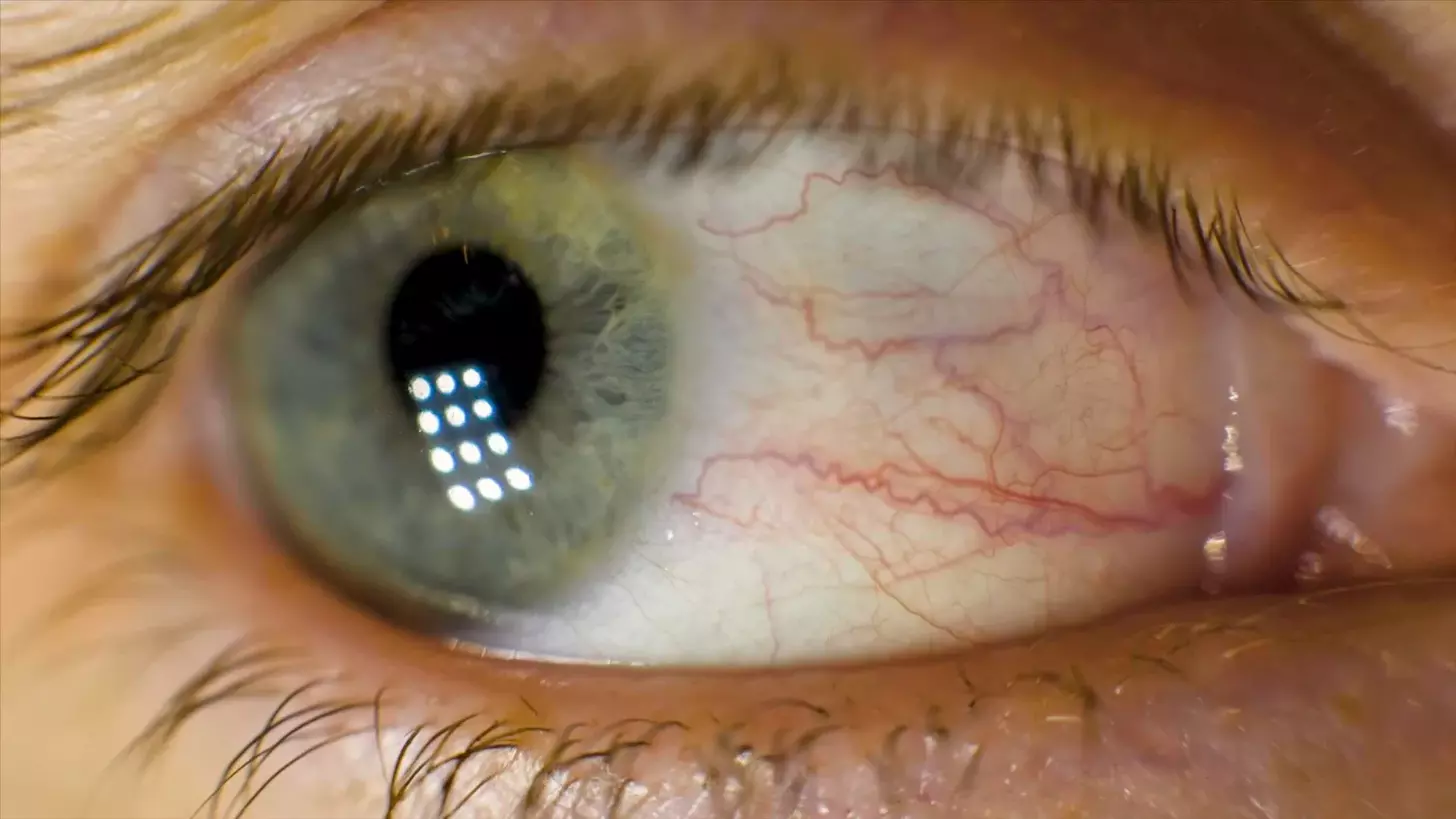
We understand that sudden vision problems can be alarming, and in some cases, they may be an early warning sign of a serious condition. A brain tumor can cause a variety of symptoms, including changes in vision. It is crucial to recognize these changes early to seek timely medical intervention.
At Liv Hospital, our medical team emphasizes the importance of being aware of the key symptoms associated with brain tumor vision changes. These symptoms can range from subtle blurring to more severe conditions like swollen optic nerves. In this article, we will discuss the 8 key symptoms that patients should be aware of.
Key Takeaways
- Blurred or double vision can be a symptom of a brain tumor.
- Loss of visual field is a common issue associated with brain tumors.
- Abnormal eye movements can be a warning sign.
- Color vision loss and blindness are potential symptoms.
- Swollen optic nerves can indicate a serious condition.
- Early recognition of these symptoms is crucial for timely medical intervention.
Understanding the Connection Between Brain Tumors and Vision
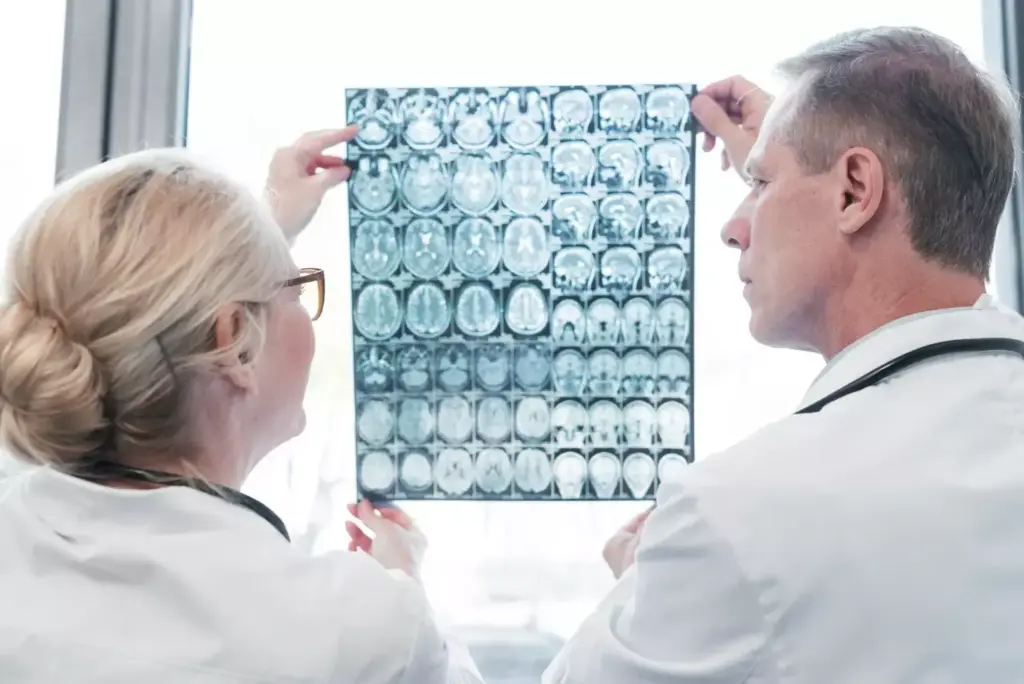
Brain tumors can significantly impact vision by affecting the complex visual pathways within the brain. Vision changes are a common symptom in patients with brain tumors, highlighting the need to understand the underlying causes. We will explore how brain tumors affect visual processing and identify critical brain regions responsible for vision.
How Brain Tumors Affect Visual Pathways
Brain tumors can disrupt normal visual processing by compressing or damaging the visual pathways. The visual pathway is a complex system that begins with the eyes and continues through the optic nerves, optic chiasm, and optic tracts to the visual cortex. Tumors located near these structures can cause a range of visual disturbances.
- Compression of Optic Nerves: Tumors near the optic nerves can cause visual loss or blind spots.
- Damage to the Optic Chiasm: Tumors affecting the optic chiasm can lead to loss of peripheral vision.
- Impact on Optic Tracts and Visual Cortex: Tumors in these areas can cause visual field defects and other complex visual disturbances.
Critical Brain Regions for Vision Processing
Several brain regions are critical for processing visual information. The visual cortex, located in the occipital lobe, is responsible for interpreting visual data. Other important areas include the lateral geniculate nucleus and the optic radiations. Tumors affecting these regions can lead to various visual symptoms, depending on the location and size of the tumor.
Understanding the connection between brain tumors and vision is crucial for diagnosing and treating visual disturbances effectively. By identifying the specific areas affected by the tumor, healthcare providers can develop targeted treatment plans to address both the tumor and its impact on vision.
The Mechanism of Brain Tumour Vision Changes

Brain tumors can impact vision through various mechanisms, including direct pressure on visual pathways and increased intracranial pressure. Understanding these mechanisms is crucial for diagnosing and treating vision-related symptoms in brain tumor patients.
Direct Pressure Effects on Visual Structures
When a brain tumor grows, it can exert direct pressure on surrounding visual structures, including the optic nerves, optic chiasm, and optic tracts. This pressure can lead to a range of vision problems, such as:
- Blurred vision
- Visual field defects
- Double vision (diplopia)
The specific vision changes depend on the tumor’s location relative to these visual structures. For instance, a tumor pressing on the optic nerve can cause unilateral vision loss, while a tumor affecting the optic chiasm can lead to bitemporal hemianopsia.
Increased Intracranial Pressure and Vision
Brain tumors can also cause vision problems by increasing intracranial pressure. As the tumor grows, it can occupy more space within the skull, leading to increased pressure on the brain and its surrounding structures. This increased pressure can cause:
- Papilledema (swelling of the optic disc)
- Visual disturbances due to compression of visual pathways
Increased intracranial pressure can result in swollen optic nerve brain tumor symptoms, which are often associated with brain tumor optic nerve swelling. Recognizing these symptoms is crucial for early diagnosis and treatment.
According to medical experts, “The presence of papilledema in a patient with a brain tumor is a significant indicator of increased intracranial pressure and requires immediate medical attention.”
“The relationship between brain tumors and vision is complex. Understanding the mechanisms involved is key to providing effective care.”
Symptom 1: Blurred Vision as an Early Warning Sign
Brain tumors can cause a range of vision problems, with blurred vision being a common early symptom. This symptom can manifest due to the tumor’s location and its impact on surrounding visual pathways.
Characteristics of Tumor-Related Blurred Vision
Tumor-related blurred vision can vary in its presentation. It may be persistent or intermittent and can affect one or both eyes. The nature of the blurring can provide clues about the tumor’s location and its effect on visual processing.
Key characteristics include:
- Blurred vision that doesn’t improve with glasses or contact lenses
- Vision disturbances that occur in episodes or are constant
- Affecting central or peripheral vision
Differentiating from Other Causes of Blurred Vision
While blurred vision is a common symptom of many eye conditions, its presence in the context of a brain tumor requires careful consideration. Other causes of blurred vision include refractive errors, cataracts, and age-related macular degeneration.
| Symptom | Brain Tumor-Related | Other Causes |
|---|---|---|
| Blurred Vision | Often accompanied by other neurological symptoms | Typically isolated to vision problems |
| Progression | Can worsen over time if tumor grows | Varies depending on the condition |
Understanding the differences between these causes is crucial for accurate diagnosis and appropriate treatment. If you’re experiencing persistent or severe blurred vision, it’s essential to consult with a healthcare professional.
Symptom 2: Double Vision (Diplopia) and Brain Tumors
One of the critical vision changes associated with brain tumors is double vision, medically referred to as diplopia. Double vision occurs when the brain has difficulty combining the images seen by each eye, resulting in the perception of two images of a single object. This symptom can be distressing and significantly impact a person’s daily life and overall well-being.
Mechanisms of Tumor-Induced Double Vision
Double vision in brain tumor patients can result from several mechanisms. Tumors can directly affect the nerves controlling eye movements, such as the oculomotor, trochlear, and abducens nerves. When these nerves are compressed or damaged, it can lead to impaired eye movement and subsequent double vision.
The location of the tumor is also a critical factor. Tumors located near the brainstem or within the cavernous sinus can affect the cranial nerves responsible for eye movement, leading to diplopia. Additionally, increased intracranial pressure caused by the tumor can result in sixth nerve palsy, a common cause of double vision.
Characteristics of Brain Tumor Double Vision
The characteristics of double vision caused by brain tumors can vary depending on the tumor’s location and the nerves affected. Some common characteristics include:
- Double vision that is worse when looking in certain directions
- Difficulty with tasks that require binocular vision, such as reading or driving
- Head tilting or turning to compensate for the double vision
- Associated symptoms like headache, nausea, or eye pain
It’s essential for patients experiencing double vision to seek medical attention to determine the underlying cause and appropriate treatment. Early diagnosis and intervention can significantly impact the management of brain tumor-related vision changes.
Symptom 3: Visual Field Defects and Peripheral Vision Loss
Brain tumors can cause various visual field defects, impacting patients’ peripheral vision. These defects occur when the tumor affects the parts of the brain responsible for processing visual information. Understanding the types of visual field changes and how they relate to tumor location is crucial for diagnosis and treatment.
Types of Visual Field Changes in Brain Tumor Patients
Visual field defects in brain tumor patients can manifest in different ways, depending on the tumor’s location and size. Common types include:
- Hemianopia: Loss of half of the visual field.
- Quadrantanopia: Loss of a quarter of the visual field.
- Concentric constriction: Narrowing of the peripheral vision.
These defects can significantly impact a patient’s daily life, affecting their ability to perform tasks that require peripheral vision, such as driving or navigating crowded spaces.
How Tumor Location Determines Visual Field Defects
The location of the brain tumor plays a critical role in determining the type and extent of visual field defects. Tumors affecting the optic nerve or optic chiasm can cause specific patterns of vision loss. For instance, a tumor compressing the optic chiasm can lead to bitemporal hemianopia, where vision is lost in the outer half of each visual field.
| Tumor Location | Common Visual Field Defect |
|---|---|
| Optic Nerve | Central scotoma or unilateral blindness |
| Optic Chiasm | Bitemporal hemianopia |
| Occipital Lobe | Homonymous hemianopia |
Understanding the relationship between tumor location and visual field defects helps clinicians diagnose and manage brain tumors more effectively. By identifying the specific visual disturbances, healthcare providers can infer the tumor’s location and plan appropriate treatment.
Symptoms 4-5: Abnormal Eye Movements and Pupillary Changes
We observe that involuntary eye movements and irregular pupil sizes are among the critical eye symptoms associated with brain tumors. These neurological signs can indicate the presence and potentially the location of a brain tumor.
Involuntary Eye Movations as Neurological Signs
Involuntary eye movements, also known as nystagmus, can be a significant indicator of brain tumor presence. Nystagmus is characterized by repetitive, uncontrolled eye movements that can be horizontal, vertical, or rotary. We note that the type and direction of nystagmus can provide clues about the tumor’s location and its impact on surrounding brain structures.
The mechanisms behind tumor-induced nystagmus involve the tumor’s effect on the brainstem or cerebellum, areas critical for eye movement control. Diagnosing nystagmus involves a comprehensive neurological examination, including eye movement analysis.
Pupil Irregularities and Their Significance
Pupillary changes, including anisocoria (unequal pupil sizes) or abnormal pupil reactions to light, can be associated with brain tumors. These changes occur due to the tumor’s pressure on the nerves controlling pupil size and reaction. We emphasize that anisocoria, in particular, can be a sign of third cranial nerve compression, often associated with tumors in certain brain regions.
The significance of these pupillary irregularities lies in their potential to indicate not only the presence of a brain tumor but also its location and possible impact on critical neurological structures. A thorough ophthalmological examination is essential for identifying these signs and guiding further diagnostic steps.
| Symptom | Description | Possible Tumor Location |
|---|---|---|
| Nystagmus | Involuntary, repetitive eye movements | Brainstem or cerebellum |
| Anisocoria | Unequal pupil sizes | Regions affecting the third cranial nerve |
| Abnormal Pupil Reaction | Altered response to light | Midbrain or areas affecting optic pathways |
We conclude that abnormal eye movements and pupillary changes are significant symptoms that warrant thorough investigation. Recognizing these signs can lead to earlier diagnosis and potentially more effective treatment of brain tumors.
Symptoms 6-8: Color Vision Changes, Light Sensitivity, and Progressive Vision Loss
Color vision changes, light sensitivity, and progressive vision loss are among the critical vision symptoms that brain tumor patients may encounter. These vision disturbances can significantly impact a patient’s quality of life, making it essential to understand their causes and implications.
Color Vision Disturbances in Brain Tumor Patients
Color vision disturbances can occur when a brain tumor affects the visual processing pathways. Patients may experience difficulty distinguishing between certain colors, a condition known as color vision deficiency or dyschromatopsia. This symptom can be particularly challenging as it may not be immediately associated with a brain tumor.
Research suggests that tumors affecting the occipital or temporal lobes can lead to color vision disturbances. The severity and nature of these disturbances can vary depending on the tumor’s location and size. For instance, some patients may have trouble with red-green color differentiation, while others may experience a more generalized loss of color vision.
Photophobia and Light Sensitivity
Photophobia, or light sensitivity, is another symptom that can be associated with brain tumors. Patients may find that they are more sensitive to light than usual, experiencing discomfort or pain in bright environments. This increased sensitivity can be due to the tumor’s effect on the brain’s ability to regulate visual input.
Light sensitivity can significantly impact daily activities, making it challenging for patients to navigate their environment comfortably. Understanding the link between brain tumors and photophobia is crucial for managing this symptom effectively.
Progressive Vision Deterioration Patterns
Progressive vision loss is a concerning symptom that can occur in brain tumor patients. The rate and pattern of vision deterioration can vary widely depending on the tumor’s characteristics and its impact on surrounding brain tissue. Some patients may experience a gradual decline in vision, while others may have more sudden changes.
Monitoring vision changes closely is vital for early detection and intervention. Healthcare providers can use various diagnostic tools to track changes in vision and adjust treatment plans accordingly.
By understanding these vision-related symptoms, patients and healthcare providers can work together to manage brain tumor-related vision changes effectively.
Diagnosing Brain Tumor-Related Vision Changes
The diagnosis of brain tumor-related vision changes involves a multi-faceted approach, combining ophthalmologic exams with cutting-edge imaging technologies. We utilize a comprehensive diagnostic strategy to identify vision changes caused by brain tumors.
Ophthalmologic Examinations in Diagnosing Brain Tumors
Ophthalmologic examinations play a crucial role in detecting vision changes associated with brain tumors. A thorough eye exam can reveal signs such as swollen optic nerve, which is often linked to increased intracranial pressure. We perform detailed ophthalmologic assessments to identify abnormalities that may indicate a brain tumor.
During an ophthalmologic examination, we check for various symptoms, including:
- Visual acuity and field defects
- Pupillary reactions and eye movements
- Optic disc appearance, including signs of swelling or atrophy
These examinations are vital for detecting potential brain tumor-related vision changes. For instance, a swollen optic nerve can be a critical indicator of a brain tumor, as it may signify increased intracranial pressure.
Advanced Imaging Techniques for Brain Tumor Diagnosis
While ophthalmologic examinations provide valuable insights into potential vision changes, advanced imaging techniques are essential for confirming the presence of a brain tumor. We employ cutting-edge imaging technologies, including MRI and CT scans, to visualize the brain and detect tumors.
Advanced imaging helps us:
- Identify the location and size of the tumor
- Determine the tumor’s impact on surrounding brain structures
- Plan appropriate treatment strategies
According to recent studies, advanced imaging techniques have significantly improved the diagnosis and treatment of brain tumors. As noted by a leading neurosurgeon, “The integration of advanced imaging modalities has revolutionized our ability to diagnose and manage brain tumors effectively.”
“The use of MRI and CT scans has become indispensable in neuro-oncology, allowing for precise diagnosis and treatment planning.” –Neurosurgeon
| Imaging Technique | Advantages | Applications in Brain Tumor Diagnosis |
|---|---|---|
| MRI | High soft-tissue resolution, no radiation | Tumor detection, size assessment, relation to surrounding structures |
| CT Scan | Quick, widely available, good for calcified tumors | Emergency situations, detecting tumor calcification |
By combining ophthalmologic examinations with advanced imaging techniques, we can accurately diagnose brain tumor-related vision changes and develop effective treatment plans.
Conclusion: When to Seek Medical Attention for Vision Changes
Understanding when to seek medical attention for vision changes is crucial, especially if you are experiencing symptoms related to brain tumor vision. We have discussed various brain tumor vision symptoms, including blurred vision, double vision, and visual field defects, which can be indicative of brain tumor and vision issues.
If you are experiencing any of these symptoms, it is essential to consult a healthcare professional promptly. They will conduct a thorough examination, including ophthalmologic evaluations and advanced imaging techniques, to determine the cause of your vision changes.
Early detection and treatment can significantly impact the outcome of brain tumor-related vision problems. We encourage you to be vigilant about your vision health and seek medical attention if you notice any unusual changes.
By being aware of the potential symptoms of brain tumor vision changes, you can take proactive steps towards maintaining your overall health and seeking appropriate care when needed.
FAQ
What are the common vision changes associated with brain tumors?
Brain tumors can cause a variety of vision problems, including blurred vision, double vision, visual field defects, abnormal eye movements, pupillary changes, color vision changes, light sensitivity, and progressive vision loss.
How do brain tumors affect the visual pathways?
Brain tumors can directly or indirectly affect the visual pathways by exerting pressure on the optic nerves, chiasm, or tracts, or by increasing intracranial pressure, leading to vision changes.
What is the significance of blurred vision as an early warning sign of brain tumors?
Blurred vision can be an early warning sign of brain tumors, and its characteristics, such as being persistent or worsening over time, can help differentiate it from other causes of blurred vision.
How do brain tumors cause double vision (diplopia)?
Brain tumors can cause double vision by affecting the nerves that control eye movements or by putting pressure on the brainstem, leading to impaired eye alignment.
What are visual field defects, and how are they related to brain tumors?
Visual field defects refer to the loss of peripheral or central vision, and brain tumors can cause these defects by compressing or damaging the optic nerves or other visual pathways.
Can brain tumors cause abnormal eye movements and pupillary changes?
Yes, brain tumors can cause abnormal eye movements, such as nystagmus, and pupillary changes, such as anisocoria, which can be indicative of neurological damage.
How are color vision changes, light sensitivity, and progressive vision loss related to brain tumors?
Brain tumors can cause color vision disturbances, increased sensitivity to light, and progressive vision loss due to damage to the visual pathways or increased intracranial pressure.
What diagnostic approaches are used to detect brain tumor-related vision changes?
Ophthalmologic examinations, such as visual acuity tests and visual field assessments, and advanced imaging techniques, like MRI and CT scans, are used to diagnose brain tumor-related vision changes.
What should I do if I experience vision changes that may be related to a brain tumor?
If you experience vision changes, such as blurred vision, double vision, or visual field defects, you should seek medical attention promptly to determine the underlying cause and receive appropriate treatment.
Are swollen optic nerves associated with brain tumors?
Yes, swollen optic nerves can be a sign of increased intracranial pressure, which can be caused by brain tumors, and may lead to vision changes.
Can brain cancer affect the eyes?
Yes, brain cancer can affect the eyes by causing vision changes, such as blurred vision, double vision, or visual field defects, due to the tumor’s location and its impact on the visual pathways.