Buerger’s disease, also known as thromboangiitis obliterans, is a rare condition. It’s mainly caused by tobacco use. It harms the small and medium-sized arteries and veins in the limbs, causing a lot of pain, ulcers, and sometimes, the loss of limbs if not treated.
This disease is complex and has a big impact on people’s lives. It’s closely linked to smoking. Knowing the risks and consequences is very important for those affected.
We will discuss the main facts, statistics, and emerging treatment approaches for Buerger’s disease. We aim to give insights into managing this serious condition.
Key Takeaways
- Buerger’s disease is a rare vascular disorder associated with tobacco use.
- It affects small and medium-sized arteries and veins in the extremities.
- Symptoms include severe pain, ulcers, and potentially, limb loss.
- Understanding the risks is key to managing the condition.
- Advanced care approaches are available to help manage Buerger’s disease.
Understanding Buerger’s Disease
Buerger’s disease, also known as thromboangiitis obliterans, is a rare disorder that affects the blood vessels. It causes inflammation and clotting in the blood vessels. This can lead to less blood flow to the arms and legs.
To fully understand Buerger’s disease, we need to look at its definition, medical classification, and history. Knowing this helps us grasp the condition and its effects on patients.
Definition and Medical Classification
Buerger’s disease is a type of vasculitis, which means inflammation of the blood vessels. It mainly affects the small and medium-sized arteries and veins in the arms and legs. The disease is marked by inflammation and clotting, which can block the blood vessels.
The medical classification of Buerger’s disease helps distinguish it from other vascular conditions. It is seen as a unique condition because of its specific symptoms and findings.
Historical Background and Discovery
Buerger’s disease was first described by Leo Buerger in 1908. Buerger, an Austrian-American pathologist and surgeon, found the disease in patients with specific symptoms and findings. Over time, our understanding of Buerger’s disease has grown, with ongoing research into its causes and mechanisms.
For more detailed information on Buerger’s disease, you can visit. They offer in-depth insights into the condition.
Thromboangiitis Obliterans: The Medical Term
The term thromboangiitis obliterans is another name for Buerger’s disease. It describes the inflammation in the blood vessels that leads to their blockage. This term emphasizes the disease’s main features: clotting, inflammation, and blockage of the blood vessels.
- Thrombosis: Formation of blood clots within the vessels.
- Inflammation: Inflammatory response in the blood vessel walls.
- Obliteration: Gradual occlusion of the blood vessels, leading to reduced blood flow.
Understanding these aspects is key to diagnosing and managing Buerger’s disease effectively.
Prevalence and Epidemiology of Buerger’s Disease
Buerger’s disease is a big deal, making up 0.5-5.6% of all peripheral artery disease cases worldwide. This shows how important it is to understand Buerger’s disease. We need to know more about it to help people.
Global Distribution
Buerger’s disease is found everywhere, but it’s more common in some places. The reasons for this vary, like demographics and lifestyle.
Epidemiological studies reveal that Buerger’s disease hits hard in certain groups. This is mainly because of smoking.
Demographics: Males Under 45 Who Smoke
Men under 45 who smoke are most likely to get Buerger’s disease. Smoking is a big risk factor for this disease.
Research shows that most patients with Buerger’s disease are young men who smoke. This shows a clear link between smoking and the disease.
Regional Variations: Highest in Asia and Middle East
In some areas, like Asia and the Middle East, Buerger’s disease is more common. This is because of genetics, environment, and lifestyle.
- Asia has a higher rate due to genetics and smoking.
- The Middle East also sees more cases, possibly because of smoking and lifestyle.
Causes and Risk Factors
The exact cause of Buerger’s disease is not fully understood. Yet, several risk factors have been identified. Lifestyle and genetic factors are closely linked to the disease.
Tobacco Use as the Primary Trigger
Tobacco use is seen as the main cause of Buerger’s disease. Most patients with the disease are smokers or have used tobacco before. The chemicals in tobacco can start an immune response, causing inflammation and clotting in some people.
The role of tobacco in Buerger’s disease is multifaceted:
- Tobacco contains harmful chemicals that damage blood vessels.
- Stopping smoking is the only proven way to stop the disease from getting worse.
- Smokers are much more likely to get Buerger’s disease than non-smokers.
Genetic Predisposition Factors
Genetic factors also play a big role in Buerger’s disease. Some genetic markers increase the risk of getting the disease. Scientists are studying these genetic aspects to understand how they affect the disease.
|
Genetic Factor |
Description |
Impact on Buerger’s Disease |
|---|---|---|
|
HLA Genes |
Human Leukocyte Antigen genes involved in the immune response. |
Certain HLA alleles may increase susceptibility to Buerger’s disease. |
|
Other Genetic Markers |
Various genes that may influence vascular health and immune response. |
May contribute to the overall risk and severity of the disease. |
Other Potencial Contributing Elements
Other factors might also play a part in Buerger’s disease. These include environmental factors, infections, and autoimmune responses. While the evidence is not as strong as for tobacco, these elements are being studied.
Understanding these risk factors is key to managing and treating Buerger’s disease. By focusing on these factors, doctors can create better treatment plans for each patient.
Pathophysiology: How Buerger’s Disease Affects Blood Vessels
Buerger’s disease affects small and medium-sized arteries and veins. It’s caused by inflammation, thrombosis, and vascular occlusion. These factors lead to the disease’s symptoms.
Inflammation of Small and Medium-Sized Arteries
The first sign of Buerger’s disease is inflammation in blood vessels. This can damage the vascular endothelium. The inflammation includes giant cells and a lot of inflammatory cells.
This inflammation isn’t just in arteries. It also affects tissues and veins around them. This widespread inflammation makes the disease more severe and affects the patient’s quality of life.
Disease Progression Mechanism
Buerger’s disease gets worse as thrombi form in blood vessels. These blockages can cause ischemia and severe problems like gangrene.
|
Stage |
Description |
Clinical Manifestation |
|---|---|---|
|
Initial Inflammation |
Inflammation of small and medium-sized vessels |
Pain, swelling |
|
Thrombosis |
Formation of thrombi within affected vessels |
Ischemia, pain at rest |
|
Occlusion |
Occlusion of vessels due to thrombi |
Gangrene, ulcers |
Distinction from Other Vascular Conditions
Buerger’s disease is different from other vascular conditions. It’s known for inflammation and thrombosis in small and medium-sized vessels. Unlike atherosclerosis, which affects larger arteries, Buerger’s disease has a unique distribution and symptoms.
Knowing these differences is key for accurate diagnosis and treatment of the disease.
Clinical Manifestations and Symptoms
Buerger’s disease shows many symptoms, like pain, numbness, and other changes in feeling. These symptoms really affect people’s lives. So, finding and treating the disease early is very important.
Early Warning Signs and Symptoms
The first signs of Buerger’s disease can be hard to spot. They often include pain in the hands and feet, even when you’re not moving. You might also notice your hands and feet feeling cold or looking different.
As the disease gets worse, these symptoms can get even worse. It’s key for people with these signs to see a doctor right away. This can help stop things from getting even worse.
Severe Pain at Rest or During Exercise
One big symptom of Buerger’s disease is severe pain in the limbs. This pain happens when you’re not moving and when you are. It’s because the blood flow to these areas is not good.
To learn more about Buerger’s disease and its symptoms, check out on it.
Numbness and Sensory Changes
People with Buerger’s disease often feel numbness and other changes in feeling. These happen because the blood vessels get inflamed and clotted. This messes with the nerves and how we feel things.
|
Symptom |
Description |
Impact on Patient |
|---|---|---|
|
Pain at Rest or During Exercise |
Severe pain due to reduced blood flow |
Significantly limits physical activity and quality of life |
|
Numbness and Sensory Changes |
Impaired sensation due to nerve dysfunction |
Affects daily activities and increases risk of unnoticed injuries |
|
Coldness or Discoloration |
Reduced blood flow causing coldness or color changes in extremities |
Can be a precursor to more severe symptoms if not addressed |
Knowing about these symptoms is key for catching Buerger’s disease early. This helps doctors give the right treatment. Early action can really help patients feel better.
Blood Vessel Complications in Fingers
Fingers can face vascular problems due to Buerger’s disease. This disease can harm the blood vessels in fingers, causing various issues.
Burst Blood Vessels in Fingertips
Burst blood vessels in fingertips are a worrying sign of Buerger’s disease. This happens when small and medium-sized arteries get inflamed and damaged. They can’t handle normal blood pressure anymore.
This leads to pain and discoloration in the fingertips. The bursting of blood vessels can cause painful sensations and might affect finger function. It’s important for patients to get medical help if they see these symptoms.
Broken Blood Vessels and Appearance Changes
Broken blood vessels in fingers can also change how they look. The skin might turn discolored, showing bruises or redness. This not only looks bad but can also hurt.
These changes can be quite noticeable, causing emotional distress. We suggest patients talk to doctors to find ways to deal with these issues.
Blood Clots in Fingers and Their Consequences
Blood clots in fingers are another problem with Buerger’s disease. These clots can block blood flow, causing severe pain, numbness, and even tissue damage. If not treated, they can lead to serious issues like losing finger function or gangrene.
It’s vital to get medical help right away if you think you have a blood clot. Early treatment can greatly improve outcomes for those with Buerger’s disease in their fingers.
Foot and Leg Involvement
A lot of patients with Buerger’s Disease face problems with their feet and legs. This can cause serious issues. It’s very important to take care of these problems to improve the patient’s life.
Prevalence: Up to 75% Present with Foot Involvement
Research shows that up to 75% of Buerger’s Disease patients have foot issues. This shows how common it is for the disease to affect the lower parts of the body. It’s key to watch and care for the feet of these patients.
The disease’s effects on the foot can be mild or very severe. It can cause gangrene and ulcers. Finding and treating these problems early is vital to avoid worse outcomes.
Gangrene Foot Disease Development
Gangrene is a serious problem in Buerger’s Disease, often in the foot. It happens when the blood supply is too low, causing tissue death. If not treated quickly, it might need amputation.
About 30-50% of patients might need amputation if they keep smoking. This shows how quitting smoking is key in managing Buerger’s Disease and avoiding severe problems.
Ulcers and Tissue Damage Progression
Ulcers are common in Buerger’s Disease patients, caused by poor blood flow and oxygen. These ulcers can hurt a lot and are hard to heal. They really affect a patient’s life quality.
As the disease gets worse, it can cause chronic wounds and infections. Treating these ulcers well needs a team effort. This includes wound care, pain management, and fixing the blood flow issues.
We stress the need for a full treatment plan. This should include quitting smoking and other lifestyle changes, along with medical and surgical help when needed.
Diagnostic Approaches for Buerger’s Disease
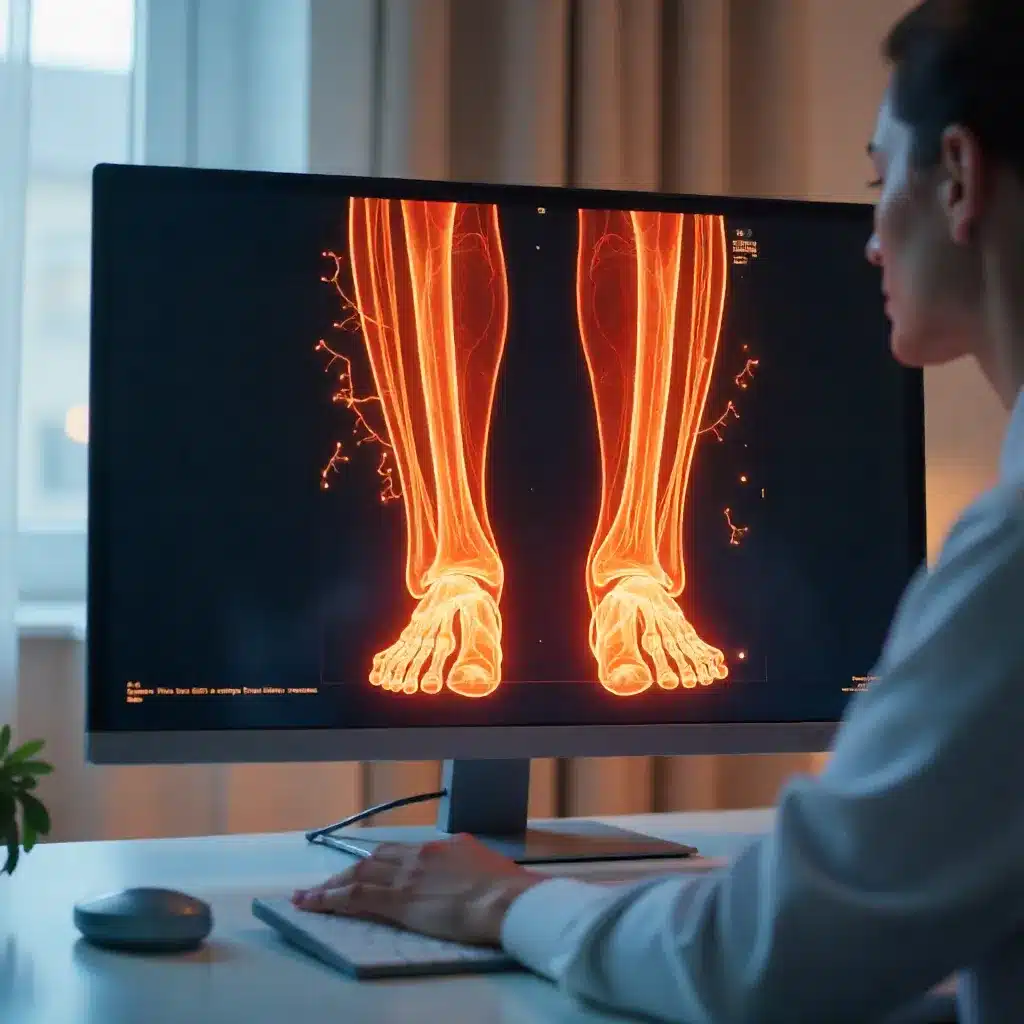
Diagnosing Buerger’s disease is complex. It involves clinical evaluation, patient history, and advanced imaging. Accurate diagnosis is key for effective treatment.
Clinical Evaluation and Patient History
A detailed clinical evaluation is the first step. It looks at symptoms, medical history, and lifestyle, like smoking. Clinical evaluation helps identify Buerger’s disease symptoms, such as pain and numbness in limbs.
A medical expert says, “A complete patient history is vital. It helps spot risk factors and rule out other conditions.”
This approach helps healthcare providers understand the patient’s health. It guides decisions on further testing.
Imaging Studies and Laboratory Tests
Imaging studies are key in diagnosing Buerger’s disease. Angiography, Doppler ultrasound, and MRA show blood vessel issues. Imaging studies provide important details about the disease.
- Angiography: Reveals occlusions and “corkscrew” collaterals.
- Doppler Ultrasound: Checks blood flow and detects vascular problems.
- MRA: Gives detailed blood vessel images and diagnoses occlusions.
Laboratory tests, like blood counts and inflammatory markers, help rule out other conditions. They assess the patient’s overall health.
Differential Diagnosis Considerations
Differential diagnosis is important in diagnosing Buerger’s disease. Symptoms can be similar to other vascular conditions. Healthcare providers must consider other diagnoses, like atherosclerosis and vasculitis.
A thorough evaluation, including clinical assessment, imaging, and lab tests, helps accurately diagnose Buerger’s disease. It allows for an effective treatment plan.
Complications of Untreated Disease
Not treating Buerger’s disease can lead to serious problems like gangrene and amputation. It can greatly reduce a person’s quality of life. This includes chronic pain, limited mobility, and even disability.
Tissue Necrosis and Gangrene Development
Tissue necrosis happens when blood flow to limbs is severely cut off, causing cell death. This can turn into gangrene, where tissue dies because it lacks blood. Gangrene is very painful and needs quick medical help to avoid more damage.
Smoking or using tobacco products increases the risk of gangrene. These activities make blood vessels narrower, worsening the disease.
Amputation Risk: 30-50% Without Tobacco Cessation
Untreated Buerger’s disease can lead to amputation. Without quitting tobacco, the amputation risk is 30% to 50%. Amputation is usually a last option when other treatments fail to save the limb.
Quitting tobacco is key to managing Buerger’s disease and avoiding amputation. We recommend patients join smoking cessation programs to lower this risk.
Impact on Quality of Life and Functionality
Buerger’s disease, if untreated, can severely affect a patient’s life. It can cause chronic pain, limit mobility, and even lead to amputation. These issues can make it hard to do daily tasks and keep independence.
The emotional and psychological effects are also significant. Patients may feel anxious, depressed, and have a lower sense of well-being. This is due to the disease’s chronic nature and its impact on lifestyle.
|
Complication |
Description |
Risk Factors |
|---|---|---|
|
Tissue Necrosis |
Cell death due to restricted blood flow |
Continued tobacco use, poor circulation |
|
Gangrene |
Death of tissue due to lack of blood supply |
Advanced Buerger’s disease, smoking |
|
Amputation |
Surgical removal of a limb |
Failure to quit tobacco, severe disease progression |
Treatment Options and Management
The main goal in treating Buerger’s disease is to stop using tobacco. This is supported by other treatments. A good treatment plan must tackle the disease’s symptoms and slow its progress.
Tobacco Cessation as the Only Proven Intervention
Stopping tobacco use is the only proven way to stop Buerger’s disease from getting worse. It’s key to prevent more vascular problems and improve health. Patients should get help from doctors to quit smoking.
Quitting tobacco has many benefits:
- It reduces the risk of the disease getting worse
- It helps blood flow better to the affected limbs
- It boosts overall health and well-being
Medications and Pharmacological Approaches
Even though quitting tobacco is the main treatment, there are other medicines and methods to help manage symptoms. These can include:
|
Medication Class |
Purpose |
Examples |
|---|---|---|
|
Vasodilators |
Improve blood flow |
Nifedipine, Verapamil |
|
Antiplatelet Agents |
Prevent blood clots |
Aspirin, Clopidogrel |
|
Pain Management |
Relieve pain |
Acetaminophen, NSAIDs |
Surgical Interventions When Necessary
Sometimes, surgery is needed to handle complications or boost blood flow. This might include bypass surgery or sympathectomy.
Surgery is considered when:
- Other treatments don’t work
- There’s a lot of limb ischemia or gangrene
- Other options are not possible because of the disease’s extent
A team effort, including lifestyle changes and medical care, is key for the best results.
Pain Management Strategies

For those with Buerger’s disease, a good pain management plan is key. It’s important for better quality of life and function.
Pharmacological Pain Control Methods
Medicine is often needed to handle Buerger’s disease pain. Analgesics, like NSAIDs and opioids, are used to ease pain. The right medicine depends on how bad the pain is and the patient’s health history.
- NSAIDs work for mild to moderate pain.
- Opioids are for severe pain, but only with careful doctor supervision.
It’s vital to think about the side effects and risks of these medicines. Careful monitoring by doctors is needed to adjust treatment as needed.
Non-Pharmacological Approaches to Pain
There are also non-medical ways to manage pain. These include:
- Physical therapy to help circulation and lessen pain.
- Cognitive-behavioral therapy (CBT) to deal with chronic pain.
- Relaxation techniques like deep breathing and meditation.
Studies show that a mix of medicine and non-medical methods is best for chronic pain.
“Pain is a complex phenomenon that requires a complete treatment plan.”
Managing Chronic Pain in Advanced Cases
In severe Buerger’s disease, pain control gets harder. Pain management specialists create custom plans for patients. These plans might include different treatments.
In tough cases, nerve blocks or spinal cord stimulation might be options. The aim is to make life better and reduce pain.
Lifestyle Modifications for Patients
Managing Buerger’s disease needs a mix of changes in lifestyle. Adopting healthier habits and avoiding harmful behaviors can help manage the condition. This improves the quality of life for patients.
Comprehensive Smoking Cessation Programs
The most important change for Buerger’s disease patients is smoking cessation. Smoking is the main cause of the disease. Quitting can slow down the disease’s progress. We suggest joining detailed smoking cessation programs.
- Counseling sessions
- Nicotine replacement therapy
- Prescription medications to manage withdrawal symptoms
These programs can help patients overcome their addiction. They also reduce the risk of Buerger’s disease complications.
Exercise and Physical Activity Recommendations
Regular exercise and physical activity are key for heart health and managing Buerger’s disease. We recommend low-impact activities like walking, cycling, or swimming. These improve circulation without straining the body too much.
It’s important to talk to a healthcare provider before starting any new exercise. This ensures it fits the patient’s needs and abilities.
Dietary and Nutritional Considerations
A balanced diet with fruits, vegetables, whole grains, and lean proteins supports health. It may also help with Buerger’s disease symptoms. Patients should eat less processed foods, saturated fats, and sugars.
Staying hydrated is also key for healthy blood flow. Drinking plenty of water is recommended.
Living with Buerger’s Disease
Getting diagnosed with Buerger’s disease can change your life a lot. It means you have to deal with both physical and mental challenges. You’ll need to make big changes in your daily life, like managing pain and changing your habits.
Psychological Impact and Mental Health Support
Buerger’s disease can really affect your mind, causing anxiety, depression, and feeling alone. The constant pain and the disease itself can hurt your mental health a lot. It’s very important to get help for your mental health when dealing with Buerger’s disease.
Psychological counseling and cognitive-behavioral therapy can really help. They can make it easier to handle the emotional side of the disease.
A study shows that mental health support is key for people with chronic illnesses like Buerger’s. Here’s a table with important findings:
|
Psychological Aspect |
Impact on Patients |
Support Measures |
|---|---|---|
|
Anxiety and Depression |
Reduced quality of life, increased pain perception |
Cognitive-behavioral therapy, medication |
|
Social Isolation |
Feelings of loneliness, reduced social interaction |
Support groups, family counseling |
|
Coping Mechanisms |
Ability to manage disease symptoms |
Stress management techniques, lifestyle adjustments |
Support Groups and Community Resources
Support groups are very important for people with Buerger’s disease. They offer a place to share experiences, get support, and learn from others. We suggest looking into support groups and community resources for help.
Adapting Daily Activities and Occupational Adjustments
Living with Buerger’s disease means making big changes in your daily life. You might need to change your work routine, avoid activities that make symptoms worse, and adopt new habits. It’s best to work with your healthcare team to find the right plan for you.
By understanding the challenges of Buerger’s disease and getting the right support, you can improve your life and manage your condition better.
Prognosis and Long-term Outlook
The long-term outlook for Buerger’s disease patients depends on several key factors. Understanding these factors is essential for managing the disease effectively and improving patient outcomes.
Factors Affecting Disease Progression
The progression of Buerger’s disease is influenced by various factors, with tobacco cessation being the most critical. Continued tobacco use significantly worsens the disease prognosis, leading to increased risk of amputations and other severe complications. Other factors that can affect disease progression include the patient’s overall health, the presence of other vascular conditions, and the effectiveness of the treatment plan.
We have observed that patients who cease tobacco use can significantly slow the progression of the disease. This highlights the importance of smoking cessation programs as part of the treatment strategy.
Survival Rates and Quality of Life Expectations
The survival rates for patients with Buerger’s disease vary, but with proper management, many patients can lead active lives. Quality of life expectations are closely tied to the patient’s ability to manage symptoms and prevent disease progression. Effective pain management and lifestyle modifications play a critical role in maintaining quality of life.
Studies have shown that patients who adhere to treatment recommendations and make necessary lifestyle changes can experience improved outcomes. This includes not only managing pain but also preventing further vascular damage.
Case Studies and Patient Experiences
Real-life case studies provide valuable insights into the experiences of patients with Buerger’s disease. These cases illustrate the impact of different treatment approaches and lifestyle modifications on disease progression and quality of life.
For instance, a patient who quit smoking and participated in a structured exercise program reported significant improvements in symptoms and overall well-being. Such cases underscore the importance of a multifaceted treatment plan tailored to the individual patient’s needs.
Specialized Care at Liv Hospital
Our team at Liv Hospital is committed to top-notch care for those with Buerger’s disease. We know how complex this condition is. So, we use a detailed treatment plan for each patient.
Multidisciplinary Healthcare Approach
At Liv Hospital, we use a multidisciplinary approach for Buerger’s disease. Our team includes vascular specialists, nurses, and more. They work together to create treatment plans that fit each patient’s needs.
Our team has experts in vascular surgery, interventional radiology, and rehabilitation. This ensures we cover all aspects of care. Our team’s work together helps improve patient outcomes and quality of life.
Up-to-date Care Pathways and Academic Protocols
We always keep up with the latest in treating Buerger’s disease. Our care plans are updated with new research and guidelines. This means our patients get the best treatments available.
By following academic protocols and doing research, we improve our treatments. This helps us get the best results for our patients.
Patient Experience and Quality Outcomes
At Liv Hospital, we care about more than just treating Buerger’s disease. We focus on the patient experience too. We aim to make our patients feel supported and informed every step of the way.
We’re dedicated to quality care and improving patient outcomes. We believe combining advanced medical care with a focus on the patient can really help those with Buerger’s disease.
Conclusion
Buerger’s disease is a complex condition that needs a multi-faceted treatment approach. We’ve covered its definition, prevalence, symptoms, and treatment options. Effective includes quitting smoking, using medication, and making lifestyle changes.
It’s key to control symptoms and stop the disease from getting worse. Quitting smoking is the main part of treating Buerger’s disease. There are many ways to manage pain and improve life quality. A complete treatment plan can lower the risk of serious problems like gangrene and amputation.
Our talk shows how important a team of healthcare experts is in treating Buerger’s disease. Patients can get the help they need by working with their doctors. We urge patients to find specialized care and stick to their treatment plans for the best results.
FAQ
What is Buerger’s disease?
Buerger’s disease, also known as thromboangiitis obliterans, is a rare condition. It mainly affects small and medium-sized arteries and veins in the limbs. It’s caused by tobacco use.
What are the primary symptoms of Buerger’s disease?
Symptoms include severe pain, numbness, and changes in sensation. There can also be burst or broken blood vessels in fingers and toes.
How is Buerger’s disease diagnosed?
Doctors use clinical evaluation, patient history, imaging studies, and lab tests. They focus on distinguishing it from other vascular conditions.
What is the role of tobacco use in Buerger’s disease?
Tobacco use is the main cause of Buerger’s disease. Quitting is the only proven way to manage it and prevent it from getting worse.
Can Buerger’s disease be treated?
There’s no cure, but treatment options exist. These include quitting tobacco, medications, and surgery to improve blood flow or address complications.
What are the complications of untreated Buerger’s disease?
Without treatment, it can cause tissue death, gangrene, and a high risk of amputation. This can severely affect quality of life and functionality.
How does Buerger’s disease affect the foot and leg?
Up to 75% of patients have foot involvement. This can lead to gangrene, ulcers, and tissue damage if not managed properly.
What lifestyle modifications are necessary for patients with Buerger’s disease?
Patients should join smoking cessation programs and follow exercise and physical activity guidelines. Dietary and nutritional adjustments are also recommended.
What is the prognosis for patients with Buerger’s disease?
Prognosis depends on tobacco cessation and disease management. With proper care, survival rates and quality of life can improve.
How can Liv Hospital support patients with Buerger’s disease?
Liv Hospital offers a multidisciplinary approach, up-to-date care pathways, and focuses on patient experience and quality outcomes for managing Buerger’s disease.
What is thromboangiitis obliterans?
Thromboangiitis obliterans is the medical term for Buerger’s disease. It describes inflammation of blood vessels and the formation of thrombi.
Are there any genetic predisposition factors for Buerger’s disease?
Yes, genetic predisposition is a factor. But the exact genetic mechanisms are not fully understood. Tobacco use is the main risk factor.
How does Buerger’s disease affect blood vessels in fingers?
It can cause burst or broken blood vessels in fingers. This can lead to appearance changes and serious complications like blood clots.
References
- National Organization for Rare Disorders. (n.d.). Buerger’s disease. Retrieved from https://rarediseases.org/rare-diseases/buergers-disease/
- UPMC. (n.d.). Buerger’s disease (Thromboangiitis obliterans). Retrieved from https://www.upmc.com/services/heart-vascular/conditions/buergers-disease UPMC | Life Changing Medicine
- Rush University Medical Center. (n.d.). Buerger’s disease. Retrieved from https://www.rush.edu/conditions/buergers-disease
- U.S. National Library of Medicine. (2024, July 22). Thromboangiitis obliterans. In MedlinePlus. Retrieved from https://medlineplus.gov/ency/article/000172.htm MedlinePlus
- Qaja, E., Muco, E., & Hashmi, M. F. (2023, February 19). Buerger Disease. In StatPearls. StatPearls Publishing. Retrieved from https://www.ncbi.nlm.nih.gov/books/NBK430858/ ncbi.nlm.nih.gov+1