
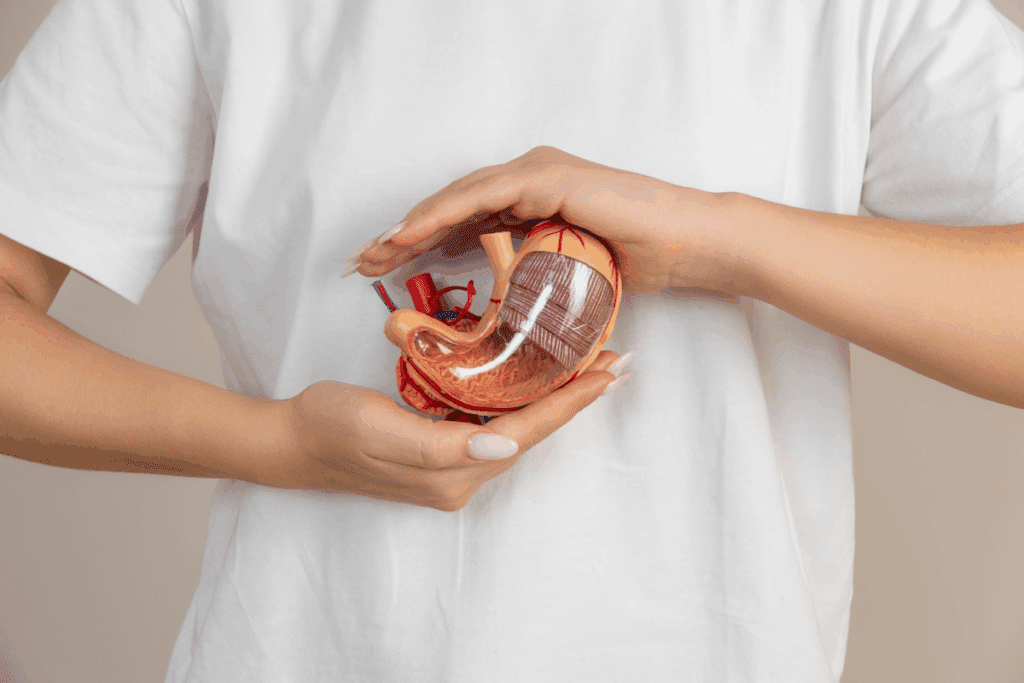
Choosing between gastric bypass and gastric sleeve surgery is a big decision. You need to know the benefits and differences of each.
At Liv Hospital, we offer trusted bariatric care. We help you choose the right procedure for your needs.
Gastric bypass makes a small stomach pouch and changes the small bowel. This means you absorb fewer calories. Gastric sleeve, on the other hand, removes about 80 percent of the stomach. This reduces ghrelin, a hormone that makes you hungry.
Key Takeaways
- Understand the mechanisms and benefits of gastric bypass and gastric sleeve surgery.
- Learn about the differences in weight loss outcomes and recovery times.
- Discover the nutritional considerations for each procedure.
- Find out how Liv Hospital’s expertise can support your decision.
- Get insights into the risks associated with each surgical option.
Understanding Bariatric Surgery Options

Obesity rates are rising fast, making bariatric surgery a key treatment for many. This shift shows how surgery is becoming a major part of obesity treatment.
The Growing Popularity of Weight Loss Surgery
Bariatric surgery, like gastric sleeve and bypass, is getting more popular. More people are choosing these surgeries because they work well for weight loss. This is because obesity rates are up, and these surgeries help manage health risks.
- Increased obesity prevalence
- Advancements in surgical techniques
- Growing awareness of bariatric surgery benefits
The Need for Surgical Intervention in Obesity Treatment
Obesity is a tough condition that needs a variety of treatments. Surgery is needed when other methods don’t work. Bariatric surgery helps by making the stomach smaller, which limits how much food you can eat.
The two main bariatric surgeries are:
- Gastric Bypass Surgery
- Gastric Sleeve Surgery
Overview of Available Procedures
It’s important to know the differences between gastric sleeve and bypass surgeries. Each has its own benefits and risks.
Gastric bypass surgery makes a small stomach pouch and changes the intestines’ path. Gastric sleeve surgery removes a big part of the stomach, leaving a banana-shaped stomach.
Choosing between bypass and sleeve surgery depends on many things. It’s key to talk to a doctor to find the best choice for you.
What is Gastric Bypass Surgery?
[Add image here]
The Roux-en-Y gastric bypass is a key surgery for weight loss. It changes the digestive system to help people with obesity lose a lot of weight.
The Roux-en-Y Procedure Explained
Gastric bypass surgery, or Roux-en-Y, makes a small stomach pouch and changes the intestine’s path. It’s done under general anesthesia and takes a few hours.
The stomach is split into two parts: a small upper pouch and a larger lower section. The small intestine is then cut and joined to the new stomach pouch, forming a “Y” shape. This limits food intake and changes how food moves through the body.
How Gastric Bypass Creates a Small Stomach Pouch
Making a small stomach pouch is key in gastric bypass surgery. It limits how much food you can eat at once, leading to less calorie intake.
This smaller pouch is made by stapling or dividing the stomach. The upper pouch, now connected to the small intestine, is the new stomach. It has much less capacity than before.
The Intestinal Rerouting Process
The intestinal rerouting, or Roux-en-Y, rearranges the small intestine to bypass a big part of it. This reduces calorie absorption and changes hunger and fullness signals.
Aspect | Description | Effect |
Stomach Pouch Creation | Reducing stomach size through stapling or division | Less food consumption, earlier satiety |
Intestinal Rerouting | Bypassing a portion of the small intestine | Reduced calorie absorption |
Hormonal Changes | Altering signals related to hunger and satiety | Reduced hunger, improved metabolic control |
Understanding gastric bypass surgery’s key parts helps see its complexity and benefits for weight loss.
What is Gastric Sleeve Surgery?
Gastric sleeve surgery is a less invasive option compared to gastric bypass. It’s a procedure that removes a big part of the stomach. This makes it easier to lose weight.
The Sleeve Gastrectomy Procedure Explained
The surgery is done laparoscopically, with small cuts in the belly. A big part of the stomach is taken out. What’s left is a narrow, banana-shaped stomach pouch.
Key Steps in the Procedure:
- Laparoscopic incisions are made to access the stomach.
- A significant portion of the stomach is surgically removed.
- The remaining stomach is stapled to create a banana-shaped pouch.
Creating the Banana-Shaped Stomach
The main goal of gastric sleeve surgery is to make the stomach smaller. This limits how much food you can eat. It also reduces ghrelin, a hormone that makes you hungry, helping you lose weight.
Removal of 80% of the Stomach
About 80% of the stomach is removed. This makes the stomach much smaller. It leads to less hunger and more feelings of fullness, making it easier to lose weight.
Comparison of Stomach Size Before and After Surgery:
Characteristics | Before Surgery | After Surgery |
Stomach Size | Normal size, capable of holding a significant amount of food. | Significantly reduced, banana-shaped pouch. |
Ghrelin Production | Normal production, potentially stimulating appetite. | Reduced production, leading to decreased hunger. |
Food Intake | Unrestricted, potentially leading to overeating. | Restricted due to the smaller stomach size. |
Bypass vs Sleeve Surgery: Mechanism of Action
To understand how bariatric surgery works, we need to look at gastric bypass and sleeve procedures. Both are popular for weight loss, but they change the body in different ways.
How Bypass Reduces Calorie Absorption
Gastric bypass surgery, like the Roux-en-Y, makes a small stomach pouch. It also reroutes the small intestine. This means the body absorbs fewer calories, leading to weight loss.
The malabsorptive effect of gastric bypass is key. It reduces the intestine’s length for nutrient absorption. This makes it harder for the body to absorb calories, helping with weight loss.
How Sleeve Reduces Ghrelin Production
Gastric sleeve surgery removes a big part of the stomach, leaving a narrow “sleeve.” This reduces ghrelin, a hormone that makes us hungry. With less ghrelin, we eat less, helping with weight loss.
The drop in ghrelin is a hormonal effect that aids in weight loss. It helps control hunger and makes sticking to a diet easier.
Hormonal vs Malabsorptive Effects
Gastric bypass mainly works by reducing calorie absorption. Gastric sleeve surgery, on the other hand, mainly changes hormones. Knowing how each works helps patients choose the right surgery.
- Gastric bypass: Primarily malabsorptive, with some hormonal effects.
- Gastric sleeve: Primarily hormonal, with some effect on food intake due to the reduced stomach size.
Both surgeries have their own benefits and risks. Choosing between them depends on personal health needs and weight loss goals. Always talk to a healthcare professional before making a decision.
Weight Loss Outcomes Compared
When it comes to weight loss, gastric bypass and gastric sleeve surgery are both effective. But, how much weight you lose and how fast can differ. It’s important to consider these differences when choosing a surgery.
Gastric Bypass: 50-80% Excess Weight Loss
Gastric bypass surgery is known for its impressive weight loss results. People usually lose 50 to 80 percent of their extra weight in 12 to 18 months after surgery.
Gastric Sleeve: 60-70% Excess Weight Loss
Gastric sleeve surgery also leads to significant weight loss. Patients typically lose 60 to 70 percent of their extra weight in the same 12 to 18-month period.
To understand the weight loss differences, let’s look at the data:
Surgery Type | % Excess Weight Loss | Timeline |
Gastric Bypass | 50-80% | 12-18 months |
Gastric Sleeve | 60-70% | 12-18 months |
Timeline for Expected Results
The time it takes to see weight loss results is similar for both surgeries. Most people see big changes in the first year and a half.
Keep in mind, results can vary. Factors like starting weight, health, and following diet advice after surgery play a role.
Recovery and Post-Operative Experience
The recovery and post-operative experience can differ a lot between gastric bypass and gastric sleeve procedures. It’s important for patients to know these differences to prepare for their journey.
2-3 Week Recovery for Gastric Sleeve
Gastric sleeve surgery usually needs a 2-3 week recovery period. During this time, patients should follow a specific diet and slowly start moving more. Most can get back to normal activities in a few weeks.
4-6 Week Recovery for Gastric Bypass
Gastric bypass surgery, on the other hand, takes longer to recover from, usually 4-6 weeks. This is because the surgery is more complex, involving both stomach resizing and intestinal rerouting.
Hospital Stay Duration
The time spent in the hospital varies, but most patients go home 1-4 days after surgery. The exact time depends on the patient’s health and any complications after surgery.
Return to Normal Activities
Getting back to normal activities is key. Gastric sleeve patients usually take 2-3 weeks, while gastric bypass patients may need 4-6 weeks or more.
It’s vital for patients to follow their surgeon’s instructions closely during recovery. This helps avoid complications and ensures a smooth recovery.
- Gastric Sleeve: 2-3 week recovery, 1-3 days hospital stay
- Gastric Bypass: 4-6 week recovery, 2-4 days hospital stay
Understanding the recovery and post-operative experience for both gastric bypass and gastric sleeve surgeries helps patients make better choices for their weight loss journey.
Nutritional Considerations After Surgery
Nutrition is key for patients after gastric bypass or sleeve surgery. A good diet helps avoid nutritional gaps, aids in weight loss, and keeps health in check.
Vitamin and Mineral Supplementation
Patients after gastric bypass face a risk of vitamin and mineral shortages. This is because the surgery limits nutrient absorption. So, they need to take vitamins and minerals for life. These include multivitamins, calcium, vitamin D, and vitamin B12.
Supplement | Recommended Daily Intake |
Multivitamin | 1 tablet daily |
Calcium | 1200-1500 mg daily |
Vitamin D | 2000-3000 IU daily |
Vitamin B12 | 500-1000 mcg daily |
Protein Requirements
Protein is vital for muscle health and overall well-being during weight loss. Aim for 60-80 grams of protein daily. You can get this from protein-rich foods and supplements.
Managing Dumping Syndrome with Bypass
Dumping syndrome can happen after gastric bypass surgery. It causes nausea, vomiting, and diarrhea. To prevent it, avoid sugary foods and drinks. Eat smaller meals and keep liquids separate from solids.
Long-Term Dietary Changes
Both gastric bypass and sleeve surgery need long-term diet changes. You should eat a balanced diet full of nutrients but low in calories, sugars, and unhealthy fats. Regular check-ups with a healthcare provider or dietitian are important to stay on track.
Following these nutritional guidelines can help patients achieve better weight loss and improve their health and well-being.
Health Benefits Beyond Weight Loss
Gastric bypass and gastric sleeve surgeries do more than help with weight loss. They also improve many health conditions related to obesity. This makes life better for those who get these surgeries.
Impact on Type 2 Diabetes
These surgeries can help type 2 diabetes a lot. Many patients see their diabetes go into remission. This is because of changes in gut hormones, weight loss, and better insulin use.
Effects on Cardiovascular Health
These surgeries also make heart health better. Losing weight lowers blood pressure, triglycerides, and bad cholesterol. This reduces the risk of heart disease.
Resolution of Sleep Apnea
Sleep apnea gets better or goes away after these surgeries. Weight loss reduces throat fat and improves lung function. This means less sleep apnea.
Improvements in Joint Pain and Mobility
Weight loss from these surgeries helps joints a lot. It reduces pain and improves how well you can move. This is because less weight means less stress on joints like knees and hips.
Potential Risks and Complications
It’s important to know the risks of gastric bypass and gastric sleeve surgery. Both can help with weight loss but have their own risks.
We’ll talk about the risks right after surgery and the long-term problems. This will help you choose what’s best for your health.
Short-Term Surgical Risks
Right after surgery, you might face:
- Bleeding and hemorrhage
- Infection
- Adverse reactions to anesthesia
- Blood clots
- Leaks in the stomach or intestine
These risks can be managed with good surgery and care after. But, it’s key to follow your surgeon’s advice to avoid them.
Long-Term Complications of Gastric Bypass
Gastric bypass surgery can cause long-term problems, like:
- Nutritional deficiencies: Because the surgery affects how your body absorbs nutrients.
- Dumping syndrome: When food moves too fast from your stomach to your small intestine.
- Internal hernias: A serious issue that can happen years later.
- Gallstones: You might be at higher risk because of the quick weight loss.
Long-Term Complications of Gastric Sleeve
Gastric sleeve surgery also has long-term issues, such as:
- Nutritional deficiencies: Though less common, they can happen.
- Leakage: A rare but serious problem where the staple line leaks.
- Stricture: When the stomach sleeve gets narrower, causing blockages.
- Gastroesophageal reflux disease (GERD): Some people might see their GERD symptoms get worse or start.
Both surgeries need a lifelong commitment to diet and vitamins to avoid these problems. Regular check-ups with your doctor are essential.
Conclusion: Making Your Decision
Choosing between gastric bypass and gastric sleeve surgery depends on your needs and goals. We’ve looked at the main differences between these two options. This includes how they work, weight loss results, recovery times, and possible risks.
Both surgeries have their good and bad sides. Gastric bypass might lead to more weight loss and health improvements. But, it also has a higher risk of problems. Gastric sleeve surgery is less invasive and has a quicker recovery. Yet, it might not work as well for everyone.
The right choice between gastric bypass or sleeve gastrectomy varies by person. It’s best to talk to a healthcare expert to decide. Knowing the differences helps you make a smart choice. This way, you can start working towards your weight loss goals.
FAQ
What is the main difference between gastric bypass and gastric sleeve surgery?
Gastric bypass surgery makes a small stomach pouch and changes the intestines’ path. Gastric sleeve surgery removes a big part of the stomach, leaving a narrow stomach.
Which surgery is more effective for weight loss: gastric bypass or gastric sleeve?
Both surgeries help with weight loss. But, gastric bypass surgery often leads to more weight loss. Patients lose 50-80% of excess weight, while gastric sleeve surgery results in 60-70% loss.
How do gastric bypass and gastric sleeve surgery affect nutrient absorption?
Gastric bypass surgery can cause malabsorption of nutrients because it changes the intestines’ path. Gastric sleeve surgery doesn’t affect nutrient absorption as much, as it mainly removes stomach parts.
What are the risks and complications associated with gastric bypass and gastric sleeve surgery?
Both surgeries have risks like bleeding and infection. They also have long-term complications. Gastric bypass can lead to nutrient deficiencies, while gastric sleeve might cause stomach problems.
How long does it take to recover from gastric bypass and gastric sleeve surgery?
Recovery times vary. Patients usually take 4-6 weeks to recover from gastric bypass. Gastric sleeve surgery recovery is typically 2-3 weeks.
What are the dietary changes required after gastric bypass and gastric sleeve surgery?
After surgery, patients need to eat smaller, more frequent meals. They should avoid certain foods and make sure to get enough protein. Vitamin and mineral supplements are often needed, more so after gastric bypass.
Can gastric bypass or gastric sleeve surgery improve or resolve related health conditions?
Yes, both surgeries can improve or solve health issues. These include type 2 diabetes, heart disease, sleep apnea, and joint pain.
How do I choose between gastric bypass and gastric sleeve surgery?
Choosing between the two depends on your health, obesity level, and personal preferences. It’s important to talk to a healthcare professional to find the best option for you.
What is the difference between gastric sleeve gastrectomy and gastric bypass in terms of hormonal effects?
Gastric sleeve surgery reduces ghrelin, which lowers appetite. Gastric bypass surgery affects hormones and nutrient absorption in different ways.
Are there any differences in the hospital stay duration for gastric bypass and gastric sleeve surgery?
Hospital stay times vary. But, patients usually stay 1-3 days after either surgery.
Can I undergo gastric bypass or gastric sleeve surgery if I have previous abdominal surgery?
Previous abdominal surgery is considered, but it’s not always a no-go. Your surgeon will look at your situation and decide the best approach.
References
National Center for Biotechnology Information. Evidence-Based Medical Guidance. Retrieved from https://pubmed.ncbi.nlm.nih.gov/38289603/