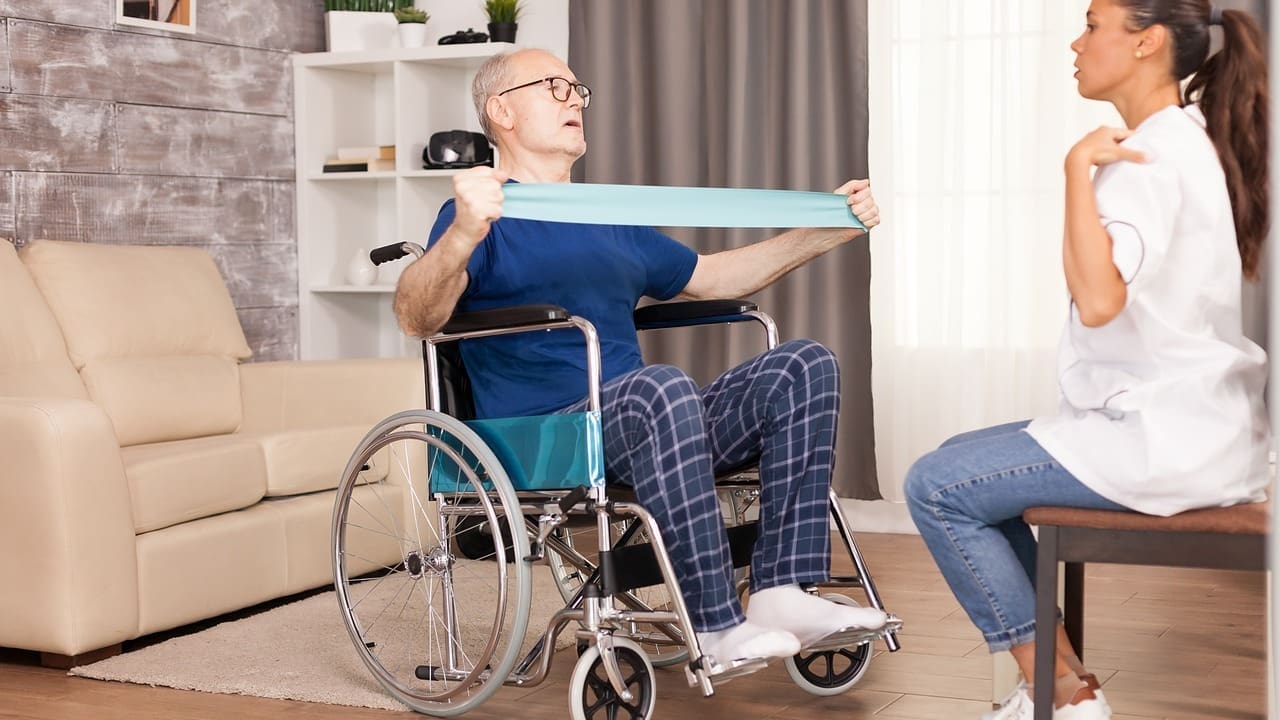
A C5 spinal cord injury can change a person’s life and affect their loved ones too. It can be hard to understand the details of such an injury.
Spinal cord injuries at the fifth cervical vertebra, known as quadriplegia, can cause different levels of loss of motor and sensory functions. About 55 percent of spinal cord injuries happen at cervical levels, including C5.
At Liv Hospital, we offer care based on the latest research and rehabilitation programs. Each patient gets a plan that fits their needs. Knowing about C5 SCI is key for recovery and adjusting to life after the injury.
Key Takeaways
- Understanding C5 SCI is vital for patients and their families.
- C5 spinal cord injuries result in significant motor and sensory deficits.
- Rehabilitation plays a critical role in recovery and adaptation.
- Evidence-based care is essential for the best results.
- Liv Hospital provides complete care for C5 SCI patients.
What Is a C5 SCI? Definition and Anatomy
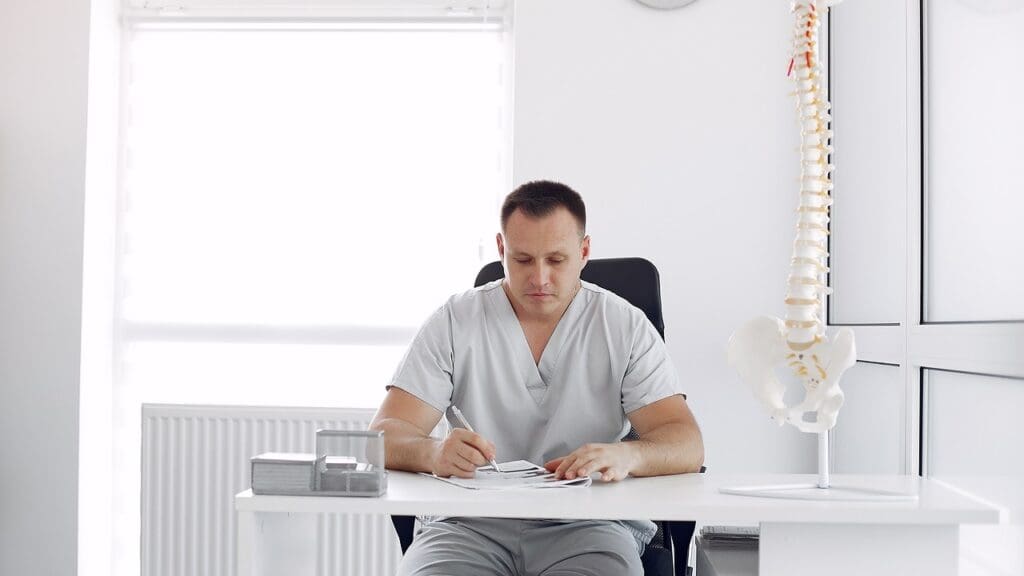
Knowing about C5 SCI is key for doctors and patients. A C5 spinal cord injury happens at the fifth cervical level in the neck.
The spinal cord is vital for movement, feeling, and controlling the body. It’s part of the neck and upper back.
The C5 Vertebra and Its Role in the Spinal Column
The C5 vertebra is the fifth in the neck. It helps the neck move and protects the spinal cord. The C5 vertebra is important because it connects the upper and lower neck.
The C5 vertebra has parts like a body and processes. These parts help the neck move and stay stable.
How C5 Injuries Affect the Nervous System
C5 injuries can harm the nervous system. Damage to the spinal cord at C5 can cause motor and sensory problems.
“The level of injury on the spinal cord determines the extent of the damage to the body. A C5 injury can affect the arms, hands, and potentially the legs, depending on the severity and completeness of the injury.”
The C5 segment controls elbow movement and some shoulder actions. The injury’s severity affects how much it impacts these functions.
Differentiating C5 SCI from Other Cervical Injuries
C5 SCI is unique because of the damage level and the impact on function. Knowing the differences helps doctors diagnose and plan treatment.
| Level of Injury | Motor Function Affected | Sensory Function Affected |
|---|---|---|
| C4 | Diaphragmatic breathing, some shoulder movement | Sensation in neck and parts of shoulders |
| C5 | Elbow flexion, some shoulder movement | Sensation in parts of arms |
| C6 | Wrist extension, elbow flexion | Sensation in thumbs and parts of hands |
Understanding C5 SCI helps doctors create better recovery plans. This improves the patient’s life quality.
Epidemiology: How Common Are C5 Spinal Cord Injuries?
We look into the frequency and who gets C5 spinal cord injuries. These injuries are a big health issue. Knowing about them helps us prevent and treat them better.
Incidence Rates and Demographics
Every year, about 18,000 people in the U.S. get spinal cord injuries. Cervical injuries, like C5, make up a big part of these cases. Most SCI cases happen to men, with a 3:1 to 4:1 male-to-female ratio.
The average age of those injured is now 43. This age has been going up over time. Young adults and older adults are often hurt in accidents or falls.
Leading Causes of C5 Injuries
C5 spinal cord injuries usually come from accidents. The main reasons are:
- Motor vehicle accidents
- Falls
- Violence, including gunshot wounds
- Sports and recreation injuries
Who gets hurt depends on their age and where they live. Young people often get hurt in car crashes or sports. Older adults are more likely to fall.
Risk Factors and Prevention Strategies
Several things increase the chance of getting a C5 spinal cord injury. These include:
- Doing risky activities without safety gear
- Having spinal problems or osteoporosis
- Using alcohol or drugs
Stopping C5 SCI is key. We can do this by:
- Teaching safe driving and car safety
- Helping older adults avoid falls
- Making sports safer
- Telling people about SCI risks and how to avoid them
By knowing more about C5 SCI, we can make better plans to stop them. This helps those who are hurt get better care.
Complete vs. Incomplete C5 Spinal Cord Injury: Key Differences
C5 spinal cord injuries can be either complete or incomplete. Each type affects recovery and rehabilitation differently. The damage’s extent greatly influences a patient’s life and their chances for recovery.
Understanding Complete C5 Spinal Cord Injuries
A complete C5 spinal cord injury means no function below the injury. This leads to paralysis or weakness in arms and legs. The complete loss of motor and sensory function below the injury level is a key feature.
Characteristics of Incomplete C5 Spinal Cord Injuries
An incomplete C5 spinal cord injury means some function is preserved below the injury. The amount of function saved varies. Some people keep most of their motor skills, while others have less.
The preservation of some sensory or motor function below the injury is a key sign of incomplete injuries.
ASIA Classification System for SCI Severity
The American Spinal Injury Association (ASIA) has a system to rate SCI severity. It ranges from ASIA A (no function) to ASIA E (normal function). Knowing the ASIA classification is vital for predicting recovery and planning rehabilitation for C5 SCI patients.
Physical Impact of C5 SCI: What Functions Are Affected?
A C5 spinal cord injury has a big impact on a person’s life. It affects how they move and their overall well-being. Understanding the injury level is key to seeing how it changes the body’s abilities.
Motor Function: Movements Retained and Lost
A C5 injury changes how people move. Those with C5 quadriplegia might keep some shoulder and elbow control. But, they often lose control over their hands and trunk. This mix of lost and kept functions needs careful care and rehab.
The injury level at C5 impacts nerve roots and spinal cord segments below it. This affects how people move on their own. How much function is lost varies, based on the injury’s completeness.
C5 Quadriplegia: Expected Functional Capabilities
Despite the challenges, people with C5 quadriplegia can live independently with the right help. They can control their wheelchairs, use daily living aids, and communicate well.
We help patients reach their full abilities. We focus on:
- Strengthening muscles
- Improving movement range
- Using assistive technology
- Learning daily living strategies
Secondary Complications and Health Concerns
People with C5 SCI face risks like breathing problems, pressure sores, and heart issues. It’s important to watch for and manage these health concerns. This keeps them healthy and prevents long-term damage.
| Secondary Complication | Description | Prevention/Management Strategies |
|---|---|---|
| Respiratory Issues | Difficulty breathing due to weakened diaphragm and accessory muscles | Ventilator support, breathing exercises, regular lung function monitoring |
| Pressure Sores | Skin ulcers caused by prolonged pressure on specific areas | Regular repositioning, pressure-relieving cushions, skin inspections |
| Cardiovascular Problems | Orthostatic hypotension, deep vein thrombosis, and other circulatory issues | Compression stockings, adequate hydration, regular cardiovascular monitoring |
Dealing with C5 SCI requires a full care plan. By focusing on physical impact, function, and secondary issues, we can greatly improve life quality for those with C5 quadriplegia.
“The key to managing C5 SCI lies in a multidisciplinary approach that combines medical care, rehabilitation, and adaptive technologies to maximize independence and quality of life.”
Acute Medical Management of C5 Spinal Injuries
Quick and right care can really help people with C5 spinal cord injuries. It can stop more harm, handle problems, and make recovery better.
Emergency Response and Initial Treatment
First aid for C5 spinal cord injuries starts at the accident site. Emergency teams must keep the spine steady to avoid more damage. At the hospital, a team checks the injury with scans and tests.
Key parts of emergency care are:
- Quick check and keeping the patient stable
- Keeping the spine steady
- Helping with heart and breathing
- Fast trip to a trauma center
An expert says, “The first steps in treating spinal cord injuries are key for the best recovery.” This shows how vital a good emergency plan is.
Surgical Interventions: Timing and Approaches
Often, surgery is needed to help C5 spinal cord injuries. It helps by freeing the spinal cord, making the spine stable, and fixing damage. The surgery’s timing and type depend on the injury’s severity, other injuries, and the patient’s health.
Surgery aims to:
- Free the spinal cord
- Make the spine stable
- Get the spine back in line
A study found, “Surgery early on can lead to better results for spinal cord injury patients.” This shows the need for quick surgery decisions.
Medication Protocols and Neuroprotective Strategies
Medicine is also key in treating C5 spinal cord injuries. It helps with pain, swelling, and preventing problems.
Neuroprotective methods are being looked into to lessen spinal cord damage. These might include special drugs to fight swelling and help cells stay alive.
As research grows, we’ll see new ways to protect the spinal cord in injuries.
Rehabilitation Journey After a C5 Spinal Cord Injury
After a C5 spinal cord injury, a good rehabilitation plan is key. It helps people with C5 SCI reach their best function. This plan is vital for adapting to the injury.
Inpatient Rehabilitation: Goals and Approaches
Inpatient rehab is a big step in recovery for C5 SCI patients. The main goals are:
- Maximizing independence in daily living activities
- Improving mobility and strength
- Managing medical complications
- Enhancing overall quality of life
A team of experts creates a custom rehab plan. This team includes physical therapists, occupational therapists, nurses, and doctors. They focus on what each person needs and wants.
Physical Therapy Techniques for C5 Quadriplegics
Physical therapy is key for C5 SCI patients. Therapists use many methods to help patients get stronger and move better. Some methods include:
- Range of motion exercises to maintain flexibility
- Strengthening exercises for innervated muscles
- Functional electrical stimulation to improve muscle function
- Transfer training to enhance mobility
These methods are adjusted based on the patient’s injury and abilities. The goal is to help them be as independent and mobile as possible.
Occupational Therapy and Activities of Daily Living
Occupational therapy is vital for C5 SCI patients. It helps them learn skills for daily life. Therapists work on:
- Improving hand function and dexterity
- Developing strategies for dressing, grooming, and feeding
- Adapting environments to enhance accessibility
- Using assistive technology to facilitate independence
This focus helps C5 SCI patients do daily tasks and stay independent.
Recovery from C5 Spinal Cord Injury: Expectations and Timeline
Understanding the recovery process after a C5 spinal cord injury is key. The recovery varies a lot between those with incomplete and complete injuries.
Recovery for Incomplete C5 Injuries
Incomplete C5 injuries have a better chance of recovery. This is because some nerve paths are not damaged. The recovery depends on the injury’s severity, early medical care, and how intense the rehab is.
- Starting physical therapy early can greatly help.
- Robotic-assisted therapy can improve motor skills.
- New research on protecting nerves could lead to better recovery.
Realistic Outcomes for Complete C5 Spinal Cord Injuries
Complete C5 injuries are harder to recover from. While some progress is possible, the recovery is usually limited. Rehab aims to increase independence and improve life quality. We create care plans tailored to each patient’s needs.
Neuroplasticity and Emerging Treatment Approaches
Neuroplasticity is vital for C5 SCI recovery. New treatments like stem cell therapy and advanced rehab are being tested. These aim to help the brain heal and improve function.
- Stem cell therapy might repair spinal cord damage.
- Electrical stimulation can help regain motor skills.
- There are ongoing trials for new SCI treatments.
We’re committed to keeping our patients up-to-date with the latest treatments. This ensures they get the best care for their recovery.
Adaptive Technologies and Equipment for C5 Quadriplegics
People with C5 spinal cord injuries face big challenges every day. But, thanks to new technologies, their lives have gotten much better. These tools help them be more independent, interact better with their world, and enjoy more activities.
Mobility Solutions
Moving around is key for those with C5 SCI. New wheelchairs and transfer tools have made it easier for them to do daily tasks. Some important mobility aids include:
- Power wheelchairs with advanced controls, like sip-and-puff or joystick
- Transfer gear like slide boards and lifts for safe moving
- Standing frames and wheelchairs for standing and better blood flow
These tools not only help them move but also improve their health and happiness.
Environmental Control Systems
Environmental control systems (ECS) let C5 quadriplegics control their space. They can use voice, eyes, or sip-and-puff to manage things. ECS can handle many devices, like:
- Lighting and temperature settings
- Entertainment, like TVs and music
- Communication tools, such as phones and intercoms
- Medical gear, like ventilators and monitors
With ECS, they can live more comfortably and independently.
Computer Access and Communication Technologies
Computers and communication tools are essential for C5 quadriplegics. They help them stay connected, work, and have fun. Thanks to technology, they can use computers and devices in new ways, like:
- Eye-tracking systems for cursor control
- Special keyboards and mouse substitutes, like mouth-operated joysticks
- Voice recognition software for voice commands
These technologies open doors to education, jobs, and social life for them.
As tech keeps getting better, we’ll see even more ways to help C5 quadriplegics. By using these advancements, we can make the world more welcoming and supportive. This way, we can help them live with more independence, dignity, and joy.
Financial Reality: The Cost of Living with a C5 SCI
Understanding the financial reality of a C5 spinal cord injury is key for patients and their families. It helps them deal with the care and recovery process. The injury’s economic impact is huge, touching many parts of a person’s life.
Insurance Coverage and Financial Assistance Programs
Finding the right insurance and financial help is vital for managing a C5 SCI’s costs. There are many programs to help, like government benefits, non-profit aid, and private insurance.
Key Programs and Benefits:
- Medicare and Medicaid
- Social Security Disability Insurance (SSDI)
- Veterans Administration Benefits (for eligible veterans)
- Non-profit organization grants (e.g., Christopher & Dana Reeve Foundation)
Employment Options and Vocational Rehabilitation
Many people with a C5 SCI can find work or start new careers with the right support. Vocational rehab programs are key in helping them reach their job goals.
Support Organizations and Community Resources
Support groups and community resources are essential for those with C5 SCI and their families. They offer counseling, advocacy, and educational programs.
Examples of Support Organizations:
- Spinal Cord Injury Association
- Paralyzed Veterans of America
- Christopher & Dana Reeve Foundation
Conclusion: Embracing Life After a C5 Spinal Cord Injury
A C5 Spinal Cord Injury brings big challenges, but with new medical care and rehab, people can live well. We’ve looked at what a C5 SCI is, its effects, and how to manage it. We’ve also talked about the journey of recovery and adapting to life with this injury.
Recovery and adapting are vital after a C5 SCI. The amount of recovery depends on the injury’s severity. But, new treatments and tech offer hope for gaining back independence and joining in community life.
In conclusion, getting the right care and support is key for those with C5 SCI. Knowing about this condition and the help out there helps us support them. This way, they can face the challenges and seize the opportunities of life after a C5 Spinal Cord Injury.
FAQ
What is a C5 spinal cord injury?
A C5 spinal cord injury happens at the fifth cervical vertebra in the neck. It affects the spinal cord. This can lead to quadriplegia or a big loss of motor function.
What are the effects of a complete C5 spinal cord injury?
A complete C5 spinal cord injury causes a big loss of motor function below the injury. This includes paralysis of the arms and legs. But, some people might keep some shoulder and elbow movement.
How does a C5 SCI differ from other cervical spinal cord injuries?
C5 SCI is different from other cervical injuries because of the injury level and the functional impairments. For example, injuries at higher levels (C1-C4) may cause more extensive paralysis. Injuries at lower levels (C6-C8) may allow for more arm function.
What are the most common causes of C5 spinal cord injuries?
The most common causes of C5 spinal cord injuries are motor vehicle accidents, falls, sports injuries, and acts of violence. Young males are more likely to be affected.
What is the role of the ASIA classification system in assessing SCI severity?
The ASIA (American Spinal Injury Association) classification system helps assess SCI severity. It looks at the injury level, motor and sensory function. It classifies the injury as complete or incomplete.
What are the expected functional capabilities for individuals with C5 quadriplegia?
People with C5 quadriplegia might have some shoulder and elbow movement. This allows for some independence in daily activities. But, they often need help with most tasks, like transfers and personal care.
What adaptive technologies are available for individuals with C5 quadriplegia?
Adaptive technologies for C5 quadriplegia include power wheelchairs and environmental control systems. These systems control lighting and temperature. There are also computer access technologies like mouth-operated or eye-tracking devices.
What are the lifetime care expenses associated with C5 quadriplegia?
Lifetime care expenses for C5 quadriplegia are high. They include medical care, rehabilitation, assistive technologies, home modifications, and ongoing support services.
Are there financial assistance programs available for individuals with C5 SCI?
Yes, there are financial assistance programs available. These include government benefits, insurance coverage, and non-profit organizations. They provide support for individuals with spinal cord injuries and their families.
What are the employment options for individuals with C5 quadriplegia?
Employment options for C5 quadriplegia include vocational rehabilitation programs and adaptive work environments. Remote work opportunities are also available. Many individuals successfully return to work in various capacities.
What is the recovery timeline for C5 spinal cord injuries?
The recovery timeline for C5 spinal cord injuries varies. It depends on the injury’s severity. Incomplete injuries may show significant improvement over time. Complete injuries may have more limited recovery.
How does neuroplasticity impact recovery from C5 SCI?
Neuroplasticity, the brain’s ability to adapt and compensate for damaged areas, is key in C5 SCI recovery. Emerging treatments focus on using this ability to promote functional recovery.
Reference:
- https://www.ncbi.nlm.nih.gov/books/NBK560721