
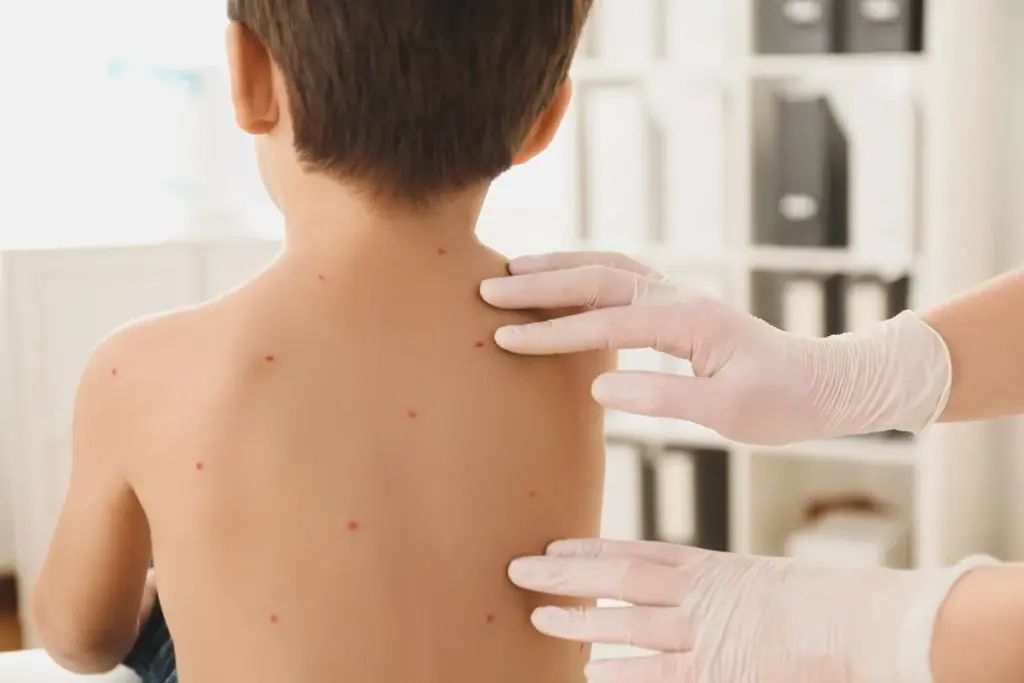
At Liv Hospital, we know parents worry about their kids’ health, like with chickenpox. Yes, 1-year-olds can get chickenpox, caused by the varicella-zoster virus.
Even though the chickenpox vaccine has cut down cases, 1-year-olds are at risk. This is because their immunity from their mom wears off. It’s important to spot chickenpox symptoms early in this age group. This helps stop it from spreading to others who are even more at risk.
Key Takeaways
- 1-year-olds can contract chickenpox despite the decline in cases.
- The varicella-zoster virus causes chickenpox, and it’s highly contagious.
- The vaccine has reduced incidence in all age groups, including 1 through 4 years.
- Waning maternal immunity makes 1-year-olds vulnerable to chickenpox.
- Recognizing symptoms early is essential for timely intervention.
Can 1 Year Olds Get Chickenpox?

Infants’ immune systems are not fully developed, making them more likely to catch infections like chickenpox. Even though babies under 12 months have some protection from maternal immunity, this protection fades over time.
Waning Maternal Immunity in Infants
Maternal immunity is key in protecting babies from infections early on. But as they grow, this protection weakens. By the time they are 6 to 12 months old, they lose the antibodies from their mothers, making them more vulnerable to chickenpox. According to Healthline, this is when they start to lose the protection from their mother’s antibodies.
Impact of the Chickenpox Vaccine in 1995
The chickenpox vaccine, introduced in 1995, has greatly reduced the number of cases. “The vaccine has led to a 97% reduction in chickenpox infections,” showing its success in fighting the disease. Vaccinating children helps lower the risk of chickenpox for 1-year-olds, making our communities safer for everyone.
Vaccination is key in preventing chickenpox in young children. As the protection from maternal immunity fades, vaccines become a vital defense against the varicella-zoster virus.
Recognizing Chickenpox Symptoms in Toddlers

It’s important to know the signs of chickenpox in toddlers to help them feel better quickly. We should watch for early signs and the rash that chickenpox causes.
Early Warning Signs: Fever and Irritability
Fever and irritability are the first signs of chickenpox in 1-year-olds. These symptoms can start 1-2 days before the rash. It’s key to keep an eye on your child’s temperature and mood.
Some toddlers might lose their appetite or become more clingy. We should comfort and reassure them during this time.
Identifying the Characteristic Rash
The characteristic rash of chickenpox looks like red bumps that turn into blisters, crust over, and scab. This rash can itch and bother our child. The rash’s look can change based on the child’s skin tone.
| Stage | Description |
| Red Bumps | The rash starts as red bumps, which can pop up anywhere on the body. |
| Blisters | The red bumps then turn into fluid-filled blisters. |
| Crusting Over | The blisters crust over as they start to heal. |
| Scabbing | The final stage is when scabs form, which eventually fall off. |
Managing Chicken Pox in 1 Year Olds
Understanding when to seek medical help is key to managing chickenpox in 1-year-olds. Knowing how to care for them at home is also important. Chickenpox can be tough to handle, but with the right advice, parents can help their child get better.
When to Contact Your Pediatrician
If your child has a high fever that lasts more than a few days, seek medical help. Also, watch for signs of dehydration. Severe symptoms include trouble breathing, severe headache, or confusion.
“If you’re ever in doubt about your child’s condition, it’s always best to err on the side of caution and consult with your pediatrician,” advises Medical Expert, a pediatric expert.
Home Care and Comfort Measures
To keep your child comfortable, use lukewarm baths and apply calamine lotion to soothe itchy spots. Short fingernails can prevent scratching and reduce infection risk. Dress your child in loose, breathable clothes to avoid irritation.
Potential Complications to Watch For
While rare, complications from chickenpox can happen. Look for signs of infection like increased redness, swelling, or pus around the rash. Other complications include pneumonia or encephalitis. If you notice unusual symptoms, seek medical attention right away.
Conclusion: Prevention and Protection Strategies
Keeping your child safe from chickenpox starts with knowing about the chickenpox vaccine. Introduced in 1995, it has greatly lowered the number of cases and serious problems. Make sure your child gets vaccinated on schedule to keep them safe.
The vaccine works well to prevent chickenpox and is advised for all kids who haven’t had it. Vaccinating your child not only keeps them safe but also helps protect others in the community.
Preventing chickenpox is about more than just vaccines. Good hygiene is also key. Talk to your pediatrician to find the best way to keep your child safe.
FAQ:
Can 1-year-olds get chickenpox?
Yes, 1-year-olds can get chickenpox. They first get some protection from their mother’s antibodies. But this protection fades over time, making them more likely to catch the virus.
What are the early symptoms of chickenpox in 1-year-olds?
Early signs include fever and feeling irritable. The rash usually shows up soon after these symptoms start.
How does the chickenpox rash appear on different skin tones?
The rash can be hard to see on darker skin, looking like red or purple bumps. On lighter skin, it’s more obvious as red spots. The rash goes through stages, from red bumps to blisters and then crusts over.
How can I care for my 1-year-old with chickenpox at home?
Keep your child cool with baths and use calamine lotion to ease itching. Make sure they drink plenty of water. It’s also important to stop them from scratching to prevent infection.
When should I contact my pediatrician about my 1-year-old’s chickenpox?
Call your pediatrician if your child has a high fever, seems dehydrated, or if the rash gets infected. If you’re worried about your child’s symptoms or health, always talk to your pediatrician.
What are the possible complications of chickenpox in 1-year-olds?
Complications can include skin infections, pneumonia, and rare cases of encephalitis. Watch your child closely and seek medical help if you notice any serious symptoms.
Can a 1-year-old be vaccinated against chickenpox?
Yes, the chickenpox vaccine is given to children around 1 year old. The first dose is between 12 and 15 months. This vaccine helps protect against the virus.
How effective is the chickenpox vaccine in preventing chickenpox in young children?
The vaccine has greatly reduced chickenpox cases in kids. Introduced in 1995, it has led to fewer cases across different ages.
References:
National Center for Biotechnology Information. Evidence-Based Medical Guidance. Retrieved from https://www.ncbi.nlm.nih.gov/pmc/articles/PMC2915434/