

Brain aneurysms are rare, affecting about 1–2% of people. They are dangerous because they can burst and cause serious bleeding in the brain. At Liv Hospital, we offer accurate info and caring support for those with a brain aneurysm.
A brain aneurysm is a bulge in a brain blood vessel. It can burst, leading to severe problems. Knowing if these aneurysms can resolve on their own is very important for patients and their families.
Key Takeaways
- Brain aneurysms affect a small percentage of the population but carry significant risks.
- The primary concern with brain aneurysms is the risk of rupture.
- Understanding the nature and risks of brain aneurysms is critical for patients.
- Liv Hospital provides patient-centered care for those diagnosed with brain aneurysms.
- Accurate diagnosis and treatment planning are key to managing brain aneurysms.
What Is a Brain Aneurysm?
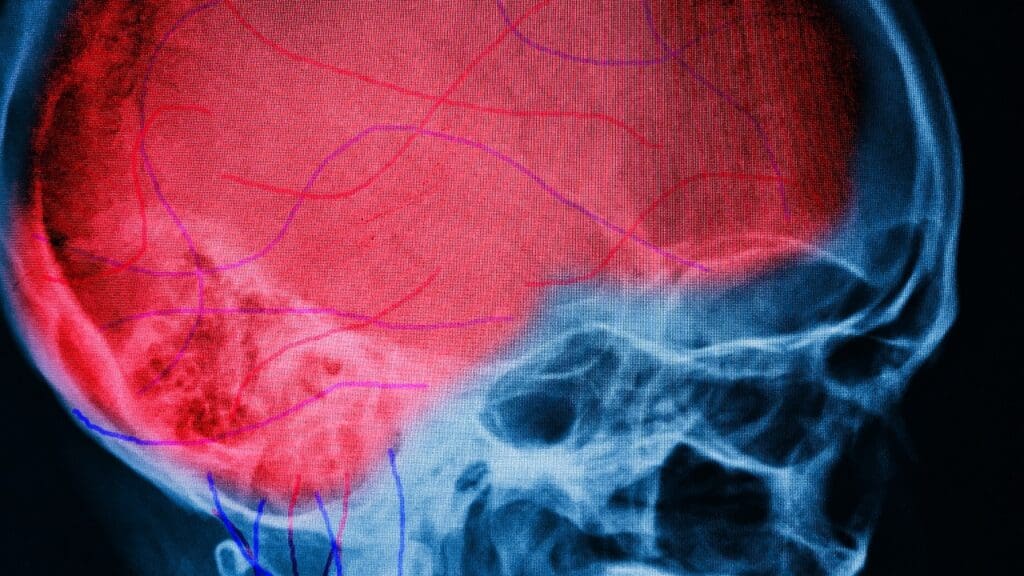
To understand the risks of brain aneurysms, we need to know what they are. A brain aneurysm is a weak spot on a brain artery that balloons with blood. This can lead to serious health problems if it bursts.
Definition and Formation
A brain aneurysm happens when an artery in the brain weakens and bulges. This can be due to genetics, high blood pressure, or atherosclerosis. The growth of an aneurysm is usually slow.
The causes of an aneurysm vary, but often include genetics and environmental factors. Knowing these factors helps in assessing risk and preventing aneurysms.
Types of Brain Aneurysms
Brain aneurysms are classified by their shape, size, and location. The main types are:
| Type | Description |
|---|---|
| Saccular Aneurysms | These are the most common, also called berry aneurysms, found at artery branch points. |
| Fusiform Aneurysms | These involve the whole artery circumference, causing it to widen. |
| Dissecting Aneurysms | These occur when there’s a tear in the artery wall, leading to blood leakage between layers. |
Symptoms and Warning Signs
Most brain aneurysms don’t show symptoms until they burst. But, some unruptured ones can cause symptoms. Common signs include:
- Headaches
- Vision problems
- Neck pain
- Seizures
Seek medical help right away if you have a sudden, severe headache, like ‘the worst headache of my life.’ This could mean a ruptured aneurysm, a medical emergency.
Prevalence and Risk Factors
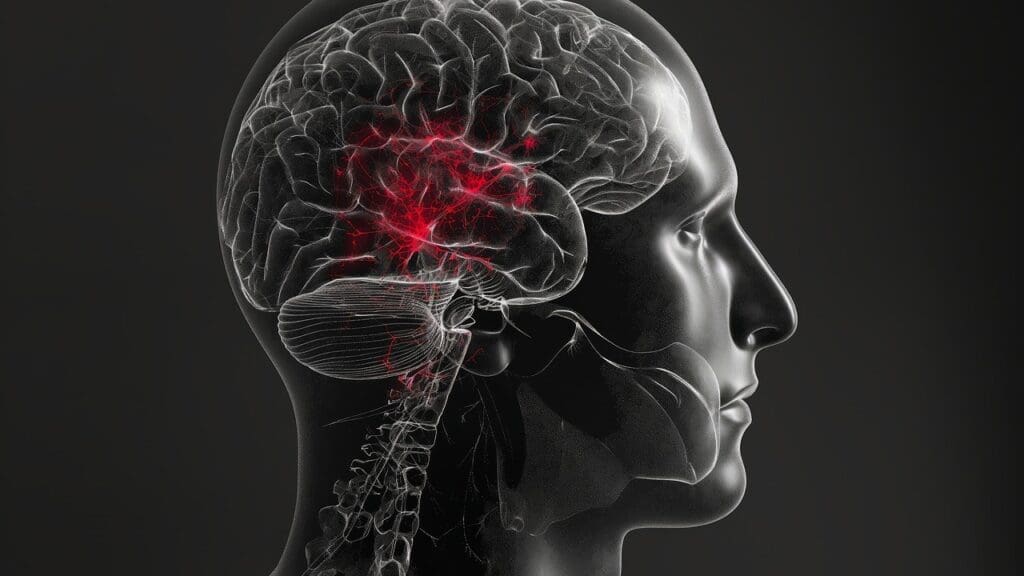
It’s important to know about brain aneurysms to catch them early. These conditions affect about 1–2% of people globally, making them a big health issue.
How Common Are Brain Aneurysms?
Brain aneurysms are more common than you might think. Research shows that 1 in 50 people have an unruptured aneurysm. Knowing this helps us understand the risk better.
Who Is at Risk?
Some groups face a higher risk of getting brain aneurysms. These include:
- People with a family history of aneurysms
- Those with genetic disorders like polycystic kidney disease
- Smokers and those with high blood pressure
- Women over 40
Genetic and Lifestyle Factors
Genetics and lifestyle play big roles in getting brain aneurysms. Genetic predisposition is a big risk factor, with some conditions making it more likely. Lifestyle choices like smoking and hypertension also raise the risk.
Key risk factors include:
- Family history of brain aneurysms
- Genetic disorders like Ehlers-Danlos syndrome
- Lifestyle factors such as smoking and excessive alcohol consumption
- Hypertension and other cardiovascular conditions
Can a Brain Aneurysm Go Away?
It’s important to know if a brain aneurysm can go away on its own. This is something both patients and doctors need to understand. But, in real life, it’s not something that happens often.
Spontaneous Resolution: Rarity and Reality
Spontaneous resolution means an aneurysm goes away without treatment. It’s rare, but it does happen. The reasons behind it are not fully known, but it’s thought to involve complex body processes.
Factors That May Influence Natural Regression
Several things can affect if an aneurysm goes away on its own. These include the size and where the aneurysm is, and the patient’s health. Studies suggest smaller aneurysms might have a better chance of going away naturally. But, we need more research to be sure.
| Factor | Influence on Natural Regression |
|---|---|
| Aneurysm Size | Smaller aneurysms may have a higher likelihood of spontaneous resolution. |
| Aneurysm Location | Location may affect blood flow patterns, potentially influencing regression. |
| Patient Health | Overall health and medical history can impact the likelihood of natural regression. |
Documented Cases and Medical Evidence
There are cases where aneurysms have gone away on their own, as reported in medical studies. For example, a study on PMC talks about such instances. It shows we need more research into why this happens.
The Mechanism of Spontaneous Thrombosis
Understanding how some brain aneurysms might heal on their own is key. Spontaneous thrombosis is when a blood clot forms in an aneurysm. This can block or shrink the aneurysm.
How Natural Clotting Occurs
Clotting in an aneurysm is a complex process. It’s influenced by blood flow, the aneurysm’s size and shape, and medical conditions. “The formation of a thrombus within an aneurysm can be seen as a protective mechanism, potentially preventing rupture,” say medical researchers.
Let’s look at how these factors affect clotting. For example, slow blood flow in big aneurysms helps clotting. But turbulent flow in small ones might stop it.
Anatomical Features That Affect Thrombosis
The shape and size of an aneurysm matter a lot. They affect blood flow and clotting chances.
- Aneurysms with a wider neck have turbulent flow, making clotting less likely.
- Those with a narrower neck have slower flow, helping clotting.
- Giant aneurysms are more likely to clot because of their size and flow changes.
Timeframe for Possible Resolution
The time it takes for an aneurysm to clot can vary a lot. Some may clot in months, while others might take years or never clot.
Spontaneous thrombosis is more common in giant or ruptured aneurysms. Predicting when it will happen is hard. It needs close monitoring and follow-up scans.
“The unpredictable nature of spontaneous thrombosis highlights the need for ongoing surveillance and personalized treatment plans for patients with brain aneurysms.”
Regular check-ups and custom medical plans are vital for managing brain aneurysms well.
Consequences of Ruptured Aneurysms
A ruptured brain aneurysm is a serious medical emergency. It often leads to subarachnoid hemorrhage, which is very dangerous. Quick medical help is key to avoid more harm and better chances of recovery.
Subarachnoid Hemorrhage
Subarachnoid hemorrhage is bleeding around the brain. It starts with a sudden, severe headache, often called “the worst headache of my life.” The severity of the bleeding can vary, but it usually needs close care and monitoring.
Survival Rates and Recovery
Thanks to better medical care, survival rates for ruptured aneurysms have gone up. But, the outcome depends on the initial bleed, the patient’s health, and how fast treatment is given. Joni Mitchell’s case in 2015 shows how a rupture can affect someone’s life and recovery.
Recovering from a ruptured aneurysm is hard and takes a long time. It involves getting back lost functions and dealing with any lasting effects of the hemorrhage.
Long-term Complications
Survivors of ruptured aneurysms may face long-term issues. These include cognitive problems, physical disabilities, and emotional challenges. Comprehensive care and follow-up are vital to manage these issues and improve survivors’ lives.
In summary, ruptured aneurysms have severe and life-changing effects. Knowing the risks and consequences can help in early detection and management. This could prevent such serious outcomes.
Detecting and Monitoring Brain Aneurysms
Medical technology has made it easier to find and watch brain aneurysms. These steps are key to stopping them from bursting and getting help quickly.
Diagnostic Imaging Techniques
Imaging is key in spotting brain aneurysms. Computed Tomography Angiography (CTA) and Magnetic Resonance Angiography (MRA) are top choices. They show the brain’s blood vessels clearly, helping doctors see aneurysms and their details.
New tech, like Brainomix’s 360 e-Lung technology, is making imaging better. It’s mainly for lungs, but it shows how advanced imaging is used in many areas of medicine.
Follow-up Protocols for Unruptured Aneurysms
People with unruptured aneurysms need regular check-ups. How often depends on the aneurysm’s size, where it is, and the person’s health.
| Aneurysm Size | Recommended Follow-up |
|---|---|
| Small (<3mm) | Annual or biennial imaging |
| Medium (3-7mm) | 6-12 month imaging |
| Large (>7mm) | More frequent imaging, potentially every 3-6 months |
Signs of Changes in Aneurysm Status
It’s important to watch for changes in aneurysm size or shape. Also, look out for symptoms like headaches or problems with movement. If you notice anything different, tell your doctor right away.
Knowing about imaging, follow-ups, and signs of changes helps both patients and doctors manage brain aneurysms well.
Treatment Options for Brain Aneurysms
Treatment for brain aneurysms depends on size, location, and health. We’ll look at the different ways to manage them. This ensures patients get the right care for their needs.
Observation and Monitoring Approach
Some patients might just need to be watched and checked often. This is for small, unruptured aneurysms that don’t cause symptoms. We use MRI or CT scans to keep an eye on them.
Key considerations for observation and monitoring include:
- The size and location of the aneurysm
- The patient’s overall health and medical history
- The presence of any symptoms or risk factors for rupture
Surgical Interventions
Surgical clipping is a common and effective treatment. It involves placing a clip around the aneurysm’s neck. This stops blood from flowing into it. We choose this for high-risk or ruptured aneurysms.
Benefits of surgical clipping include:
| Benefit | Description |
|---|---|
| Immediate exclusion of the aneurysm from circulation | Prevents further risk of rupture |
| Reduced risk of rebleeding | Provides long-term protection against hemorrhage |
| Potential for improved outcomes | Especially in cases where the aneurysm is easily accessible |
Endovascular Treatments
Endovascular treatments like coiling and flow diversion are less invasive. They involve using a catheter to reach the aneurysm. There, coils or a flow diverter stop blood flow.
- Less invasive compared to open surgery
- Reduced recovery time
- Potential for treating aneurysms in difficult-to-reach locations
Living with an Unruptured Brain Aneurysm
Living with an unruptured brain aneurysm can be scary and uncertain. It’s normal to worry about the future. Getting this diagnosis can feel overwhelming, and you might wonder how to live with it.
Lifestyle Modifications
Making some lifestyle changes can help manage risks. Focus on staying healthy to avoid complications.
- Dietary Changes: Eat foods rich in fruits, veggies, and whole grains for better vascular health.
- Exercise Regularly: Walking or swimming can boost heart health without stressing the aneurysm too much.
- Avoid Smoking: Quitting smoking is key to lower rupture risk.
- Limit Alcohol Consumption: Drinking less can also reduce rupture risks.
| Lifestyle Modification | Benefit |
|---|---|
| Dietary Changes | Improves vascular health |
| Regular Exercise | Enhances cardiovascular health |
| Smoking Cessation | Reduces rupture risk |
| Limiting Alcohol | Minimizes rupture risk |
Managing Anxiety and Stress
Dealing with an unruptured brain aneurysm can cause a lot of anxiety and stress. It’s important to manage these feelings to stay well.
Stress management techniques like meditation, deep breathing, or yoga can help. Also, talking to healthcare providers and getting support from loved ones or groups can help emotionally.
When to Seek Emergency Care
Knowing when to go to the emergency room is key for those with unruptured brain aneurysms. Be aware of signs that might mean a rupture or serious problems.
- Severe Headache: A sudden, severe headache, often described as “the worst headache of my life,” could indicate a rupture.
- Nausea and Vomiting: Nausea or vomiting, with a severe headache, needs immediate care.
- Confusion or Altered Mental State: Sudden changes in mental status or confusion also require emergency care.
Being informed and prepared can help manage an unruptured brain aneurysm. We’re here to support and guide you through this.
Conclusion: Understanding the Reality of Brain Aneurysms
It’s key for both patients and doctors to understand brain aneurysms. We’ve looked into what they are, how common they are, and what causes them. We’ve also talked about how to manage them.
Brain aneurysms can be tricky and sometimes unpredictable. Some might go away on their own, but others can burst, causing serious problems. The best way to handle them is to catch them early and act fast if needed.
Knowing about brain aneurysms helps people make better choices about their health. We stress the importance of a full approach to dealing with them. This includes making lifestyle changes, watching them closely, and sometimes, surgery or other treatments.
Our conversation highlights the need for more research and awareness about brain aneurysms. This can improve how well patients do and their overall quality of life. Understanding brain aneurysms helps people deal with their diagnosis and treatment better.
What is a brain aneurysm?
A brain aneurysm is a weak spot on an artery in the brain. It can bulge out, leading to a rupture and bleeding.
Can a brain aneurysm go away on its own?
In rare cases, a brain aneurysm can close itself through a blood clot. This is called thrombosis.
What are the symptoms of a brain aneurysm?
Symptoms include severe headaches, nausea, and vomiting. Sometimes, people lose consciousness. But many aneurysms don’t show symptoms until they rupture.
How common are brain aneurysms?
Brain aneurysms are rare, affecting about 1 in 50 people. Certain factors can increase the risk of getting one.
What are the risk factors for developing a brain aneurysm?
Risk factors include genetics, smoking, high blood pressure, and certain medical conditions. Polycystic kidney disease is one example.
Can lifestyle changes help manage an unruptured brain aneurysm?
Yes, making lifestyle changes can help. Quitting smoking, managing blood pressure, and reducing stress can reduce the risk of rupture.
How are brain aneurysms diagnosed?
Diagnosis involves imaging tests like CT scans, MRI, or angiography. These tests show the aneurysm’s size and location.
What are the treatment options for brain aneurysms?
Treatment options include observation, surgical clipping, and endovascular coiling. The choice depends on the aneurysm’s size, location, and risk of rupture.
Can you feel a brain aneurysm?
Typically, an unruptured aneurysm doesn’t cause symptoms that can be felt. But a ruptured aneurysm can cause severe headaches and other symptoms.
Are ruptured brain aneurysms rare?
Ruptured brain aneurysms are rare but a medical emergency. They need immediate attention.
How rare are brain aneurysms?
Brain aneurysms affect about 1 in 50 people. They are uncommon but a significant health concern.
References:
- https://pmc.ncbi.nlm.nih.gov/articles/PMC3483327/