

Eye twitching is a common phenomenon that can be caused by various factors, including fatigue, stress, or nutritional deficiencies. However, in some cases, persistent or unusual eye twitching can be a warning sign of a more serious underlying condition, such as a brain tumor.
At Liv Hospital, we understand the concern and anxiety that comes with experiencing unusual symptoms. While most cases of eye twitching are benign, it’s essential to be aware of the potential warning signs that may indicate a more serious condition. We will explore the relationship between brain tumors and eye twitching, and discuss the importance of early diagnosis and multidisciplinary care.
Key Takeaways
- Eye twitching can be a symptom of various conditions, including benign and serious underlying causes.
- Understanding the warning signs of a brain tumor is crucial for early diagnosis and treatment.
- Persistent or unusual eye twitching warrants medical attention to rule out underlying serious conditions.
- Liv Hospital offers internationally recognized, patient-centered neurological diagnostics and support.
- Early diagnosis and multidisciplinary care are critical for effective treatment and patient outcomes.
Understanding Eye Twitching: Common Causes and Concerns
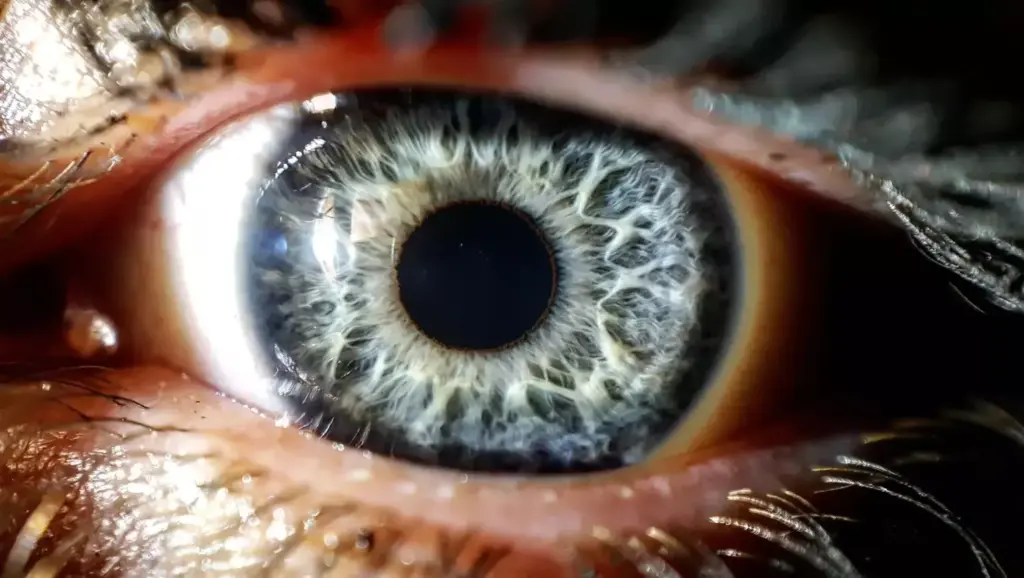
Understanding the causes of eye twitching is crucial in determining whether it’s a minor issue or a symptom of something more severe. Eye twitching, a condition that affects many people worldwide, can be both benign and a potential indicator of a more serious health issue.
What Exactly Is Eye Twitching?
Eye twitching, also known as eyelid twitching or myokymia, refers to the involuntary contraction or spasm of the eyelid muscles. This condition can affect either the upper or lower eyelid and is usually characterized by a repetitive, uncontrolled movement. The twitching can be mild or severe, ranging from a slight quiver to a forceful closure of the eyelid.
Benign Causes of Eye Twitching
Most cases of eye twitching are benign and can be attributed to various everyday factors. Common causes include:
- Fatigue or lack of sleep
- Stress or anxiety
- Caffeine or alcohol consumption
- Nutrient deficiencies, such as magnesium or potassium
- Eye strain from prolonged screen time or reading
These causes often result in temporary and self-limiting twitching that resolves on its own with rest or lifestyle adjustments.
When Eye Twitching Warrants Medical Attention
While most cases of eye twitching are harmless, there are instances where it may indicate a more serious underlying condition. It’s essential to seek medical attention if you experience:
- Prolonged or persistent twitching
- Twitching accompanied by other neurological symptoms, such as weakness or numbness
- Changes in vision or eye movement
- Difficulty controlling the eyelid or facial muscles
In such cases, a thorough medical evaluation is necessary to determine the underlying cause and appropriate treatment.
The Connection Between Neurological Conditions and Eye Twitching
Understanding the link between neurological health and eye twitching is crucial for identifying potential red flags. Eye twitching, or myokymia, is a common phenomenon that can be caused by a variety of factors, ranging from benign to serious neurological conditions.
How the Brain Controls Eye Movements
The brain controls eye movements through a complex system involving multiple cranial nerves and various regions of the brain. The oculomotor nerve, trochlear nerve, and abducens nerve work together to coordinate eye movements. Any disruption in these pathways, such as from a neurological condition or a brain tumor, can lead to abnormal eye movements or twitching.
Neurological Pathways Affecting Facial Muscles
The facial nerve, or cranial nerve VII, controls the muscles of facial expression, including those around the eyes. Neurological conditions affecting the facial nerve or its pathways can cause eye twitching. For instance, conditions like hemifacial spasm or blepharospasm involve involuntary muscle contractions that can be a sign of an underlying neurological issue.
Types of Neurological Conditions That May Cause Eye Twitching
Several neurological conditions can lead to eye twitching, including:
- Brain tumors: Tumors affecting the cranial nerves or brain regions controlling eye movements can cause twitching.
- Multiple sclerosis: This condition can damage the protective covering of nerve fibers, leading to a range of symptoms including eye twitching.
- Parkinson’s disease: A neurodegenerative disorder that can cause tremors and muscle spasms, potentially affecting the eyes.
Can a Brain Tumor Cause Eye Twitching?
Understanding whether a brain tumor can cause eye twitching requires a deep dive into the scientific evidence and the underlying mechanisms. We will examine the link between brain tumors and eye twitching, discussing the scientific evidence, the mechanisms by which tumors can cause this symptom, and how frequently eye twitching occurs in brain tumor patients.
The Scientific Evidence
Research into the relationship between brain tumors and eye twitching has yielded important insights. Studies have shown that certain types of brain tumors can indeed cause eye twitching due to their location and the pressure they exert on surrounding neural structures. For instance, tumors affecting the facial nerve or areas controlling eye movements can lead to twitching.
“The presence of a brain tumor can lead to a variety of neurological symptoms, including eye twitching, due to its impact on surrounding brain tissues and structures.”
A study published in a reputable medical journal found that among patients diagnosed with brain tumors, a significant percentage experienced eye twitching as one of their symptoms. This correlation underscores the importance of considering brain tumors in the differential diagnosis when evaluating patients with eye twitching.
Mechanisms Behind Tumor-Related Eye Twitching
The mechanisms by which brain tumors cause eye twitching are multifaceted. Tumors can directly compress or invade nerves controlling facial muscles, including those around the eyes. Additionally, tumors can cause increased intracranial pressure, leading to a range of neurological symptoms, including eye twitching.
Another mechanism involves the tumor’s effect on the brain’s motor control systems. Depending on the tumor’s location, it can disrupt normal neural pathways, leading to involuntary movements such as eye twitching.
Frequency of Eye Twitching as a Brain Tumor Symptom
While eye twitching is not the most common symptom of brain tumors, it can occur, especially in cases where the tumor affects relevant neural structures. The frequency of eye twitching varies depending on the tumor type, location, and size.
| Tumor Type | Location | Frequency of Eye Twitching |
|---|---|---|
| Meningioma | Cerebral Convexity | Low |
| Gliomas | Brainstem | Moderate |
| Acoustic Neuroma | Cerebellopontine Angle | High |
This table illustrates the varying frequencies of eye twitching associated with different types and locations of brain tumors. Understanding these patterns can help clinicians in diagnosing and managing brain tumor patients.
Brain Regions Where Tumors May Trigger Eye Twitching
Tumors in specific areas of the brain, such as the temporal and occipital lobes, can lead to eye twitching due to their proximity to critical neurological pathways. We will explore how these brain regions are affected by tumors and the resulting symptoms.
Temporal Lobe Tumors and Eye Symptoms
The temporal lobe plays a crucial role in processing sensory input and is involved in various neurological functions. Tumors in this region, known as temporal lobe brain tumors, can cause a range of symptoms, including eye twitching. The proximity of the temporal lobe to cranial nerves that control facial movements can lead to twitching and other motor disturbances.
Symptoms associated with temporal lobe tumor symptoms can vary widely but often include:
- Seizures
- Memory disturbances
- Language difficulties
- Eye twitching or other facial spasms
Occipital Lobe Tumors and Visual Disturbances
The occipital lobe is primarily responsible for processing visual information. Tumors in this area, referred to as occipital brain tumors, can cause visual disturbances, including blurred vision, double vision, or loss of vision. While less directly associated with eye twitching than temporal lobe tumors, occipital lobe tumors can still contribute to neurological symptoms that affect eye movements.
Visual disturbances caused by occipital lobe tumors can include:
- Hallucinations
- Blind spots or loss of peripheral vision
- Difficulty recognizing objects or faces
Brainstem and Cranial Nerve Involvement
The brainstem connects the cerebrum to the spinal cord and regulates many of our automatic functions, such as breathing and heart rate. Tumors affecting the brainstem can impact cranial nerves, potentially leading to eye twitching among other symptoms. The involvement of cranial nerves, particularly those controlling facial expressions, can result in twitching or spasms.
Cranial nerve involvement can lead to a variety of symptoms, including:
- Facial weakness or paralysis
- Difficulty swallowing or speaking
- Eye twitching or abnormal eye movements
Temporal Lobe Brain Tumors: Symptoms and Characteristics
Understanding the symptoms of temporal lobe tumors is essential for early detection and effective treatment. Temporal lobe brain tumors can manifest through a variety of symptoms due to their location and impact on surrounding brain structures. We will explore the common symptoms associated with these tumors and their effects on vision and facial control.
Common Symptoms
Temporal lobe tumors can cause a range of symptoms, including seizures, changes in personality, and difficulties with memory. These tumors can also affect language processing and comprehension. In some cases, patients may experience altered states of consciousness or aura-like sensations before a seizure.
The symptoms can vary depending on the tumor’s location within the temporal lobe and its rate of growth. For instance, a tumor in the left temporal lobe may affect language processing more significantly than one in the right temporal lobe.
Visual and Facial Impacts
Temporal lobe tumors can affect vision by causing visual field defects, where parts of the visual field are missing or impaired. This occurs because the temporal lobe processes visual information from the opposite visual field. Tumors in this area can also affect the nerves controlling facial muscles, potentially leading to symptoms like eye twitching or facial weakness.
Case Studies
Several case studies have highlighted the relationship between temporal lobe tumors and eye twitching. For example, a patient with a left temporal lobe tumor experienced persistent eye twitching on the same side as the tumor. After surgical removal of the tumor, the eye twitching resolved, indicating a direct correlation between the tumor and the symptom.
These case studies underscore the importance of considering brain tumors in the differential diagnosis of patients presenting with eye twitching, especially when accompanied by other neurological symptoms.
Warning Signs That Distinguish Benign Eye Twitching from Tumor-Related Twitching
Understanding the warning signs that differentiate benign eye twitching from tumor-related twitching can be lifesaving. While eye twitching is a common and often harmless condition, certain characteristics can indicate a more serious underlying issue, such as a brain tumor.
Duration and Pattern of Twitching
One of the key factors in distinguishing between benign and tumor-related eye twitching is the duration and pattern of the twitching. Benign eye twitching typically resolves on its own within a few days or weeks. In contrast, twitching associated with a brain tumor may persist or worsen over time.
Characteristics of tumor-related twitching:
- Persistence or worsening over time
- Twitching that spreads to other facial muscles
- Involuntary movements that are not relieved by rest or relaxation
Accompanying Neurological Symptoms
The presence of accompanying neurological symptoms can be a significant indicator of a more serious condition. Symptoms such as seizures, headaches, or blurred vision in conjunction with eye twitching warrant immediate medical attention.
| Neurological Symptom | Possible Indication |
|---|---|
| Seizures | Potential brain tumor or neurological disorder |
| Headaches | Possible increased intracranial pressure |
| Blurred Vision | Potential impact on visual pathways |
Red Flags That Should Never Be Ignored
Certain red flags should never be ignored when experiencing eye twitching. These include sudden changes in vision, difficulty speaking, or weakness in the limbs. If you or someone you know is experiencing these symptoms, seek medical attention immediately.
By being aware of these warning signs and seeking medical attention when necessary, individuals can ensure timely diagnosis and treatment of potentially serious conditions.
Specific Conditions: Blepharospasm and Hemifacial Spasm
Blepharospasm and hemifacial spasm are two distinct conditions that can cause eye twitching, often raising concerns about their potential link to brain tumors. We will explore these conditions in detail to understand their causes, characteristics, and possible association with neurological issues.
Understanding Blepharospasm
Blepharospasm is a condition characterized by involuntary spasms or contractions of the eyelid muscles, leading to forced closure of the eyelids. It can be debilitating, affecting an individual’s ability to perform daily activities. The exact cause of blepharospasm is often unknown, but it is believed to involve a combination of genetic and environmental factors.
Symptoms of blepharospasm can vary in severity and may include:
- Involuntary eyelid closure
- Eye irritation
- Sensitivity to light
- Difficulty keeping eyes open
Hemifacial Spasm: Causes and Characteristics
Hemifacial spasm is another condition that causes involuntary muscle contractions, but it typically affects one side of the face. The condition is often caused by compression of the facial nerve by a blood vessel or other structures. Symptoms can be intermittent or persistent and may worsen over time.
| Characteristics | Blepharospasm | Hemifacial Spasm |
|---|---|---|
| Primary Area Affected | Eyelid muscles | One side of the face |
| Cause | Unknown, possibly genetic and environmental | Compression of the facial nerve |
| Symptoms | Involuntary eyelid closure, eye irritation | Involuntary muscle contractions on one side of the face |
When These Conditions May Indicate a Tumor
While blepharospasm and hemifacial spasm are generally benign, in rare cases, they can be associated with more serious conditions, including brain tumors. For instance, a tumor compressing the facial nerve can cause hemifacial spasm. Similarly, tumors affecting certain areas of the brain can lead to symptoms that resemble blepharospasm.
It is crucial to seek medical attention if you experience any of the following:
- Sudden onset of severe symptoms
- Associated neurological symptoms such as weakness, numbness, or vision changes
- Symptoms that worsen over time
Understanding the nuances of blepharospasm and hemifacial spasm can help in identifying when these conditions might be indicative of a more serious underlying issue, such as a brain tumor. We recommend consulting a healthcare professional for a thorough evaluation and diagnosis.
Additional Warning Signs of Brain Tumors
It’s crucial to recognize that brain tumors can cause a range of symptoms beyond just eye twitching. Being aware of these additional warning signs can help in early detection and treatment.
Headaches and Their Characteristics
Headaches are one of the most common symptoms associated with brain tumors. These headaches can be particularly severe in the morning and may improve throughout the day. The nature of the headache can vary, but it’s often described as a dull, persistent pain.
Some key characteristics of brain tumor-related headaches include:
- Persistent and progressive
- Worst in the morning
- Associated with nausea or vomiting
- Triggered or worsened by coughing, sneezing, or straining
Seizures as a Brain Tumor Symptom
Seizures are another significant symptom that can be associated with brain tumors. The likelihood of a brain tumor causing seizures depends on the tumor’s location, size, and type. For instance, brain cancer in the temporal lobe is known to cause seizures.
Seizures can manifest in various ways, from mild to severe. They may be accompanied by other symptoms such as:
- Loss of consciousness
- Convulsions
- Altered sensations or emotions
Cognitive and Personality Changes
Brain tumors can also lead to cognitive and personality changes. These can be subtle at first but may become more pronounced as the tumor grows. Changes might include memory issues, mood swings, or altered behavior.
Some specific cognitive and personality changes to watch out for include:
- Difficulty concentrating or making decisions
- Memory loss or confusion
- Mood changes, such as depression or anxiety
- Personality changes, such as becoming more withdrawn or aggressive
Recognizing these additional warning signs is crucial for early detection and effective management of brain tumors. If you or someone you know is experiencing these symptoms, it’s essential to seek medical attention promptly.
Diagnostic Approaches for Suspected Brain Tumors
When a brain tumor is suspected, a comprehensive diagnostic approach is crucial for accurate detection. Diagnosing a brain tumor involves a series of precise steps to determine the presence and nature of the tumor.
Initial Evaluation and Neurological Examination
The diagnostic process begins with a thorough medical history and physical examination, focusing on neurological assessments. We evaluate cognitive functions, motor skills, and sensory responses to identify any abnormalities that may indicate a brain tumor.
Neurological examinations are critical in localizing the tumor and understanding its impact on brain function. These examinations assess various aspects, including vision, hearing, balance, and coordination.
Imaging Studies: MRI, CT, and Other Options
Imaging studies are pivotal in diagnosing brain tumors. Magnetic Resonance Imaging (MRI) is often the preferred method due to its high resolution and ability to provide detailed images of brain structures. MRI can help identify the tumor’s location, size, and potential impact on surrounding tissues.
Computed Tomography (CT) scans are another diagnostic tool, particularly useful in emergency situations. CT scans provide quick and valuable information about the tumor and its effects on the brain.
Additional Diagnostic Tests
Beyond imaging, additional tests may be necessary to confirm the diagnosis and understand the tumor’s characteristics. These may include biopsies, where a sample of the tumor is examined for its cellular structure, or lumbar punctures, which can help analyze cerebrospinal fluid for signs of tumor spread.
Other diagnostic tests, such as electroencephalograms (EEGs), may be used to assess electrical activity in the brain, particularly if there are concerns about seizure activity related to the tumor.
As we have discussed, a comprehensive diagnostic approach is essential for accurately identifying and characterizing brain tumors. By combining clinical evaluation, imaging studies, and additional diagnostic tests, we can develop an effective treatment plan tailored to the patient’s needs.
Treatment Options for Brain Tumors Causing Eye Twitching
Eye twitching caused by a brain tumor requires a comprehensive treatment plan that addresses both the tumor and the symptom. The choice of treatment depends on several factors, including the type, size, and location of the tumor, as well as the patient’s overall health.
Surgical Approaches
Surgery is often the primary treatment for brain tumors, especially if they are causing significant symptoms like eye twitching. The goal of surgery is to remove as much of the tumor as possible while preserving surrounding brain tissue. Advances in surgical techniques, such as intraoperative MRI and neuro-navigation, have improved the accuracy and safety of tumor removal.
Radiation Therapy
Radiation therapy is another important treatment option for brain tumors. It uses high-energy beams to kill tumor cells or slow their growth. There are different types of radiation therapy, including external beam radiation therapy and stereotactic radiosurgery. Radiation therapy can be used alone or in combination with surgery and chemotherapy.
Chemotherapy and Targeted Treatments
Chemotherapy involves using drugs to kill tumor cells. For brain tumors, chemotherapy can be administered orally or intravenously. Targeted therapy is a type of treatment that targets specific molecules involved in tumor growth. These treatments can be more effective and have fewer side effects than traditional chemotherapy.
Managing Eye Twitching Symptoms
In addition to treating the brain tumor, managing eye twitching symptoms is crucial for improving the patient’s quality of life. This can include medications to reduce twitching, botulinum toxin injections, and other supportive therapies. It’s essential to work with a healthcare team to develop a personalized treatment plan.
| Treatment Option | Description | Benefits |
|---|---|---|
| Surgery | Removal of the tumor | Can provide immediate relief from symptoms |
| Radiation Therapy | Killing tumor cells with high-energy beams | Effective for tumors that can’t be fully removed by surgery |
| Chemotherapy | Using drugs to kill tumor cells | Can be used in combination with other treatments |
| Targeted Therapy | Targeting specific molecules involved in tumor growth | Fewer side effects compared to traditional chemotherapy |
When to Seek Medical Attention for Eye Twitching
Understanding when eye twitching requires medical attention is crucial for early detection of potential health issues. While often benign, persistent or severe eye twitching can be a symptom of an underlying condition that needs medical evaluation.
Urgent Warning Signs
If you experience any of the following symptoms along with eye twitching, seek medical attention immediately:
- Severe or worsening twitching
- Eye twitching accompanied by other facial spasms
- Vision changes or double vision
- Difficulty controlling eye movements
- Other neurological symptoms such as numbness, weakness, or difficulty speaking
Table 1: Symptoms Requiring Immediate Medical Attention
| Symptom | Possible Indication |
|---|---|
| Severe or worsening twitching | Potential neurological condition |
| Eye twitching with facial spasms | Possible cranial nerve disorder |
| Vision changes or double vision | Potential issue with brain or optic nerve |
Which Medical Specialist to Consult
If you’re concerned about your eye twitching, start by consulting your primary care physician. They can assess your overall health and refer you to a specialist if necessary. Depending on your symptoms, you may be referred to:
- An ophthalmologist for eye-related issues
- A neurologist for neurological conditions
Questions to Prepare for Your Doctor’s Appointment
To make the most of your doctor’s visit, prepare by writing down:
- A detailed description of your eye twitching symptoms
- Any other symptoms you’re experiencing
- Your medical history
- Any medications or supplements you’re taking
- Questions or concerns you have about your condition
Being prepared will help your doctor understand your situation better and provide more accurate guidance.
Conclusion
Understanding the potential link between brain tumors and eye twitching is crucial for early diagnosis and effective treatment. Throughout this article, we have explored how certain brain tumors can cause eye twitching due to their location and impact on surrounding neurological structures.
Recognizing the warning signs that distinguish benign eye twitching from tumor-related twitching is vital. Symptoms such as persistent twitching, accompanying neurological deficits, and changes in vision or cognitive function should prompt immediate medical evaluation.
We emphasize the importance of a multidisciplinary approach in managing brain tumors. Early diagnosis through advanced imaging techniques and thorough neurological examination, followed by appropriate treatment, can significantly improve patient outcomes.
By being aware of the potential causes of eye twitching and seeking medical attention when necessary, individuals can take proactive steps towards their health and well-being. Our discussion underscores the need for vigilance and timely intervention in cases where eye twitching may be a symptom of a more serious underlying condition like a brain tumor.
FAQ
Can eye twitching be a sign of a brain tumor?
While most cases of eye twitching are benign, persistent or unusual twitching can be a warning sign of a brain tumor. We recommend seeking medical attention if you experience persistent or severe eye twitching.
What are the common causes of eye twitching?
Common causes of eye twitching include fatigue, stress, and caffeine consumption. However, in some cases, eye twitching can be related to neurological conditions, including brain tumors.
How do brain tumors affect eye movements and facial muscles?
Brain tumors can affect the neurological pathways that control eye movements and facial muscles, leading to eye twitching. Tumors in certain brain regions, such as the temporal or occipital lobes, can cause a range of symptoms, including eye twitching.
What are the symptoms of a temporal lobe tumor?
Temporal lobe tumors can cause a range of symptoms, including seizures, cognitive changes, and visual disturbances. Eye twitching can also occur due to the tumor’s impact on facial control and vision.
Can blepharospasm be a sign of a brain tumor?
Blepharospasm, a condition characterized by involuntary eyelid spasms, can be a symptom of a brain tumor in some cases. We recommend seeking medical attention if you experience persistent or severe blepharospasm.
What are the warning signs that distinguish benign eye twitching from tumor-related twitching?
Warning signs that may indicate a brain tumor is causing eye twitching include persistent or severe twitching, accompanying neurological symptoms, and changes in vision or facial control.
How is a brain tumor diagnosed?
Diagnosing a brain tumor typically involves a combination of initial evaluations, neurological examinations, imaging studies (such as MRI or CT scans), and additional diagnostic tests.
What are the treatment options for brain tumors causing eye twitching?
Treatment options for brain tumors causing eye twitching depend on the tumor’s type, location, and severity. They may include surgical approaches, radiation therapy, chemotherapy, and targeted treatments, as well as managing eye twitching symptoms.
When should I seek medical attention for eye twitching?
We recommend seeking medical attention if you experience persistent or severe eye twitching, especially if accompanied by other neurological symptoms or warning signs.
Can a brain tumor cause seizures?
Yes, brain tumors can cause seizures, especially if they are located in certain brain regions, such as the temporal lobe.
What is the role of the occipital lobe in vision, and can tumors in this region cause eye twitching?
The occipital lobe plays a critical role in processing visual information. Tumors in this region can cause visual disturbances, including eye twitching, due to the lobe’s involvement in controlling vision.
Can hypnic jerks be related to brain tumors?
Hypnic jerks, also known as hypnagogic jerks, are sudden muscle contractions that occur when falling asleep. While they are generally benign, in rare cases, they can be associated with underlying neurological conditions, including brain tumors.
Are there any specific cranial nerves involved in eye twitching related to brain tumors?
Yes, certain cranial nerves, such as the facial nerve, can be affected by brain tumors, leading to eye twitching and other facial symptoms.
FAQ
Can eye twitching be a sign of a brain tumor?
While most cases of eye twitching are benign, persistent or unusual twitching can be a warning sign of a brain tumor. We recommend seeking medical attention if you experience persistent or severe eye twitching.
What are the common causes of eye twitching?
Common causes of eye twitching include fatigue, stress, and caffeine consumption. However, in some cases, eye twitching can be related to neurological conditions, including brain tumors.
How do brain tumors affect eye movements and facial muscles?
Brain tumors can affect the neurological pathways that control eye movements and facial muscles, leading to eye twitching. Tumors in certain brain regions, such as the temporal or occipital lobes, can cause a range of symptoms, including eye twitching.
What are the symptoms of a temporal lobe tumor?
Temporal lobe tumors can cause a range of symptoms, including seizures, cognitive changes, and visual disturbances. Eye twitching can also occur due to the tumor’s impact on facial control and vision.
Can blepharospasm be a sign of a brain tumor?
Blepharospasm, a condition characterized by involuntary eyelid spasms, can be a symptom of a brain tumor in some cases. We recommend seeking medical attention if you experience persistent or severe blepharospasm.
What are the warning signs that distinguish benign eye twitching from tumor-related twitching?
Warning signs that may indicate a brain tumor is causing eye twitching include persistent or severe twitching, accompanying neurological symptoms, and changes in vision or facial control.
How is a brain tumor diagnosed?
Diagnosing a brain tumor typically involves a combination of initial evaluations, neurological examinations, imaging studies (such as MRI or CT scans), and additional diagnostic tests.
What are the treatment options for brain tumors causing eye twitching?
Treatment options for brain tumors causing eye twitching depend on the tumor’s type, location, and severity. They may include surgical approaches, radiation therapy, chemotherapy, and targeted treatments, as well as managing eye twitching symptoms.
When should I seek medical attention for eye twitching?
We recommend seeking medical attention if you experience persistent or severe eye twitching, especially if accompanied by other neurological symptoms or warning signs.
Can a brain tumor cause seizures?
Yes, brain tumors can cause seizures, especially if they are located in certain brain regions, such as the temporal lobe.
What is the role of the occipital lobe in vision, and can tumors in this region cause eye twitching?
The occipital lobe plays a critical role in processing visual information. Tumors in this region can cause visual disturbances, including eye twitching, due to the lobe’s involvement in controlling vision.
Can hypnic jerks be related to brain tumors?
Hypnic jerks, also known as hypnagogic jerks, are sudden muscle contractions that occur when falling asleep. While they are generally benign, in rare cases, they can be associated with underlying neurological conditions, including brain tumors.
Are there any specific cranial nerves involved in eye twitching related to brain tumors?
Yes, certain cranial nerves, such as the facial nerve, can be affected by brain tumors, leading to eye twitching and other facial symptoms.