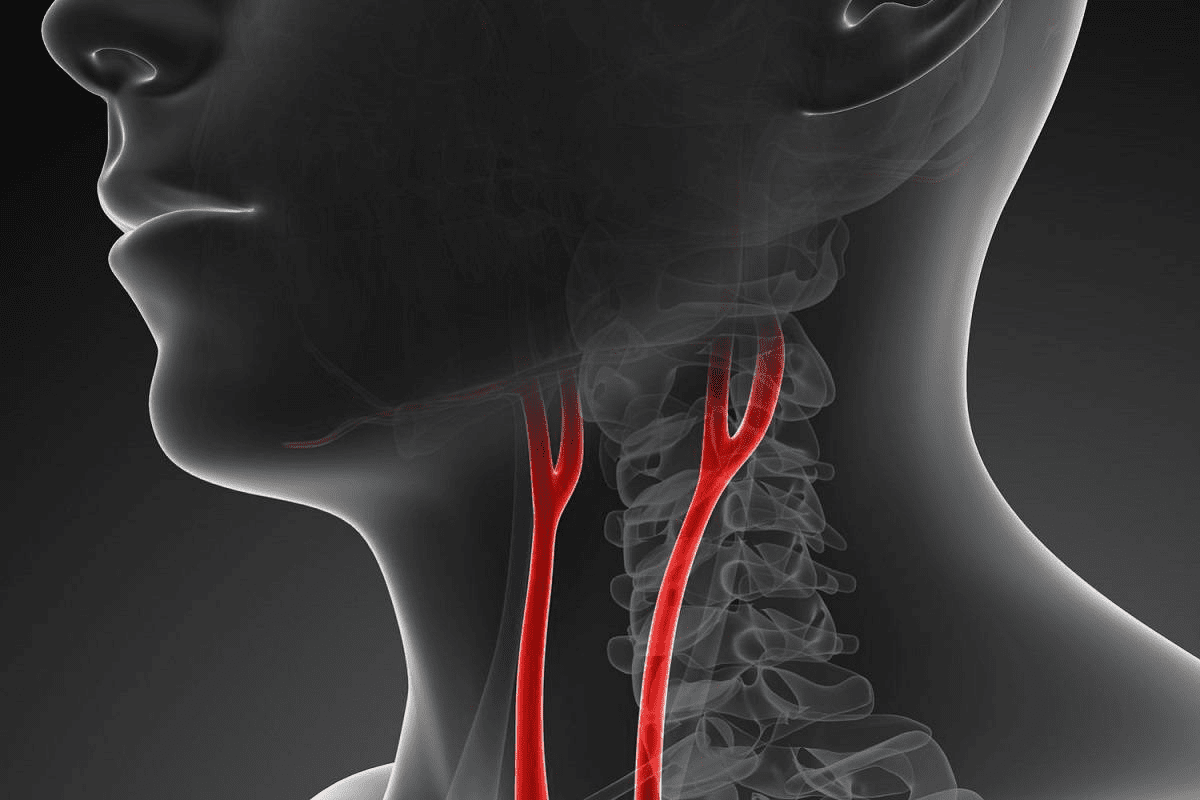
Nearly 1 in 5 adults over 65 have carotid artery stenosis. This is when plaque builds up in the carotid arteries. It can lead to stroke.can a carotid artery be cleared without surgeryWhat Causes a Swollen Carotid Artery in the Neck and How Is It Treated?
Keeping a healthy lifestyle is key to avoiding this condition. But for those already affected, the idea of clearing the blockage without surgery is hopeful. New medical tech has made non-surgical carotid artery treatment options more possible.
Knowing about the treatments is important for making good health choices. Non-invasive treatments for carotid stenosis are getting more attention. They might help lower stroke risk without surgery.
Key Takeaways
- Carotid artery stenosis can lead to stroke.
- Living a healthy lifestyle helps prevent carotid artery stenosis.
- There are non-surgical ways to clear carotid artery blockage.
- Understanding your treatment options is vital for health decisions.
- Non-invasive treatments are being looked at for stroke risk reduction.
Understanding Carotid Artery Blockages
Carotid artery blockages are a big risk for heart health. The carotid arteries in the neck are key for blood to the brain and face. A blockage can cause serious problems.
What Causes Carotid Artery Stenosis
Carotid artery stenosis happens when plaque builds up. This plaque is made of fats, cholesterol, and more. It’s called atherosclerosis.
Risk Factors for Carotid Artery Disease
Many things can lead to carotid artery disease. These include:
- High blood pressure
- High cholesterol
- Smoking
- Diabetes
- Obesity
Symptoms and Complications
Blockages in the carotid arteries can cause big problems. These include stroke and TIA. Symptoms include:
| Symptom | Description |
| Weakness or numbness | In the face, arm, or leg on one side of the body |
| Difficulty speaking | Slurred speech or trouble understanding speech |
| Vision changes | Blurred vision, double vision, or loss of vision in one eye |
Knowing about carotid artery blockages is key for early treatment.
Diagnosing and Assessing Carotid Artery Blockages
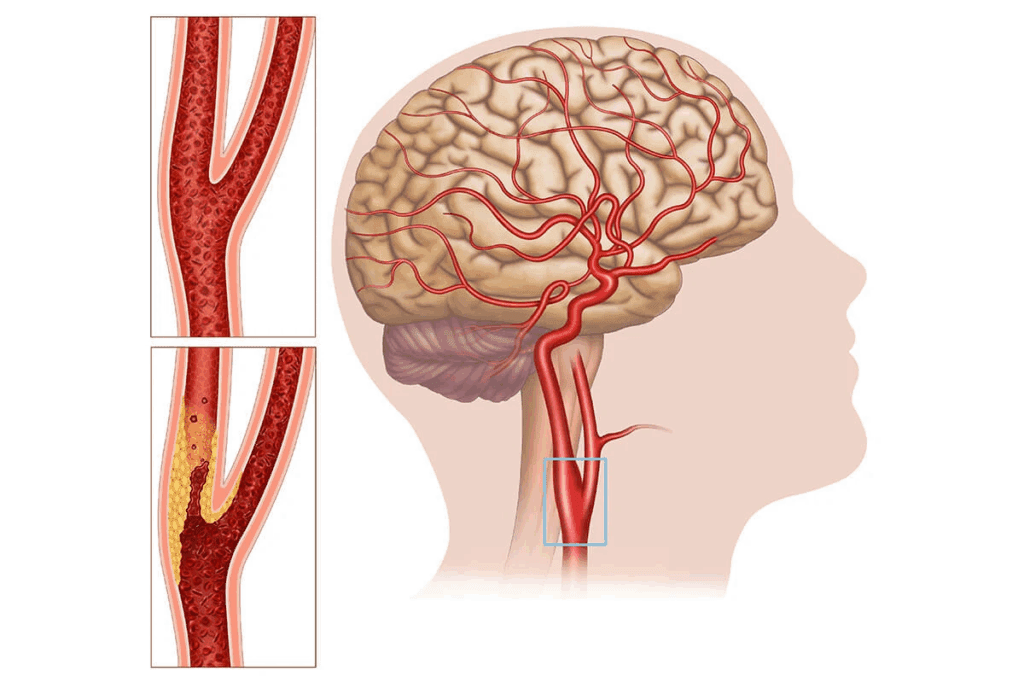
Diagnosing carotid artery disease requires looking at medical history, physical exams, and tests. A doctor will first check the patient’s history to find risk factors and symptoms. This helps understand if the patient has carotid artery disease.
Diagnostic Tests and Procedures
There are several tests to check for carotid artery blockages. These include:
- Carotid Ultrasound: A non-invasive test that uses sound waves to create images of the carotid arteries. It checks blood flow and finds blockages.
- Angiography: A procedure that injects dye into the carotid arteries. It shows the blood vessels and finds any blockages or problems.
- Magnetic Resonance Angiography (MRA): A non-invasive imaging test that uses magnetic fields and radio waves. It creates detailed images of the carotid arteries.
Understanding Your Diagnosis
After the tests, a doctor will look at the results. They will decide how bad the blockage is and suggest treatments. Knowing your diagnosis helps you make choices about your care.
Determining Treatment Options
Treatment for carotid artery disease depends on the blockage’s severity and the patient’s health. The table below shows what affects treatment choices:
| Factor | Description | Impact on Treatment |
| Severity of Blockage | The percentage of blockage in the carotid artery. | More severe blockages may need surgery or minimally invasive treatments. |
| Symptoms | The presence or absence of symptoms like transient ischemic attack (TIA) or stroke. | Symptomatic patients might need more aggressive treatment. |
| Overall Health | The patient’s general health and any other health issues. | Patients with serious health problems might need more careful management. |
Understanding your diagnosis and what affects treatment helps you work with your doctor. Together, you can create a plan to manage carotid artery disease.
Medical Management: Medications for Carotid Artery Disease

Managing carotid artery disease often involves a multifaceted approach. This includes using various medications to mitigate risk factors and slow disease progression. Medications play a key role in reducing the risk of stroke and other cardiovascular events associated with carotid artery disease.
Antiplatelet Medications
Antiplatelet medications are a cornerstone in managing carotid artery disease. They prevent the formation of blood clots. These clots can block the carotid arteries or travel to the brain, causing a stroke.
Aspirin
Aspirin is a common antiplatelet medication. It reduces the risk of stroke in patients with carotid artery disease. It does this by inhibiting platelet aggregation.
Clopidogrel
Clopidogrel is another antiplatelet medication. It is used in patients who are intolerant to aspirin. It works by preventing platelet activation and aggregation.
Cholesterol-Lowering Drugs
Cholesterol-lowering drugs are essential in managing carotid artery disease. High levels of low-density lipoprotein (LDL) cholesterol can contribute to plaque buildup in the arteries.
Statins
Statins are a class of cholesterol-lowering medications. According to HealthU, statins lower heart cholesterol and stabilize plaque on artery walls. This reduces the risk of stroke.
Other Lipid-Lowering Medications
In addition to statins, other lipid-lowering medications may be prescribed. These include bile acid sequestrants, niacin, and fibrates. They help further reduce LDL cholesterol levels.
Blood Pressure Medications
High blood pressure is a significant risk factor for carotid artery disease. Various medications are used to manage hypertension. These include diuretics, beta-blockers, ACE inhibitors, and calcium channel blockers.
Diabetes Management Medications
For patients with diabetes, managing blood sugar levels is critical. Medications such as metformin, sulfonylureas, and insulin are used. They help control diabetes and reduce the risk of carotid artery disease progression.
The following table summarizes the different categories of medications used in managing carotid artery disease:
| Medication Category | Examples | Purpose |
| Antiplatelet Medications | Aspirin, Clopidogrel | Prevent blood clots |
| Cholesterol-Lowering Drugs | Statins, Bile acid sequestrants | Lower LDL cholesterol |
| Blood Pressure Medications | Diuretics, Beta-blockers, ACE inhibitors | Manage hypertension |
| Diabetes Management Medications | Metformin, Sulfonylureas, Insulin | Control blood sugar levels |
Can a Carotid Artery Be Cleared Without Surgery?
More people are wondering if a carotid artery can be cleared without surgery. A healthy lifestyle is key in preventing and managing carotid artery stenosis.
Non-surgical ways to clear carotid arteries focus on managing risk factors and reducing plaque buildup.
These methods include lifestyle changes and medication.
Non-surgical treatments can clear carotid arteries, if started early. Medications like antiplatelet agents, statins, and blood pressure medications help manage the condition.
“Lifestyle changes, including dietary modifications, regular exercise, and smoking cessation, are key in slowing carotid artery disease.”
| Treatment Approach | Effectiveness | Key Components |
| Medications | High | Antiplatelet agents, statins, blood pressure medications |
| Lifestyle Modifications | Moderate to High | Dietary changes, exercise, smoking cessation |
Factors That Influence Treatment Success
The success of non-surgical treatments depends on several factors. These include the blockage’s severity, overall health, and sticking to treatment plans.
Monitoring Progress Without Surgery
Regular monitoring is key to see if non-surgical treatments are working. This includes regular check-ups, imaging tests, and tracking risk factors.
Understanding non-surgical approaches and what affects their success helps patients make informed decisions about their care.
Lifestyle Modifications for Carotid Artery Health
Making lifestyle changes is key to managing and possibly reversing carotid artery blockages. By adding healthier habits to your daily routine, you can greatly improve your carotid artery health and overall well-being.
Dietary Changes for Arterial Health
Eating a heart-healthy diet is essential for carotid artery health. Foods rich in fruits, vegetables, whole grains, and lean proteins can lower the risk of blockages.
Mediterranean Diet Benefits
The Mediterranean diet focuses on olive oil, fish, and nuts. It has many heart benefits. This diet can lower cholesterol and improve heart health.
Foods to Avoid
It’s also important to limit or avoid foods that worsen carotid artery disease. Reducing saturated and trans fats in processed and fried foods can slow disease progression.
Exercise Recommendations
Regular physical activity is vital for healthy carotid arteries. Aerobic exercises like walking, cycling, or swimming boost heart health and lower complication risks.
Smoking Cessation
Quitting smoking greatly improves carotid artery health. Smoking cessation programs offer support for those trying to quit.
Weight Management
Keeping a healthy weight through diet and exercise reduces carotid artery strain. A healthy weight also lowers blood pressure and cholesterol.
Stress Reduction Techniques
Chronic stress harms carotid artery health. Stress reduction techniques like meditation, yoga, or deep breathing exercises can help reduce this risk.
Minimally Invasive Procedures for Carotid Artery Blockages
For those with carotid artery blockages, new, less invasive treatments are available. These methods aim to improve blood flow and lower stroke risks. They are alternatives to traditional surgery.
Carotid Artery Stenting
Carotid artery stenting involves placing a stent in the narrowed artery. This is done through a small incision in the groin. The stent keeps the artery open, improving brain blood flow.
Carotid Angioplasty
Carotid angioplasty is often paired with stenting. It uses a balloon to widen the artery. After widening, the balloon is removed, and a stent is left to keep the artery open. This method is less invasive, reducing the risk of complications.
Recovery and Outcomes
Recovery from these procedures is faster than open surgery. Most patients can return to normal activities in a few days. The success rate is high, with a significant stroke risk reduction. But, the outcome depends on the blockage’s severity and the patient’s health.
Risks and Complications
Though safe, these procedures carry risks. These include stroke, heart attack, and dye reactions. There’s also a chance of artery narrowing again. Choosing the right patient and monitoring closely can reduce these risks.
| Procedure | Description | Recovery Time |
| Carotid Artery Stenting | Placement of a stent to keep the carotid artery open | 1-3 days |
| Carotid Angioplasty | Use of a balloon to widen the narrowed artery, often with stenting | 1-3 days |
Carotid artery stenting and angioplasty are effective treatments. They offer quicker recovery times compared to traditional surgery.
Alternative and Complementary Approaches
There are other ways to help with carotid artery blockages, aside from traditional treatments. These methods can work together with medical care to keep your heart healthy.
Supplements and Nutraceuticals
Some supplements might help with carotid artery disease. Here are a few:
- Omega-3 Fatty Acids: These are in fish oil and can lower inflammation and boost heart health.
- Antioxidants and Vitamins: Vitamins C and E, and other antioxidants, fight oxidative stress and inflammation in arteries.
- Niacin and Other B Vitamins: Niacin can raise HDL (good) cholesterol, improving your cholesterol levels.
Herbal Remedies
Herbs have been used for heart health for a long time:
- Garlic and Turmeric: They contain compounds that may reduce inflammation and improve heart health.
- Ginkgo Biloba: It’s thought to improve blood flow and may benefit heart health.
Chelation Therapy
Chelation therapy uses compounds to bind to heavy metals. It might help clear blockages in carotid arteries. But, more research is needed to know how well it works.
While these options might help, always talk to a doctor before trying them. They can make sure they’re safe and right for you.
When Surgery May May Be Necessary
Even with new non-surgical treatments, some people might need surgery for carotid artery disease. The choice to have surgery depends on how bad the blockage is and the patient’s health.
Indications for Surgical Intervention
Doctors often suggest surgery for severe carotid artery stenosis. This is true for those who have had a TIA or stroke. Removing the blockage might be needed for these cases.
The reasons for surgery include:
- Severe carotid artery stenosis (>70%)
- Having symptoms like TIA or stroke
- Non-surgical treatments not working well
Comparing Surgical vs. Non-Surgical Outcomes
It’s important to look at how well surgery and non-surgical treatments work. A study showed that surgery is better at preventing strokes in severe cases.
| Treatment Approach | Stroke Prevention Rate | Complication Rate |
| Carotid Endarterectomy | 85% | 5% |
| Angioplasty and Stenting | 75% | 8% |
Discussing Options With Your Healthcare Provider
Talking to your healthcare provider about treatment options is key. As
“The choice between surgical and non-surgical treatments depends on individual patient factors, including the severity of stenosis and overall health status.”
Your healthcare provider will help you understand the pros and cons of each option.
Knowing when surgery is needed and comparing treatment outcomes helps you make a good choice for your care.
Conclusion: Making Informed Decisions About Carotid Artery Treatment
It’s important to know about carotid artery treatment options. A mix of medical care, lifestyle changes, and small procedures can help manage the disease. This approach is key to keeping your arteries healthy.
A healthy lifestyle. This includes eating well and exercising often. Also, seeing your doctor regularly is vital. It helps keep track of your health and makes sure your treatment is right.
Understanding what makes treatment work and staying up-to-date with new options is important. Working with your doctor, you can create a treatment plan that fits you. This way, you can make smart choices about your health. It helps lower the chance of problems and improves your health.
FAQ
What is carotid artery stenosis?
Carotid artery stenosis is when the carotid arteries narrow. These arteries are in the neck and carry blood to the brain. The narrowing is often due to plaque buildup.
Can carotid artery stenosis be treated without surgery?
Yes, it can be treated without surgery in some cases. You can try lifestyle changes, take medications, or have a minimally invasive procedure like stenting.
What are the risk factors for carotid artery disease?
High blood pressure, high cholesterol, and smoking are risk factors. Diabetes, obesity, and a family history of heart disease also play a role.
What are the symptoms of carotid artery blockage?
Symptoms include transient ischemic attacks (TIAs) and stroke. You might also feel dizzy, weak, or numb in your face or limbs. Difficulty speaking or swallowing is another symptom.
How is carotid artery stenosis diagnosed?
Doctors use tests like ultrasound and CT angiography to diagnose it. They also use MRA and angiography.
What medications are used to manage carotid artery disease?
Doctors use aspirin and clopidogrel to prevent blood clots. They also prescribe statins to lower cholesterol. Blood pressure and diabetes medications are used too.
Can lifestyle changes help improve carotid artery health?
Yes, making healthy lifestyle choices can help. Eating right, exercising, quitting smoking, managing weight, and reducing stress are all beneficial.
What is carotid artery stenting?
Carotid artery stenting is a procedure where a stent is placed in the narrowed artery. It helps improve blood flow to the brain.
What are the risks and complications of carotid artery stenting?
Risks include stroke, bleeding, and reactions to the stent material. These complications can be serious.
Are there alternative approaches to managing carotid artery disease?
Yes, alternatives include omega-3 fatty acids, vitamin E, and niacin. Garlic, turmeric, and chelation therapy are also options.
When is surgical intervention necessary for carotid artery stenosis?
Surgery is needed if the blockage is severe or symptoms don’t improve with treatment. It’s also necessary if there’s a high stroke risk.
How do I discuss treatment options with my healthcare provider?
To discuss treatment, understand your diagnosis and the severity of your stenosis. Know the risks and benefits of each option.
Can carotid artery disease be managed with statins?
Yes, statins are used to manage the disease. They lower cholesterol and reduce stroke risk.
What is the role of antiplatelet medications in carotid artery disease management?
Medications like aspirin and clopidogrel prevent blood clots. This reduces the risk of stroke.
How does carotid artery stenting compare to surgical endarterectomy?
Both stenting and endarterectomy are effective treatments. The choice depends on the blockage’s severity and the patient’s overall health.
References
ScienceDirect. Evidence-Based Medical Insight. Retrieved from https://www.sciencedirect.com/science/article/pii/S1078588422000876