
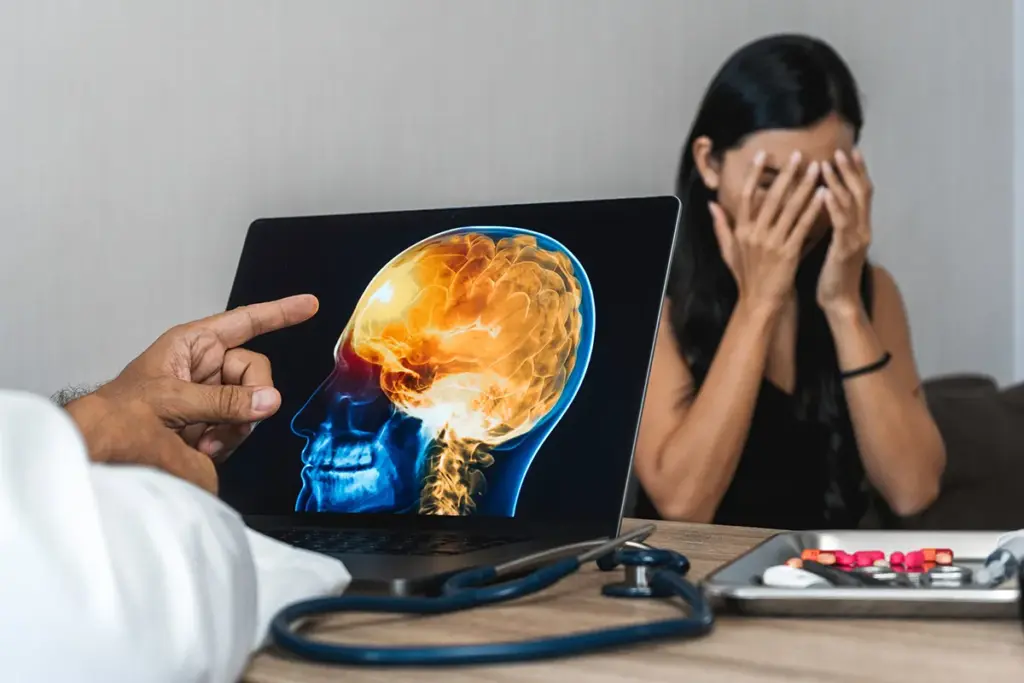
Traumatic brain injuries (TBI) can deeply affect a person’s life. They can change not just physical health but also personality and emotional well-being. In the United States, over 1.7 million people suffer from TBI each year. Many see big changes in their behavior and personality.
Studies show that TBI can cause emotional dysregulation. This makes it hard for people to control their feelings and react right in different situations. It can lead to mood swings, being easily upset, and other changes in behavior. These changes can hurt personal and work relationships.
Key Takeaways
- Traumatic brain injuries can significantly alter an individual’s personality and behavior.
- Emotional dysregulation is a common issue following TBI, leading to mood swings and irritability.
- The impact of TBI on personality can vary widely among individuals, depending on the injury’s severity and location.
- Understanding these changes is crucial for providing appropriate support and care to those affected.
- Rehabilitation programs can help individuals manage the emotional and behavioral changes resulting from TBI.
Understanding Traumatic Brain Injury (TBI) and Concussions

Traumatic Brain Injury (TBI) affects millions globally, leading to big changes in how people act and feel. To grasp these changes, we need to know what TBI is and how it’s different from concussions.
Defining TBI and its Severity Levels
TBI happens when the brain gets hurt from outside forces, like a head hit or shaking. It can be mild or severe. The severity depends on how long someone was unconscious, how confused they were, and if they forgot things.
The severity of TBI is usually split into three levels:
|
Severity Level |
Characteristics |
|---|---|
|
Mild |
Brief loss of consciousness, if any; confusion and disorientation last less than 24 hours. |
|
Moderate |
Loss of consciousness for several minutes to hours; confusion and disorientation last longer than 24 hours. |
|
Severe |
Extended loss of consciousness, often coma; significant cognitive and physical impairments. |
The Difference Between TBI and Concussions
A concussion is a mild TBI caused by a head hit that messes with brain function. While often mixed up, not all concussions are TBI, and not all TBI is a concussion. Concussions can still greatly affect how someone acts and thinks.
Prevalence and Common Causes
TBI is a big health problem worldwide. The CDC says millions in the U.S. get treated for TBI every year. Falls, car crashes, sports injuries, and fights are common causes.
Knowing how common TBI is and why it happens helps us find ways to stop and treat its effects on personality and behavior.
How Brain Injuries Affect Personality

Brain injuries, like traumatic brain injuries (TBI), can change a person’s personality a lot. They can affect how someone feels and how they act with others. These changes can be hard for the person and their family.
The Brain-Personality Connection
The link between the brain and personality is very complex. Studies show that some brain parts are key to our personality and how we feel. The frontal lobe, for example, helps with making decisions, controlling impulses, and handling emotions.
Knowing this connection helps us see how brain injuries can change someone’s personality. As we learn more, we see that damage to certain brain areas can really change how someone acts and feels.
Areas of the Brain Associated with Personality
Many brain parts are linked to personality, like the frontal lobe, temporal lobe, and limbic system. The frontal lobe is especially important. It helps with making decisions, controlling emotions, and managing our actions.
Damage to these areas can change someone’s personality. For example, damage to the frontal lobe might make someone act more impulsively or aggressively.
“The brain is a complex organ, and its injury can lead to a wide range of cognitive, emotional, and behavioral changes.”
How Damage Disrupts Normal Functioning
When a brain injury happens, it can mess up how the brain works. This can change someone’s personality. How much and what kind of changes depend on where and how bad the injury is.
For example, damage to the limbic system can mess with how we feel, causing mood swings. Damage to the frontal lobe can make it hard to control impulses, leading to impulsive or aggressive behavior.
It’s important to understand how brain injuries affect normal brain function. This helps us find better ways to help people who have been injured.
The Most Significant Personality Change After TBI
Emotional dysregulation is a big change after TBI. It affects many parts of life. It means not being able to handle emotions well, leading to big emotional outbursts.
Emotional Dysregulation as the Primary Change
Following a traumatic brain injury (TBI), individuals frequently struggle with emotional regulation. They might get angry easily or have mood swings. This can be hard for them and their families.
Emotional dysregulation is not just being “short-tempered.” It’s a brain issue caused by the injury. The parts of the brain that control emotions can get damaged, causing these big changes.
Impact on Relationships and Quality of Life
Emotional dysregulation can really hurt relationships. Family and friends might not know how to deal with sudden outbursts. This can make relationships strained and lead to feeling alone.
Also, it can make life harder for the person. They might not want to do things they used to enjoy because of how they feel.
Why Emotional Changes Are Often the Most Noticeable
Emotional changes are often the most obvious. They can be sudden and very noticeable. Unlike other changes, emotional outbursts grab attention right away.
Handling emotional dysregulation is hard. It might need special help and therapy. We need to find ways to help people deal with these changes.
Emotional Volatility and Mood Swings
Recovering from a TBI is tough, especially dealing with emotional ups and downs. Emotional volatility means big mood swings that can happen fast. These changes can be triggered by small things.
Rapid Emotional Shifts
People with TBI can switch emotions quickly. They might go from calm to angry or from happy to sad without a clear reason. These rapid emotional shifts can upset both the person and their loved ones.
These mood swings aren’t just about feeling bad. Sometimes, people might laugh uncontrollably or feel overly happy. The unpredictability of these feelings makes it hard to connect with others.
Emotional Responses Disproportionate to Triggers
Another issue is feeling emotions that don’t match the situation. For example, a small comment might make someone very angry. This disproportionate response isn’t about being too sensitive. It’s because the brain can’t control emotions like it used to.
Neurological Basis for Emotional Lability
The brain’s damage is why people with TBI have mood swings. The prefrontal cortex, amygdala, and other parts of the brain help manage feelings. When these areas get hurt, emotions can get out of control.
Knowing why these mood swings happen is key to helping. It shows that these changes are because of the injury, not because of anything wrong with the person. This understanding helps caregivers and family be more supportive and caring.
Aggression and Irritability Following Brain Injury
People with TBI might show more aggression and irritability. This can make daily life and relationships tough. It’s hard for both the person and their family.
Increased Aggressive Tendencies
Aggression after TBI can show up in many ways. This includes yelling, hitting, or being passive-aggressive. It’s important to remember these behaviors are often due to the injury, not a personal failing. Things that can lead to aggression include:
- Frustration from not being able to do things
- Discomfort or pain
- Being tired
- Things in the environment that upset them
Triggers for Irritability
Irritability is common after TBI. It can be caused by things like:
- Too much going on around them
- Stress
- Not getting enough sleep or feeling tired
Knowing what triggers irritability is key to managing it. By finding and dealing with these triggers, people can feel less irritable.
Management Strategies
Handling aggression and irritability needs a few different approaches. Some good ways include:
- Behavioral therapy: This can help people deal with their anger and irritability.
- Medication: Sometimes, medicine is needed to help manage these feelings.
- Lifestyle changes: Eating well, exercising, and sleeping enough can help feel better and be less irritable.
By using these strategies and understanding why aggression and irritability happen, people with TBI and their families can handle these tough changes better.
Apathy and Motivation Changes
After a traumatic brain injury, people often see big changes. These changes can affect how they think, feel, and act. TBI can change how motivated someone is and how they react to emotions. We’ll look into how TBI impacts motivation and apathy, and how it affects daily life and recovery.
Loss of Interest and Initiative
TBI can make it hard for people to start things or get excited about activities. They might not want to do things they used to love.
Reduced Emotional Responsiveness
Apathy can make someone less responsive to emotions. They might not react to things that usually make them feel something.
Impact on Daily Functioning and Recovery
Apathy and low motivation can really affect someone’s daily life and recovery. It can make it hard to join in with rehabilitation, hurt relationships, and lower the quality of life.
Some big effects of apathy and low motivation after TBI include:
- Less involvement in rehabilitation
- Strained personal and professional relationships
- Lower overall quality of life
Impulsivity and Disinhibition After Head Trauma
Head trauma can lead to impulsive and disinhibited behavior. Impulsivity means acting without thinking about the outcomes. Disinhibition is about not controlling social behavior. These changes can affect daily life and relationships a lot.
Reduced Impulse Control
Brain damage can cause impulsive decisions and actions. For example, someone might buy expensive things without checking their budget. They might also take risks without thinking about the dangers.
Examples of reduced impulse control include:
- Interrupting others during conversations
- Engaging in reckless spending
- Participating in risky physical activities without proper safety measures
Inappropriate Social Behavior
Disinhibition can show as inappropriate social behavior. This might be saying something rude or doing something unacceptable. It can be hard for family and friends, as it seems like the person is being intentionally rude.
Examples of disinhibited behavior include:
- Making inappropriate jokes or comments
- Engaging in inappropriate physical contact
- Disregarding personal boundaries
Risk-Taking Behaviors
People with TBI might take more risks because of impulsivity. This could mean driving fast, having unprotected sex, or doing extreme sports without training or safety gear.
Dealing with impulsivity and disinhibition needs a big plan. This includes therapy, education for the person and their family, and sometimes medicine to control impulses.
Can a Concussion Change Your Personality Permanently?
Concussions can change your personality, both temporarily and permanently. The extent and duration of these changes depend on several factors.
Short-term vs. long-term personality changes
Concussions can cause immediate changes in behavior and emotions. In the short term, people might feel confused, disoriented, and have mood swings. These symptoms usually go away as the brain heals.
But, some people may see long-term personality changes that last even after the injury heals.
It’s important to know the difference between short-term and long-term changes. Short-term changes are a direct response to the injury. Long-term changes might be the brain’s way of adapting to the damage. Research shows that the brain’s ability to change plays a big role in recovery. But, in some cases, certain changes can last forever.
Factors influencing permanence
Several factors can affect whether personality changes after a concussion are temporary or permanent. These include:
- The severity of the concussion
- The individual’s overall health and age
- The presence of previous brain injuries or conditions
- The effectiveness of post-injury care and rehabilitation
Understanding these factors is key to predicting permanent changes. For example, people with a history of multiple concussions might be more likely to see long-term personality changes.
Research on permanent personality alterations
Studies have shown that concussions can lead to significant changes in personality. Some individuals experience lasting effects. Research in neuropsychology has shed light on the complex relationship between brain injuries and personality.
As research evolves, we learn more about how concussions affect personality and the risk of permanent changes. This knowledge is vital for creating effective treatment plans and supporting individuals through their recovery.
Cognitive Changes That Affect Personality
After a traumatic brain injury, people may see changes in their personality. These changes can be hard for both the person and their loved ones.
Memory and Attention Deficits
Memory and attention problems are common after TBI. These issues make it hard to remember things or stay focused.
These challenges can cause frustration and irritability. They can also make someone feel overwhelmed, changing their personality and behavior.
Executive Function Impairments
After TBI, people often struggle with planning and making decisions. These problems can make them rely more on others.
As a result, their personality may change. They might become more passive or withdrawn because they can’t handle daily tasks or make decisions.
How Cognitive Changes Manifest as Personality Shifts
Cognitive changes can show up as different personality shifts. For example, memory problems can make someone seem forgetful or careless.
It’s important to understand these changes to help support people with TBI. The table below shows how cognitive changes can affect personality:
|
Cognitive Change |
Potential Personality Shift |
|---|---|
|
Memory Deficits |
Forgetfulness, perceived as carelessness |
|
Attention Deficits |
Distractibility, appearing disinterested |
|
Executive Function Impairments |
Decreased independence, passivity |
By understanding the link between cognitive changes and personality shifts, we can support people with TBI better. This helps them on their recovery journey.
Diagnosing Personality Changes After TBI
It’s key to accurately diagnose personality changes after TBI for the best treatment. This process is complex. It involves a detailed assessment to grasp the extent of these changes.
Assessment Tools and Methods
Diagnosing personality changes after TBI needs a mix of tools and methods. These include clinical interviews, behavioral observations, and tests to check cognitive and emotional health.
We use neuropsychological tests to look at different parts of cognitive and emotional health. These tests help us see how TBI affects a person’s personality and actions.
The Role of Neuropsychological Testing
Neuropsychological testing is vital in diagnosing personality changes after TBI. These tests check cognitive and emotional functions. They give us insights into how brain injury impacts behavior and personality.
The table below shows some common neuropsychological tests for TBI patients:
|
Test Name |
Purpose |
Assessed Function |
|---|---|---|
|
Minnesota Multiphasic Personality Inventory (MMPI) |
Assess personality traits and psychopathology |
Personality and emotional functioning |
|
Neuropsychological Assessment Battery (NAB) |
Evaluate cognitive and emotional functioning |
Cognitive and emotional functioning |
|
Beck Depression Inventory (BDI) |
Assess severity of depressive symptoms |
Emotional functioning |
Differentiating TBI Effects from Other Conditions
One big challenge is telling TBI effects from other conditions with similar symptoms. We look at the person’s medical history, injury type, and assessment results. This helps us accurately diagnose TBI-related personality changes.
With clinical knowledge and advanced tools, we can give a precise diagnosis. Then, we create a treatment plan that fits the person’s needs.
Treatment Approaches for Personality Changes
Managing TBI-related personality changes needs a mix of treatments. This includes medication, therapy, and rehabilitation. Each plays a key role in helping patients.
Medication Options
Medicines help with some TBI personality changes like mood swings and aggression. Selective serotonin reuptake inhibitors (SSRIs) are used for depression and anxiety. Mood stabilizers and antipsychotics help with severe mood swings.
Cognitive Behavioral Therapy
Cognitive Behavioral Therapy (CBT) is great for TBI patients. It helps change negative thoughts and behaviors. It’s flexible and can be adjusted for each person’s needs.
Rehabilitation Programs
Rehab programs help TBI patients regain skills and improve life quality. They include physical, occupational, and speech therapy. Psychological support is also part of the program.
Together, these treatments can greatly improve TBI patients’ lives. They help with personality changes and overall well-being.
Supporting Loved Ones Through Personality Changes
Dealing with TBI-related personality changes needs a full plan. This includes talking openly, setting clear goals, and getting help for caregivers. The support from loved ones is key to helping someone recover and adjust.
Effective Communication Strategies
Talking well is key when someone’s personality changes due to TBI. It’s important to listen with empathy and understanding. Here are some tips:
- Practice active listening to understand their perspective.
- Use clear and simple language to avoid confusion.
- Be patient and allow them time to respond.
Setting Realistic Expectations
Knowing how TBI can change someone’s personality is crucial. Setting realistic goals helps manage the tough times. Caregivers should remember:
|
Aspect |
Expectation |
|---|---|
|
Recovery Time |
Variable, potentially lengthy |
|
Personality Changes |
May be permanent or long-lasting |
|
Emotional Support |
Ongoing need for emotional support |
Self-Care for Caregivers
Helping a loved one with TBI can be tough on you too. It’s important to take care of yourself. Ways to do this include:
- Seeking support from family, friends, or support groups.
- Engaging in activities that promote relaxation and stress reduction.
- Maintaining a healthy lifestyle through diet and exercise.
By taking care of yourself, you can support your loved one better. And you’ll stay healthy too.
Recovery Timeline and Long-Term Outlook
The path to recovery from TBI is different for everyone. It depends on many factors. Knowing the general trends and what affects recovery is key.
Typical Recovery Patterns
Most TBI patients see big improvements in the first two years. This is when the brain starts to heal and rehab helps a lot. They get better at thinking and doing things.
Early stages of recovery are about getting basic functions back. Later, it’s about making those skills better and dealing with harder challenges.
Factors Affecting Recovery Speed
Many things can change how fast and how much someone recovers from TBI. These include:
- Severity of the injury: More serious injuries take longer to recover from.
- Age at the time of injury: Young people usually recover faster.
- Quality of care and rehabilitation: Good rehab can really help recovery.
- Pre-existing health conditions: Other health problems can make recovery harder.
What to Expect Years After Injury
Even after two years, some people keep getting better. How much someone recovers can vary a lot. Some get almost back to normal, while others face ongoing challenges.
Knowing what to expect long-term and having support is important. It helps with recovery and improving life quality.
Conclusion
Understanding how traumatic brain injury (TBI) affects personality is key to good care. We’ve looked at how TBI can change someone, like causing mood swings, aggression, and lack of motivation. It also leads to acting on impulse.
These changes can be tough for those with TBI and their families. Knowing the brain’s role in these changes helps us find better ways to help. This includes treatments and support plans.
By understanding brain damage and its effects on personality, we can offer more help. We aim to create a caring space for those with TBI.
We talked about the need for a complete care plan. This includes medical help, therapy, and rehab. Each part is important for meeting the needs of those with TBI.
FAQ
Can a concussion change your personality permanently?
Personality changes can happen after a brain injury, like a concussion. Some changes might go away, but others can last a long time. How long depends on the injury’s severity and how well you bounce back.
What are the most common personality changes after a traumatic brain injury?
People with TBI often struggle with mood swings and emotional ups and downs. They might also become more aggressive, irritable, or impulsive. These changes can make daily life and relationships tough.
How do brain injuries affect emotional regulation?
Damage to certain brain parts can mess with emotions. This can cause quick mood swings and overreacting to things. It makes managing feelings really hard.
Can cognitive changes after TBI impact personality?
Yes, changes in thinking and memory can change how you act and interact. These changes can affect your behavior and how you handle daily tasks.
How are personality changes after TBI diagnosed?
We use tests and assessments to figure out personality changes after TBI. Knowing what’s going on helps us create better treatment plans.
What treatment options are available for managing personality changes after TBI?
We have many ways to help, like medicine, therapy, and rehab programs. Each plan is made just for the person, based on their needs.
How can families and caregivers support individuals experiencing personality changes after TBI?
Families and caregivers should talk openly and set clear expectations. Taking care of themselves is also key. This support helps those with TBI deal with their changes.
What is the typical recovery pattern for individuals with TBI?
Recovery times vary a lot, based on how severe the injury was and how well someone bounces back. Knowing this can help families prepare for the journey ahead.
Do concussions lead to long-term personality changes?
Some people might see changes that last, while others might not. How long changes last depends on the concussion’s severity and how someone reacts to it.
Can brain damage change your personality?
Yes, brain damage, like from TBI, can change your personality. The extent and type of change depends on where and how badly the brain was hurt, plus individual factors.
How can personality changes after head trauma be managed?
A good plan that includes medicine, therapy, and rehab can help manage changes. Working with doctors, individuals and families can find ways to cope with these changes.
National Center for Biotechnology Information. Evidence-Based Medical Insight. Retrieved from https://pmc.ncbi.nlm.nih.gov/articles/PMC3142353/



 Departments
 Related Videos
 Our Doctors
 News
News