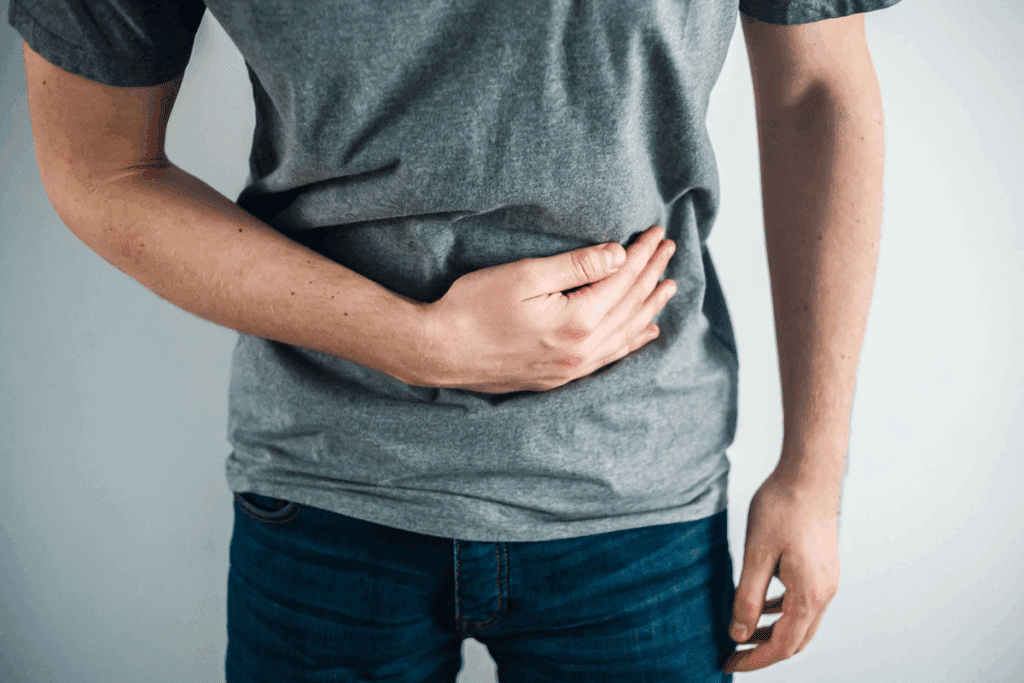
Feeling stuck with gas and bloating can be really uncomfortable. These symptoms might mean something more serious, like a hernia. A hernia happens when an organ or tissue bulges through a weak spot in the muscle or tissue that usually keeps it in place.Learn can a hernia cause bloating, gas buildup, and how to relieve digestive pressure.
There are many types of hernias, like inguinal, umbilical, and hiatal hernias. Each can cause different problems with digestion. For example, a hiatal hernia lets stomach acid move back into the esophagus. This can lead to pain and bloating.
It’s important to know how hernias and digestive problems are connected. This helps doctors figure out what’s wrong and how to fix it.
Key Takeaways
- Hernias can cause a range of digestive symptoms, including bloating and gas.
- Inguinal, umbilical, and hiatal hernias are types that can lead to these symptoms.
- A hiatal hernia can cause stomach acid to flow back into the esophagus.
- Understanding the type of hernia is key for the right treatment.
- Digestive issues caused by hernias can vary in severity and impact.
The Relationship Between Hernias and Digestive Symptoms
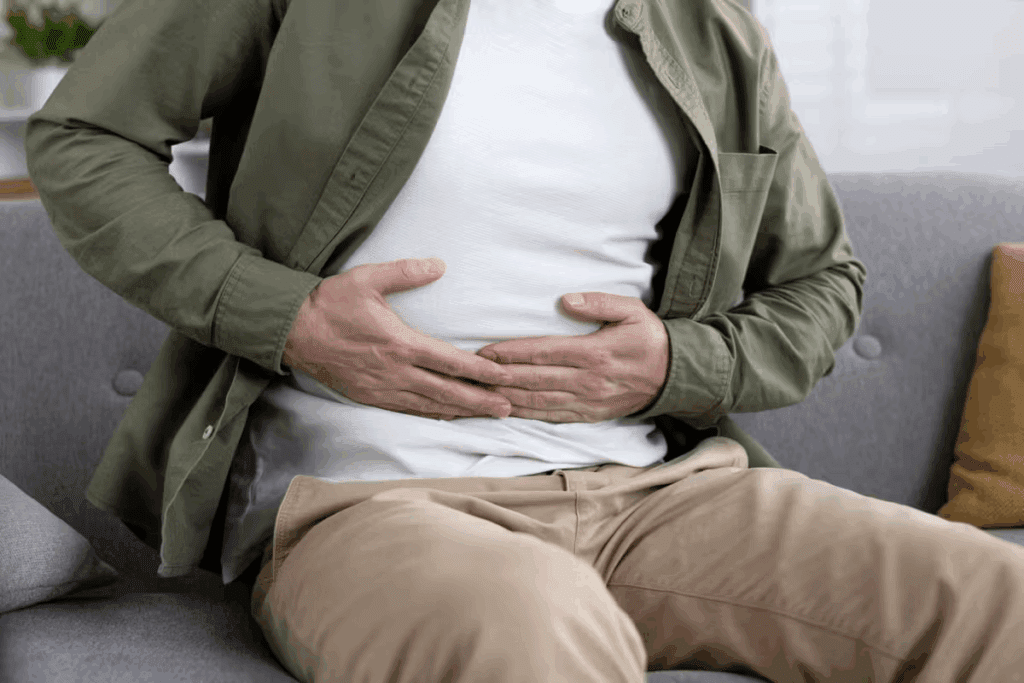
Hernias and digestive symptoms are closely linked. Hernias happen when an organ or tissue bulges through a weak spot in the muscle. This can mess up digestion and cause pain.
What Is a Hernia and How Does It Develop?
A hernia forms when the abdominal wall weakens. This lets organs or tissue bulge out. It can be caused by congenital conditions, injury, or strain from heavy lifting. Things like aging, obesity, or chronic coughing can make it worse by increasing pressure.
Hernias can pop up in different places, like the groin, belly button, or diaphragm. Each type affects digestion in its own way.
How Hernias Disrupt Normal Digestive Function
Hernias can mess with digestion. For example, a hiatal hernia lets stomach acid flow back into the esophagus. This can cause heartburn and bloating. Inguinal or umbilical hernias can trap intestine, leading to bowel issues and pain.
This disruption can cause symptoms like bloating, gas, and stomach pain. Knowing the type of hernia and its effect on digestion is key to managing symptoms.
Can a Hernia Cause Bloating? Understanding the Connection
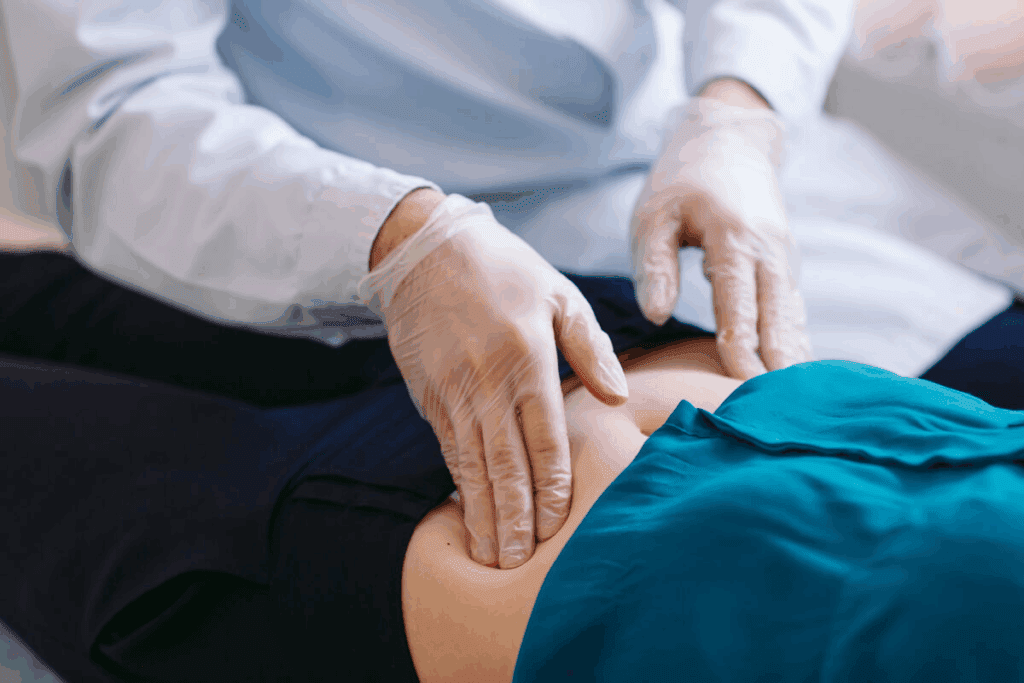
To understand how hernias and bloating are linked, we need to look at what happens in the body. Hernias can mess with how we digest food, leading to symptoms like bloating.
The Physiological Mechanisms Behind Hernia Bloating
Hernias can trap gas and change how we move our bowels. When a hernia happens, part of the intestine gets stuck. This can mess up how the intestine works and cause bloating.
Trapped gas is a big reason for bloating in hernia patients. When the intestine is blocked, gas builds up. This causes discomfort and swelling. Also, altered bowel movements can lead to constipation or diarrhea, making bloating worse.
Prevalence of Bloating Among Hernia Patients
Bloating is a common symptom in hernia patients, including those with umbilical hernias. Research shows many hernia patients experience bloating. But, how common it is can depend on the type of hernia and other factors.
| Type of Hernia | Prevalence of Bloating |
| Umbilical Hernia | 40% |
| Inguinal Hernia | 30% |
| Hiatal Hernia | 50% |
The fact that many hernia patients experience bloating shows why doctors should treat this symptom seriously. It’s part of taking care of the whole patient.
Key Fact #1: Different Hernia Types Affect Digestion Differently
Hernias and digestive symptoms have a complex relationship. Each type of hernia affects digestion in its own way. Hernias happen when an organ or tissue bulges through a weak spot in the muscle or tissue that usually keeps it in place. This can cause different digestive problems, depending on where the hernia is and which organs are involved.
Overview of Common Hernia Types
There are several hernia types that can mess with digestion. These include inguinal, hiatal, and umbilical hernias. Each type has its own traits and how it might affect your stomach.
- Inguinal Hernias: These happen when part of the intestine pushes through a weak spot in the abdominal muscles near the groin. Inguinal hernias can make you feel bloated and uncomfortable, worse if they get stuck or cut off blood flow.
- Hiatal Hernias: This type happens when the stomach pushes through an opening in the diaphragm. Hiatal hernias can cause gas, belching, and heartburn because of the changed anatomy.
- Umbilical Hernias: These occur around the belly button and can also affect digestion, but their impact is often less direct than inguinal or hiatal hernias.
How Location Influences Digestive Symptoms
The spot where a hernia is located greatly affects how it impacts digestion. For example, hernias near the diaphragm, like hiatal hernias, often lead to swallowing and reflux issues. On the other hand, inguinal hernias, which are farther from the diaphragm, might cause more localized discomfort and bloating.
Knowing the exact type and location of a hernia is key to figuring out and treating digestive symptoms. By understanding how different hernias affect digestion, doctors can give more focused treatments.
Key Fact #2: Hiatal Hernias and Their Unique Relationship with Gas
It’s important to understand how hiatal hernias and gas are connected. Hiatal hernias happen when part of the stomach bulges into the chest. This can cause digestive problems.
Does Hiatal Hernia Cause Gas? The Evidence
Studies show that hiatal hernias can lead to more gas. This is because the hernia can mess with digestion. People with hiatal hernias often feel better after treatment.
The reasons for gas in hiatal hernias are complex. Changes in the body, like anatomy and gut bacteria, play a role. These changes can cause bloating and gas.
Belching, Reflux, and Other Hiatal Hernia Symptoms
People with hiatal hernias may also belch and experience reflux. Belching happens because the stomach is in an odd position. This makes gas escape easily. Reflux is common too, as the hernia can weaken the esophageal sphincter. This lets stomach acid flow back up.
Managing symptoms well needs a full plan. This might include changing your diet, lifestyle, or even surgery to fix the hernia.
Key Fact #3: Inguinal Hernia Bloating and Associated Symptoms
It’s important to know how inguinal hernias and bloating are connected. An inguinal hernia happens when part of the intestine bulges through a weak spot in the abdominal muscles. This can cause various digestive issues, including bloating.
How Inguinal Hernias Affect Intestinal Function
Inguinal hernias can mess with how the intestine works. When part of the intestine gets trapped, it can cause gas and fluid to build up. This leads to bloating, and how bad it is depends on the size of the hernia and how much of the intestine is affected.
The way inguinal hernias cause bloating is by blocking part of the intestine. This blockage makes the intestine work harder, leading to more gas and discomfort. Sometimes, this can also cause nausea and vomiting.
Recognizing Inguinal Hernia Bloating Patterns
It’s key to know the bloating patterns linked to inguinal hernias. People with these hernias often feel bloated more as the day goes on. This can happen after eating or after being active.
| Symptom | Description | Associated Factors |
| Bloating | Feeling of fullness or swelling in the abdomen | Eating, physical activity |
| Abdominal Pain | Pain or discomfort in the groin or abdomen | Lifting heavy objects, straining |
| Nausea and Vomiting | Feeling queasy or vomiting | Intestinal obstruction, severe bloating |
Understanding these patterns helps doctors diagnose and treat inguinal hernia-related bloating better. Treatment might include changing your lifestyle, taking medicine, or surgery. This depends on how bad the symptoms are and the size of the hernia.
Key Fact #4: Umbilical Hernias and Their Impact on Digestion
An umbilical hernia can cause digestive problems like bloating and gas. This happens when part of the intestine bulges through an opening in the abdominal muscles near the navel. This condition can affect how well you digest food.
Do Umbilical Hernias Cause Bloating and Gas?
Yes, umbilical hernias can cause bloating and gas. When part of the intestine bulges, it can block gas and food. This can make you feel uncomfortable, bloated, and gassy.
A study in the Journal of Surgical Research found that people with umbilical hernias often feel bloated and uncomfortable. This is because the hernia can block the intestine.
“The presence of an umbilical hernia can lead to a buildup of gas and intestinal contents, causing discomfort and bloating.”
Journal of Surgical Research
Distinguishing Umbilical Hernia Symptoms from Other Conditions
It can be hard to tell if symptoms come from an umbilical hernia or another digestive problem. But, there are clues that can help figure it out.
| Symptom | Umbilical Hernia | Other Digestive Conditions |
| Bloating | Often associated with the size of the hernia | Can be caused by various factors such as diet, IBS, or other gastrointestinal issues |
| Gas | Can be trapped due to partial obstruction | Common in conditions like IBS or gastroparesis |
| Pain Location | Typically around the navel | Varies depending on the condition |
To find out what’s causing your symptoms, a doctor might do a physical exam and order tests like an ultrasound or CT scan.
In summary, umbilical hernias can really mess with digestion, causing bloating and gas. Knowing how they affect digestion and how to tell them apart from other issues is key to getting the right treatment.
Key Fact #5: Can a Stomach Hernia Cause Bloating?
The link between stomach hernias and bloating is complex. It involves many factors that lead to digestive discomfort. Stomach hernias, or ventral hernias, happen when the abdominal wall weakens or tears. This allows intestinal contents to bulge out.
Ventral Hernias and Their Effect on Digestive Comfort
Ventral hernias can lead to bloating and other digestive issues. This is because they block the intestine. The hernia also puts pressure on nearby tissues, messing with digestion.
Factors Contributing to Bloating in Ventral Hernias:
- Mechanical obstruction of the intestine
- Trapping of gas and intestinal contents
- Increased pressure on surrounding tissues
Managing Bloating with Stomach Hernias
To manage bloating from stomach hernias, you need to make lifestyle changes and get medical help. Eating less gas-producing food and smaller meals can help. These changes can ease symptoms.
| Management Strategy | Description | Benefits |
| Dietary Changes | Avoiding gas-producing foods, eating smaller meals | Reduces bloating and discomfort |
| Physical Activity | Regular exercise to improve digestion | Enhances overall digestive health |
| Medical Intervention | Surgical repair of the hernia | Resolves the underlying cause of bloating |
Understanding why stomach hernias cause bloating is key. By making the right changes, you can feel better and live a better life.
Key Fact #6: Hernia or Gas? Differential Diagnosis
Hernias and gas can have similar symptoms, making it important to figure out the difference. Bloating, discomfort, and pain are common and can be caused by many things, including hernias.
Similarities Between Hernia Symptoms and Other Digestive Issues
Hernia symptoms can look a lot like other digestive problems. For example, a hiatal hernia can cause belching, reflux, and discomfort, similar to GERD or IBS. Inguinal hernias can also cause abdominal discomfort that might be mistaken for gas or other digestive issues.
It’s key to know the specific signs of a hernia for accurate diagnosis. Hernias often cause pain or discomfort, usually when you cough, lift, or bend over. Gas and other digestive issues might cause more general discomfort without a clear cause.
When Bloating May Indicate a Hernia Complication
Bloating can sometimes mean there’s a problem with a hernia, like incarceration or strangulation. Incarceration happens when the hernia gets trapped and can’t go back in, which might cut off blood supply. Strangulation is worse, where blood supply is severely cut off, leading to tissue death. These are serious and need immediate medical help.
It’s important to know when bloating might mean a hernia complication. Severe pain, vomiting, fever, or bloating that doesn’t go away with usual remedies could be a sign of trouble. If you’re experiencing these symptoms, getting medical help right away is essential.
In summary, while hernias and gas share similar symptoms, it’s important to understand the differences. If you’re having persistent or severe symptoms, seeing a healthcare professional for a detailed check-up is the best step.
Key Fact #7: Will a Hernia Always Cause Bloating?
Not all hernias cause bloating. It’s important to understand why this is the case. The way bloating affects people with hernias can vary a lot.
Variability in Hernia Symptoms Among Patients
Bloating symptoms can vary a lot among people with hernias. Many things can affect this, like the type of hernia, its size, and the person’s health. For example, those with hiatal hernias might feel more bloating and digestive issues than others.
Where the hernia is located also matters a lot. Hernias near the digestive tract tend to cause more bloating and stomach problems. Knowing this helps doctors diagnose and treat better.
Factors That Influence Symptom Development
Several things can make a hernia more likely to cause bloating. These include:
- The type and size of the hernia
- The location of the hernia in relation to the digestive tract
- The patient’s overall health and presence of other medical conditions
- Lifestyle factors, such as diet and physical activity level
As a leading hernia specialist, notes, “The variability in symptoms among hernia patients shows the need for personalized care and treatment plans.”
“The relationship between hernias and digestive symptoms is complex and multifaceted. A thorough understanding of these factors is key for effective care.”
In summary, hernias can lead to bloating, but it’s not a sure thing. Knowing what affects symptoms can help both patients and doctors manage hernia-related bloating better.
Diagnosing and Treating Hernia-Related Bloating
Diagnosing and treating hernia-related bloating needs a detailed plan. This plan looks at the patient’s health and symptoms. Getting the diagnosis right is key to a good treatment.
Medical Tests and Examinations
Doctors start by taking a detailed medical history and doing a physical check-up. They might use tests to see if there’s a hernia and how it affects digestion.
- Imaging Tests: Ultrasound, CT scans, or MRI help see the hernia and the area around it.
- Endoscopy: This lets doctors look inside the body to find any problems with the hernia.
- X-rays: X-rays can spot blockages or other issues caused by hernias.
Conservative Management Approaches
For many, simple changes can help with hernia-related bloating. These changes aim to ease symptoms and improve life quality.
Dietary Changes: Eating differently, like avoiding certain foods and eating smaller meals, can help.
Medications: Doctors might suggest medicines to help with gas, bloating, or pain.
Surgical Interventions for Symptom Relief
If simple steps don’t work, surgery might be needed. Surgery aims to fix the hernia and ease symptoms.
| Surgical Approach | Description | Benefits |
| Open Hernia Repair | A traditional method with one incision to fix the hernia. | Works well for many hernias and has a simple recovery. |
| Laparoscopic Hernia Repair | A minimally invasive method with small cuts and a camera. | Usually means less pain and a faster recovery. |
Knowing about diagnosis and treatment options helps patients with hernia-related bloating. They can work with doctors to find the best plan.
Conclusion: Managing Life with Hernia-Related Digestive Symptoms
It’s important to know how hernias affect digestion. Different hernias can lead to bloating and discomfort. Spotting these signs early is key to getting the right medical help.
Handling hernia symptoms requires changes in lifestyle and medical treatments. For those with hernia bloating, avoiding certain foods and eating smaller meals can help. Sometimes, surgery is needed to fix the hernia and avoid bigger problems.
Learning about hernia bloating and how to manage it can boost your digestive health. If you’re dealing with ongoing or severe bloating, seeing a doctor is a must. They can find the cause and help you find a good treatment plan.
FAQ
Can a hernia cause bloating and gas?
Yes, different hernias can cause bloating and gas. This is because they can disrupt normal digestion.
Does a hiatal hernia cause gas and belching?
Yes, hiatal hernias can lead to more gas and belching. This is because they affect the stomach and esophagus.
Can an inguinal hernia cause bloating?
Yes, inguinal hernias can cause bloating. But how severe it is can vary from person to person.
Do umbilical hernias cause bloating and gas?
Yes, umbilical hernias can cause bloating and gas. But it’s important to figure out if it’s really a hernia or something else.
Can a stomach hernia, like a ventral hernia, cause bloating?
Yes, ventral hernias can make digestion uncomfortable and lead to bloating. Managing these symptoms often needs a detailed plan.
How can I tell if my bloating is related to a hernia or another digestive issue?
It’s important to figure out the difference. Knowing the signs of hernias and other digestive problems can help find the cause of bloating.
Will every hernia cause bloating?
No, not all hernias will cause bloating. The type and size of the hernia play a big role in symptoms.
What are the treatment options for hernia-related bloating?
Treatment can range from simple steps to surgery. It depends on how bad the symptoms are and the type of hernia.
Can gas with hernia be a sign of a complication?
Yes, sometimes bloating and gas can mean there’s a problem with the hernia. Getting checked by a doctor is very important.
Are there any specific diagnostic tests for identifying hernia-related bloating?
Yes, there are tests and exams that can help find out if bloating is from a hernia. They help doctors decide the best treatment.
References
Huttinger, R. (2023). Spigelian hernia. In StatPearls. National Library of Medicine. Retrieved from https://www.ncbi.nlm.nih.gov/books/NBK538290/



 Departments
 Related Videos
 Our Doctors
 News
News