
Gastroesophageal reflux disease (GERD) is a long-term health issue that affects about 20% of adults in North America. While it’s normal to have heartburn sometimes, chronic GERD needs ongoing care to manage it.belching and diarrheaOvarian Cancer Symptoms: Major Warning Sign
Many people wonder if their GERD symptoms will go away by themselves. But, studies show that GERD won’t get better on its own. It’s important to know the difference between short-term acid reflux and long-term GERD to keep your health safe.
Managing GERD well is key to feeling better. By taking the right steps, you can greatly improve your life. In this article, we’ll look into whether GERD is permanent and what you can do about it.
Key Takeaways
- GERD is a chronic condition affecting a significant portion of the adult population.
- Unlike occasional heartburn, GERD requires active management.
- Understanding the difference between temporary acid reflux and GERD is important.
- Effective management of GERD can greatly improve your quality of life.
- GERD is not a condition that will resolve on its own without treatment.
Understanding Acid Reflux and GERD
It’s important to know the difference between acid reflux and GERD. Acid reflux is common and can happen to anyone. But GERD is a more serious issue that happens often and lasts a long time.
The Difference Between Occasional Reflux and GERD
Occasional acid reflux is something many people deal with. It’s often caused by certain foods or how we eat. But GERD is a serious condition with acid reflux happening a lot. The main difference is how often and how bad the symptoms are.
GERD is diagnosed when acid reflux happens more than twice a week. It’s also when it causes other problems.
“GERD is not just a nuisance; it’s a condition that can significantly impact one’s quality of life, causing discomfort, pain, and potentially leading to more serious complications if left untreated.”
Prevalence and Impact on Quality of Life
GERD affects millions of people around the world. In the United States, about 20% of the population has GERD symptoms. It can really affect your life, not just your health but also your mood and daily activities.
Aspect of Life | Impact of GERD |
Diet and Nutrition | Restrictions on food choices, avoidance of trigger foods |
Sleep Quality | Disrupted sleep patterns due to nighttime reflux |
Daily Activities | Limitations due to discomfort or pain |
The Digestive Process and Where It Goes Wrong
The digestive process starts in the stomach and ends in the intestines. In GERD, the lower esophageal sphincter (LES) doesn’t work right. This lets stomach acid go back up into the esophagus, causing problems.
- The LES is a ring-like muscle that separates the esophagus and stomach.
- In GERD, the LES is weakened or relaxes inappropriately.
- Stomach acid flows back into the esophagus, causing irritation and symptoms.
Understanding GERD and how it’s different from acid reflux helps people make better choices for their health.
What Causes Acid Reflux and GERD?
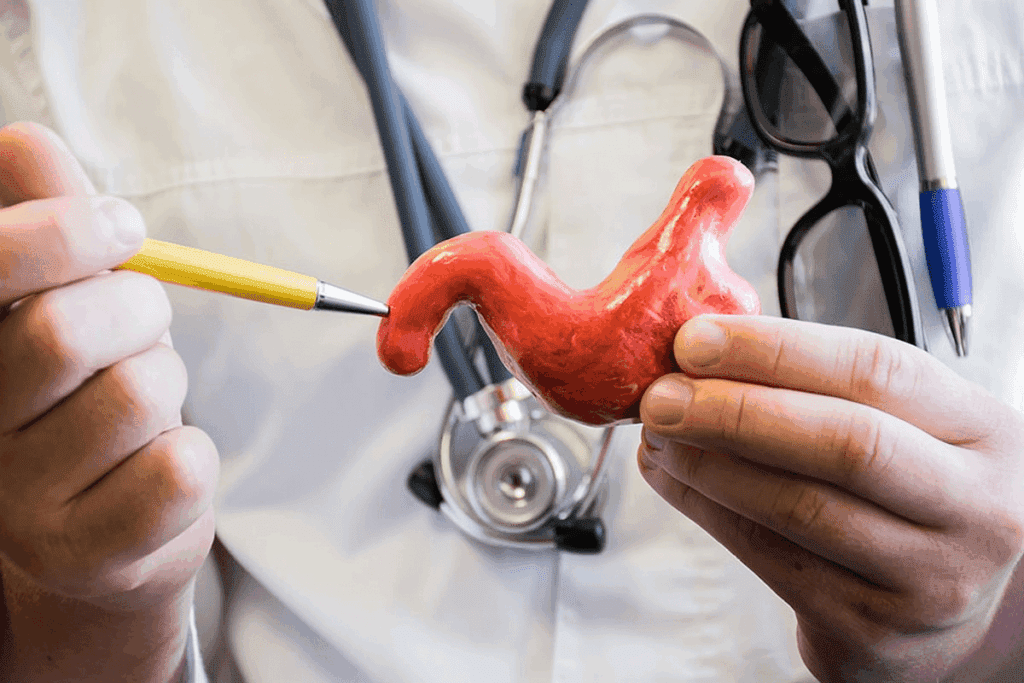
It’s important to know what causes acid reflux and GERD. These aren’t just simple stomach problems. They are complex issues influenced by many factors.
Lower Esophageal Sphincter (LES) Dysfunction
The Lower Esophageal Sphincter (LES) is key in stopping stomach acid from going back up. LES dysfunction is a main reason for acid reflux and GERD. If the LES doesn’t close right or relax when it should, stomach acid can flow back into the esophagus, causing symptoms.
“The LES is like a gatekeeper between the esophagus and the stomach,” a gastroenterologist says. “When this gatekeeper fails, it can lead to a cascade of uncomfortable symptoms associated with acid reflux and GERD.”
Hiatal Hernia and Other Anatomical Factors
A hiatal hernia happens when part of the stomach bulges into the chest. This can mess with the LES and make reflux worse. Other body shapes and sizes can also play a part in getting GERD.
- Hiatal hernia can weaken the LES.
- Anatomical abnormalities can affect stomach emptying.
- Structural issues can increase pressure on the stomach.
Delayed Gastric Emptying
Delayed gastric emptying, or gastroparesis, is another big factor in acid reflux and GERD. When the stomach takes too long to empty, it puts more pressure on the LES, causing reflux.
Looking into the causes of acid reflux and GERD shows they are complex. Knowing these causes helps find the best treatment and management.
Risk Factors for Developing GERD
Several factors can increase the chance of getting gastroesophageal reflux disease (GERD). Knowing these risk factors is key for prevention and managing the condition.
Obesity and Weight-Related Factors
Being overweight is a big risk for GERD. Extra weight, mainly around the belly, can push stomach acid up into the esophagus. Even a little weight gain can raise the risk of GERD symptoms.
Dietary Triggers and Habits
What you eat can affect GERD. Some foods and drinks can make symptoms worse. Foods like citrus fruits, tomatoes, chocolate, spicy dishes, and fatty foods can be culprits. Also, eating big meals can put extra pressure on the LES, leading to acid reflux.
Dietary Trigger | Possible Effect on GERD |
Citrus fruits and juices | Can irritate the esophagus and worsen heartburn |
Tomatoes and tomato-based products | May trigger acid reflux due to their acidity |
Chocolate | Can relax the LES, allowing more acid to reflux |
Medications That Can Worsen Reflux
Some medicines can make GERD symptoms worse. This includes calcium channel blockers, benzodiazepines, and some asthma meds. If you’re taking these and have GERD symptoms, talk to your doctor about other options.
Genetic Predisposition
Genetics can also play a part in GERD. If your family has a history of GERD or other stomach issues, you might be at higher risk. While you can’t change your genes, knowing this can help you manage your symptoms better.
By understanding and tackling these risk factors, you can lower your chance of getting GERD or better manage it if you have it.
Common Symptoms of GERD
GERD symptoms can really affect your daily life. Knowing these symptoms is key for diagnosing and managing the disease.
Typical Symptoms: Heartburn and Regurgitation
Heartburn and regurgitation are the main signs of GERD. Heartburn feels like a burning in your chest when stomach acid goes back up into your esophagus. Regurgitation is when stomach stuff comes back up into your mouth, leaving a sour taste.
These symptoms can get worse when you lie down, bend over, or eat big meals. For many, these symptoms happen often and can mess up your day. Remember, constant heartburn is not just a small problem. It’s a sign you might need to see a doctor.
Atypical Symptoms and Silent Reflux
Not everyone with GERD has the usual symptoms. Some might feel chest pain, have trouble swallowing, or feel like there’s a lump in their throat. Silent reflux is when stomach acid goes up into your throat without causing heartburn. This can lead to hoarseness, a chronic cough, or needing to clear your throat a lot.
When Symptoms Require Medical Attention
If your symptoms are severe or don’t go away, you should see a doctor. Symptoms like trouble swallowing, bad chest pain, or vomiting blood need quick attention. If your GERD symptoms change a lot, it’s also a good idea to talk to a healthcare provider.
Symptom | Description | When to Seek Medical Attention |
Heartburn | Burning sensation in the chest | If persistent or severe |
Regurgitation | Stomach contents return to the mouth | If frequent or accompanied by other symptoms |
Difficulty Swallowing | Feeling of food being stuck | Immediately, as it may indicate a complication |
Knowing about GERD symptoms can help you get the right care. While simple changes and some medicines can help with mild symptoms, serious cases need a doctor’s help. This can stop problems and make your life better.
Can Acid Reflux Go Away on Its Own?
We look into whether acid reflux can go away by itself. We compare occasional reflux to chronic GERD. Knowing the difference helps figure out how to handle symptoms.
Occasional Reflux vs. Chronic GERD
Occasional acid reflux is common and can be managed with lifestyle changes and over-the-counter meds. But, chronic GERD is a more serious issue that needs ongoing care.
Occasional reflux might clear up by itself, but chronic GERD needs constant treatment to avoid serious problems.
Factors That Determine if Reflux Will Resolve
Several things affect if acid reflux will go away by itself. These include the cause of the reflux, any physical issues, and how well lifestyle changes work.
- Dietary habits and food triggers
- Obesity and weight management
- Smoking and alcohol consumption
- Presence of hiatal hernia or other anatomical issues
Working on these areas can greatly help symptoms improve or go away.
Timeline for Possible Improvement
The time it takes for acid reflux symptoms to get better varies. For some, changing their diet and losing weight can help quickly, in just a few weeks.
Intervention | Typical Timeline for Improvement |
Dietary changes | 2-4 weeks |
Weight loss | 4-8 weeks |
Lifestyle modifications | 2-6 weeks |
It’s key to talk to a healthcare provider to find the best way and time to manage acid reflux symptoms.
Is GERD a Permanent Condition?
Understanding if GERD is permanent involves looking at its chronic nature and how to manage it. GERD, or gastroesophageal reflux disease, is when stomach contents flow back into the esophagus. This causes symptoms like heartburn and regurgitation.
The Chronic Nature of GERD
GERD is a chronic condition, meaning it lasts a long time and needs ongoing management. The problem is the lower esophageal sphincter (LES) doesn’t work right. It lets stomach acid flow back into the esophagus. This can cause inflammation and damage over time if not managed well.
Medical Expert. Pandolfino, a gastroenterologist, says, “GERD is a chronic condition that needs a detailed management plan to control symptoms and prevent complications.”
“The key to managing GERD is understanding its chronic nature and adopting a long-term approach to treatment.”
Progression of Untreated GERD
If GERD is not treated, it can get worse. This can lead to more severe symptoms and serious complications. Untreated GERD can cause esophagitis, stricture formation, and an increased risk of Barrett’s esophagus, a precursor to esophageal cancer. The progression of GERD depends on the severity of LES dysfunction, the presence of hiatal hernia, and the effectiveness of the esophageal clearance mechanism.
A study in the Journal of Clinical Gastroenterology showed untreated GERD patients had more esophageal complications than treated ones. The table below lists the possible complications of untreated GERD.
Complication | Description | Risk Factors |
Esophagitis | Inflammation of the esophagus | Severe acid reflux, LES dysfunction |
Stricture | Narrowing of the esophagus | Chronic inflammation, scarring |
Barrett’s Esophagus | Metaplastic change in the esophageal lining | Long-standing GERD, genetic predisposition |
Long-term Prognosis and Management
The long-term outlook for GERD patients depends on how well they manage their condition. With the right treatment, including lifestyle changes and medications, many can find relief from symptoms and avoid complications. A complete approach that includes dietary changes, weight management, and, when needed, medication is key to success.
Lifestyle modifications are vital in managing GERD. Avoiding trigger foods, eating smaller meals, and elevating the bed head are important. Medications like proton pump inhibitors (PPIs) and H2 receptor antagonists can also help by reducing acid production and easing symptoms.
In conclusion, while GERD is chronic, it can be managed effectively with the right approach. Understanding GERD’s chronic nature, its progression if untreated, and the benefits of proper management helps individuals take control of their condition. This improves their quality of life.
Lifestyle Modifications That Can Reduce or Eliminate GERD
Good news! Certain lifestyle changes can greatly reduce or even get rid of GERD symptoms. By changing daily habits and routines, people can manage their condition better and live a better life.
Dietary Changes That Make a Difference
Diet is key in managing GERD. Some foods and drinks can make symptoms worse, while others can help. Avoiding trigger foods like citrus fruits, tomatoes, chocolate, spicy foods, and fatty or fried foods can help reduce symptoms. Eating alkaline-rich foods like melons, bananas, and green leafy vegetables can also be beneficial.
Eating smaller, more frequent meals can help reduce pressure on the lower esophageal sphincter (LES), minimizing the risk of reflux. Also, avoiding eating at least 2-3 hours before bedtime can help prevent nighttime symptoms.
Weight Management and Exercise
Keeping a healthy weight is important for managing GERD. Excess weight, mainly around the abdomen, can put extra pressure on the stomach, causing acid to back up into the esophagus. Regular exercise and a balanced diet can help achieve and maintain a healthy weight, reducing GERD symptoms.
It’s not just about losing weight; regular physical activity can also improve digestion and reduce stress. Both can help manage GERD better.
Sleep Position and Timing of Meals
The way you sleep can greatly impact GERD symptoms. Elevating the head of the bed by 6-8 inches can help prevent stomach acid from flowing back into the esophagus during sleep. Sleeping on the left side can also help reduce symptoms by keeping the junction between the esophagus and stomach above the level of stomach acid.
Avoiding late-night meals and snacks can also help manage nighttime symptoms. Eating too close to bedtime can make reflux worse, so it’s important to time meals right.
Smoking Cessation and Alcohol Reduction
Smoking and alcohol consumption can both worsen GERD symptoms. Smoking cessation is key, as smoking can weaken the LES and reduce saliva production, which helps neutralize stomach acid. Limiting or avoiding alcohol can also help, as it can relax the LES and irritate the esophagus.
By making these lifestyle changes, individuals can significantly reduce their GERD symptoms and improve their overall quality of life. It’s about making sustainable changes that can have a lasting impact on health and well-being.
Natural Remedies and Alternative Treatments
Natural remedies and alternative treatments are promising for managing GERD symptoms. Many people are looking for ways to ease their symptoms, along with traditional treatments.
Herbal Supplements and Their Effectiveness
Herbal supplements are popular for helping with GERD symptoms. Some top herbs include:
- Ginger: It has anti-inflammatory properties that can soothe the digestive tract.
- Licorice Root: Supplements from licorice root may heal the stomach lining and reduce inflammation.
- Slippery Elm: This herb protects the mucous membranes in the esophagus and stomach.
While these supplements show promise, it’s key to talk to a GERD doctor or healthcare professional before using them.
Acupuncture and Other Complementary Therapies
Acupuncture is a traditional Chinese medicine that involves thin needles in specific body points. It’s believed to improve digestion and reduce stress, helping with GERD symptoms.
Other therapies that may help include:
- Yoga and Meditation: They can lower stress, which worsens GERD symptoms.
- Aromatherapy: Certain essential oils may relax and reduce symptoms.
Probiotics and Gut Health Approaches
Probiotics are live bacteria and yeasts good for gut health. They help keep the gut microbiome healthy, which is key for digestion and health.
Studies show probiotics may ease GERD symptoms by:
- Improving digestion
- Reducing inflammation in the esophagus
- Strengthening the gut barrier
Talking to a gastroesophageal reflux disease specialist can find the best probiotic for you.
Medical Treatments for GERD
Medical treatments for GERD aim to ease symptoms and enhance life quality. Many find a mix of lifestyle changes and medical treatments works best.
Over-the-Counter Medications
Over-the-counter (OTC) meds are often the first choice for GERD. These include:
- Antacids, which neutralize stomach acid and offer quick relief.
- H2 blockers, which cut down acid production in the stomach.
Examples of OTC meds are Tums, Rolaids, and Zantac. While they help, they might not work for everyone, like those with severe GERD.
Prescription Medications
For severe GERD, prescription meds are needed. These include:
- Proton pump inhibitors (PPIs), which are stronger than H2 blockers and last longer.
- Prokinetics, which strengthen the lower esophageal sphincter and aid in gastric emptying.
Examples of prescription meds are omeprazole (Prilosec) and lansoprazole (Prevacid). Always follow your doctor’s advice when using these.
Long-term Medication Use: Benefits and Risks
Long-term use of GERD meds, like PPIs, can have risks. These include:
- Increased risk of osteoporosis
- Vitamin B12 deficiency
- Potential for rebound acid hypersecretion
Yet, for many, the benefits of symptom control are worth it. Regular check-ups with your doctor are key to avoiding side effects.
Looking at GERD treatments, a tailored approach is best. Knowing the pros and cons of different meds helps people make better choices for their health.
Surgical Options for Treating GERD
Surgical treatments for GERD have evolved, giving patients new ways to manage their condition. When other treatments don’t work, surgery is a good option for many. It helps those with chronic GERD.
Fundoplication and Other Traditional Surgeries
Fundoplication is a traditional surgery for GERD. It wraps the upper stomach around the lower esophageal sphincter to stop reflux. This surgery can be done open or laparoscopically. It’s very effective, greatly reducing symptoms for many.
Minimally Invasive Procedures
Minimally invasive procedures, like laparoscopic fundoplication, are popular. They have less recovery time and fewer complications. These procedures use smaller incisions and cause less pain after surgery. Patients can usually get back to normal activities faster than with open surgery.
Who Is a Good Candidate for Surgery?
Good candidates for GERD surgery are those who haven’t responded to medicine, have side effects, or don’t want to take medicine long-term. A detailed evaluation, including endoscopy and esophageal manometry, is needed to see if surgery is right.
Success Rates and Recovery Expectations
The success rate of GERD surgery varies, but many see big improvements or no symptoms at all. Recovery times depend on the surgery type, with minimally invasive ones being quicker. It’s key to know the risks and benefits before deciding.
While surgery can be very effective, it’s not without risks. Complications can happen, and some may get new symptoms like trouble swallowing or gas bloating. But for many, the benefits are worth it, improving their quality of life a lot.
GERD in Special Populations
GERD shows up differently in pregnant women, children, and older adults. Each group faces unique challenges in diagnosing and treating GERD.
Pregnancy and Acid Reflux
Pregnancy brings many changes to the body, including the digestive system. Hormonal shifts, like the rise in progesterone, can relax the LES, causing acid reflux. The growing uterus also puts pressure on the stomach, making symptoms worse.
To manage GERD symptoms during pregnancy, making lifestyle changes helps. This includes changing what you eat and avoiding lying down after meals. Sometimes, a healthcare provider may suggest antacids or other medications.
GERD in Children and Infants
Children and infants can also have GERD. In babies, it might show as frequent spitting up or vomiting, irritability, and not gaining weight well. Older kids might have heartburn, stomach pain, and trouble swallowing.
For kids with GERD, making lifestyle changes and, if needed, using medication is key. Parents should keep a food diary to find out what triggers symptoms. Also, raising the head of the child’s bed can help during sleep.
Elderly Patients with GERD
Older adults are more likely to have GERD due to decreased esophageal motility, less saliva, and other health issues. Their symptoms can be more severe and might include esophagitis or stricture formation.
Treating GERD in the elderly often means a combination of medication, lifestyle changes, and managing other health conditions that can make GERD worse.
Managing GERD with Coexisting Conditions
People with other health conditions, like diabetes or asthma, face extra challenges with GERD. Some medications for these conditions can make GERD symptoms worse.
Condition | Impact on GERD | Management Strategy |
Diabetes | Delayed gastric emptying can exacerbate GERD symptoms. | Manage blood sugar levels; consider medications that enhance gastric emptying. |
Asthma | Certain asthma medications can relax the LES, worsening GERD. | Review asthma medication with a healthcare provider; consider alternative treatments. |
Obesity | Excess weight can increase pressure on the stomach, causing reflux. | Weight loss through diet and exercise; consider weight management programs. |
Managing GERD in special populations needs a personalized approach. It must consider the individual’s health, lifestyle, and specific needs.
Conclusion: Living Well With GERD
We’ve looked into acid reflux and GERD, seeing that occasional issues can be handled, but chronic cases need a bigger plan. The big question is, can acid reflux be cured, or is GERD a disease we can cure? The answer is yes, with the right management and lifestyle changes.
By making dietary changes, managing weight, and using medical treatments, people with GERD can live normally. It’s key to work with doctors to create a treatment plan that fits you. This way, we can manage symptoms and improve our lives.
Is GERD curable? There’s no single cure, but healthy habits and sticking to treatment plans can help a lot. We urge people to take charge of their health, make smart choices, and ask for help when needed.
Knowing about GERD’s causes, symptoms, and treatments helps us manage it better. With the right approach, we can reduce symptoms and enjoy a good quality of life.
FAQ:
Will GERD ever go away?
GERD is a chronic condition that needs ongoing management. With the right treatment and lifestyle changes, symptoms can be controlled. This improves your quality of life.
Does acid reflux disease go away?
Acid reflux disease, or GERD, is a chronic issue. It doesn’t just disappear. But, symptoms can be managed with lifestyle changes, medications, and treatments. This lets people live active lives.
Can GERD be cured?
GERD is a chronic condition, not curable in the traditional sense. But, it can be well-managed. Treatment options like lifestyle changes, medications, and surgery can greatly reduce symptoms. This improves your quality of life.
Is GERD a curable disease?
GERD is not curable, but it is treatable. Understanding its causes, symptoms, and treatments helps manage the condition. This reduces the risk of complications.
Can you have GERD and not know it?
Yes, it’s possible to have GERD without realizing it. Some people might have atypical symptoms or silent reflux. This makes diagnosis harder. If you have persistent or severe symptoms, see a healthcare professional for an evaluation.
Why does reflux happen?
Reflux happens when the lower esophageal sphincter (LES) weakens or relaxes too much. This lets stomach acid flow back into the esophagus. Lifestyle, anatomy, and genetics can all play a role in developing reflux.
Can acid reflux be cured?
Acid reflux can be managed and symptoms reduced, but it’s not usually “curable.” By making lifestyle changes and using medications or treatments as needed, symptoms can be controlled.
What are the risk factors for developing GERD?
Risk factors for GERD include obesity, certain diets, genetic predisposition, and more. Knowing these risk factors helps prevent GERD and seek medical help if symptoms appear.
Can you die from acid reflux in your sleep?
While rare, GERD complications like aspiration or severe esophagitis can be serious. But, with proper management and treatment, the risk of life-threatening complications is low.
How is GERD managed in special populations, such as pregnant women or children?
Managing GERD in special populations requires careful consideration. Healthcare professionals provide guidance on safe treatments for pregnant women, children, and others.
Is GERD harmful?
Untreated GERD can lead to serious complications like esophagitis, stricture, or Barrett’s esophagus. But, with proper management and treatment, these risks are reduced. This allows for an active, healthy life.
When should I seek medical attention for GERD symptoms?
If you have persistent, severe, or unusual symptoms, or if you’re worried about your GERD, see a healthcare professional. They can evaluate and guide you.
References:
National Center for Biotechnology Information. Evidence-Based Medical Guidance. Retrieved from https://www.ncbi.nlm.nih.gov/pmc/articles/PMC3935403/