Alcoholism can severely damage the liver, leading to jaundice. This condition makes the skin and eyes turn yellow because of high bilirubin levels. We look into how too much alcohol can cause jaundice, a serious health issue.
Drinking too much alcohol can harm the liver a lot. This can lead to serious health problems and even death from liver failure. Alcoholic hepatitis, a serious liver disease caused by alcohol, can also cause jaundice. Whether jaundice from alcoholism can be reversed depends on how damaged the liver is and if the person stops drinking.
Key Takeaways
- Alcoholism can directly cause jaundice through severe liver damage.
- Excessive alcohol consumption leads to liver dysfunction.
- The severity of liver damage determines the reversibility of jaundice.
- Ceasing alcohol consumption is key for recovery.
- Liver damage from alcoholism can lead to significant morbidity and mortality.
Understanding the Link Between Alcoholism and Jaundice
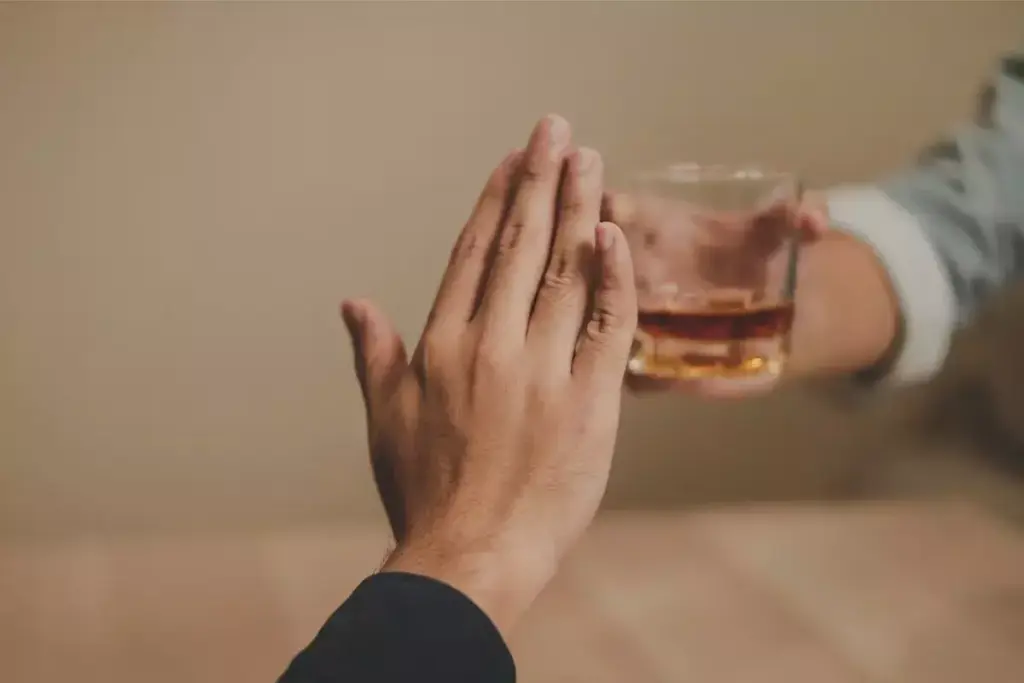
Alcoholism can cause jaundice because it harms the liver’s ability to break down bilirubin. Jaundice happens when the liver can’t handle bilirubin, a yellow pigment from broken-down red blood cells. Alcohol makes toxic substances that damage liver cells, leading to swelling and inflammation.
What Causes Jaundice in Alcoholics
In people with alcoholism, jaundice often shows liver damage. The liver is key in breaking down bilirubin. When it’s damaged, bilirubin builds up, causing yellow skin and eyes. Doctors say alcoholic hepatitis can cause this, leading to jaundice.
How Alcohol Disrupts Bilirubin Metabolism
Alcohol harms liver cells and causes inflammation. This makes it hard for the liver to process bilirubin. As a result, people may get jaundice and other symptoms.
The liver breaks down bilirubin through several steps. Alcohol can mess with these steps, mainly by affecting enzymes. This buildup of bilirubin in the blood causes jaundice.
Key factors contributing to jaundice in alcoholics include:
- Liver cell damage from alcohol’s toxic substances
- Inflammation and swelling in the liver
- Impaired bilirubin processing and excretion
Understanding these factors is key to treating jaundice in alcoholics. Recognizing how alcohol affects the liver helps us diagnose and treat jaundice and liver issues better.
Types of Jaundice Alcoholic Liver Disease
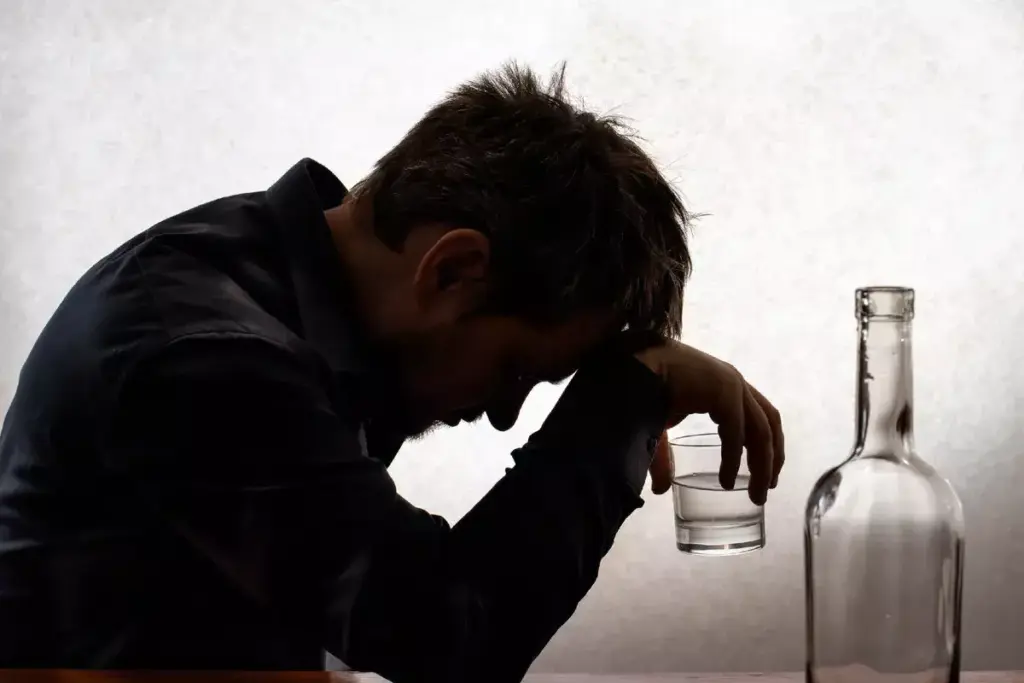
Prolonged alcohol abuse can lead to liver diseases like alcoholic fatty liver, alcoholic hepatitis, and cirrhosis. It’s important to understand these conditions to diagnose and treat jaundice caused by alcoholism.
Alcoholic Fatty Liver: The First Stage
Alcoholic fatty liver disease happens when fat builds up in liver cells. Most heavy drinkers get this condition. It can improve if they stop drinking.
“The liver has a remarkable ability to regenerate itself,” says experts. This means it can heal if alcohol use stops.
Alcoholic Hepatitis and Acute Jaundice
Alcoholic hepatitis is a more serious issue, causing liver inflammation. It can lead to jaundice and other symptoms. This shows the liver is badly damaged.
Acute jaundice here is a serious warning sign. It means you need to see a doctor right away. “Alcoholic hepatitis can lead to life-threatening complications,” doctors warn.
Cirrhosis: Advanced Liver Damage
Cirrhosis is the most severe liver disease. It scatters liver tissue, making it hard for the liver to work. Jaundice is a common symptom, along with portal hypertension.
Cirrhosis often comes from long-term alcohol use. It can cause serious health problems if not treated right.
In summary, liver damage gets worse from fatty liver to cirrhosis. Jaundice is a key symptom, mainly in the later stages. Early treatment and stopping alcohol are key to getting better.
Identifying and Diagnosing Alcoholic Jaundice
Spotting jaundice in people who drink a lot is key. It means knowing the signs and how doctors check for it. Jaundice makes the skin and eyes turn yellow, a big problem for those who drink too much.
Yellow Skin from Alcohol: Warning Signs
Jaundice is the first sign of liver trouble in drinkers. It happens when bilirubin, a yellow pigment, builds up. Other signs include feeling tired, not wanting to eat, and stomach pain.
As jaundice gets worse, the skin turns more yellow. You might also see dark pee and light-colored poop. Catching these signs early is vital for getting help fast.
Medical Assessment and Bilirubin Testing
Doctors use many steps to find out if someone has jaundice. They look at the patient’s past health, do a physical check, and run tests. A bilirubin test is very important because high levels mean jaundice.
| Diagnostic Test | Purpose | Indications |
| Bilirubin Test | Measures bilirubin levels in the blood | Elevated levels indicate jaundice |
| Liver Function Tests | Assesses liver damage and function | Abnormal results suggest liver dysfunction |
| Imaging Studies (e.g., Ultrasound) | Evaluates liver structure and detects abnormalities | May reveal signs of liver disease or damage |
When Jaundice Indicates a Medical Emergency
In serious cases, jaundice means a big problem like liver failure. If you have severe belly pain, throw up blood, or feel confused, get help right away.
It’s critical to know when jaundice is a big deal. Quick action can make a big difference. Knowing the signs and how doctors check can help get the right care and stop more liver harm.
Reversibility and Recovery from Alcoholic Jaundice
Recovering from alcoholic jaundice starts with knowing how alcohol harms the liver. It’s important to stop drinking alcohol. High bilirubin levels are a sign of severe liver problems caused by drinking too much.
Can Alcoholic Jaundice Go Away?
Studies show that bilirubin levels go down when you stop drinking. This is a key step towards getting better. Stopping alcohol is the main treatment for jaundice caused by drinking.
Treatment Approaches and Timeline
There are many ways to treat alcoholic jaundice. The first step is to stop drinking. Eating well also helps the liver heal. Drinking after being diagnosed with alcoholic hepatitis can be very dangerous.
Good treatment plans can really help.
| Treatment Component | Description | Timeline for Improvement |
| Abstinence from Alcohol | Complete stop of drinking to avoid more liver harm. | Immediate effects, with more improvement over time. |
| Nutritional Support | Good food to help the liver heal and stay healthy. | Improvements start in 2-6 months. |
| Medical Monitoring | Regular check-ups and tests to watch liver health. | Always ongoing, with changes as needed. |
Preventing Recurrence Through Abstinence
Staying away from alcohol is key to not getting jaundice again. It helps you get better now and keeps your liver safe in the future. Having support, like counseling and groups, helps stay sober.
In short, getting better from alcoholic jaundice is doable with the right steps. Knowing the causes, treatments, and the need to stay sober can help a lot.
Conclusion
It’s important to know how alcoholism and jaundice are connected. Alcoholic hepatitis jaundice is a serious issue caused by too much drinking. It damages the liver.
The outcome for people with alcoholic hepatitis depends on how bad the liver damage is and if they stop drinking. If they keep drinking, they risk getting worse liver problems. But, if they stop, the liver might heal. In some cases, can alcoholic jaundice go away? Yes, but it depends on the liver damage.
Jaundice from alcohol can get better with the right treatment and not drinking. Recognizing signs like yellow skin and getting medical help fast is key. By understanding the causes and using the right treatments, people can manage and even reverse jaundice. We believe that is jaundice reversible in many cases, with early action and staying sober.
FAQ
Can alcoholism cause jaundice?
Yes, alcoholism can cause jaundice. Drinking too much alcohol can harm the liver. This makes it hard for the liver to break down bilirubin, leading to jaundice.
What is jaundice, and how is it related to alcoholism?
Jaundice makes the skin and eyes turn yellow because of too much bilirubin. Drinking too much alcohol can damage the liver. This disrupts how the liver handles bilirubin, causing jaundice.
Can you get jaundice from drinking?
Yes, drinking too much alcohol can cause jaundice. The more and longer you drink, the higher the risk of jaundice.
Is jaundice from alcoholism reversible?
Sometimes, jaundice from alcoholism can get better with the right treatment. This includes stopping alcohol and getting the right nutrients. But, how well it gets better depends on the liver damage.
What are the warning signs of alcoholic jaundice?
Warning signs include yellow skin and eyes, dark urine, and pale stools. If you notice these, you should see a doctor.
How is alcoholic jaundice diagnosed?
Doctors use tests like bilirubin tests and liver function tests to diagnose jaundice. They also use imaging studies to see how much damage there is.
Can alcoholic jaundice go away on its own?
No, jaundice from alcohol usually doesn’t go away by itself. You need to stop drinking and get medical help to manage it.
What is the treatment for alcoholic jaundice?
Treatment includes stopping alcohol, getting the right nutrients, and managing any complications. The goal is to help the liver heal and prevent more damage.
How long does it take to recover from alcoholic jaundice?
Recovery time varies based on liver damage and treatment. With the right care and stopping alcohol, some people see big improvements.
Can bilirubin levels be high due to alcohol consumption?
Yes, drinking too much alcohol can raise bilirubin levels. This is because alcohol messes with the liver’s ability to process bilirubin, leading to jaundice.
Is jaundice a sign of a medical emergency?
Sometimes, jaundice can be a sign of a serious problem like severe liver damage. If you have severe jaundice, pain in your belly, or other serious symptoms, get help right away.
References
National Center for Biotechnology Information. Evidence-Based Medical Guidance. Retrieved from https://www.ncbi.nlm.nih.gov/books/NBK470217/



 Departments
 Related Videos
 Our Doctors
 News
News