


Otorhinolaryngology specialist at Liv Hospital.
View doctor profile →



Can an ear infection cause diarrhea? Learn about the systemic inflammatory response and antibiotic side effects that can cause gastrointestinal upset.
When kids have ear pain and diarrhea at the same time, it’s hard to know what to do first. These two issues often happen together. It’s important to understand why this happens to get the right medical help.
At places like Liv Hospital, doctors use a team effort to figure out what’s going on. They look at all the symptoms together. Even though ear infections don’t directly cause diarrhea, other things can make them happen together.
Key Takeaways
- Ear infections and diarrhea can coexist due to various factors.
- A thorough medical check-up is needed to find the real cause.
- Top healthcare providers use a team approach for complex cases.
- Knowing how ear infections and diarrhea are linked is key for the right treatment.
- Ear infections are common, mainly in kids, and are usually not serious.
The Relationship Between Ear Infections and Digestive Issues

Ear infections and digestive issues might seem unrelated at first. But, they can be linked through our body’s systems. Many patients face both ear infections and digestive problems, leading to questions about a possible connection.
Common Misconceptions About Ear Infections and Diarrhea
Some think ear infections cause diarrhea directly. But, the link is more complex. Ear infections mainly affect the middle ear. Diarrhea, on the other hand, is related to the gut. Understanding the connection requires looking at the causes and how our body reacts to infections.
Common misconceptions include:
- Believing ear infections directly cause gut symptoms
- Thinking both conditions are just a coincidence
- Ignoring how viruses can cause both ear infections and gut issues
Overview of Bodily Systems Involved
To grasp the link between ear infections and digestive issues, we must look at the body’s systems. The immune system is key in fighting infections, whether in the ear or gut.
The involved systems are:
- Immune System: Fights off infections and inflammation
- Respiratory System: Plays a role in ear infections, often due to viral infections
- Gastrointestinal System: Directly linked to digestive problems like diarrhea
Understanding how these systems work together can shed light on why some people get both ear infections and digestive issues. While the exact reasons are complex, knowing about these connections helps in treating both conditions better.
Types of Ear Infections and Their Symptoms
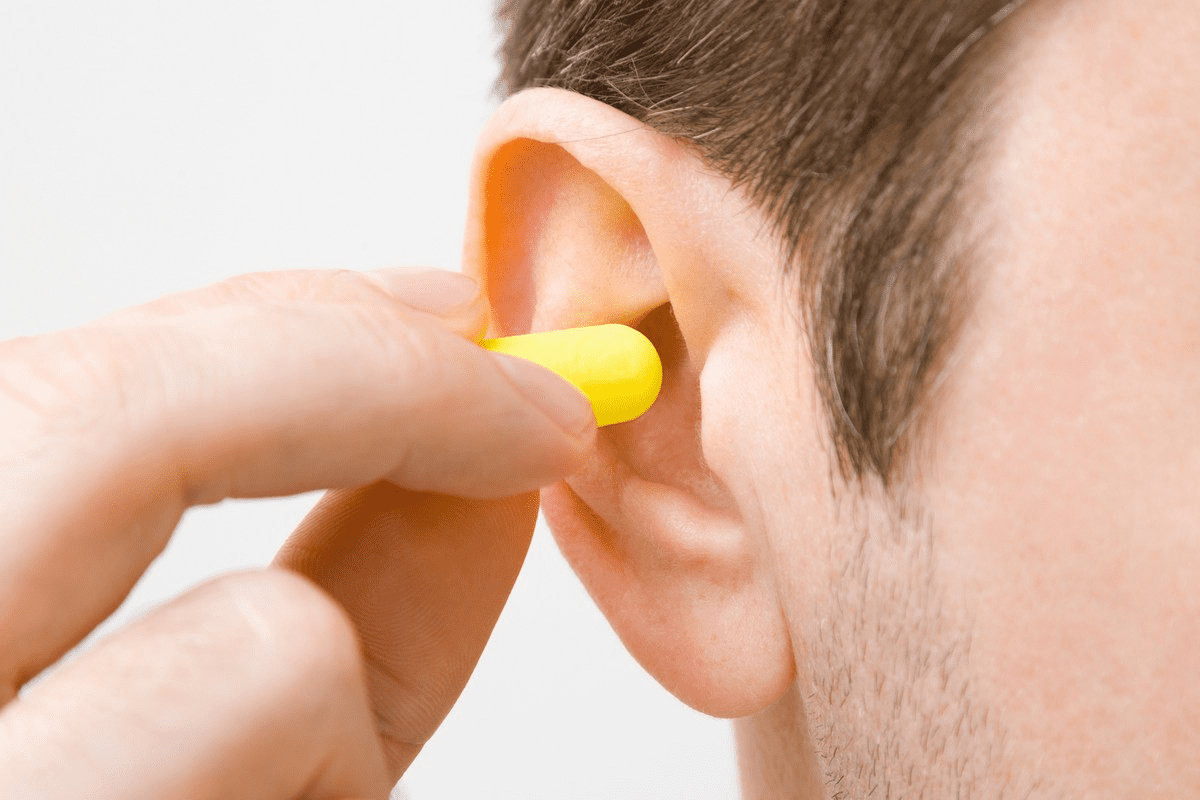
It’s important to know about the different ear infections. This helps us spot their symptoms and how they might link to issues like diarrhea. Ear infections can cause pain and fluid buildup in the ear, affecting various parts.
Acute Otitis Media
Acute otitis media is a common ear infection, mainly in kids. It causes middle ear inflammation, leading to pain, fever, and hearing loss. Sometimes, it can even cause a ruptured eardrum, leading to discharge.
Otitis Media with Effusion
Otitis media with effusion happens when fluid builds up in the middle ear without an infection. It can make hearing hard and feel like the ear is full. It often follows an acute ear infection.
Otitis Externa (Swimmer’s Ear)
Otitis externa, or swimmer’s ear, affects the outer ear canal. It’s caused by water in the ear canal, creating a moist spot for bacteria or fungus. Symptoms include itching, redness, and pain, worse when pulling the outer ear.
Recognizing Ear Pain and Associated Symptoms
Ear pain is a common sign of different ear infections. Knowing the type of pain and other symptoms like fever or hearing loss is key. Seek medical help if symptoms don’t get better or get worse.
Ear infections mainly affect the ear but might also impact other parts of the body, like the stomach. Some studies suggest a link between infections and stomach issues like diarrhea. But, the exact reasons are not yet clear.
Understanding Diarrhea as a Symptom
Diarrhea is a symptom that can affect anyone. It’s important to know its causes and how it affects different ages. Diarrhea is when you have loose, watery stools or need to go to the bathroom a lot. It can be caused by infections, what you eat, or other health issues.
Causes of Diarrhea in Different Age Groups
Diarrhea’s causes change with age. This is because of differences in immune strength, exposure to germs, and diet.
In babies and young kids, diarrhea often comes from viruses like rotavirus. Bacteria and parasites are also common, mainly in places with bad sanitation. Adults usually get diarrhea from food poisoning, traveling, or as a side effect of some medicines.
For older adults, diarrhea might be linked to long-term health issues or certain medicines. Their aging bodies and immune systems make them more prone to infections that cause diarrhea.
Age Group | Common Causes of Diarrhea |
Infants and Young Children | Viral infections (e.g., rotavirus), bacterial infections, parasitic infestations |
Adults | Food poisoning, traveler’s diarrhea, antibiotic-associated diarrhea |
Older Adults | Chronic conditions (e.g., diabetes), medication side effects, age-related changes in gut flora |
Acute vs. Chronic Diarrhea
Diarrhea can be either acute or chronic. Acute lasts less than two weeks and is often from infections or food poisoning. Chronic lasts more than four weeks and might mean there’s a serious issue.
Acute diarrhea usually gets better with rest and staying hydrated. But chronic diarrhea needs a detailed check-up to find the cause and treat it.
It’s key to know if diarrhea is acute or chronic. Acute might not need much medical help, but chronic does. Chronic diarrhea needs a full check-up to find and treat the underlying problem.
Can an Ear Infection Cause Diarrhea? Examining the Evidence
Studies have looked into if ear infections and diarrhea are linked, mainly in kids. Ear infections mainly affect hearing, but research hints at a connection with the gut too.
Research Findings on Coexistence
Research shows ear infections and diarrhea often happen together in young kids. A study found that about 45% of kids under 2 with diarrhea also have ear infections. This doesn’t mean one causes the other, but they might share common causes.
Young kids’ ear, nose, and throat anatomy and their growing immune systems play a role. The Eustachian tube, which connects the middle ear to the back of the nose and throat, is shorter and more horizontal in kids. This makes it easier for germs to get into the middle ear.
Statistical Correlation in Children Under Two
Studies have found a strong link between ear infections and diarrhea in kids under two. The table below shows some key findings from recent studies.
Age Group | Prevalence of Ear Infections | Prevalence of Diarrhea | Coexistence of Both Conditions |
0-12 months | 35% | 25% | 20% |
13-24 months | 40% | 30% | 25% |
These numbers highlight the need to look at both ear infections and stomach issues in young kids. Knowing how these conditions are connected helps doctors treat kids better.
Viral Infections: The Common Culprit
We look into how viral infections can cause ear infections and stomach problems like diarrhea. Viral infections are a big health worry because they can hit many parts of the body at once.
How Viruses Affect Multiple Body Systems
Viruses target different parts of the body, causing various symptoms. When a virus attacks, it can make organs like the ears and stomach work poorly.
Viral infections can lead to ear infections by:
- Causing Eustachian tube dysfunction
- Leading to fluid buildup in the middle ear
- Causing inflammation that can result in ear pain and infection
Viruses can also mess with the stomach, causing diarrhea. The body’s fight against viruses can make the intestines move more and secrete more fluid, leading to diarrhea.
Common Viruses That Cause Both Ear Infections and Diarrhea
Some viruses are often linked to both ear infections and stomach issues. Adenovirus and enteroviruses are two examples.
Virus | Common Symptoms | Age Group Most Affected |
Adenovirus | Ear infections, diarrhea, respiratory symptoms | Children under 5 years |
Enteroviruses | Diarrhea, fever, ear infections, rash | Children and infants |
Knowing how viral infections cause ear infections and diarrhea helps in finding the right treatment. Spotting the common viruses behind these issues lets doctors give more focused care.
“Viral infections are a leading cause of both ear infections and gastrointestinal symptoms in children. Identifying the specific virus involved can guide treatment decisions.”
Medical Expert, Pediatrician
By understanding the link between viral infections, ear infections, and diarrhea, we can manage these issues better. This leads to better health outcomes for patients.
The Immune System Response Connection
Ear infections and diarrhea might seem unrelated at first. But, the immune system’s response shows they are connected. When the body finds an infection, it starts an immune response. This response can affect many parts of the body, including the stomach.
Cytokines and Their Role in Inflammation
Cytokines are small proteins that cells release. They help cells talk to each other. During an ear infection, cytokines are key in starting inflammation. The release of cytokines can cause inflammation in the ear and other parts of the body, like the stomach.
Medical Expert, an immunologist, explains, “Cytokines are the messengers of the immune system. Their release can affect many parts of the body. This can lead to symptoms like diarrhea when there’s an ear infection.”
How Immune Responses Affect Intestinal Motility
The immune response can change how the digestive system moves. Cytokines can make the muscles in the intestinal wall move more. This can cause diarrhea. This shows how an ear infection can indirectly cause stomach problems.
Systemic Inflammatory Response
The body’s reaction to an infection or injury is called the systemic inflammatory response. It involves cytokines and other inflammatory substances in the blood. This response can affect many parts of the body, including the stomach. In the case of an ear infection, this response may lead to diarrhea.
Understanding how the immune system connects ear infections to diarrhea shows the body’s complex interactions. By knowing these connections, doctors can give better care. They can treat the main infection and its side effects.
Antibiotics and Digestive Side Effects
Antibiotics are often used to treat ear infections. But, they can upset our gut’s balance, leading to diarrhea. It’s key to know how they might affect our digestion when we take them for an ear infection.
Common Antibiotics Prescribed for Ear Infections
Doctors usually give a few antibiotics for ear infections. Some common ones are:
- Amoxicillin
- Azithromycin
- Cefaclor
- Cefuroxime
These antibiotics fight off bad bacteria but can also mess with our gut’s good bacteria.
How Antibiotics Disrupt Gut Flora
Antibiotics kill both good and bad bacteria in our gut. When we lose good bacteria, bad ones can grow too much. This can cause problems like diarrhea.
Antibiotic | Effect on Gut Flora | Potential Side Effects |
Amoxicillin | Reduces beneficial bacteria | Diarrhea, nausea |
Azithromycin | Alters gut microbiota | Diarrhea, abdominal pain |
Cefaclor | Disrupts normal flora | Diarrhea, vomiting |
Managing Antibiotic-Associated Diarrhea
To deal with diarrhea from antibiotics, drinking lots of water is important. Also, think about taking probiotics to fix our gut’s balance.
Probiotics can add back good bacteria in our gut. This might make diarrhea less severe. Foods like yogurt, kefir, and fermented veggies are full of probiotics.
Knowing how antibiotics affect our digestion and taking steps to manage it can help. This way, we can lower the chance of getting diarrhea when treating ear infections.
Ear Pain and Diarrhea: Special Considerations in Children
Children are more likely to get ear infections and stomach problems. This is because their bodies are not fully grown yet. It’s important to know why they get sick more easily.
Why Children Are More Susceptible to Both Conditions
Children’s immune systems are not as strong as adults’. Their ears are also different. The tubes in their ears are shorter and easier for germs to get in.
Children’s bodies are not good at telling the difference between good and bad stuff. This can lead to their immune system reacting too much. This can cause symptoms like diarrhea.
“The immaturity of the gut microbiota and the immune system in children contributes significantly to their susceptibility to gastrointestinal infections and associated symptoms like diarrhea,” notes a study on pediatric gastrointestinal health.
Anatomical Differences in Children’s Ears
Children’s ears are not like adults’. Their Eustachian tubes are shorter and more horizontal. This makes it harder for their ears to drain properly.
This, along with their developing immune system, makes them more likely to get ear infections.
The Impact of Nutritional Status on Symptom Severity
What a child eats is very important for their health. Good food helps their immune system fight off infections better. Bad food can weaken their immune system and make symptoms worse.
Nutritional considerations for children with ear infections and diarrhea include:
- Ensuring adequate hydration to prevent dehydration, specially in cases of diarrhea
- Providing a balanced diet rich in essential nutrients to support immune function
- Considering supplements if necessary, under the guidance of a healthcare provider
By knowing these things and taking action, parents can help their kids feel better. This includes making sure they eat well and stay hydrated.
Diagnosing the Root Cause: When to See a Doctor
It’s important to know when to see a doctor for ear infections and diarrhea. If you have both ear pain and diarrhea, it’s key to figure out if they’re related or not.
Differentiating Between Related and Unrelated Symptoms
Figuring out if ear pain and diarrhea are connected or not needs careful thought. We must look at other symptoms and medical history. It’s possible a viral infection could be causing both, or they might be separate issues.
Key factors to consider:
- Duration and severity of symptoms
- Presence of fever or vomiting
- Recent travel or exposure to illness
- Previous history of ear infections or gastrointestinal issues
Warning Signs That Require Medical Attention
Some symptoms need immediate medical help. If you or your child have any of these, get medical help right away:
- Severe ear pain or hearing loss
- Blood or pus in stool or ear discharge
- High fever (over 102°F)
- Signs of dehydration (excessive thirst, dark urine, dizziness)
- Confusion or irritability
What to Expect During Medical Evaluation
When you see a doctor for ear infection and diarrhea, expect a thorough check-up. The doctor will likely:
Evaluation Step | Description |
Medical History | Review of symptoms, medical history, and recent exposures |
Physical Examination | Examination of the ear, throat, and abdomen |
Diagnostic Tests | Potential tests include ear examination with a pneumatic otoscope, hearing tests, or stool tests |
Knowing the cause of symptoms is key for the right treatment. By knowing when to get medical help and what to expect, we can get the right care for ear infections and diarrhea.
Treatment Approaches for Concurrent Ear Infection and Diarrhea
Dealing with ear infections and diarrhea at the same time needs a careful plan. It’s important to think about how treating one might affect the other.
Managing Ear Infections While Addressing Digestive Issues
Ear infections often need antibiotics. But, when you also have diarrhea, picking the right antibiotic is key. We must also watch out for antibiotics’ effects on the gut, which can make diarrhea worse.
- Antibiotic Selection: It’s important to choose an antibiotic that fights the ear infection well but doesn’t upset your stomach too much.
- Probiotics: Adding probiotics to your treatment can help keep your gut healthy and lower the chance of diarrhea from antibiotics.
Medication Considerations and Alternatives
For some, treatments other than antibiotics might be better, like if the ear infection is viral. For diarrhea, medicines that slow down your bowel can be used carefully. But, they might make things worse if your diarrhea is caused by an infection.
Always talk to a healthcare provider to figure out the best treatment. They can decide if you need antibiotics and suggest the best way to handle your diarrhea.
Supportive Care for Both Conditions
Supportive care is very important for both ear infections and diarrhea. It includes drinking enough water, managing pain, and eating well.
Condition | Supportive Care Measures |
Ear Infection | Pain management with over-the-counter pain relievers, warm compresses |
Diarrhea | Oral rehydration solutions, electrolyte replacement, dietary adjustments |
With a complete treatment plan for both ear infections and diarrhea, patients can feel better faster and recover sooner.
Preventive Measures to Reduce Risk of Both Conditions
To prevent ear infections and diarrhea, we need to take several steps. Good hygiene, the right diet, and boosting our immune system are key. By doing these things, we can lower our chances of getting sick.
Hygiene Practices
Keeping clean is very important to avoid ear infections and diarrhea. Frequent handwashing with soap and water is a top way to stop infections. Also, kids should not put things in their ears to avoid germs.
It’s also important to keep our ears dry, like after swimming. Using ear drops after swimming can help some people.
Dietary Considerations
Eating a balanced diet with lots of fruits, veggies, and whole grains helps our immune system. Foods high in antioxidants, like berries and leafy greens, offer extra benefits.
It’s also good to avoid foods that can cause allergies or intolerance. These can lead to ear infections or stomach problems like diarrhea.
Nutrient | Food Sources | Benefit |
Vitamin C | Oranges, strawberries, bell peppers | Boosts immune system |
Zinc | Oysters, beef, chicken | Supports immune function |
Fiber | Whole grains, beans, broccoli | Promotes gut health |
Immune System Support
Keeping our immune system strong is key to fighting off infections. Adequate sleep, regular exercise, and managing stress are all important. They help our immune system work better.
Supplements like vitamin C and zinc can also help. But, it’s important to talk to a doctor before starting any new supplements.
Environmental Factors
Things like smoke and pollution can make us more likely to get sick. Avoiding secondhand smoke and reducing pollution can help. This lowers the risk of ear infections and other breathing problems.
Also, making sure our homes are well-ventilated and avoiding strong chemicals helps keep our environment healthy.
By following these steps, we can greatly reduce our chances of getting ear infections and diarrhea. This helps us stay healthy and feel our best.
Conclusion: Understanding the Indirect Connection Between Ear Infections and Diarrhea
We’ve looked into how ear infections and diarrhea are connected, even though they’re different. It’s not straightforward if an ear infection can lead to diarrhea. Our findings show that ear infections don’t directly cause diarrhea.
But, they can happen together because of shared causes. For example, some viruses can hit both the ears and the stomach. This shows how our body systems are linked.
Knowing that ear infections and diarrhea can happen together is key. It helps us treat them better. By spotting the signs of both, people can get the right medical help. This lowers the chance of serious problems.
To wrap it up, having diarrhea with an ear infection isn’t a direct cause-and-effect. Yet, it’s vital to look at the bigger picture of health. This way, we can offer better care and support for those with these symptoms.
FAQ
Can an ear infection directly cause diarrhea?
No, ear infections don’t directly cause diarrhea. But, the virus or bacteria causing the ear infection might also affect your stomach, leading to diarrhea.
Why do ear infections and diarrhea often coexist in children?
Kids are more likely to get both ear infections and diarrhea. This is because their immune systems are not fully developed. Viruses that cause ear infections can also upset their stomachs, leading to diarrhea.
How do viral infections cause both ear infections and diarrhea?
Some viruses, like RSV and adenovirus, can infect different parts of the body. This includes the ears and stomach, causing both ear infections and diarrhea.
Can antibiotics for ear infections cause diarrhea?
Yes, antibiotics for ear infections can upset the balance of good bacteria in your gut. This can lead to diarrhea, a common side effect of broad-spectrum antibiotics.
How can I manage diarrhea while being treated for an ear infection?
To manage diarrhea, drink plenty of water and eat a balanced diet. Consider taking probiotics. It’s also important to follow your ear infection treatment and talk to a doctor if symptoms get worse.
Are there any preventive measures to reduce the risk of both ear infections and diarrhea?
Yes, good hygiene and a healthy diet can help. Wash your hands often, avoid secondhand smoke, and eat lots of fruits, veggies, and whole grains. These steps can boost your immune system and lower the risk of both conditions.
When should I seek medical attention for concurrent ear infection and diarrhea?
Seek medical help if you have severe ear pain, high fever, bloody stools, or dehydration signs. A doctor can check how serious the conditions are and guide the right treatment.
Can nutritional status impact the severity of ear infections and diarrhea?
Yes, your diet affects your immune system. Eating well is key to fighting off infections and reducing the severity of ear infections and diarrhea.
Do ear infections cause runny nose?
Ear infections can lead to a runny nose, often due to a viral infection. The Eustachian tube issues can also cause nasal congestion.
Can an ear infection cause diarrhea in adults?
While less common, adults can also get diarrhea from an ear infection. This is more likely if the infection is caused by a virus or bacteria that affects other parts of the body.
References
National Center for Biotechnology Information. (2025). Can an Ear Infection Cause Diarrhea Understanding the. Retrieved from https://www.ncbi.nlm.nih.gov/books/NBK470332/


