
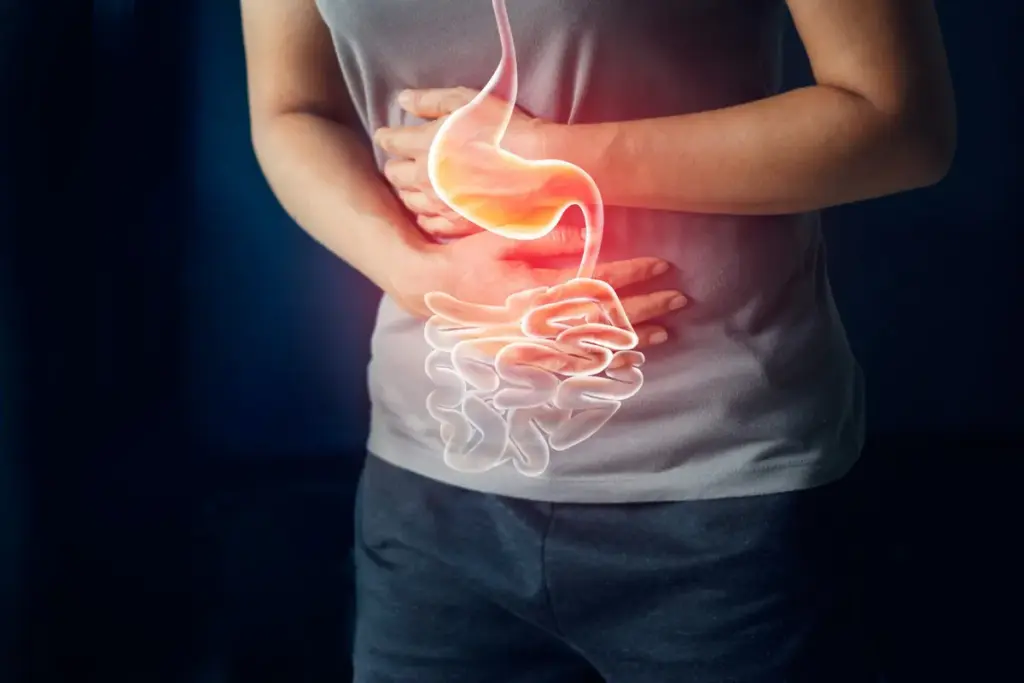
At Liv Hospital, we understand the complex world of gut health. Celiac disease is an autoimmune issue caused by gluten, harming the small intestine. Studies show people with celiac disease are almost 4 times more likely to get inflammatory bowel disease (IBD). This includes ulcerative colitis.
The link between celiac disease and colitis is deep. It involves common immune responses and similar symptoms. We’re diving into this connection to help patients understand the risks and what it means for them.
Key Takeaways
- Celiac disease is an autoimmune disorder triggered by gluten.
- There’s a significant association between celiac disease and an increased risk of IBD.
- Patients with celiac disease are at a higher risk of developing colitis.
- Shared immunological mechanisms underlie the connection between celiac disease and colitis.
- Understanding this connection is key for better patient care.
Understanding Celiac Disease and Colitis: Key Differences

Celiac disease and colitis are two different conditions that affect the gut. Celiac disease is an autoimmune reaction to gluten that damages the small intestine. Colitis, on the other hand, is inflammation of the colon caused by various factors.
What is Celiac Disease?
Celiac disease is a chronic autoimmune disorder. It happens in people who are genetically predisposed. It causes an immune reaction to gluten, damaging the small intestine and leading to malabsorption of nutrients.
Symptoms include diarrhea, bloating, anemia, and fatigue. For more information, visit Mayo Clinic’s celiac disease page.
Types of Colitis: Ulcerative and Microscopic
Colitis includes several conditions with inflammation of the colon. The main types are ulcerative colitis and microscopic colitis. Ulcerative colitis causes chronic inflammation and ulcers in the colon. Microscopic colitis has inflammation only visible under a microscope, causing chronic diarrhea.
Primary Symptoms and Affected Areas
The symptoms and affected areas of celiac disease and colitis are different. Celiac disease mainly affects the small intestine, causing malabsorption and nutritional deficiencies. Colitis, on the other hand, affects the colon, leading to symptoms like diarrhea and abdominal pain.
| Condition | Primary Symptoms | Affected Area |
| Celiac Disease | Diarrhea, bloating, anemia, fatigue | Small intestine |
| Ulcerative Colitis | Diarrhea, abdominal pain, rectal bleeding | Colon |
| Microscopic Colitis | Chronic diarrhea, abdominal pain | Colon |
Can Celiac Disease Cause Colitis? Examining the Evidence
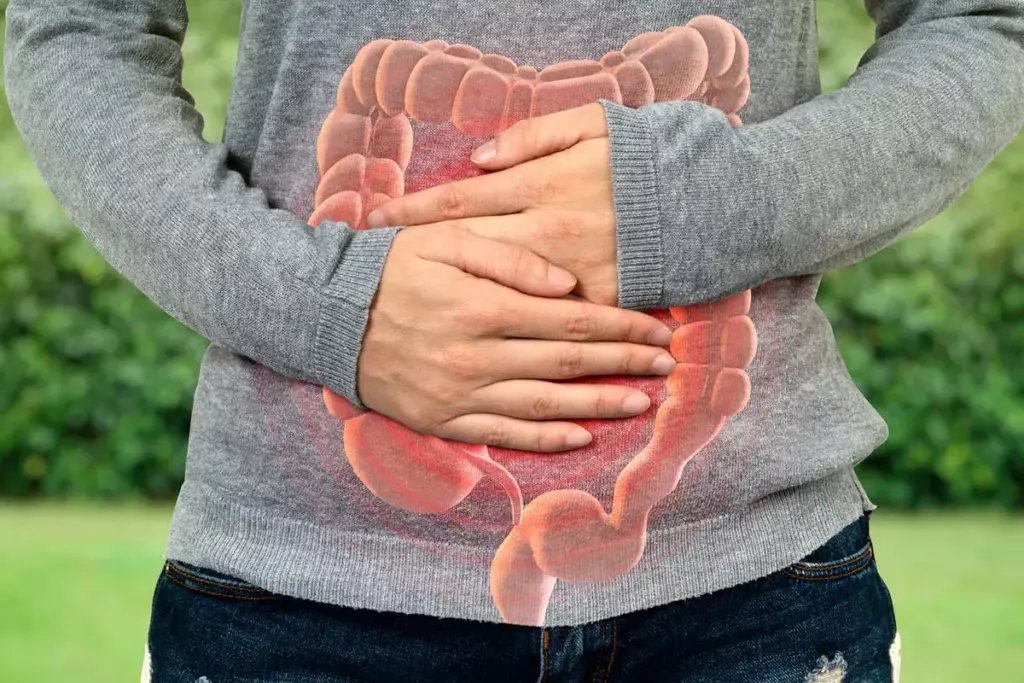
The link between celiac disease and colitis is getting more attention in the medical world. Looking into the evidence, we see strong connections between these two conditions. This makes it important to study them further.
Statistical Risk Factors and Associations
Studies show that people with celiac disease are more likely to get inflammatory bowel disease (IBD), which includes colitis. A study found that the risk of IBD is nearly double in patients with celiac disease compared to the general population. This shows doctors need to watch for colitis in patients with celiac disease.
“The increased risk of inflammatory bowel disease in patients with celiac disease highlights the complex relationship between autoimmune conditions,” a recent medical journal article notes. This complexity is seen in the shared immune responses and genetic factors of celiac disease and colitis.
Shared Immunological and Genetic Mechanisms
Celiac disease and colitis both involve an abnormal immune response. In celiac disease, gluten triggers an immune attack on the small intestine. In colitis, the immune system attacks the colon lining, causing inflammation and ulcers. The presence of certain genetic markers, such as HLA-DQ2 and HLA-DQ8, is common in both conditions, suggesting a genetic predisposition to these autoimmune diseases.
The shared genetic and immunological mechanisms between celiac disease and colitis explain their association. Understanding these mechanisms is key to finding effective treatments for patients with both conditions.
As we look deeper into the connection between celiac disease and colitis, it’s clear we need a complete approach to diagnosis and treatment. This means managing symptoms, addressing autoimmune responses, and considering genetic factors.
Diagnosis and Treatment Approaches for Overlapping Conditions
Diagnosing and treating patients with celiac disease and colitis needs a detailed plan. We must understand both conditions well to care for them effectively.
Distinguishing Celiac Disease vs. Ulcerative Colitis
Telling celiac disease apart from ulcerative colitis can be hard because their symptoms are similar. Serologic testing and intestinal biopsy are key for celiac disease. For ulcerative colitis, endoscopy and histological examination are essential. A study in a medical journal shows how important accurate diagnosis is for managing these conditions well [Celiac disease research].
It’s important to know the differences between these conditions to plan the right treatment. Both have symptoms in the gut, but they have different causes and effects.
Managing Non-Responsive Celiac Disease
Some people with celiac disease don’t get better on a gluten-free diet, known as non-responsive celiac disease. Small intestine bacterial overgrowth (SIBO) is a common issue that can cause ongoing symptoms. We need to look for SIBO and other problems when dealing with non-responsive celiac disease.
- Checking for SIBO with breath tests or aspiration and culture
- Treating SIBO with antibiotics or probiotics
- Reviewing and adjusting the gluten-free diet for better results
Gluten-Free Diet Benefits for Colitis Patients
A gluten-free diet can help some colitis patients, mainly those with ulcerative colitis. It can reduce inflammation and improve gut health, easing symptoms. We suggest that colitis patients try a gluten-free diet with a healthcare provider’s guidance to see if it works.
In summary, diagnosing and treating celiac disease and colitis together needs a deep understanding of both. Using the right tests and treatments can lead to better results for patients.
Conclusion: Living with Celiac Disease and Colitis
It’s key to understand how celiac disease and colitis are connected. For those with celiac disease, sticking to a gluten-free diet is a must. This helps manage symptoms and avoid serious health issues.
Dealing with colitis might mean taking medicine and making lifestyle changes. Some people find that a gluten-free diet helps too. It’s vital to get both conditions diagnosed and treated right.
By living gluten-free and working with doctors, people with these diseases can live better lives. They can also lower their risk of serious problems. We’re dedicated to helping manage these autoimmune diseases well. Our goal is to provide top-notch care to patients from around the world.
FAQ
What is the connection between celiac disease and colitis?
Celiac disease and colitis are linked. People with celiac disease are more likely to get colitis. Studies show this connection.
Can celiac disease cause colitis?
Celiac disease doesn’t directly cause colitis. But, they share common causes. This might raise the risk of getting colitis, more so in those with a family history.
What are the symptoms of celiac disease and colitis?
Celiac disease symptoms include stomach pain, diarrhea, feeling tired, and losing weight. This happens because the small intestine gets damaged. Colitis symptoms are different. They include diarrhea, stomach pain, and bleeding from the rectum, depending on the type and how severe it is.
How is celiac disease diagnosed in patients with colitis?
To diagnose celiac disease in those with colitis, doctors use a few methods. They look at the patient’s history, do a physical check, run blood tests, and might take a biopsy. It’s important to tell the two conditions apart to treat them right.
Can a gluten-free diet help manage colitis symptoms?
Some people with colitis might find relief from a gluten-free diet, if they have celiac disease or gluten sensitivity. But, how well it works varies. It depends on the person and the type of colitis they have.
What is the role of SIBO in celiac disease and colitis?
Small intestine bacterial overgrowth (SIBO) can happen in celiac disease patients. It makes symptoms last longer. Treating SIBO is key to managing celiac disease that doesn’t respond to treatment and might help with colitis symptoms too.
How can patients with both celiac disease and colitis manage their conditions?
Patients with both need a detailed treatment plan. This includes sticking to a gluten-free diet, taking medicines for inflammation and symptoms, and regular check-ups to avoid serious problems.
Is there a link between gluten and ulcerative colitis?
Research is ongoing, but some studies hint that a gluten-free diet might help some ulcerative colitis patients. This is more likely for those who also have celiac disease or gluten sensitivity.
Can celiac disease increase the risk of developing other gastrointestinal conditions?
Yes, celiac disease is linked to a higher risk of other gut problems. This includes inflammatory bowel diseases like ulcerative colitis and Crohn’s disease.
References
https://pmc.ncbi.nlm.nih.gov/articles/PMC9062845



 Departments
 Related Videos
 Our Doctors
 News
News