
We are dedicated to top-notch healthcare for international patients. Celiac disease is a chronic autoimmune disorder that affects millions. It makes the immune system react to gluten. Research shows a link between celiac disease and certain cancers, like small bowel cancer and non-Hodgkin lymphoma.
At Liv Hospital, we offer advanced medical care for celiac disease. We use detailed screening and focus on patient care. It’s important to understand the connection between celiac disease and cancer. A strict gluten-free diet is key to lowering cancer risk for those with celiac disease.
Key Takeaways
- Celiac disease is linked to higher cancer risk.
- A gluten-free diet can lower cancer risk.
- Regular cancer screenings are vital for celiac patients.
- Liv Hospital offers full care for celiac disease.
- Early detection and prevention are key to managing cancer risk.
The Relationship Between Celiac Disease and Cancer Risk
It’s important to know how celiac disease and cancer risk are connected. Celiac disease affects more than just digestion. It impacts overall health in many ways.
What is Celiac Disease?
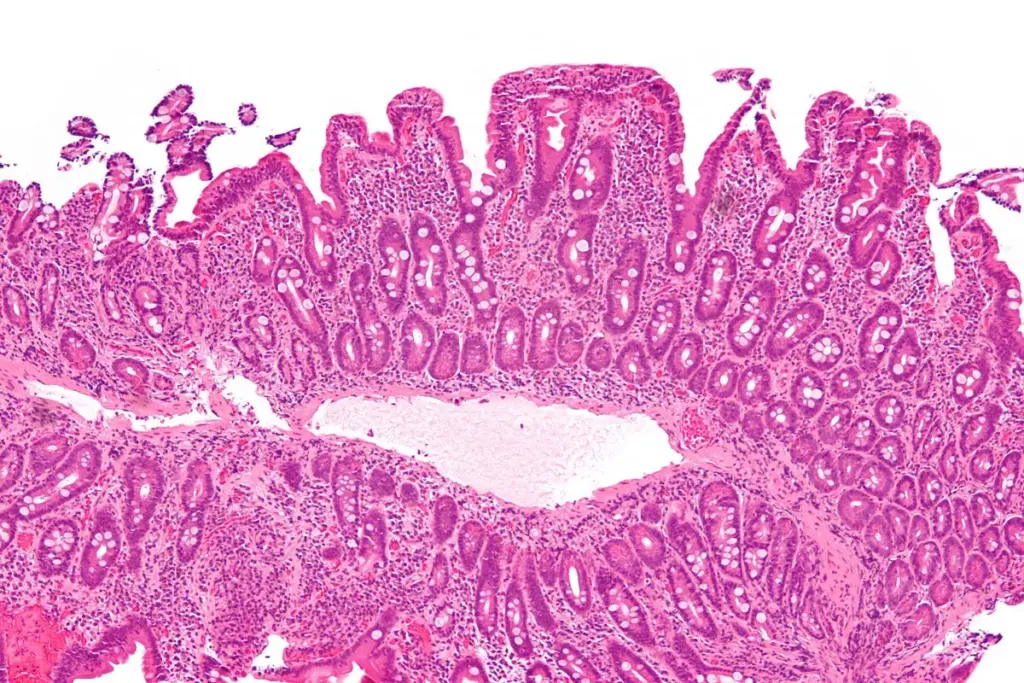
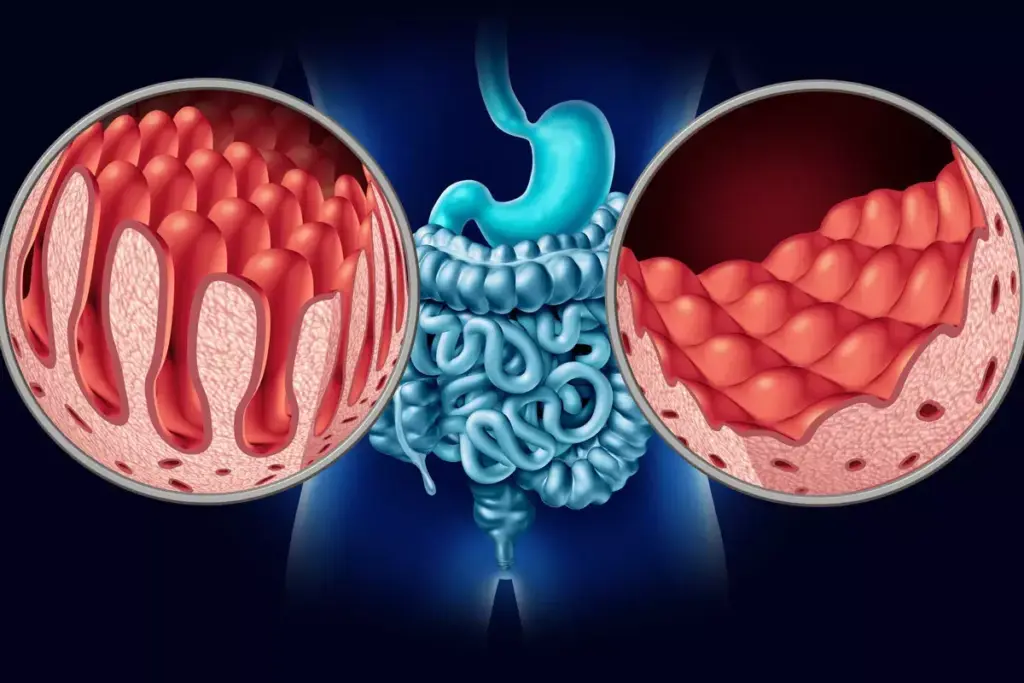
Celiac disease is an autoimmune disorder caused by gluten in people who are genetically predisposed. When people with celiac disease eat gluten, it triggers an immune reaction. This reaction damages the small intestine’s lining.
This damage can cause the body to not absorb nutrients well. This can lead to health problems.
The symptoms of celiac disease vary from person to person. Common symptoms include stomach pain, diarrhea, feeling very tired, and losing weight. But, some people might not show any symptoms at all. This makes it hard to diagnose.
How Chronic Inflammation Affects the Body
Chronic inflammation from celiac disease can harm the body in many ways. It can cause the immune system to keep reacting and inflaming. This can lead to a higher risk of certain cancers.
Research published in AJMC shows that celiac disease is linked to different cancer risks. The inflammation from celiac disease can damage the gut and possibly other parts of the body. This damage can raise the risk of specific cancers.
So, managing celiac disease with a strict gluten-free diet is key to lowering these risks. Healthcare providers can help by understanding the connection between celiac disease and cancer. They can offer better care and treatment options to reduce cancer risk.
Can Celiac Lead to Cancer? Recent Research Findings
Celiac disease is a chronic autoimmune disorder linked to a higher risk of certain cancers. Recent studies shed light on this connection. It’s vital for those with celiac disease to understand this to manage their health better.
Gastrointestinal Cancers Associated with Celiac Disease
People with celiac disease face a higher risk of some cancers. Small bowel cancer and esophageal cancer are among them. The chronic inflammation from gluten is thought to increase this risk.
Statistical Risk Assessment from 2025 Studies
Studies from 2025 have given us new insights into cancer risk in celiac disease patients. They show a significant increase in gastrointestinal cancer risk compared to the general population.
A 2025 study found a much higher standardized incidence ratio for small bowel cancer in celiac patients. The risk of esophageal cancer was also found to be higher. This underlines the importance of careful monitoring and preventive steps.
While the risk is higher, the overall number of these cancers is low. Yet, it’s essential to manage this risk for the well-being of those with celiac disease.
Risk Factors and Prevention Strategies
It’s important to know about the risks and how to prevent them when it comes to celiac disease and cancer. We’ll look at how healing the intestines can lower cancer risk. We’ll also see how a strict gluten-free diet helps in reducing this risk.
Intestinal Healing vs. Persistent Damage
Studies show that those with celiac disease who heal their intestines face less cancer risk. Intestinal healing means the small intestine’s lining is fixed. This is key because it helps the intestine work right, lowering cancer risk.
Healing the intestines is linked to sticking to a gluten-free diet. Avoiding gluten helps fix the intestine’s lining. This isn’t just about feeling better; it’s also about avoiding serious problems like cancer.
Elevated Risk in the First Year After Diagnosis
The first year after being diagnosed with celiac disease is a high-risk time for cancer. This is because of inflammation and immune system problems in untreated celiac disease. It’s vital for patients to work closely with their doctors during this time to manage their condition and watch for cancer signs.
In the first year, patients need to stay on top of their health and follow their treatment plan closely. Regular check-ups with doctors can help catch and manage any problems early.
Reducing Cancer Risk with Strict Gluten-Free Diet
Following a strict gluten-free diet is the best way to manage celiac disease and lower cancer risk. This diet helps heal the intestines and reduce chronic inflammation, which is a cancer risk factor.
- Choose naturally gluten-free foods to avoid cross-contamination.
- Read labels carefully to identify gluten-free products.
- Be aware of hidden sources of gluten in processed foods.
By sticking to a strict gluten-free diet, people with celiac disease can lower their risk of certain cancers. This includes cancers of the gut and lymphoma. It’s a proactive way to take care of their health and avoid serious complications.
Conclusion: Putting Cancer Risk in Perspective
It’s key for patients to grasp the connection between celiac disease and cancer. People with celiac disease face a higher risk of some cancers. Yet, the overall risk is quite low.
Following a strict gluten-free diet is vital in lowering this risk. This diet helps prevent gastrointestinal cancers and other serious issues linked to stage 4 celiac disease. Symptoms like celiac fever can signal a problem, like a celiac lymph node issue.
By knowing these risks and acting early, those with celiac disease can stay healthy. We urge more research and education to help manage this condition better.
FAQ
What is the link between celiac disease and cancer?
Celiac disease can increase the risk of certain cancers, like those in the gut. This is because long-term inflammation in the small intestine can cause cancerous changes.
Can a strict gluten-free diet reduce the risk of cancer in celiac disease patients?
Yes, sticking to a gluten-free diet can lower cancer risk for those with celiac disease. It helps heal the small intestine and reduces inflammation.
What types of cancer are associated with celiac disease?
Celiac disease is linked to higher risks of cancers in the gut, like lymphoma. The risk is highest in the first year after diagnosis.
How does chronic inflammation in celiac disease contribute to cancer?
Long-term inflammation in the small intestine can cause damage and scarring. This can lead to cancerous changes. Reducing inflammation with a gluten-free diet is key.
Is the risk of cancer the same for all celiac disease patients?
No, cancer risk varies among those with celiac disease. Factors like diet adherence, intestinal damage, and disease duration play a role.
What is the role of intestinal healing in reducing cancer risk?
Healing the intestine is vital in lowering cancer risk. A strict gluten-free diet helps heal the small intestine, reducing cancer chances.
Are there any specific symptoms of celiac disease that could indicate a higher cancer risk?
While no symptoms directly point to higher cancer risk, persistent or severe symptoms may suggest ongoing inflammation. This could increase cancer risk.
How can celiac disease patients monitor their cancer risk?
Patients should closely work with their healthcare provider. They should follow a strict gluten-free diet and get regular check-ups. This helps monitor intestinal health and overall cancer risk.
References
https://pmc.ncbi.nlm.nih.gov/articles/PMC8582432



 Departments
 Related Videos
 Our Doctors
 News
News