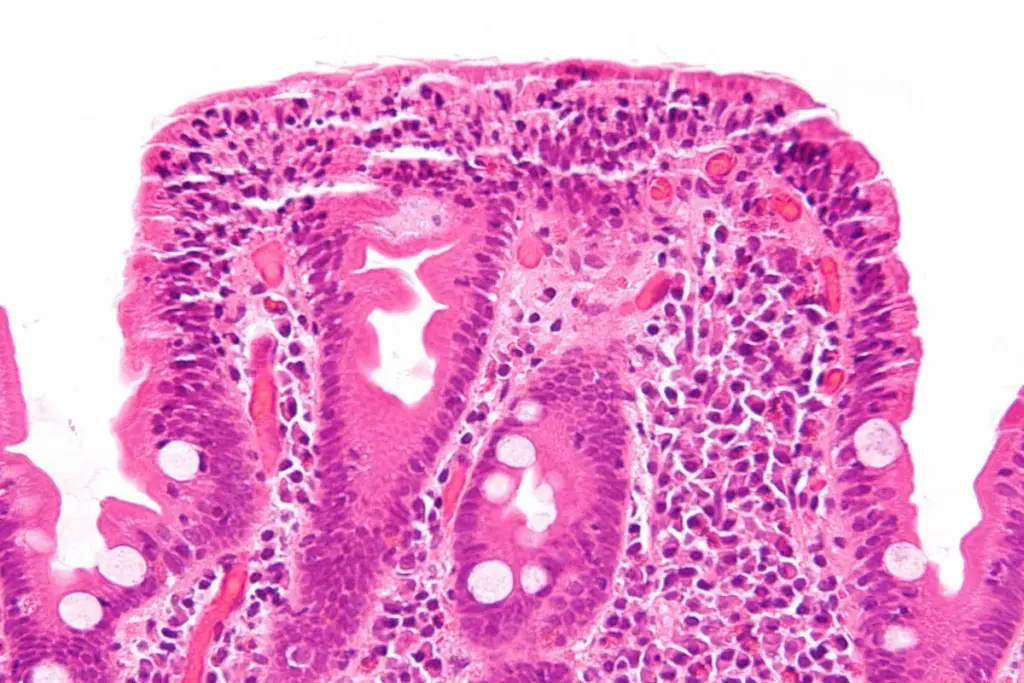
We are learning more about the complex relationship between gluten sensitivity and neurological symptoms. Celiac disease is an autoimmune condition where the immune system reacts to gluten. This can trigger peripheral neuropathy and various neurological manifestations.
Research shows that up to 50 percent of patients with celiac disease may develop peripheral neuropathy. This is a condition where the peripheral nerves are damaged. It can cause numbness, tingling, and chronic pain in the hands and feet.
Understanding the link between gluten sensitivity and nerve pain is key to managing it. Luckily, research shows that early detection and strict gluten avoidance can improve or reverse celiac neuropathy.
Key Takeaways
- Celiac disease can trigger peripheral neuropathy, causing numbness, tingling, and chronic pain.
- Up to 50 percent of celiac disease patients may develop peripheral neuropathy.
- Early detection and strict gluten avoidance can improve or reverse celiac neuropathy.
- Gluten sensitivity is linked to various neurological manifestations.
- Understanding the relationship between gluten and nerve pain is critical for effective management.
Understanding Celiac and Nerve Pain Connection

It’s important to know how celiac disease and nerve pain are linked. Celiac disease is an autoimmune disorder caused by gluten in people who are genetically predisposed. It leads to inflammation and damage in the small intestine.
People with celiac disease often face neurological manifestations like peripheral neuropathy and ataxia. Studies show that up to 50 percent of those with celiac disease may develop peripheral neuropathy. About 10 percent face serious neurological issues.
What is Celiac Disease?
Celiac disease makes people react badly to gluten, causing damage to the small intestine. This damage stops the body from absorbing important nutrients. When gluten is eaten, it triggers an immune response that harms the small intestine’s lining.
This harm can lead to not getting enough vitamins and minerals, which are key for brain health. Eating gluten can cause symptoms beyond just stomach problems, including nerve issues.
Prevalence of Neurological Manifestations
Many people with celiac disease have nerve problems. Research shows that a big number of patients have neurological symptoms. This shows the need for care that looks at both stomach and nerve health.
| Neurological Manifestation | Prevalence in Celiac Disease Patients |
| Peripheral Neuropathy | Up to 50% |
| Ataxia | Around 10% |
| Other Neurological Complications | Varying percentages |
Knowing these numbers helps doctors treat celiac disease better. It helps prevent long-term nerve damage.
Recognizing Neurological Symptoms of Celiac Disease

It’s important to know the neurological signs of celiac disease early. This disease can cause a variety of symptoms, from mild to severe. We will look at these symptoms and how to diagnose and treat them.
Common Neuropathic Symptoms
People with celiac disease may feel tingling, numbness, pins and needles, tightness, pain, and burning in their hands and feet. These feelings can get worse if not treated soon. It’s key to spot these symptoms early.
- Tingling and numbness in extremities
- Pins and needles sensations
- Burning pain
- Coordination difficulties
For more info on celiac disease’s neurological effects, check out Coeliac UK.
Small-Fiber Neuropathy in Celiac Disease
Small-fiber neuropathy damages small skin nerves, causing pain and discomfort. In celiac disease, it’s due to malabsorption and lack of nutrients. Small-fiber neuropathy often leads to burning pain in the feet.
Diagnostic Approaches for Gluten Neuropathy
Diagnosing gluten neuropathy requires a few steps. We’ll go over what’s involved in diagnosing this condition.
- Clinical history and physical exam to find signs of neuropathy.
- Labs to check for nutritional issues and celiac disease antibodies.
- Nerve tests to see how nerves are working.
Getting the right diagnosis is key to treating gluten neuropathy well. Knowing how to diagnose helps doctors create a treatment plan that fits the patient’s needs.
Can Celiac Neuropathy Be Reversed? Evidence and Research
Many researchers and patients are curious about reversing celiac neuropathy. Studies show that a gluten-free diet is key in managing and possibly reversing neuropathy symptoms linked to celiac disease.
Clinical Studies on Gluten-Free Diet Effectiveness
Several studies have looked into how a gluten-free diet affects celiac neuropathy. A recent study found that those on a strict gluten-free diet saw an 88.7 percent drop in neuropathic pain risk. This shows how diet can help manage symptoms.
More research backs up the idea that a gluten-free diet can improve nerve function. A study in a well-known journal showed that avoiding gluten for 12 months led to better nerve health in patients with celiac neuropathy.
“Adherence to a gluten-free diet is not just a recommendation but a critical factor in managing celiac neuropathy, with significant reductions in neuropathic pain risk observed in clinical studies.”
Factors Affecting Reversibility
While diet changes can reverse celiac neuropathy, several factors can affect how well it works. These include how long someone was exposed to gluten before being diagnosed, how strictly they avoid gluten, and how they respond to diet changes.
- Duration of gluten exposure
- Strictness of gluten avoidance
- Individual variability in response to diet
Timeline for Neurological Improvement
How fast someone sees neurological improvements on a gluten-free diet varies. Some may notice changes in a year of strict gluten avoidance. But, how fast it happens can depend on several factors, like how long they were exposed to gluten and how well they stick to the diet.
In summary, the research shows that celiac neuropathy can be reversed or greatly improved with a strict gluten-free diet. As we learn more about celiac disease and its effects on the nervous system, early diagnosis and proper diet are more important than ever.
Conclusion: Long-Term Management of Celiac-Related Nerve Damage
Managing celiac disease neuropathy for the long term needs a detailed plan. It’s key to stick to a gluten-free diet to control symptoms and possibly fix nerve damage. Studies show that catching and treating celiac early can greatly help in fixing nerve issues.
Along with a gluten-free diet, making lifestyle changes is also important. Doctors suggest avoiding long walks or standing, wearing comfortable shoes, and soaking feet in cold water. These steps can help reduce pain and numbness caused by celiac and nerve problems.
Long-term care also means regular doctor visits to watch how celiac disease neuropathy is doing. By following a gluten-free diet, making lifestyle changes, and seeing doctors often, people can manage their condition better. We highlight the need for a complete plan to tackle celiac disease and its nerve effects.
FAQ
What is celiac neuropathy?
Celiac neuropathy is nerve damage in people with celiac disease. It causes numbness, tingling, and pain in hands and feet.
Can celiac neuropathy be reversed?
Yes, sticking to a gluten-free diet can help. It may even reverse the condition for some people.
What are the common neurological symptoms of celiac disease?
Symptoms include peripheral neuropathy, ataxia, and small-fiber neuropathy. These can lead to pain, numbness, and trouble with coordination.
How is gluten neuropathy diagnosed?
Doctors use a patient’s history, physical exam, and lab tests. They might also do nerve studies or skin biopsies to check for damage.
What is the role of a gluten-free diet in managing celiac neuropathy?
A gluten-free diet is key. It reduces inflammation and stops nerve damage. This can lead to better symptoms or even reversal.
How long does it take to see neurological improvement after adopting a gluten-free diet?
Improvement times vary. Some see relief in months, while others may take longer.
Are there any other lifestyle changes that can help manage celiac-related nerve damage?
Yes, a balanced diet, regular exercise, and stress management help. They can ease symptoms and support health.
Can celiac disease cause other neurological complications beside neuropathy?
Yes, celiac disease can lead to ataxia, seizures, and other symptoms. This shows the importance of full medical care.
References
https://pmc.ncbi.nlm.nih.gov/articles/PMC4668456