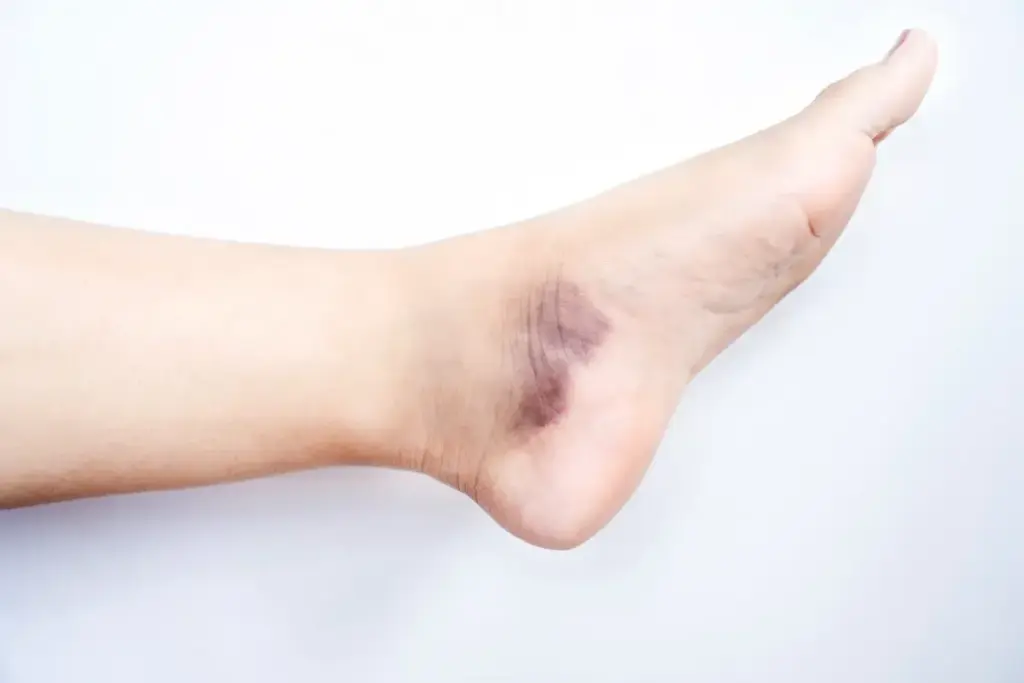
Cellulitis is a serious bacterial infection. It happens when bacteria get into the skin through cuts or punctures. Symptoms include bruising and red streaks that show the infection is spreading.
Understanding the causes and symptoms of cellulitis is key for quick medical help. The American Dermatology Association says 14.5 million people in the United States get cellulitis each year.
We’ll look into if cellulitis can cause bruising and red streaks. We’ll also talk about how to protect your skin. Knowing the signs of cellulitis helps you get medical care and avoid serious problems.
Key Takeaways
- Cellulitis is a bacterial skin infection that can cause bruising and red streaking.
- Prompt medical attention is critical to avoid serious issues.
- Knowing the causes and symptoms of cellulitis helps protect your skin.
- 14.5 million people in the United States get cellulitis each year.
- Spotting the warning signs of cellulitis helps you get medical care.
Understanding Cellulitis as a Deep Skin Infection

It’s important to know about cellulitis, a serious skin infection. This infection happens when bacteria get into the skin, usually through a cut or crack.
What is Cellulitis?
Cellulitis is a serious infection that affects the skin’s deeper layers. It shows up as redness, swelling, warmth, and tenderness. If not treated quickly, it can spread fast.
Common Bacteria Causing Cellulitis
Staphylococcus aureus and Streptococcus pyogenes are the main bacteria causing cellulitis. They can get into the body through cuts, scrapes, or other skin breaks.
Both Staphylococcus aureus and Streptococcus pyogenes can cause infections ranging from mild to severe. Knowing what causes it helps in treating it effectively.
Areas of the Body Commonly Affected
Cellulitis often hits the legs and feet, but it can also affect other areas. This includes the face, arms, and navel. Navel cellulitis, or infection around the belly button, is less common but serious.
| Common Areas Affected | Characteristics |
| Legs and Feet | Most common site, often associated with breaks in the skin or poor circulation. |
| Face | Can be more serious due to the risk of spreading infection to other parts of the head. |
| Navel (Belly Button) | Less common, often associated with poor hygiene or piercings. |
The table shows that cellulitis can happen in different body parts. Each area has its own risks and complications.
How Any Break in the Skin Can Lead to Cellulitis

A small break in the skin can let bacteria in, leading to cellulitis. When the skin is broken, it’s easy for harmful bacteria to get in. This is true for many kinds of skin breaks.
Types of Skin Breaks That Increase Risk
Some skin breaks raise the risk of getting cellulitis. These include:
- Cuts or lacerations that expose underlying tissue
- Puncture wounds from sharp objects or bites
- Surgical sites or incisions
- Catheter insertion points or IV sites
- Skin conditions like eczema, impetigo, or athlete’s foot that compromise skin integrity
Even minor breaks in the skin can lead to serious infections if not properly cared for. Watch any skin break for signs of infection, like redness, swelling, or pain.
The Infection Process
Bacteria can get into the body through a skin break and cause an infection. Streptococcus and Staphylococcus are the most common culprits. They multiply fast, causing inflammation and symptoms like redness, warmth, and swelling.
“Prompt treatment of skin breaks and early recognition of infection signs are key to stopping cellulitis from spreading.”
Special Focus: Navel Cellulitis
Navel cellulitis is a big worry because the navel is warm and moist, perfect for bacteria. Risks include poor hygiene, being overweight, and health issues that weaken the immune system.
To avoid navel cellulitis, keep the area clean and dry. Also, take care of any health problems. If you notice signs of cellulitis, get medical help right away to avoid worse problems.
Recognizing Cellulitis Symptoms: Bruising and Red Streaking
It’s important to know the signs of cellulitis to get help fast. This infection can cause bruising and red streaking on the skin. If not treated quickly, it can spread fast.
Primary Symptoms of Cellulitis
The main signs of cellulitis are redness, swelling, and tenderness. The skin may also feel warm. You might also have pain, fever, and chills.
According to WebMD, common symptoms are redness and swelling. You might also feel pain around the wound and warmth. Fever and chills can mean the infection is getting worse.
Why Cellulitis Causes Bruising
Bruising from cellulitis happens because of inflammation and damage. As the infection grows, it can damage blood vessels. This leads to bleeding under the skin, showing as bruises.
The amount of bruising can differ. It often comes with swelling and redness. Watching these signs closely is key, as they show how the infection is spreading.
Red Streaking: A Warning Sign of Spreading Infection
Red streaking is a serious sign of cellulitis. It means the infection is moving through the lymphatic vessels. This is a sign of a serious issue that needs quick medical help.
Seeing red streaks from the infected area is a warning. It means the infection is spreading. Getting medical help fast is important to stop it from getting worse.
Conclusion: Treatment and Prevention of Cellulitis
Cellulitis is a serious infection that needs quick treatment to avoid serious problems. If not treated, it can spread and cause severe issues. In rare cases, it can even be life-threatening.
Fortunately, antibiotics like penicillin can treat cellulitis well. Treatment usually includes antibiotics, and sometimes, hospital care is needed for severe cases. It’s also important to watch for signs like bruising and red streaks, as they show how serious the infection is.
To avoid cellulitis, prevention is key. We can lower the risk by taking care of skin cuts, managing health issues, and good wound care. Knowing how to treat and prevent cellulitis helps manage it and lowers the risk of complications like bruising.
FAQ
What is cellulitis, and how does it occur?
Cellulitis is a deep skin infection caused by bacteria. It happens when bacteria get into the body through a skin break. It can show up anywhere, including the navel area.
Can cellulitis cause bruising on the skin?
Yes, it can. Cellulitis causes inflammation and damage to the skin and tissues. This can lead to bruising.
What is red streaking, and is it related to cellulitis?
Red streaking is a sign of cellulitis. It shows the infection is spreading through the lymphatic vessels. It’s a sign you need to see a doctor right away.
How does a break in the skin lead to cellulitis?
A skin break, like a cut or wound, lets bacteria in. This can cause cellulitis. Keeping wounds clean is key to avoiding infection.
What is navel cellulitis, and how is it treated?
Navel cellulitis is cellulitis in the navel area. It’s treated with antibiotics. Sometimes, it needs hospital care to manage the infection and avoid serious problems.
Can cellulitis be prevented?
Yes, it can. Protecting your skin is important. This includes good wound care, managing health conditions, and avoiding injuries.
What are the complications of untreated cellulitis?
Untreated cellulitis can cause serious problems. These include spreading infection, abscesses, and even life-threatening conditions.
How is cellulitis diagnosed?
Doctors diagnose cellulitis by looking at symptoms, medical history, and doing a physical exam. Sometimes, tests or imaging are needed to confirm it.
What is the treatment for cellulitis, and how long does it last?
Treatment for cellulitis usually involves antibiotics. The type and how long you need them depends on the infection’s severity. Treatment time varies based on how well you respond to the antibiotics.
National Center for Biotechnology Information. Evidence-Based Medical Guidance. Retrieved from
https://www.ncbi.nlm.nih.gov/pmc/articles/PMC6303460/[3