

Ever felt bloated and gassy without knowing why? It might be linked to foodborne illness. About 48 million Americans get foodborne illnesses every year, studies show.
Food poisoning symptoms vary based on the germ. You might get diarrhea, stomach pain, nausea, vomiting, and fever, says the National Center for Emerging and Zoonotic Infectious Diseases (NCEZID).
At Liv Hospital, we know how important it is to link foodborne illnesses to digestive problems. We focus on your health and recovery with our care.
Key Takeaways
- Food poisoning can lead to gas and bloating.
- Approximately 48 million Americans experience foodborne illnesses annually.
- Common symptoms of food poisoning include diarrhea, stomach pain, nausea, vomiting, and fever.
- Liv Hospital offers patient-centered care for managing digestive issues.
- Understanding the connection between foodborne illnesses and digestive symptoms is key for recovery.
Understanding Food Poisoning and Its Impact on Digestion
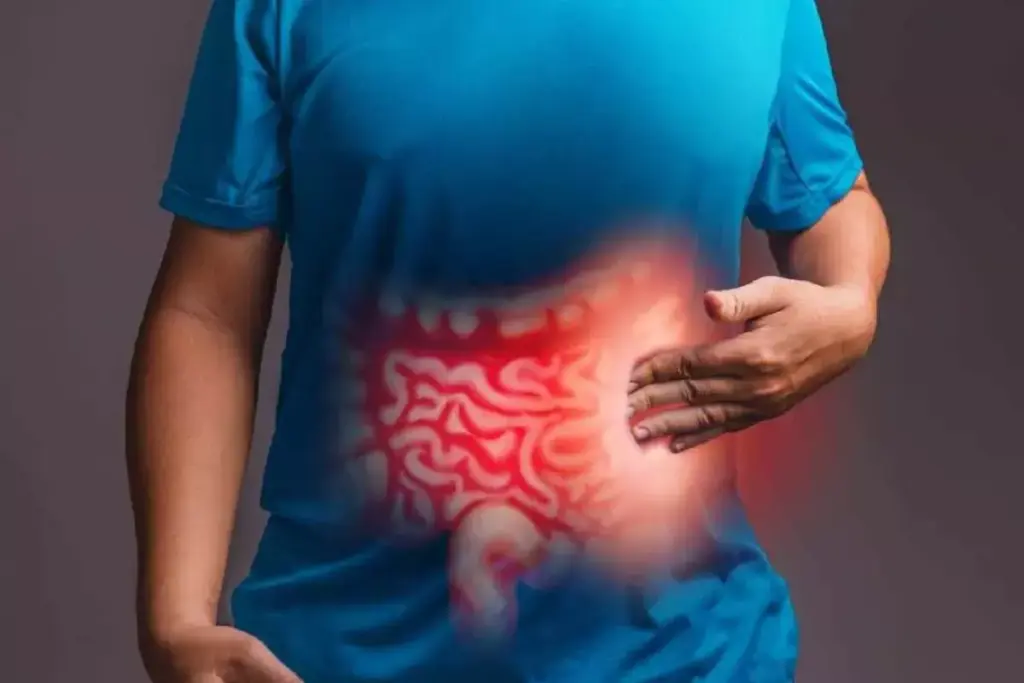
It’s important to know how food poisoning affects our digestion. This knowledge helps us deal with its symptoms better. Food poisoning is a big health problem worldwide, affecting millions every year. It causes many digestive issues.
What Is Food Poisoning and How Common Is It?
Food poisoning happens when we eat something contaminated with harmful germs. The US Department of Health & Human Services says about 48 million people get foodborne illnesses each year. That’s about 1 in 6 Americans getting sick from food.
The Centers for Disease Control and Prevention (CDC) says common symptoms include bloating, gas, stomach cramps, and a swollen stomach. These symptoms can be mild or severe, depending on the germ.
How Food Poisoning Affects Your Digestive System
When harmful germs get into our digestive system, they can make it inflamed and irritated. This leads to uncomfortable symptoms. The body’s reaction to these germs can cause:
- Gas and Bloating: Some bacteria can make more gas, causing bloating and discomfort.
- Abdominal Pain: The digestive tract can get inflamed and irritated, causing a lot of pain.
- Changes in Bowel Movements: Food poisoning can make you have diarrhea or constipation, depending on the germ.
The CDC says food poisoning symptoms can vary, but often include stomach problems. To manage these symptoms well, we need to know what’s causing the food poisoning.
“The key to managing food poisoning lies in understanding its causes and symptoms, allowing for timely and effective treatment.”
By understanding food poisoning and its effects on digestion, we can handle its symptoms better. We should also seek medical help when needed.
Can Food Poisoning Cause Gas and Other Digestive Symptoms?

Feeling gassy and bloated after food poisoning is more common than you think. It’s important to understand why this happens. Food poisoning can cause a range of digestive issues, from mild discomfort to severe bloating. We’ll look into how food poisoning affects your stomach and how to feel better.
Common Acute Symptoms According to CDC
The Centers for Disease Control and Prevention (CDC) lists common food poisoning symptoms. These include diarrhea, stomach pain, nausea, vomiting, and fever. In bad cases, symptoms can get worse, leading to bloody diarrhea, high fever, and dehydration.
Common Symptoms of Food Poisoning:
| Symptom | Description |
| Diarrhea | Frequent, loose stools |
| Stomach Pain or Cramps | Pain or discomfort in the abdominal region |
| Nausea and Vomiting | Feeling queasy or vomiting |
| Fever | Elevated body temperature |
Why Gas and Bloating Occur During Food Poisoning
Gas and bloating can happen during or after food poisoning. Pathogens like bacteria, viruses, or parasites can upset the gut’s balance. This imbalance can lead to bloating and discomfort.
“The gut microbiota plays a critical role in our health, and its disruption can cause various digestive issues.”
Medical Expert, Gastroenterologist
Food poisoning also causes inflammation, which can slow digestion. This allows gas to build up. The body’s fight against infection can also make you feel gassy and bloated.
Managing Gas and Bloating Symptoms
To manage gas and bloating, try dietary changes, stay hydrated, and consider medication. Start with a bland diet and slowly add more foods as you feel better.
- Eat small, frequent meals
- Avoid carbonated drinks and foods that can cause gas
- Stay hydrated with plenty of fluids
- Consider probiotics to restore gut balance
When to Seek Medical Attention
While most food poisoning cases get better on their own, some symptoms need medical help. Look for severe abdominal pain, bloody stools, high fever, or dehydration signs. If you see these, get medical help right away.
Red Flags for Medical Attention:
- Bloody diarrhea
- High fever (over 101.5°F)
- Signs of dehydration (excessive thirst, dark urine, dizziness)
- Severe abdominal pain
- Symptoms lasting more than 3 days
Understanding how food poisoning affects your stomach can help you deal with gas and bloating. Recognizing symptoms and knowing how to manage them can make you feel better faster.
Long-Term Digestive Issues Following Food Poisoning
For some, food poisoning’s effects last long after the sickness ends. While many get better, others face ongoing digestive problems. One common issue is post-infectious irritable bowel syndrome (IBS).
Post-Infectious Irritable Bowel Syndrome
Post-infectious IBS is a known side effect of food poisoning. About 1 in 9 people who get food poisoning might get IBS. This makes them four times more likely to have IBS than those who didn’t get food poisoning.
This condition brings ongoing stomach pain, bowel changes, and bloating. The reasons behind it are complex, involving gut changes, inflammation, and sensitivity. To manage these symptoms, a mix of diet changes, stress control, and sometimes meds is needed. For more on managing post-infectious IBS, check out IBSSmart.
Risk Factors for Developing Chronic Symptoms
Several things can make someone more likely to have long-term digestive issues after food poisoning. These include how bad the initial infection was, the person’s age, and their overall health. Knowing these risk factors helps find who needs early help and prevention.
If you had food poisoning and now have ongoing digestive problems, see a doctor. Signs like black stool or black diarrhea are serious and could mean something more is wrong. While food poisoning can change stool color, it’s important to check for other causes too.
Conclusion
We’ve looked into how food poisoning affects our digestion, leading to issues like gas and bloating. It’s key to know that food poisoning impacts our digestive system. This can cause symptoms like gas and burping.
Knowing the signs of food poisoning and when to see a doctor is important. It helps in quick recovery and prevents long-term digestive problems. Being aware of these symptoms helps us take care of our digestive health.
Understanding food poisoning fully is vital. It can cause both short-term and long-lasting symptoms. If you’re dealing with ongoing or severe symptoms, seeing a healthcare professional is a good idea. They can help address your concerns and provide the right care.
FAQ
Does food poisoning cause bloating?
Yes, food poisoning can cause bloating. It happens when we eat contaminated food or drinks. This can lead to bloating, gas, and stomach pain.
Can food poisoning cause gas?
Yes, it can. The germs in food poisoning mess with our digestion. This can make us feel gassy and uncomfortable.
Why does food poisoning cause gas and bloating?
It’s because the germs irritate our digestive system. This irritation causes inflammation and gas. We then feel bloated and have stomach pain.
How can I manage gas and bloating symptoms caused by food poisoning?
To manage symptoms, drink lots of water and rest. Avoid foods that make symptoms worse. You can also try over-the-counter meds.
When should I seek medical attention for food poisoning symptoms?
See a doctor if symptoms are severe or last a long time. This includes bloody stools, severe pain, or dehydration. The elderly, pregnant women, and young kids should get help quickly.
Can food poisoning lead to long-term digestive issues?
Yes, it can. Some people get a condition called post-infectious IBS after food poisoning. This leads to ongoing pain, bloating, and bowel changes.
What are the risk factors for developing chronic symptoms after food poisoning?
Risk factors include how bad the initial illness was and the type of germ. Your body’s response and health also play a part. Stress, diet, and health conditions can increase your risk.
Can food poisoning cause black stool?
Yes, it can. Black stool might mean there’s blood in it, a sign of a serious infection. If you see black stools, get medical help.
Is burping a symptom of food poisoning?
Yes, it is. Food poisoning can make us feel uncomfortable and gassy. This includes burping, along with bloating and gas.



 Departments
 Related Videos
 Our Doctors
 News
News