

Most cases of foodborne illnesses get better with rest and water. But, a big part can turn into sepsis. This is a serious condition that needs quick medical help.
The Medical organization says food poisoning can cause big problems. These include dehydration, blood clots in the kidneys, and sepsis. It’s key to know the risks and take steps to prevent them.
We stress the need to spot warning signs early. If you see them, get medical help right away. Liv Hospital offers top-notch emergency care and infectious disease management. They work together to tackle these serious issues.
Key Takeaways
- Food poisoning can lead to severe complications like sepsis and death.
- Understanding the connection between contaminated food and sepsis is key.
- Spotting warning signs and getting medical help fast is critical.
- Liv Hospital provides full emergency care and infectious disease management.
- Preventive steps can greatly lower the risk of serious outcomes.
Can Food Poisoning Cause Sepsis?
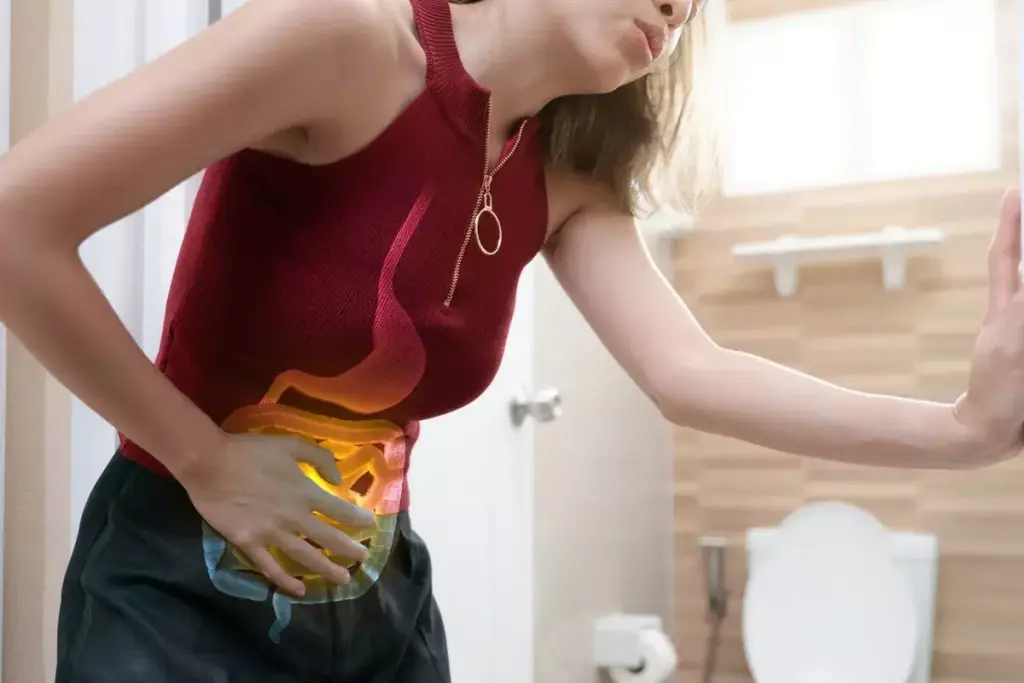
Food poisoning is a common issue that can sometimes turn into a serious condition called sepsis. We will look into how this happens and what it means for those with severe stomach infections.
What Is Sepsis and How It Develops
Sepsis is a severe reaction to an infection that spreads and causes inflammation all over the body. The Medical organization says it happens when the body fights an infection too hard and damages its own tissues and organs. Sepsis is a serious condition that requires immediate medical attention.
It usually starts with a localized infection, like food poisoning. When bacteria from the stomach get into the blood, they can start a body-wide response. This response can cause inflammation in the body, leading to organ failure if not treated quickly.
How Bacteria From Food Poisoning Enter the Bloodstream
Bacteria from food poisoning can get into the blood in different ways. For example, pathogens like Staphylococcus, E. coli, and Listeria can break through the stomach lining and get into the blood. Once in the blood, these bacteria can cause a severe infection that may lead to sepsis.
The process involves complex interactions between the pathogen and the host’s immune response. When the bacteria get into the blood, they can trigger a huge inflammatory response. This response, while meant to fight the infection, can sometimes cause more harm than good, leading to the widespread inflammation of sepsis.
Understanding how bacteria from food poisoning enter the bloodstream and cause sepsis is key to preventing and treating this potentially life-threatening condition. We must recognize the risks of food poisoning and take steps to avoid them.
Common Bacteria That Lead to Severe Food Poisoning
Severe food poisoning comes from eating contaminated food or water. We’ll look at the main bacteria causing food poisoning. These can lead to serious issues like sepsis.
Dangerous Pathogens: Staphylococcus, E. coli, Listeria, and Streptococcus
Many bacteria can make you sick. Staphylococcus aureus, Escherichia coli (E. coli), Listeria monocytogenes, and Streptococcus species are the worst. They can cause anything from mild stomach issues to serious health problems.
Staphylococcus aureus makes toxins that can cause severe food poisoning. It’s found in foods like meats, dairy, and salads if not handled right. E. coli is linked to contaminated water and raw ground beef. Listeria monocytogenes is very dangerous for pregnant women, the elderly, and those with weak immune systems. It’s in unpasteurized dairy and deli meats.
Sources of Bacterial Contamination
Knowing where bacteria come from is key to staying safe. These bugs are in many foods and places. For example, contaminated water is a big source of E. coli and other pathogens. Raw or undercooked foods, like undercooked ground beef and unpasteurized dairy products, are also common sources.
How we handle and prepare food matters a lot. If we don’t clean and sanitize kitchen tools and surfaces, we spread bacteria. Also, leaving foods at room temperature for too long can attract bacteria like Staphylococcus aureus.
To avoid food poisoning, we must handle and cook food right. This means cooking foods to the right temperature, keeping perishable foods cold, and avoiding mixing foods that might spread bacteria.
Warning Signs and Mortality Statistics
It’s important to know the warning signs of severe food poisoning. This is to avoid serious problems like sepsis. When bacteria from food poisoning get into the blood, they can cause a big infection. This infection can lead to sepsis.
Blood in Stool and Other Critical Symptoms
Blood in stool is a scary sign of severe food poisoning. It means the bacteria have reached the intestines. Other bad signs include a lot of vomiting, dehydration, and stomach pain.
These symptoms are not just annoying; they can be serious. For example, food poisoning and blood in stool might mean you have a bad bacterial infection. Watch your symptoms closely. If they get worse or you have trouble breathing, chest pain, or severe stomach pain, get medical help right away.
When to Seek Immediate Medical Attention
If you have blood in stool after food poisoning, get medical help fast. Also, seek help if you have severe dehydration, high fever, or signs of shock. Quick medical care is key to avoiding serious problems.
- Severe abdominal pain
- High fever that lasts more than 48 hours
- Signs of dehydration
- Bloody stools or vomit
Hospitalization and Death Rates from Food Poisoning Sepsis
Severe food poisoning can turn into sepsis, which needs hospital care right away. Sadly, sepsis from food poisoning can be deadly. This is true for older people, young kids, and those with weak immune systems.
Knowing the risks and warning signs can help avoid these bad outcomes. We must take food poisoning seriously and get medical help quickly if symptoms are severe.
Conclusion
Food poisoning is a serious issue that can be deadly. Certain bacteria like Staphylococcus, E. coli, Listeria, and Streptococcus can cause severe food poisoning. This can lead to sepsis, which is very dangerous.
The death rate from sepsis caused by food poisoning varies. It can be as low as 6.8 percent or as high as 34.5 percent. This depends on the type of bacteria causing the problem.
Knowing the warning signs is key. If you see blood in your stool, get medical help right away. Quick action can prevent serious complications, including death. It’s vital to be careful about where our food comes from and how it’s prepared.
Can food poisoning lead to death? Yes, it can, if it turns into sepsis. Can a person die from food poisoning? Sadly, yes, if it’s not treated quickly and correctly. Can food poisoning cause death? Yes, it’s a real risk that shows we need to be aware and take steps to prevent it.
By understanding the dangers and taking the right precautions, we can lower the chances of food poisoning. This helps avoid its deadly outcomes.
FAQ
Can food poisoning lead to sepsis?
Yes, food poisoning can lead to sepsis if bacteria get into the blood. Sepsis is a serious condition where the body attacks its own tissues and organs due to an infection.
What are the common bacteria that cause food poisoning and can lead to sepsis?
Bacteria like Staphylococcus, E. coli, Listeria, and Streptococcus can cause food poisoning. They can be found in contaminated food and water.
Can food poisoning cause blood in stool?
Yes, food poisoning from E. coli or Salmonella can cause bloody stools. If you see blood in your stool or have severe symptoms, get medical help right away.
How can I prevent food poisoning?
To avoid food poisoning, handle food safely and cook it well. Don’t let food sit out too long. Check food expiration dates and store it correctly.
What are the warning signs of severe food poisoning?
Severe food poisoning signs include bloody stools and severe stomach pain. Also, look out for vomiting blood, fever over 101.5°F, and dehydration. If you see these, get medical help fast.
Can drinking contaminated water cause food poisoning?
Yes, contaminated water can cause food poisoning. Water can have bacteria, viruses, or other harmful pathogens that lead to illness.
Is diarrhea a symptom of sepsis?
Diarrhea can be a sign of sepsis, though it’s not as common. Other signs include fever, fast heart rate, or confusion. If you have a severe infection and diarrhea, see a doctor.
Can food poisoning cause death?
Yes, food poisoning can be deadly, often due to sepsis or other serious complications. The elderly, young children, and those with weak immune systems are at higher risk.
References
https://www.healthline.com/nutrition/best-foods-for-upset-stomach



 Departments
 Related Videos
 Our Doctors
 News
News