
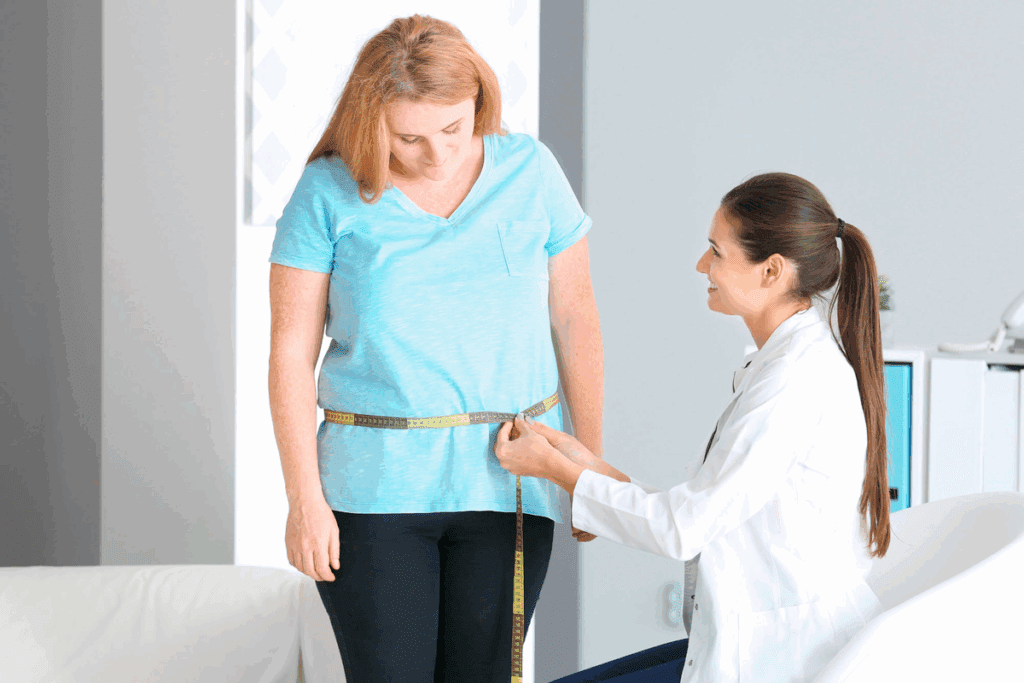
Gallbladder removal, or cholecystectomy, is a common surgery. It can change how your digestive system works. Changes in fat digestion and reduced appetite are common after surgery.can gallbladder surgery cause weight lossWhat Is the Safest Form of Weight Loss Surgery? These changes might lead to weight loss.
It’s important to understand the gallbladder’s role in digestion. The gallbladder stores bile, a fluid from the liver that helps digest fats. Without it, digesting fatty foods becomes harder.
Key Takeaways
- Gallbladder removal can lead to changes in fat digestion.
- Reduced appetite is a common post-operative experience.
- Dietary adjustments are often necessary after surgery.
- Weight loss after gallbladder removal is a possible outcome.
- Liv Hospital’s patient-centered care can provide guidance on managing weight changes.
The Gallbladder and Its Role in Digestion

Digestion is a complex process. The gallbladder plays a key role by storing and releasing bile. Bile is a digestive fluid made by the liver.
The gallbladder’s main job is to store bile. This fluid is vital for breaking down fats. When we eat fatty foods, the gallbladder releases bile into the small intestine. This helps with fat digestion.
Functions of the Gallbladder in the Digestive System
The gallbladder is important in the digestive system. It controls the flow of bile into the intestine. This is key for breaking down fats into smaller parts that our body can absorb.
Common Gallbladder Problems Leading to Surgery
Gallstones are a common problem that can lead to surgery, known as cholecystectomy. Other issues, like inflammation or infection of the gallbladder, also require surgery.
Gallstones can block the bile duct. This causes pain and can lead to infection. In such cases, removing the gallbladder is often the best treatment. It helps to ease symptoms and prevent future problems.
Understanding Cholecystectomy Procedures

Gallbladder surgery, also known as cholecystectomy, is done to fix gallstone or inflammation problems. It’s a common fix for gallbladder issues.
Laparoscopic Gallbladder Removal
Laparoscopic cholecystectomy is a small cut surgery. It uses tiny cuts in the belly. A thin tube with a camera and tools are used to take out the gallbladder. This method is liked for its quick recovery and less pain.
Traditional Open Surgery Approach
Open cholecystectomy uses a bigger cut in the belly. This is for harder cases or when small cut surgery can’t be done. It takes longer to heal and can hurt more after.
Typical Recovery Timeline and Expectations
How long it takes to get better from cholecystectomy depends on the surgery and the person. Laparoscopic surgery usually means a shorter stay in the hospital and a quicker recovery. People can often go back to normal in a few weeks.
“The laparoscopic approach has revolutionized the treatment of gallbladder disease, giving patients a quicker return to normal activities.”
After surgery, patients need to follow a care plan. This includes eating right and slowly getting back to moving. It helps them heal well.
Can Gallbladder Surgery Cause Weight Loss?
The impact of removing the gallbladder on weight is complex. It depends on many things. Some people lose weight after surgery, mainly because of changes in how they eat and digest food.
Immediate Post-Surgical Weight Changes
Right after surgery, people’s weights can go up and down. This is because of changes in diet and fluid in the body. Reduced fat digestion can cause weight loss at first. But, this change is not always steady or lasting.
Long-term Weight Patterns After Gallbladder Removal
Over time, how weight changes after gallbladder surgery can differ a lot. Some keep losing weight, while others might gain it. This can happen because of compensatory eating behaviors or how the body adjusts.
Variability in Individual Responses
How people react to gallbladder surgery varies a lot. It depends on their health, lifestyle, and diet. While some see rapid weight loss after gallbladder removal, others might not see much change.
It’s important to understand these factors. This helps manage what to expect and make good choices for care after surgery.
Physiological Mechanisms Behind Post-Surgery Weight Loss
Removing the gallbladder changes how the body digests food, leading to weight loss. This is mainly because of how fat digestion and absorption change.
Altered Fat Digestion Without a Gallbladder
Without a gallbladder, bile goes straight from the liver to the small intestine. This can make fat digestion and absorption less efficient. Normally, the gallbladder stores bile and releases it when needed.
Impact on Fat Absorption: The constant flow of bile might not emulsify fats as well. This could mean less fat is absorbed, helping with weight loss.
Changes in Appetite and Satiety Signals
The surgery can also change how you feel hungry or full. Some people eat differently and feel fuller after surgery.
- Reduced appetite due to altered digestive processes
- Changes in food preferences, often avoiding fatty foods that can cause discomfort
Metabolic Adjustments Following Surgery
Metabolic changes are important too. The body’s rate of burning calories and processing nutrients can shift after gallbladder removal.
| Metabolic Change | Potential Effect |
| Altered Bile Flow | Less efficient fat absorption |
| Changes in Gut Hormones | Affects appetite and satiety |
| Shift in Gut Microbiota | Influences metabolic rate and nutrient processing |
These changes can lead to weight loss after gallbladder surgery. Knowing about these changes helps manage expectations and nutrition after surgery.
Rapid Weight Loss After Gallbladder Surgery
Removing the gallbladder can lead to quick weight loss. Some people lose a lot of weight after surgery. This is often because of changes in diet and eating less fat.
Normal Weight Loss Patterns Post-Cholecystectomy
Most people lose 2–5 kilograms in the first weeks after surgery. This weight loss comes from eating differently and eating less fat. But, how much weight you lose can vary. It also depends on keeping up healthy habits.
Typical Weight Loss Timeline:
| Time Post-Surgery | Average Weight Loss |
| 1-2 weeks | 1-3 kilograms |
| 2-4 weeks | 2-5 kilograms |
| 1-3 months | Variable, depending on diet and exercise |
Distinguishing Between Expected and Excessive Weight Loss
Some weight loss is normal after gallbladder surgery. But, losing too much weight is a worry. Excessive weight loss means losing more than 5-10% of your body weight in six months.
If you’re losing weight too fast, talk to your doctor. They can check if there’s a problem. Changes in how your body digests fat, appetite, and metabolism can affect weight loss.
When Rapid Weight Loss Requires Medical Attention
Quick weight loss after gallbladder surgery needs a doctor’s check if you have other symptoms. These include:
- Severe diarrhea or vomiting
- Abdominal pain or cramping
- Fatigue or weakness
- Nutritional deficiencies
Keep an eye on your weight and health after surgery. If you notice any odd symptoms, get medical help. This ensures your safety and best recovery.
Why Some Patients Don’t Experience Weight Loss
Not all patients lose weight after gallbladder surgery. This can be due to many personal and physical reasons. Weight loss after surgery depends on many things like diet, exercise, and health conditions.
Individual Factors Affecting Post-Surgical Weight
Many individual factors affect weight loss after gallbladder surgery. These include:
- Dietary habits: Eating too much fat can stop weight loss, even if the body processes it less well.
- Physical activity levels: Not moving much can make it hard to lose weight, even after surgery.
- Genetic predispositions: Some people might keep weight due to their genes.
Body’s Adaptation to Gallbladder Absence
The body can adapt to not having a gallbladder. It finds new ways to digest fats. But how well it adapts can vary, affecting weight loss.
Pre-existing Metabolic Conditions and Their Influence
Conditions like diabetes can affect weight loss after surgery. These conditions make it hard for the body to adjust without a gallbladder. Patients with these conditions need to work closely with doctors to manage their weight.
In summary, not losing weight after gallbladder surgery is complex. It depends on many factors like diet, body adaptation, and health conditions. Knowing these can help patients and doctors find better ways to manage weight after surgery.
Potential for Weight Gain After Gallbladder Removal
Without a gallbladder, managing weight can be tough. This is because the body changes how it digests fats. Some people might gain weight after surgery, even though it’s meant to help lose it.
Dietary Changes Leading to Weight Gain
After surgery, digesting fats is harder. This can make people eat differently, which might lead to weight gain. They might eat more high-calorie foods to feel better, adding to their weight.
Common dietary changes that might cause weight gain include:
- Eating more high-fat or high-calorie foods
- Having bigger or more meals to feel better
- Being less active because of surgery or discomfort
Compensatory Eating Behaviors Post-Surgery
Some people might eat more or choose high-calorie foods to feel better after surgery. This can lead to weight gain.
Strategies to manage compensatory eating include:
- Keeping a food diary to track eating habits and symptoms
- Avoiding foods that cause discomfort
- Eating smaller, more frequent meals to manage digestion
Strategies to Prevent Unwanted Weight Gain
To avoid weight gain after surgery, eat well and stay active. A balanced diet and regular exercise can help keep weight in check.
| Dietary Component | Recommendation |
| Fat Intake | Choose healthy fats like avocados and nuts; avoid high-fat foods |
| Meal Frequency | Eat smaller, more frequent meals to aid digestion |
| Physical Activity | Engage in regular exercise, such as walking or swimming, to maintain a healthy weight |
Understanding the risk of weight gain after gallbladder removal is key. By following these tips, you can manage your weight and stay healthy after surgery.
Optimal Nutrition After Gallbladder Surgery
Knowing the right foods after gallbladder surgery is key for a quick recovery. Without a gallbladder, the body can’t digest fats as well. So, changing your diet is very important.
Immediate Post-Operative Dietary Guidelines
Right after surgery, doctors often tell patients to eat low-fat foods. This helps avoid stomach pain. You’ll start with clear liquids and then move to solid foods as your body gets stronger.
A low-fat diet is best for easy digestion. You should eat:
- Clear broths and drinks with lots of electrolytes
- Low-fat foods like lean meats and plain bread
- Fruits, veggies, and whole grains as you get better
One patient said, “After my gallbladder surgery, my diet changed a lot. Eating low-fat foods helped me feel better.”
“The key to recovery is patience and sticking to the dietary guidelines provided by your healthcare provider.”
Long-term Nutritional Considerations
Long-term, you should eat a balanced diet with lean proteins, complex carbs, and fiber. This helps with digestion and keeps you healthy.
| Nutrient | Recommended Foods | Benefits |
| Lean Proteins | Chicken, Fish, Tofu | Aids in healing and maintains muscle mass |
| Complex Carbohydrates | Brown Rice, Whole Wheat Bread, Oats | Provides sustained energy and fiber |
| Fiber | Fruits, Vegetables, Legumes | Supports healthy digestion and bowel movements |
Also, watch out for foods that might upset your stomach. Some people might need to avoid fatty or greasy foods to feel better.
By eating a balanced diet and watching how your body reacts to food, you can manage your nutrition well after gallbladder surgery.
Lifestyle Modifications for Weight Management Post-Surgery
Managing weight after gallbladder removal needs a mix of good nutrition and regular exercise. These changes can greatly improve your health and help avoid digestive problems.
Physical Activity Recommendations After Recovery
Regular exercise is key to keeping a healthy weight and feeling good after gallbladder surgery. Start with easy activities like walking or yoga. Then, slowly add more challenging exercises as you get better.
- Initial Phase: Begin with short walks (20-30 minutes) a few times a week.
- Progressive Phase: Gradually increase walking duration and frequency.
- Advanced Phase: Incorporate more strenuous activities like jogging, cycling, or swimming.
Balancing Nutrition Without a Gallbladder
After losing your gallbladder, it’s important to adjust your diet. This is because your body can’t digest fats as well.
Drinking lots of water and eating small meals often helps. Try to avoid foods that are too fatty or spicy, as they can be hard to digest.
| Nutritional Aspect | Recommended Adjustment |
| Fat Intake | Reduce consumption of high-fat foods |
| Meal Frequency | Eat smaller, more frequent meals |
| Hydration | Drink plenty of water throughout the day |
Managing Post-Cholecystectomy Syndrome Symptoms
Some people might face symptoms of post-cholecystectomy syndrome (PCS) after surgery. These symptoms can include digestive problems. To manage them, you might need to change your diet and sometimes see a doctor.
Common PCS symptoms include diarrhea, bloating, and stomach pain. Keeping a food diary can help find out which foods make symptoms worse.
By making smart lifestyle changes, you can manage your weight better and lower the chance of problems after gallbladder surgery.
Research and Clinical Evidence on Post-Cholecystectomy Weight Changes
Studies have given us a good look at how gallbladder removal affects weight. They show that weight changes after surgery can be different for everyone. Many things can influence these changes.
Recent Studies on Weight Patterns After Surgery
New research aims to understand weight changes after cholecystectomy. Some studies found a short-term weight loss right after surgery. But, others saw people returning to their pre-surgery weight or even gaining weight later on.
A study in the Journal of Gastrointestinal Surgery found interesting results. Patients who had laparoscopic cholecystectomy lost a lot of weight in the first six months. But, by the one-year mark, many of them went back to their original weight. The big difference in weight changes shows we need to tailor care and advice to each person.
Medical Consensus on Weight Loss Expectations
Doctors mostly agree that weight loss after gallbladder surgery isn’t a sure thing. Some people might lose weight, while others won’t. Things like metabolism, diet, and exercise level before surgery also matter a lot.
Factors Predicting Weight Loss or Gain After Surgery
Research has found some key factors that can tell us if someone will lose or gain weight after surgery. These include pre-operative BMI, changes in diet, and how active someone is after surgery. Knowing these can help doctors give better advice on managing weight after gallbladder surgery.
Looking at the research helps doctors give patients a clearer idea of what to expect with weight changes after surgery. This way, patients can make better choices and get the right care after gallbladder removal.
Conclusion
Gallbladder surgery can affect a person’s weight differently. Knowing how cholecystectomy impacts weight is key. Adopting healthy habits is important for managing weight after surgery.
It’s vital to eat well, exercise often, and listen to your doctor. These steps help manage weight after gallbladder surgery. They also help avoid weight-related problems.
Managing weight after gallbladder surgery needs a full plan. Pay attention to what you eat and how much you eat. Also, make sure to move your body every day. These actions help you manage your weight successfully after surgery.
FAQ
Does gallbladder removal cause weight loss?
Some people might lose weight after their gallbladder is removed. But, how much weight they lose can vary. Changes in how they digest food and their eating habits can help with weight loss.
Can you lose weight after gallbladder removal?
Yes, weight loss is possible after gallbladder removal. This is because of how the body digests fat differently. Also, changes in appetite and how full you feel can play a role.
How much weight loss is normal after gallbladder surgery?
Normal weight loss after surgery can be different for everyone. But, losing 1-2 pounds a week is common. Some people might lose more.
Why do some people not lose weight after gallbladder surgery?
Many factors can affect weight loss after surgery. These include your overall health, lifestyle, and any metabolic conditions you might have. Some people might not lose weight because of how they eat or other reasons.
Can gallbladder removal cause rapid weight loss?
Yes, some people might lose weight quickly after surgery. But, losing too much weight too fast is a concern. It’s important to know the difference and seek help if needed.
How can I prevent weight gain after gallbladder surgery?
To avoid gaining weight after surgery, eat a balanced diet. Stay active and manage any symptoms you might have.
What are the dietary guidelines after gallbladder surgery?
Right after surgery, you’ll likely start with a liquid or soft food diet. Then, you’ll move to a balanced diet. It’s also important to manage how you digest fat in the long run.
Can lifestyle modifications help with weight management after gallbladder surgery?
Yes, making lifestyle changes can help manage your weight after surgery. This includes staying active, eating well, and managing any symptoms you have.
What does research say about weight changes after gallbladder surgery?
Studies show that how people respond to surgery can vary. Factors like health, lifestyle, and metabolic conditions play a big role in weight changes.
Is weight loss after gallbladder surgery a long-term effect?
Weight loss after surgery can be short-term or long-term. It depends on individual factors like digestion, eating habits, and lifestyle.
Will I lose weight after gallbladder surgery?
Whether you lose weight after surgery depends on many factors. These include your health, lifestyle, and how your body adapts to not having a gallbladder.
Does cholecystectomy cause weight loss?
Cholecystectomy, or gallbladder removal surgery, can lead to weight loss for some. This is due to changes in digestion, appetite, and how full you feel.
References
- “Weight gain after laparoscopic cholecystectomy.” (2005). Surgery for Obesity and Related Diseases, 1(6), 567–572.https://pubmed.ncbi.nlm.nih.gov/15732228/
- “Managing weight loss after gallbladder removal.” (2023). MedicalNewsToday.https://www.medicalnewstoday.com/articles/317659
- Leyva-Alvizo, A., et al. (2020). Systematic review of management of gallbladder disease during rapid weight loss. Obesity Surgery, 30(1), 357–372.https://www.sciencedirect.com/science/article/abs/pii/S1550728919310706