Can gallstones come back after the gallbladder is removed? Get the shocking truth about symptoms and post-surgery bile duct stones.
Gallstones can form in the bile ducts even after the gallbladder is gone. This is called choledocholithiasis. It happens when stones come back or were missed during surgery. People with a history of gallstones, certain health issues, or a family history of gallstones are at higher risk.
It’s important to know why and how choledocholithiasis happens. At Liv Hospital, our team is here to help. We make sure you get the best care for your complex case.
Key Takeaways
- Gallstones can form in the bile ducts after gallbladder removal.
- Choledocholithiasis is a condition where stones form in the bile ducts.
- Risk factors include a history of multiple gallstones and genetic predispositions.
- Liv Hospital offers expert care for complex cases.
- Understanding the causes and symptoms is key to managing the condition.
Understanding Gallstones and Gallbladder Removal
The gallbladder is a small organ under the liver that helps with digestion. It stores bile, a digestive fluid from the liver. This bile helps break down fats in the small intestine.
The Function of the Gallbladder
The gallbladder is shaped like a pear and holds bile. It’s not needed for digestion, but it helps with fat breakdown. It stores and concentrates bile for better digestion with fatty foods.
What Are Gallstones?
Gallstones are hard, pebble-like pieces of bile in the gallbladder. They can be small or as big as a golf ball. They are usually made of cholesterol or bilirubin, a bile pigment.
Gallstones form when bile’s balance is off. This can happen due to diet, genetics, or medical conditions.
Cholecystectomy: The Gallbladder Removal Procedure
Cholecystectomy, or gallbladder removal surgery, treats gallstones and diseases. There are two main types: laparoscopic and open. Laparoscopic surgery uses small incisions, while open surgery needs a bigger cut.
| Procedure Type | Description | Recovery Time |
| Laparoscopic Cholecystectomy | Minimally invasive surgery with small incisions | Typically shorter, often a few days to a week |
| Open Cholecystectomy | Traditional surgery with a larger incision | Generally longer, often several weeks |
Can Gallstones Come Back After the Gallbladder is Removed?
Removing the gallbladder doesn’t always mean the end of gallstone problems. Gallstones can form in the bile ducts even after surgery. This is because the gallbladder is not the only place where stones can form.
Some people might feel pain similar to before surgery, even without a gallbladder. This pain could be from stones in the bile ducts or other issues. It’s important to understand choledocholithiasis to tackle these problems.
Choledocholithiasis: Stones in the Bile Ducts
Choledocholithiasis means there are stones in the bile ducts. These can be residual stones left behind during surgery or recurrent stones that form later.
Residual stones are found during or right after surgery. Recurrent stones can appear months or years later. Risk factors include a history of gallstones, certain health conditions, and genetic factors.
“The presence of stones in the bile ducts post-cholecystectomy can lead to significant morbidity if not properly managed.” –
A gastroenterology expert
Symptoms of choledocholithiasis can be similar to those before surgery. They include abdominal pain, jaundice, and fever. Doctors use MRCP (Magnetic Resonance Cholangiopancreatography) or ERCP (Endoscopic Retrograde Cholangiopancreatography) to diagnose it.
| Diagnostic Method | Description | Advantages |
| MRCP | Non-invasive imaging technique | High sensitivity for detecting bile duct stones |
| ERCP | Invasive procedure allowing for both diagnosis and treatment | Can remove bile duct stones during the procedure |
It’s key to know about the risks and symptoms of choledocholithiasis after gallbladder removal. People with gallstone history should watch out for complications.
How Gallstones Form Without a Gallbladder
Even after a cholecystectomy, patients can develop gallstones. This is because of changes in bile flow and composition. The removal of the gallbladder changes the digestive system’s anatomy, leading to complications.
Changes in Bile Flow After Gallbladder Removal
Without a gallbladder, the liver constantly releases bile into the intestines. This irregular bile flow can cause bile duct stones to form. Normally, the gallbladder stores and concentrates bile, releasing it when needed.
After its removal, bile flows directly from the liver into the bile ducts and then into the intestines. This continuous flow can lead to bile stasis, a condition where bile becomes stagnant in the bile ducts. Bile stasis is a risk factor for the formation of bile duct stones.
The bile ducts may become dilated over time, further increasing the risk of stone formation.
The Formation Process of Bile Duct Stones
The formation of bile duct stones involves several factors. These include changes in bile composition and the presence of bacteria in the bile ducts. When bile becomes supersaturated with cholesterol or bilirubin, it can precipitate out of solution and form stones.
The process often starts with small crystals. These can aggregate and grow into larger stones over time. Factors such as bacterial infection, bile duct strictures, or other obstructions can contribute to this process.
Why You Can Stil Have Gallstones If You Don’t Have a Gallbladder
It’s possible to develop gallstones even after gallbladder removal. This is because the underlying conditions that led to gallstone formation in the first place are often present. These can include metabolic factors, genetic predispositions, or other conditions affecting bile composition.
Also, the bile ducts can become a new site for stone formation. This is due to changes in bile flow and the possibility of stasis. So, even without a gallbladder, patients can experience symptoms like abdominal pain or jaundice if bile duct stones form.
Risk Factors for Developing Gallstones After Surgery
After having your gallbladder removed, you might face the risk of getting gallstones again. This risk comes from a mix of past health, metabolic, and genetic factors. Knowing these factors helps us spot who’s at higher risk and how to prevent it.
History of Multiple Gallstones
If you’ve had gallstones before, you might get them again after surgery. This is because the same conditions that caused the first gallstones are likely to be there too.
Key factors that contribute to this risk include:
- A history of recurrent gallstone episodes
- The presence of multiple small gallstones
- A family history of gallstones
Underlying Metabolic Conditions
Metabolic syndrome, obesity, and other metabolic disorders can up your risk of gallstones after surgery. These conditions can change your bile, making it more likely to form stones.
Some of the metabolic conditions associated with an increased risk include:
- Insulin resistance and diabetes
- Dyslipidemia
- Obesity
Liver Conditions and Bile Composition
Liver diseases and conditions that mess with bile composition also play a big role. Abnormal bile salts and cholesterol levels can cause stones in the bile ducts.
Genetic Predispositions
Genetics can also increase your risk of gallstones. If your family has a history of gallstones, you might be more likely to get them after surgery.
Genetic predispositions that may increase the risk include:
- Genetic variations affecting bile metabolism
- Family history of gallstone disease
Symptoms of Gallstone Pain Without a Gallbladder
Gallstone pain can continue even after the gallbladder is removed. This creates unique challenges. Patients may feel symptoms similar to before surgery. Diagnosing and managing these symptoms is key.
Right Upper Abdominal Pain
Right upper abdominal pain is a main symptom without a gallbladder. This pain can be very bad and may spread to the back or right shoulder. It often happens when stones block the bile ducts.
“The pain from bile duct stones can be very hard to handle,” says a gastroenterologist. “It’s important for patients to get medical help if they have ongoing or severe pain.”
Jaundice and Fever
Jaundice, or yellow skin and eyes, can happen if a stone blocks the bile duct. Fever might also show up, meaning an infection. These signs need quick medical check-ups.
- Yellowing of the skin and eyes (jaundice)
- Elevated body temperature (fever)
- Dark urine and pale stools
Nausea and Digestive Symptoms
Nausea and other digestive problems, like bloating and indigestion, can signal gallstone pain without a gallbladder. These symptoms can really affect a person’s life quality.
Distinguishing Post-Cholecystectomy Syndrome from Bile Duct Stones
Post-cholecystectomy syndrome (PCS) is a set of symptoms that can happen after gallbladder removal. It includes abdominal pain and digestive issues. It’s important to tell PCS apart from bile duct stones for the right treatment.
“To tell PCS apart from bile duct stones, we need a detailed check-up, including tests and scans,” says a medical expert.
Knowing the symptoms and causes of gallstone pain without a gallbladder is key for good care and treatment. Patients should be aware of the possibility of ongoing problems even after surgery.
Diagnosing Gallstones in Patients Without a Gallbladder
Diagnosing gallstones in those without a gallbladder is complex. Gallstones can form in bile ducts even after the gallbladder is removed. It’s key to diagnose them correctly for proper treatment.
Imaging Techniques
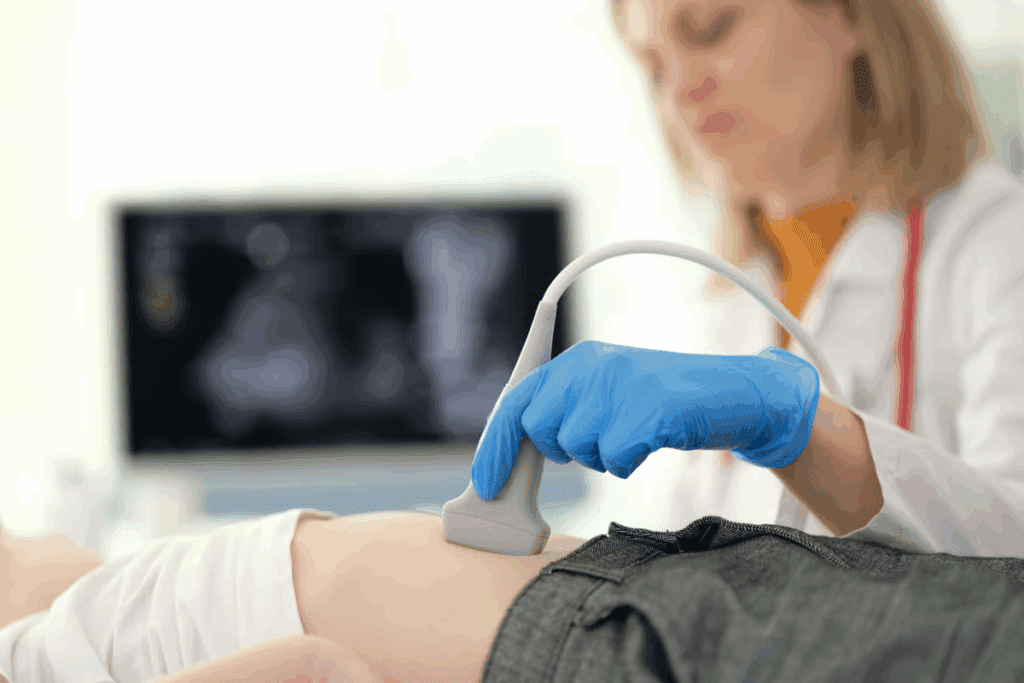
Imaging is vital for spotting gallstones in patients without a gallbladder. Ultrasound is often the first choice because it’s non-invasive. It can spot bile duct issues and stones, but it’s not perfect.
Magnetic Resonance Cholangiopancreatography (MRCP) is better at finding bile duct stones. It gives clear pictures of the ducts, helping spot problems after gallbladder removal.
Laboratory Tests
Laboratory tests are also key in diagnosing gallstones. Liver function tests (LFTs) can show if bile ducts are blocked by stones. High levels of bilirubin and other enzymes mean there’s a blockage.
Tests like complete blood count (CBC) and pancreatic enzymes help find related issues. These can include infections or pancreatitis linked to bile duct stones.
Differential Diagnosis
When diagnosing patients without a gallbladder, it’s important to rule out other causes. Symptoms can be similar to those of gallstones. This includes other blockages, tumors, and issues with the Oddi sphincter.
To accurately diagnose gallstones after gallbladder removal, a detailed check is needed. This includes imaging and lab tests. It helps find gallstones and rule out other problems.
Treatment Options: How to Get Rid of Gallstones Without a Gallbladder
Gallstones can cause problems even after the gallbladder is removed. This means we need effective treatment strategies. Without a gallbladder, we can’t remove it to solve the problem. Instead, we focus on treating stones in the bile ducts.
Endoscopic Retrograde Cholangiopancreatography (ERCP)
Endoscopic Retrograde Cholangiopancreatography (ERCP) is a key treatment for bile duct stones. It uses endoscopy and fluoroscopy to diagnose and treat bile and pancreatic duct conditions. This method removes stones from the bile ducts, preventing jaundice and pancreatitis.
The American Society for Gastrointestinal Endoscopy says ERCP is very effective. It’s less invasive than surgery, which means less recovery time and fewer complications.
Surgical Interventions
In some cases, surgical interventions are needed for gallstones without a gallbladder. ERCP is often the first choice, but sometimes surgery is needed. This might be for large or many stones, or when there are serious complications.
- Surgery may involve exploring the bile ducts to remove stones.
- In some instances, a procedure to widen the bile duct opening (sphincterotomy) may be performed to facilitate stone removal.
Medical Management
Medical management is key for treating gallstones without a gallbladder. It helps manage symptoms and prevent new stones. This includes:
- Ursodeoxycholic acid (UDCA) to dissolve certain types of stones.
- Managing conditions that may lead to stone formation, like high cholesterol or bile stasis.
- Making dietary changes to lower the risk of future stones.
| Treatment Option | Description | Indications |
| ERCP | Endoscopic removal of bile duct stones | Bile duct stones causing obstruction or symptoms |
| Surgical Interventions | Surgical exploration and removal of stones | Large or multiple stones, complications like pancreatitis |
| Medical Management | Dissolving stones, managing symptoms, and preventing future stones | Small stones, patients unfit for surgery, or as adjunctive therapy |
When to Seek Emergency Care
It’s important to know when to seek emergency care for gallstone symptoms. Severe abdominal pain, jaundice, fever, and signs of infection need immediate attention. Quick treatment can prevent serious problems and improve recovery.
“Emergency care is essential for patients presenting with severe symptoms or complications related to gallstones, as timely intervention can significantly impact recovery and prevent long-term damage.”
Preventing Recurrent Gallstones After Gallbladder Surgery
Removing the gallbladder doesn’t mean you won’t get gallstones again. But, there are steps you can take to lower your risk. After surgery, you can do several things to help prevent new gallstones.
Dietary Modifications
Changing what you eat is key to avoiding gallstones after surgery. Eating less fat can help, as too much fat can cause bile duct problems. Also, eating more fiber helps keep your bowels regular and improves your bile.
Eating lots of fruits, veggies, and whole grains is good. Try to eat less refined carbs and sugary foods. These can lead to metabolic changes that might increase your gallstone risk.
Lifestyle Changes
Changing your lifestyle is also important. Being active helps bile flow better and lowers gallstone risk. Keeping a healthy weight is also key, as being overweight can increase your risk.
Don’t lose weight too fast, as this can also raise your risk. Losing weight slowly, with a doctor’s help, is safer.
Medical Prophylaxis
In some cases, medicine might be needed to prevent gallstones from coming back. Ursodeoxycholic acid (UDCA) can dissolve small stones and stop new ones. But, this is usually for people at high risk.
Long-term Follow-up Care
After gallbladder surgery, regular check-ups are vital. These visits help catch any signs of gallstones coming back early. They also help deal with any problems quickly.
| Preventive Measure | Description | Benefits |
| Dietary Modifications | Reducing fat intake, increasing fiber consumption | Manages symptoms, improves bile composition |
| Lifestyle Changes | Regular physical activity, maintaining a healthy weight | Improves bile flow, reduces risk of gallstone formation |
| Medical Prophylaxis | Ursodeoxycholic acid (UDCA) medication | Dissolves small gallstones, prevents new ones from forming |
| Long-term Follow-up Care | Regular check-ups with a healthcare provider | Monitors for signs of gallstone recurrence, addresses complications promptly |
Conclusion
Gallstones can happen even after the gallbladder is removed. This is called choledocholithiasis. It’s important to know the risks and signs to manage it well.
Gallstones can form without a gallbladder due to changes in bile flow and composition. Factors like a history of gallstones, metabolic conditions, and genetics play a role.
Symptoms of gallstone pain without a gallbladder can be similar to before surgery. These include right upper abdominal pain, jaundice, and digestive problems. Getting an accurate diagnosis through imaging and lab tests is key.
To prevent and manage gallstones, making dietary changes and lifestyle adjustments is helpful. Medical treatments can also be used. Regular follow-ups are needed to watch for any complications.
In summary, removing the gallbladder can help with gallstone symptoms but doesn’t stop them from coming back. Being aware and managing gallstones after surgery is important. It helps avoid complications and ensures good health.
FAQ
Can you have gallstones after gallbladder removal?
Yes, it’s possible to have gallstones even after the gallbladder is gone. This is called choledocholithiasis, where stones form in the bile ducts.
What are the symptoms of gallstone pain without a gallbladder?
Symptoms include right upper abdominal pain, jaundice, fever, nausea, and digestive issues. These are similar to symptoms before the gallbladder was removed.
How are gallstones diagnosed in patients without a gallbladder?
Doctors use imaging like ultrasound, CT scans, or MRI. They also do lab tests to check for bile duct obstruction or infection.
What are the treatment options for gallstones without a gallbladder?
Treatments include ERCP, surgery, and medical management. The choice depends on the stone’s size, location, and number.
Can you get gallstones without a gallbladder?
Yes, gallstones can form in the bile ducts even without a gallbladder. This happens because the same conditions that caused gallstones in the gallbladder can affect the bile ducts.
How can I prevent recurrent gallstones after gallbladder surgery?
To prevent gallstones, eat healthy, avoid certain foods, and manage metabolic conditions. Keeping a healthy weight and lifestyle changes help too.
What is choledocholithiasis?
Choledocholithiasis is when gallstones are in the bile ducts. It can happen even after the gallbladder is removed. It causes symptoms similar to before surgery.
Can you have a gallbladder attack without a gallbladder?
While gallbladder attacks usually come from the gallbladder, similar symptoms can occur. This is due to stones in the bile ducts or other conditions.
What are the risk factors for developing gallstones after gallbladder surgery?
Risk factors include a history of gallstones, metabolic and liver conditions, and genetic predispositions. Knowing these can help manage and prevent gallstones.
How do changes in bile flow after gallbladder removal affect gallstone formation?
After the gallbladder is removed, bile flows directly to the intestine. This can change bile composition and lead to stone formation in the bile ducts.