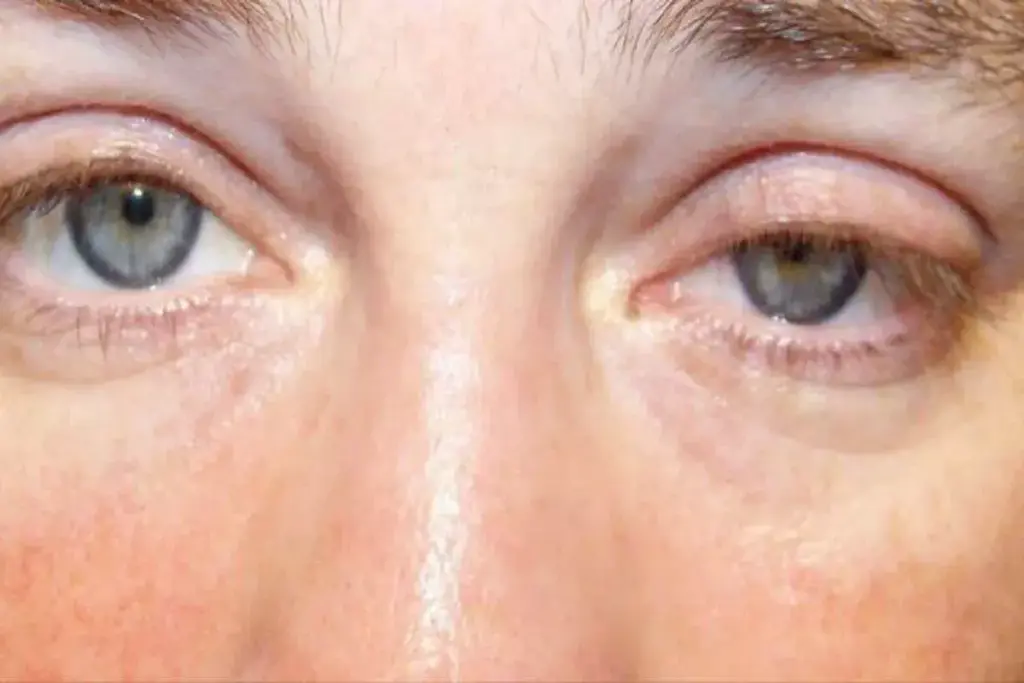
Vision problems can be more than just eye issues. Research shows a strong link between gluten intolerance and eye problems.
Gluten intolerance, like celiac disease, can cause eye conditions. This is because of poor nutrient absorption and autoimmune reactions.
Half of those with celiac disease have symptoms outside the gut. This includes vision or eyesight problems. It shows the importance of full healthcare.
Key Takeaways
- Celiac disease can cause extra-intestinal symptoms, including vision problems.
- Malabsorption of essential nutrients contributes to ocular complications.
- Autoimmune responses play a role in the development of eye conditions.
- Comprehensive healthcare is necessary for patients with celiac disease.
- Vision problems can be a significant issue for those with gluten intolerance.
The Link Between Gluten Intolerance and Eye Problems

Gluten intolerance and eye problems are linked in ways we’re just starting to understand. This condition, often tied to celiac disease, affects more than just our stomachs. It can cause symptoms in other parts of our body, including our eyes.
What is Gluten Intolerance and Celiac Disease?
Gluten intolerance is when our body reacts badly to gluten, a protein in wheat, barley, and rye. Celiac disease is a more serious version of this intolerance. It causes our immune system to attack our small intestine, leading to poor nutrient absorption. This condition can affect many parts of our body, not just our stomachs.
Key characteristics of celiac disease include:
- Autoimmune response to gluten
- Damage to the small intestine
- Malabsorption of essential nutrients
Extra-Intestinal Symptoms and Ocular Manifestations
Celiac disease can show up in many ways, including eye problems. The lack of nutrients and the immune system’s reaction can harm our eyes. This can lead to several eye issues.
| Ocular Manifestation | Description |
| Cataracts | Clouding of the lens in the eye |
| Uveitis | Inflammation of the uvea, the middle layer of the eye |
| Dry Eye Syndrome | Insufficient lubrication on the surface of the eye |
The relationship between gluten intolerance and eye health is complex. It involves the lack of nutrients and the immune system’s impact on our eyes. Knowing this can help those with gluten intolerance manage their condition better. It can also help protect their vision and eye health.
Nutrient Deficiency-Related Vision Issues

Gluten intolerance can lead to vision problems due to nutrient deficiencies. People with gluten intolerance or celiac disease may not absorb essential nutrients well. This can cause various health issues, including vision problems.
Vitamin A Deficiency and Its Impact on Vision
Vitamin A is a key nutrient affected by gluten intolerance. Vitamin A deficiency can cause serious vision issues. These include night blindness and dry eye syndrome.
Night blindness makes it hard to see in the dark. It’s often the first sign of vitamin A deficiency. Dry eye syndrome happens when the eyes don’t make enough tears. It causes discomfort, blurred vision, and raises the risk of eye infections.
Vitamin B12 Deficiency and Nutritional Optic Neuropathy
Vitamin B12 is also important for vision health. A lack of vitamin B12 can damage the optic nerve. This damage can lead to gradual vision loss in both eyes.
Nutritional optic neuropathy is linked to poor diet and malabsorption. These are common in those with gluten intolerance or celiac disease. Symptoms include blurred vision, loss of color vision, and severe vision impairment if not treated.
In summary, nutrient deficiencies from gluten intolerance can harm vision health. It’s important to understand the connection between these deficiencies and vision problems. By addressing these deficiencies, we can prevent vision issues.
Autoimmune-Related Ocular Conditions
Gluten intolerance can trigger autoimmune responses that lead to eye conditions like uveitis. Uveitis is inflammation in the middle layer of the eye. It causes redness, pain, and sensitivity to light. We’ll look at how celiac disease increases the risk of uveitis and other eye problems.
Uveitis and Inflammatory Eye Responses
Uveitis is a big worry for those with gluten intolerance. It can cause serious vision loss if not treated. The exact cause is not known, but autoimmunity is thought to play a key role. Studies show celiac disease patients are more likely to get uveitis, stressing the need to manage gluten for eye health.
For more on celiac disease’s eye effects, check out EyeWiki. It offers in-depth information on the topic.
Other Eye Conditions Associated with Celiac Disease
Uveitis isn’t the only eye issue linked to celiac disease. Other autoimmune eye problems can also occur. These can affect different parts of the eye, causing various symptoms. It’s key for those with gluten intolerance to know these risks and work with their doctors to manage their condition.
Understanding the link between gluten intolerance and eye problems helps us see why a gluten-free diet is vital. It helps manage celiac disease and lowers the risk of eye issues.
Conclusion
We’ve looked into how gluten intolerance affects the eyes. It’s key to manage celiac disease for better eye health. A gluten-free diet helps a lot, and eye exams are important for catching problems early.
People with celiac disease or gluten sensitivity need to take care of their eyes. They should watch their nutrient levels, like vitamin A and omega-3s. These are often low because of poor digestion. Taking good care of your eyes can help avoid eye problems linked to gluten.
To find out more about gluten and eye health, check out the Gluten-Free Society. They have lots of info on celiac disease and eye health.
FAQ
What are the common eye problems associated with gluten intolerance?
Gluten intolerance can cause eye issues like dry eye and night blindness. It can also lead to uveitis and nutritional optic neuropathy. This is due to not getting enough nutrients and the body’s immune system reacting.
How does gluten intolerance cause vision issues?
Gluten intolerance can lead to vision problems by not absorbing important nutrients. It can also cause inflammation in the eyes, leading to uveitis.
What is the relationship between vitamin A deficiency and eye problems in gluten intolerance?
Vitamin A deficiency, common in gluten intolerance, can cause serious eye issues. This includes night blindness and dry eye syndrome. It shows why managing gluten intolerance is key for eye health.
Can gluten intolerance cause dizziness and vision problems?
Yes, gluten intolerance can lead to dizziness and vision issues. This is due to not getting enough nutrients and immune system reactions. These can affect the eyes and inner ear, causing balance problems.
How does a gluten-free diet impact eye health in individuals with gluten intolerance?
A gluten-free diet is vital for managing gluten intolerance. It can help prevent eye conditions like uveitis and nutritional deficiencies. It improves nutrient absorption and reduces immune system reactions.
Are there any specific eye conditions associated with celiac disease?
Yes, celiac disease increases the risk of eye conditions. This includes uveitis, dry eye syndrome, and nutritional optic neuropathy. Regular eye exams are important for those with gluten intolerance.
Can rosacea be linked to gluten intolerance?
Some studies suggest a link between rosacea and gluten intolerance. People with rosacea may see symptom improvements on a gluten-free diet. More research is needed to confirm this.
What is the importance of regular eye examinations for individuals with gluten intolerance?
Regular eye exams are vital for those with gluten intolerance. They help monitor eye health and catch issues early. This is important for managing conditions like uveitis and preventing vision problems.
References
https://www.barraquer.com/en/news/relationship-celiac-visual-health