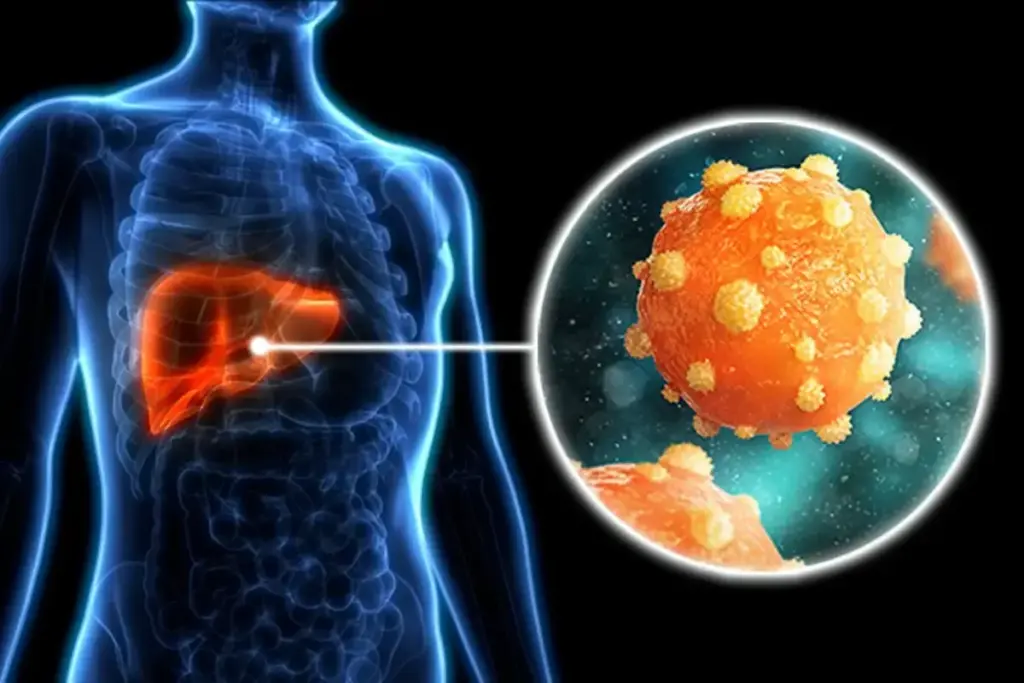
Hepatitis B is a serious liver infection that affects millions worldwide. It’s important to know how it spreads to prevent it. Many people wonder if it can spread through saliva.
At Liv Hospital, we focus on giving you the latest information on health. Hepatitis B spreads through blood, semen, or body fluids. But can it spread through saliva? This is a big concern that needs to be answered.
Studies show that hepatitis B is unlikely to spread through saliva. But, it can happen if saliva has blood and there’s an open wound. Medical News Today says the risk is higher with open wounds or if the virus is very active.
Key Takeaways
- Hepatitis B transmission through saliva is possible but unlikely under normal circumstances.
- The risk increases if saliva contains blood and there’s an open wound.
- Vaccination is the primary preventive measure against Hepatitis B.
- Approximately 1 in 2 people with HBV are unaware they have the virus.
- If exposure to hepatitis B in saliva is suspected, testing is advisable.
Understanding Hepatitis B Virus
To understand the risks of Hepatitis B, we need to know about the virus. Hepatitis B is a viral infection that mainly affects the liver. It can cause both short-term and long-term health problems.
What is Hepatitis B?
Hepatitis B is caused by the Hepatitis B virus (HBV). It attacks liver cells and can cause inflammation. This inflammation can lead to mild or severe health issues, like cirrhosis and liver cancer.
The virus is very contagious and spreads through various bodily fluids. The severity of the infection varies. Some people recover quickly, while others face long-term liver damage.
Prevalence and Global Impact
The World Health Organization (WHO) says 254 million people had chronic Hepatitis B in 2022. This shows the virus’s wide reach, mainly in Asia and Africa.
Hepatitis B is a global problem, not just in developing countries. Knowing how the virus spreads helps us fight it better.
Asymptomatic Carriers and Silent Transmission
Asymptomatic carriers are a big challenge in fighting Hepatitis B. These are people who have the virus but don’t show symptoms. They can pass the virus to others without anyone knowing.
These carriers can spread HBV through blood and possibly other fluids. It’s key to be aware, get tested, and take steps to stop the virus from spreading.
How Do You Get Hep B: Primary Transmission Routes
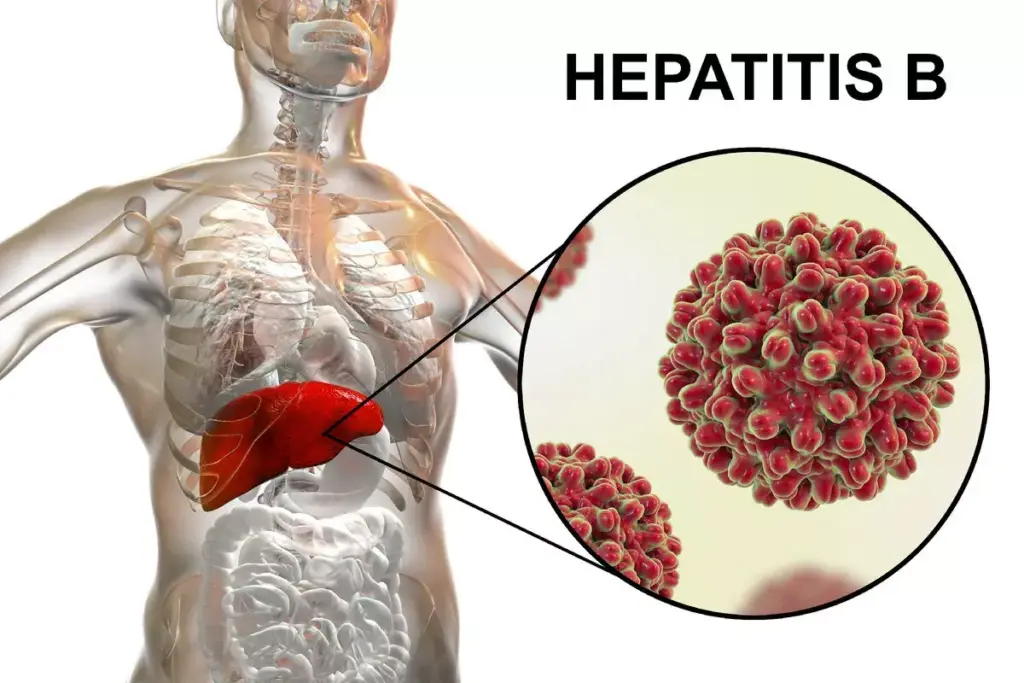
To understand how Hepatitis B spreads, we must know its main ways. It mainly spreads through blood, semen, or other body fluids from an infected person to someone who isn’t. The main ways include blood exposure, sexual contact, and passing from mother to child.
Blood Exposure
Blood exposure is a key way Hepatitis B is spread. This can happen through:
- Sharing needles or syringes with infected blood
- Blood transfusions from donors who haven’t been checked, though rare in many places
- Sharing personal items like razors or toothbrushes that might have infected blood
- Occupational exposure, like needlestick injuries for healthcare workers
The Hepatitis B Foundation says blood exposure is a big risk. They stress the importance of safe practices and checking blood products.
Sexual Contact
Sexual contact is another big way Hepatitis B spreads. The virus is in semen and vaginal fluids. This makes it spread through:
- Unprotected sex with someone who has it
- Having many sexual partners, which raises the risk
Using condoms can greatly lower the risk of getting Hepatitis B through sex.
Mother-to-Child Transmission
Mother-to-child transmission happens when an infected mom passes the virus to her baby during birth. This is a big worry worldwide, mainly in places with lots of Hepatitis B cases.
To stop this, pregnant women need to be tested for Hepatitis B. Babies born to infected moms should get the Hepatitis B immune globulin and the first vaccine dose within 12 hours. They should then finish the vaccine series as recommended.
Knowing these main ways Hepatitis B spreads helps us take steps to stop it.
Saliva as a Possible Transmission Route
Looking into how Hepatitis B spreads, saliva’s role is key. Studies show that Hepatitis B surface antigen can be found in the saliva of those infected. This hints at a possible way the virus can spread.
Presence of HBV in Saliva
Research has found that Hepatitis B virus is in the saliva of infected people. The rates of detection vary, from 40% to 98%. This variation might come from different testing methods and study groups.
This finding means that, in theory, Hepatitis B could spread through contact with infected saliva. But how likely this is is something scientists are trying to figure out.
Risk Factors for Saliva Transmission
The risk of spreading Hepatitis B through saliva goes up if there’s blood in saliva or open wounds in the mouth. Blood in the saliva can make the virus more contagious.
- Open mouth sores or bleeding gums
- Sharing personal items that may have come into contact with saliva
- Deep kissing or other intimate contact that could involve the exchange of saliva
Activities That May Pose Risk
Some activities might increase the risk of getting Hepatitis B through saliva. These include:
- Sharing needles or other drug paraphernalia that may have come into contact with infected saliva.
- Sharing personal care items like toothbrushes or razors.
- Engaging in intimate contact that involves the exchange of saliva.
It’s important to remember that while these activities might pose a risk, scientists are studying how likely Hepatitis B is to spread through saliva.
In summary, while HBV is found in saliva, the risk of spreading it through saliva depends on several factors. These include the presence of blood and certain activities that might lead to saliva exchange.
Conclusion: Understanding and Preventing Hepatitis B Transmission
It’s important to know how Hepatitis B spreads to stop it. We talked about main ways it’s passed on, like through blood, sex, and from mom to baby. We also looked into if it can spread through saliva, and found that it’s not very likely.
Even though the chance of getting it from saliva is small, we should be careful. This is because saliva can sometimes carry the virus, like when biting or sharing things. Knowing how it spreads and taking steps to prevent it is key.
Vaccination is a big part of stopping Hepatitis B. The vaccine is safe and works really well. It protects almost everyone who gets it right. People at risk, like doctors and those with many partners, should get vaccinated.
By learning about how Hepatitis B spreads, including through saliva, we can fight it better. Using vaccines and other prevention methods helps a lot. So, while Hepatitis B can’t spread easily through saliva, being careful and getting vaccinated is important. This way, we can keep the virus from spreading and make sure it’s not a big worry.
FAQ
Can Hepatitis B be transmitted through saliva?
Hepatitis B virus (HBV) can be in saliva, but the risk is low. Yet, activities that mix saliva, like with blood, can be risky.
How is Hepatitis B mainly spread?
Hepatitis B spreads mainly through blood, sex, and from mother to child at birth. These are the biggest ways it spreads.
What increases the risk of getting Hepatitis B through saliva?
Blood in saliva or mouth wounds raises the risk. Sharing needles or items with blood, or certain behaviors, also increases risk.
Can sharing food or drinks spread Hepatitis B?
Sharing food or drinks is low-risk for Hepatitis B. But, if there’s blood in the saliva, the risk goes up.
Is Hepatitis B vaccination effective?
Yes, the Hepatitis B vaccine is very effective. It’s key in stopping the virus and is advised for those at risk, like healthcare workers.
Can you get Hepatitis B from kissing?
Kissing is low-risk for Hepatitis B, unless there’s blood in the saliva. This could be from bleeding gums or mouth sores.
How can we prevent Hepatitis B?
To prevent it, get vaccinated, use protection during sex, and avoid sharing needles or items. Being careful with blood exposure also helps.
Can you have Hepatitis B without symptoms?
Yes, many people carry Hepatitis B without symptoms. This is why screening and vaccination are so important.
What is the global impact of Hepatitis B?
Hepatitis B affects millions worldwide. It can cause chronic infection, liver damage, and cancer. It’s a big health problem globally.
REFERENCES:
Hepatitis B. In StatPearls (Internet). StatPearls Publishing. https://www.ncbi.nlm.nih.gov/books/NBK555945/