
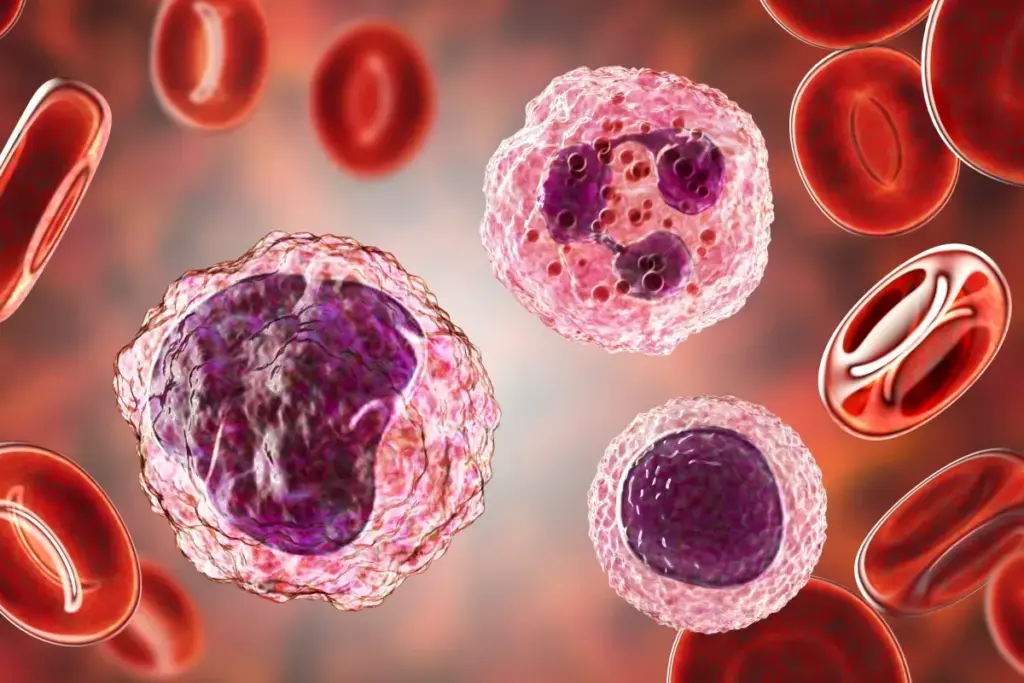
Hypothyroidism, often caused by Hashimoto’s thyroiditis, can really mess with your immune system and blood cell making. Autoimmune thyroiditis can make your lymphocyte and white blood cell counts go up and down. This is because it affects how your body fights off infections.
At Liv Hospital, our top-notch endocrinology team offers detailed tests and treatment plans for hypothyroidism and blood-related issues. It’s key to understand how thyroid function and blood cell counts are connected for good management.
We know that Hashimoto’s thyroiditis can mess with your blood cell counts, which isn’t good for your health. Our team does deep blood work analysis to tackle these issues.
Key Takeaways
- Hypothyroidism can affect lymphocyte and white blood cell counts.
- Hashimoto’s thyroiditis is a common cause of hypothyroidism with autoimmune implications.
- Comprehensive diagnostics are essential for managing related hematologic conditions.
- Liv Hospital offers expert endocrinology services for thyroid and blood disorders.
- Effective treatment plans require understanding the link between thyroid function and blood cell production.
Understanding Hypothyroidism and Blood Cell Production
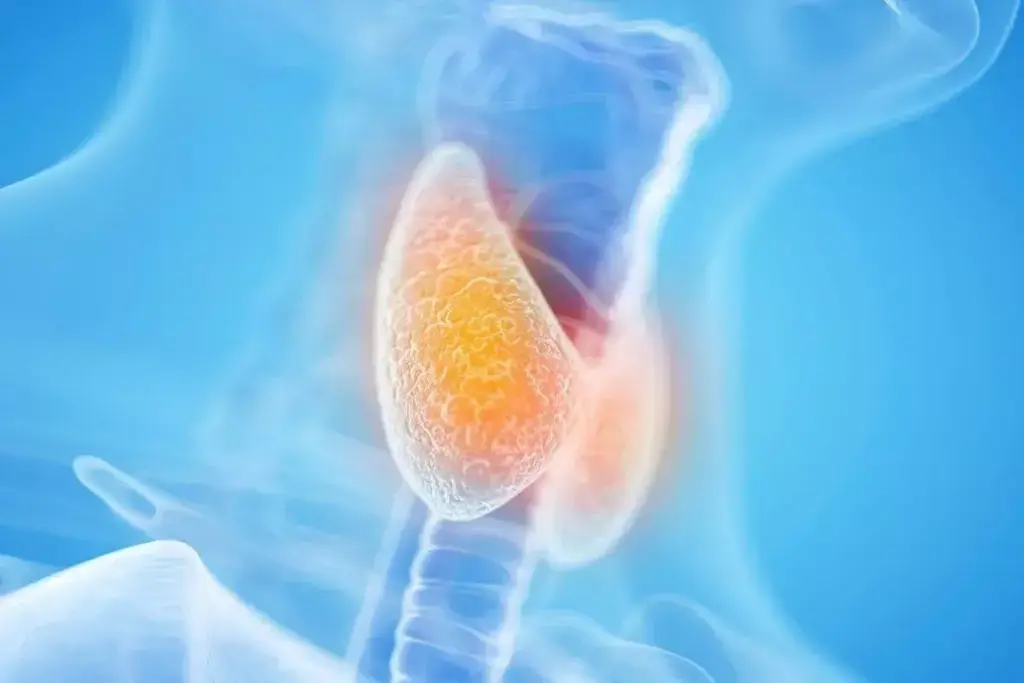
Thyroid hormones are key to many body functions, like making blood cells. They help with energy and keeping the body balanced. If the thyroid doesn’t work right, it can mess with blood cell making.
The Basics of Thyroid Function and Immune System Regulation
The thyroid gland helps control how the body uses energy. It makes hormones like triiodothyronine (T3) and thyroxine (T4) that affect cells. The immune system, which fights off germs, works with the thyroid. Thyroid hormones help the immune system, including lymphocytes, fight off infections.
Autoimmune Thyroiditis: Hashimoto’s Disease Mechanisms
Hashimoto’s thyroiditis is when the immune system attacks the thyroid gland. This leads to hypothyroidism. The immune system’s attack causes inflammation and damage to the thyroid gland. This disrupts hormone production.
Studies show that Hashimoto’s affects lymphocyte counts and function. This shows how thyroid function and immune system work together. For more info, check out studies on autoimmune thyroiditis and its impact on the immune system here.
How Thyroid Hormones Influence Blood Cell Production
Thyroid hormones greatly affect blood cell making, including lymphocytes. They help the bone marrow make blood cells. In hypothyroidism, thyroid hormone levels drop, changing blood cell counts.
This includes changes in percentage lymphocyte and auto lymph low conditions. Knowing this helps manage blood count issues in hypothyroidism patients.
| Condition | Effect on Blood Cells | Clinical Implication |
| Hypothyroidism | Altered lymphocyte counts | Immune system dysregulation |
| Hashimoto’s Thyroiditis | Lymphocytic infiltration | Autoimmune response against thyroid |
| Thyroid Hormone Deficiency | Changes in blood cell production | Potential for anemia or other cytopenias |
Can Hypothyroidism Cause High Lymphocytes and Altered Blood Counts?

Hypothyroidism can change how our immune system works. This can lead to different levels of lymphocytes and other blood cell issues. We will look into how hypothyroidism affects blood counts, including lymphocytes and other cells.
Lymphocytic Infiltration and Percentage Lymphocyte Patterns
Research shows that Hashimoto’s thyroiditis (HT) often causes lymphocytes to gather in the thyroid gland. This can change the number of lymphocytes in the blood.
Studies found that HT patients have fewer lymphocytes and different neutrophil counts than healthy people. The percentage of lymphocytes can also change, which might be confusing without the right context.
Low Auto Lymphocyte Percent: What It Means
A low auto lymphocyte percent might mean our immune system is not working right. In hypothyroidism, it could show our body is attacking the thyroid gland.
Understanding a low auto lymphocyte percent needs to look at the whole picture. This includes thyroid function tests and other immune markers.
Segs Low Lymphocytes High: Understanding the Pattern
The “segs low lymphocytes high” pattern means there are fewer segmented neutrophils but more lymphocytes. This pattern is seen in some hypothyroidism patients, mainly those with autoimmune thyroiditis.
It’s important to consider the patient’s overall health when seeing this pattern. This includes looking at other blood cell counts and symptoms.
Can Hypothyroidism Cause High Red Blood Cell Count?
Hypothyroidism can change white blood cell counts, but it can also affect red blood cell production. Some studies suggest hypothyroidism might increase red blood cell count in some cases.
| Blood Cell Type | Common Changes in Hypothyroidism | Clinical Implications |
| Lymphocytes | Altered counts, often lower in HT patients | Immune system dysregulation |
| Neutrophils | Changes in count, sometimes low segs | Increased risk of infections |
| Red Blood Cells | Potential increase in count | Possible impact on cardiovascular health |
It’s key to understand these changes to manage hypothyroidism well. We need to look at how thyroid function and blood cell production work together for good care.
Conclusion: Managing Blood Count Abnormalities in Hypothyroidism
Managing hypothyroidism is more than just replacing thyroid hormones. At Liv Hospital, we focus on the whole picture. This includes blood cell counts affected by hypothyroidism. We offer detailed diagnostics and treatment plans tailored to each patient.
We use complete blood counts and thyroid tests to understand blood cell issues. This helps us find the right treatment for each patient. Our goal is to improve blood cell counts and overall health.
Choosing Liv Hospital means getting top-notch care for blood count issues in hypothyroidism. We’re dedicated to providing personalized healthcare. Our team works with patients to create treatment plans that meet their specific needs.
FAQ
Can hypothyroidism lead to changes in white blood cell count?
Yes, hypothyroidism, often caused by Hashimoto’s thyroiditis, can change white blood cell counts. This usually results in a low count or changes in lymphocyte percentages.
What is the relationship between Hashimoto’s thyroiditis and lymphocyte count?
Hashimoto’s thyroiditis, an autoimmune disease, can lead to changes in lymphocyte counts. This includes high lymphocytes or changes in lymphocyte percentages due to thyroid gland infiltration.
How does hypothyroidism affect red blood cell count?
Hypothyroidism can change red blood cell counts. It’s more often linked to anemia or lower red blood cell production than an increase.
What does a low auto lymphocyte percent indicate?
A low auto lymphocyte percent suggests an immune system imbalance. This might be related to autoimmune conditions like Hashimoto’s thyroiditis. It needs further evaluation.
What is the significance of segs low lymphocytes high in hypothyroidism?
In hypothyroidism, some see a pattern of segs low lymphocytes high. This indicates a shift in white blood cell types. It might be linked to the autoimmune process.
Can hypothyroidism cause high red blood cell count?
While rare, some studies suggest hypothyroidism might change red blood cell counts. But this is not as common as other blood count changes.
How is hypothyroidism-related blood count abnormalities managed?
At Liv Hospital, we offer detailed diagnostics and custom treatment plans for hypothyroidism and blood count issues. We focus on personalized care for the best results.
References:
World Health Organization. Evidence-Based Medical Guidance. Retrieved from https://www.who.int/health-topics/thyroid-disorders