

Feeling shortness of breath during a low blood sugar episode can be scary. But, it’s more common than you think. When blood sugar gets too low, your body starts a series of reactions. These reactions affect how you breathe.
It’s important to know why hypoglycemia causes breathing problems. This is key for people with diabetes or at risk of low blood sugar. Places like Liv Hospital focus on caring for diabetes patients. They help manage symptoms like shortness of breath.
Key Takeaways
- Hypoglycemia can trigger a stress response, leading to rapid, shallow breathing.
- Diabetes patients are at risk of complications that affect breathing, such as diabetic ketoacidosis.
- Managing blood sugar levels is key to avoiding shortness of breath episodes.
- Heart disease, a risk for those with diabetes, can be signaled by shortness of breath.
- Keeping a close eye on blood sugar levels can lower the risk of breathing troubles.
Can Low Blood Sugar Cause Shortness of Breath? Understanding the Mechanism
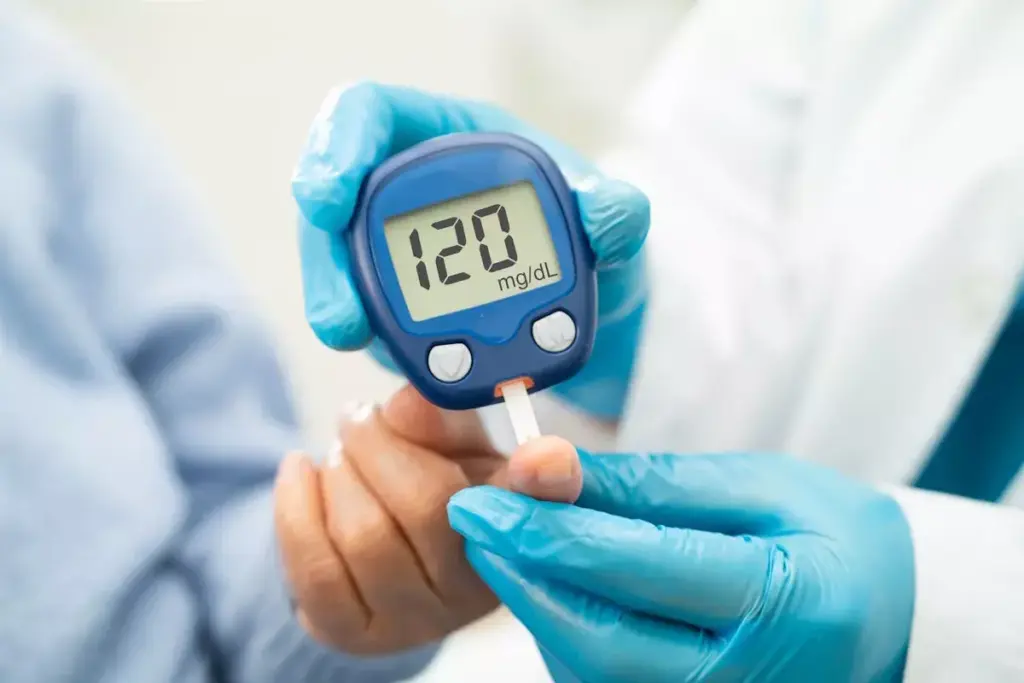
When blood sugar drops, the body starts a series of reactions. These can cause shortness of breath. It’s important to understand this to manage the condition well.
What Happens When Blood Sugar Drops Below 70 mg/dL
When blood sugar falls below 70 mg/dL, the body releases stress hormones like adrenaline. This is a natural response to stress. But it can also cause breathing problems. Rapid, shallow breathing is a common response, as the body tries to cope with the stress.
The Stress Response: Adrenaline and Breathing Changes
The release of adrenaline during hypoglycemia increases heart rate and can cause rapid, shallow breathing. This hormonal response is meant to protect us. But it can also make us feel like we can’t breathe. The body’s stress response is a complex interplay of hormones and physiological changes, all aimed at restoring balance.
Glucose Deficiency in Respiratory Muscles
The diaphragm and other respiratory muscles need enough glucose to work well. When glucose levels are low, these muscles may not function properly. This can lead to breathing problems. The table below summarizes the key effects of glucose deficiency on respiratory function.
| Glucose Level | Respiratory Muscle Function | Breathing Difficulty |
| Normal | Efficient | No |
| Low | Impaired | Yes |
| Very Low | Significantly Impaired | Severe |
It’s important to understand the link between low blood sugar and shortness of breath, for those with diabetes or prone to hypoglycemia. Recognizing the body’s responses and managing blood sugar levels can help avoid breathing troubles caused by hypoglycemia.
Diabetes, Blood Sugar Fluctuations, and Breathing Trouble

The link between diabetes and breathing issues is complex. It involves both high and low blood sugar levels. Understanding this connection is key to managing diabetes well and avoiding breathing problems.
Hypoglycemia and Anxiety-Related Breathing Symptoms
Hypoglycemia, or low blood sugar, can cause anxiety-like symptoms. This includes hyperventilation, which may feel like shortness of breath. The body’s stress response to low blood sugar releases adrenaline, affecting breathing.
A clinical expert notes, “Hypoglycemia can show up in different ways, like anxiety attacks. Symptoms include rapid breathing and feeling breathless.”
High Blood Sugar and Diabetic Ketoacidosis Warning Signs
High blood sugar levels can lead to diabetic ketoacidosis (DKA). DKA is serious and can cause shortness of breath. It’s a medical emergency that needs quick attention.
The warning signs of DKA include:
- Shortness of breath
- Fruity-smelling breath
- Nausea and vomiting
- Abdominal pain
Shortness of Breath After Eating Sugar
Some people may feel short of breath after eating sugar. This is less directly related to diabetes. It could be due to an adverse reaction to sugar or an underlying condition affecting glucose processing.
How Common Are These Symptoms Among Diabetes Patients
Breathing troubles due to blood sugar changes are common in diabetes patients. Keeping blood sugar levels in check is vital to avoid these issues. A study found that many diabetes patients experience respiratory symptoms during blood sugar episodes.
| Symptom | Percentage of Diabetes Patients Affected |
| Shortness of breath during hypoglycemia | 35% |
| Shortness of breath during hyperglycemia | 25% |
| Respiratory issues due to DKA | 40% |
Managing diabetes well requires a full approach. This includes monitoring blood sugar, living a healthy lifestyle, and knowing about breathing complications.
Conclusion
It’s important to understand how blood sugar affects breathing, mainly for those with diabetes. Changes in blood sugar can cause breathing problems after eating. Knowing this can help people with diabetes manage their condition better.
Managing diabetes well means eating right, checking blood sugar often, and being ready for emergencies. This can stop serious problems and lessen breathing issues. By controlling blood sugar, people can breathe better and live a healthier life.
High blood sugar can make it hard to breathe. Being aware of this can help people with diabetes stay safe. By staying informed and proactive, they can avoid breathing troubles and live a healthier life.
FAQ
Can low blood sugar cause shortness of breath?
Yes, severe hypoglycemia can trigger rapid or shallow breathing as the body responds to stress.
It is often accompanied by palpitations, anxiety, and sweating.
How does hypoglycemia affect breathing?
Low blood sugar activates the sympathetic nervous system, increasing respiratory rate.
This is the body’s attempt to compensate for energy deficiency in cells.
Can high blood sugar levels cause shortness of breath?
Yes, very high blood sugar can lead to diabetic ketoacidosis (DKA), which causes labored or rapid breathing.
DKA triggers metabolic acidosis, prompting deeper breaths to balance blood pH.
Why do some people experience shortness of breath after consuming sugar?
A rapid spike in blood sugar can temporarily stress the body’s metabolic system.
In people with insulin resistance or diabetes, this may worsen fluid imbalance and breathing efficiency.
How can diabetes patients manage their condition to reduce breathing difficulties?
Regular blood sugar monitoring, proper medication, balanced meals, and exercise help maintain stable glucose levels.
Managing complications like heart or lung issues also reduces breathing problems.
What is the connection between glucose deficiency and respiratory muscles?
Respiratory muscles rely on glucose for energy; low blood sugar can weaken them.
This can lead to rapid, shallow, or labored breathing during hypoglycemia.
How common are breathing difficulties among diabetes patients?
Breathing difficulties are relatively uncommon but can occur during severe hypoglycemia or diabetic ketoacidosis.
They are more frequent in patients with coexisting heart, lung, or metabolic complications.
References
This article aimed to conduct a study that reviews the current published data available about patients with DKA and COVID-19.https://pmc.ncbi.nlm.nih.gov/articles/PMC4085289/