
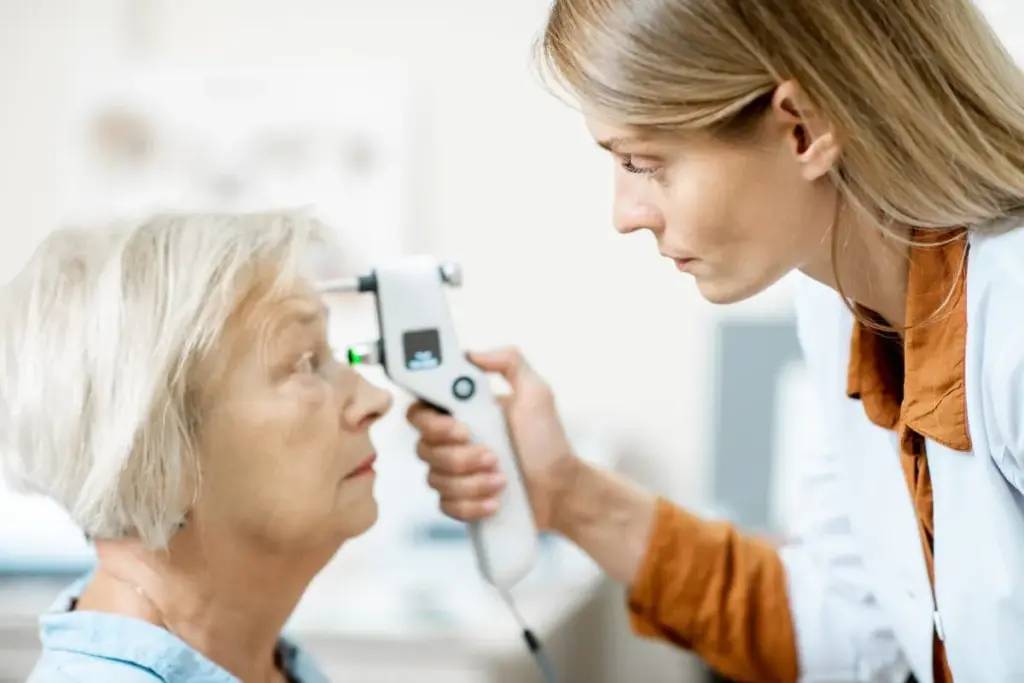
We often worry about high eye pressure, but low eye pressure, or hypotony, can also be dangerous. When eye pressure drops too low, it can lead to vision loss or even blindness in extreme cases.
Eye pressure should stay between 10 and 21 mmHg. If it goes below this, it can cause serious vision problems. Knowing the risks and signs of hypotony is key to keeping your eyes healthy.
Key Takeaways
- Hypotony, or low eye pressure, can lead to vision loss or blindness.
- Normal eye pressure ranges between 10 and 21 mmHg.
- Low eye pressure can cause vision-threatening problems.
- Understanding the risks and symptoms is important for healthy vision.
- Severe cases of hypotony need immediate medical help.
Understanding Low Eye Pressure: What Does It Mean?
Knowing about low eye pressure is key to keeping your eyes healthy. Low eye pressure, or hypotony, happens when your eye’s pressure is too low. This can happen after eye surgery, injury, long-term inflammation, or retinal detachment.
Normal Eye Pressure Ranges and Hypotony Definition
Eye pressure should be between 10-21 mmHg, with an average of 15 mmHg. An eye is considered hypotonic if its pressure is under 6.5 mmHg. But, what really matters is how low pressure affects your vision.
Hypotony can cause serious problems, like hypotony maculopathy. This is when low pressure damages the macula. It’s not just about the number, but how it affects your eye’s health.
Clinical Hypotony Versus Statistical Hypotony
There’s a big difference between statistical and clinical hypotony. Statistical hypotony is when the pressure is below a certain level (usually
| Condition | IOP Range (mmHg) | Clinical Implications |
| Normal Eye Pressure | 10-21 | No adverse effects |
| Statistical Hypotony | <6.5 | Potential for complications |
| Clinical Hypotony | Varies | Vision loss or discomfort |
To understand low eye pressure better, look at this image:
In short, knowing about low eye pressure means understanding both the numbers and the real effects. It’s a serious issue that needs close watch and care to avoid big problems.
Can Low Eye Pressure Cause Blindness? Understanding the Risks
Low eye pressure, or ocular hypotony, can harm the eye. It might lead to hypotony maculopathy. This condition needs careful management to avoid serious vision issues.
How Decreased Intraocular Pressure Affects Your Eyes
Low intraocular pressure can cause problems in the retina, lens, and cornea. These issues might lead to blurred or double vision. In severe cases, it can cause significant vision loss.
The eye’s structure is delicate. Low pressure can disrupt its normal function. For example, the retina might wrinkle or fold, causing vision problems. It’s important for those who have had eye surgery or eye trauma to understand these risks.
Hypotony Maculopathy: Serious Vision Complications
Hypotony maculopathy happens when low eye pressure causes the macula to wrinkle or fold. This can lead to serious vision loss if not treated. The condition is marked by:
- Vision disturbances, including blurred vision and double vision
- Macular folds or wrinkles
- Potential for significant vision loss if left untreated
Phthisis Bulbi: The Most Severe Outcome of Low Eye Pressure
In extreme cases, prolonged low eye pressure can cause phthisis bulbi. This is a severe condition where the eye shrinks and becomes disorganized. It can lead to complete vision loss. The risk factors include:
- Prolonged hypotony
- Trauma to the eye
- Chronic inflammation
What Causes Low Eye Pressure?
Low eye pressure can be caused by several factors, such as:
- Eye surgery, often due to complications
- Trauma to the eye
- Chronic inflammation within the eye
- Overdrainage of fluid from the eye
Knowing the causes of low eye pressure is key to preventing and managing its complications. By understanding the risks and taking the right steps, patients can lower their chance of serious vision problems.
Conclusion
We’ve looked into low eye pressure, also known as hypotony. It can cause serious vision problems. Low IOP eye can lead to conditions like hypotony maculopathy and phthisis bulbi. These can cause a lot of vision loss if not treated.
It’s important to know what low pressure in the eye means. This is true for people who have had eye surgery or have certain health issues. Regular eye exams are key to catch and manage eye pressure problems.
By keeping an eye on low pressure in the eye, we can avoid serious issues. We suggest that people at risk get regular check-ups with eye care experts. This can help prevent big problems.
Keeping our eyes healthy is a big responsibility. By knowing the risks of low eye pressure, we can protect our vision. This is important for our overall eye health.
FAQ
What is considered low eye pressure?
Low eye pressure, or ocular hypotony, is generally defined as intraocular pressure below 10 mmHg. Sustained low pressure can affect the structure and function of the eye.
Can low eye pressure cause blindness?
Yes, if eye pressure remains too low for an extended period, it can damage the optic nerve and other structures, potentially leading to vision loss or blindness.
What are the symptoms of low eye pressure?
Symptoms may include blurred vision, eye discomfort, light sensitivity, or a feeling of eye softness. In severe cases, structural changes in the eye can occur.
What causes low eye pressure?
Low eye pressure can result from over-treatment of glaucoma, eye surgery, trauma, inflammation, or certain medical conditions affecting fluid production or drainage.
How is low eye pressure diagnosed?
Low eye pressure is diagnosed using tonometry to measure intraocular pressure and through a comprehensive eye exam. Doctors may also assess the optic nerve and eye structure for damage.
Is low eye pressure a common condition?
No, low eye pressure is relatively uncommon compared to high eye pressure and glaucoma. It usually occurs as a result of treatment, surgery, or underlying eye problems.
Can low ocular pressure be treated?
Yes, treatment focuses on addressing the underlying cause, adjusting medications, or performing procedures to restore normal fluid balance in the eye. Careful management helps prevent vision complications.
How can I prevent low eye pressure?
Preventing low eye pressure involves regular monitoring if you are on glaucoma medications or have had eye surgery, following your doctor’s instructions, and avoiding excessive pressure-lowering treatments.
National Center for Biotechnology Information. Evidence-Based Medical Insight. Retrieved from https://pmc.ncbi.nlm.nih.gov/articles/PMC12302165/



 Departments
 Related Videos
 Our Doctors
 News
News