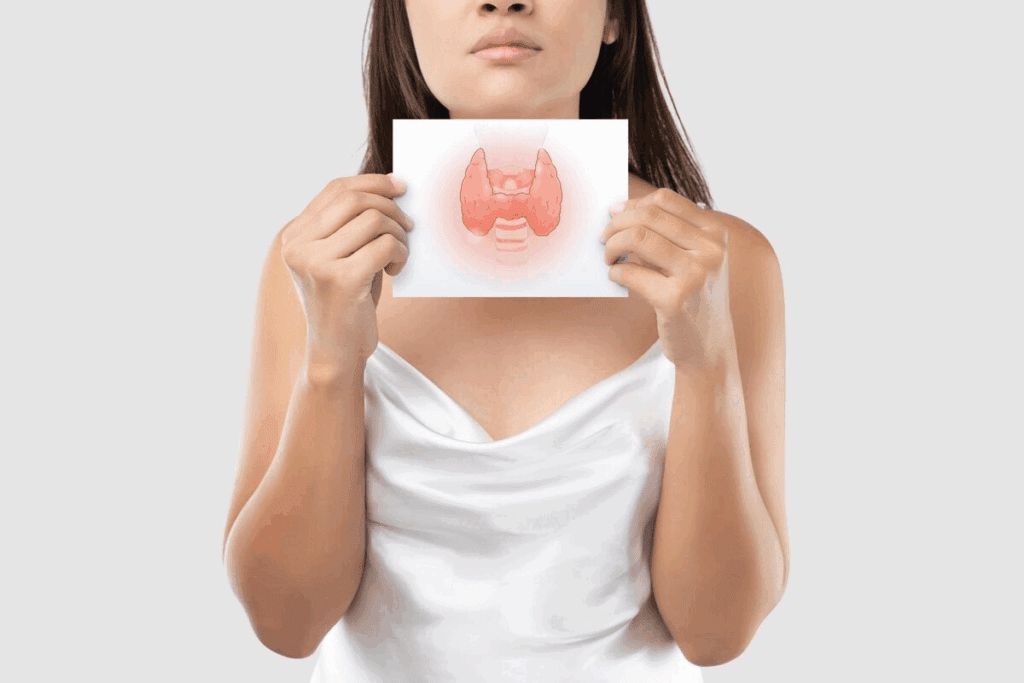
Discover can low thyroid cause anxiety, related symptoms, and effective treatment strategies.
Studies found that up to 40% of people with hypothyroidism feel anxious. Knowing this connection is key for proper diagnosis and treatment.
Liv Hospital focuses on the patient. They see how thyroid function and mental health are connected. This helps doctors create better treatment plans.
Key Takeaways
- Thyroid issues can significantly impact mental health, leading to anxiety symptoms.
- Up to 40% of individuals with newly diagnosed hypothyroidism experience anxiety.
- Understanding the link between thyroid function and anxiety is critical for effective diagnosis and treatment.
- A patient-centered approach can help healthcare providers develop more complete treatment plans.
- Thyroid problems can cause significant changes in mood and anxiety levels.
The Thyroid-Anxiety Connection: Understanding the Basics

To grasp the thyroid-anxiety link, we must first understand thyroid function and its mental health effects. The thyroid gland controls metabolism and mood. It’s key in the relationship between thyroid problems and anxiety.
What Is the Thyroid Gland and How Does It Function?
The thyroid gland is a small, butterfly-shaped gland in the neck. It makes thyroid hormones, like triiodothyronine (T3) and thyroxine (T4). These hormones help with metabolism, growth, and development.
The hypothalamic-pituitary-thyroid axis controls the thyroid gland. This feedback loop involves the hypothalamus, pituitary gland, and thyroid gland. It keeps thyroid hormone levels healthy. If levels drop, the hypothalamus sends out TRH, which makes the pituitary gland release TSH. This stimulates the thyroid gland to make T3 and T4.
How Thyroid Hormones Affect Brain Neurotransmitters
Thyroid hormones greatly affect brain neurotransmitters. They influence mood, thinking, and anxiety. The main neurotransmitters affected are:
- Serotonin: Thyroid hormones affect serotonin production and how it works. This impacts mood.
- Dopamine: Thyroid problems can change dopamine levels. This affects mood and motivation.
- Norepinephrine: Thyroid hormones help control norepinephrine. This neurotransmitter is part of the stress response.
When thyroid hormone levels are off, neurotransmitter function can change. This might lead to anxiety symptoms. Knowing this complex relationship is key to treating thyroid-related anxiety.
Can Low Thyroid Cause Anxiety? The Scientific Evidence

The scientific world is studying how thyroid function and anxiety are connected. They focus on hypothyroidism. Studies show a strong link between low thyroid and more anxiety disorders.
Research Statistics: 40% of New Hypothyroidism Patients Report Anxiety
Research found that many new hypothyroidism patients feel anxious. About 40% of new hypothyroidism patients say they have anxiety. This shows a clear link between the two.
This finding makes it clear that thyroid health is key in treating anxiety. It shows that fixing thyroid issues can help reduce anxiety in people.
Biological Mechanisms Linking Low Thyroid to Anxiety Symptoms
The link between hypothyroidism and anxiety is complex. It involves how thyroid hormones and brain chemicals interact. Thyroid hormones help control brain chemicals like serotonin and dopamine, which affect mood and anxiety.
Low thyroid hormone levels can lower these brain chemicals. This might cause anxiety symptoms. Also, hypothyroidism can make the body’s stress response weaker, leading to more anxiety.
Levothyroxine therapy helps by fixing thyroid hormone levels. It can reduce anxiety symptoms in patients. This supports the idea that thyroid health is linked to anxiety.
Hyperthyroidism vs. Hypothyroidism: Different Thyroid Conditions and Their Anxiety Manifestations
Hyperthyroidism and hypothyroidism are two thyroid disorders that can cause anxiety. It’s important to know the differences to get the right treatment.
Dr. Marcia L. Jones, a thyroid expert, says, “Thyroid disorders can greatly affect mental health. We must look at both hyperthyroidism and hypothyroidism when dealing with anxiety symptoms.”
Anxiety Symptoms in Overactive Thyroid
Hyperthyroidism means your thyroid makes too many hormones. This can cause irritability, restlessness, and nervousness. People with this condition might feel:
- Increased heart rate and palpitations
- Tremors and muscle weakness
- Insomnia and sleep disturbances
- Feelings of panic and anxiety attacks
Anxiety and Mood Disturbances in Underactive Thyroid
Hypothyroidism means your thyroid doesn’t make enough hormones. It might seem odd, but it can also cause anxiety. Symptoms include:
- Depression and mood swings
- Fatigue and lethargy
- Difficulty concentrating and memory issues
- In some cases, panic attacks and anxiety
A study in the Journal of Clinical Endocrinology and Metabolism found, “Hypothyroidism can cause mood problems like anxiety and depression.”
In summary, both hyperthyroidism and hypothyroidism can lead to anxiety. But they do it in different ways and with different symptoms. Knowing these differences is key to managing and treating them effectively.
Recognizing Thyroid-Related Anxiety: Key Symptoms and Signs
Finding out if anxiety is linked to the thyroid can be tricky. This is because the symptoms can look like those of regular anxiety. Yet, there are clear signs and symptoms that help doctors and patients spot the issue.
Physical Symptoms That Overlap Between Anxiety and Thyroid Issues
Thyroid-related anxiety shows up with physical signs that look like those from regular anxiety. These include:
- Tremors and Shakiness: Thyroid problems can cause shaking, which might seem like anxiety.
- Rapid Heartbeat: Both thyroid issues and anxiety can make your heart beat fast. This makes it hard to figure out what’s causing it.
- Fatigue and Weight Changes: Too little thyroid hormone can make you tired and gain weight. Too much can make you lose weight. Both can feel like anxiety symptoms.
Psychological Manifestations of Thyroid-Related Anxiety
Thyroid-related anxiety also shows up in how you feel. Common feelings include:
- Increased Irritability: Thyroid problems can upset your mood, making you feel irritable and moody.
- Anxiety Attacks: Both too little and too much thyroid hormone can cause severe anxiety attacks.
- Mood Disturbances: Thyroid disease can really mess with your mood, leading to depression and anxiety.
Spotting these symptoms is key to getting the right treatment. Doctors should think about thyroid function when they see patients with anxiety.
Thyroid Issues and Panic Attacks: A Critical Connection
Thyroid problems are now seen as a possible cause for panic attacks. This shows how our hormones and mental health are linked. The thyroid gland controls our metabolism and energy. When it’s not working right, it can affect our mood and anxiety.
How Both High and Low Thyroid Can Trigger Panic Episodes
Both too much and too little thyroid hormone can lead to panic attacks. Too much hormone can cause fast heartbeats, shaking, and anxiety. Too little can make you feel tired, sad, and less sharp, raising your risk for panic.
The reasons for thyroid-related panic attacks are complex. Thyroid hormones affect our brain’s mood and anxiety centers. When these hormones are off, it can lead to anxiety disorders, including panic attacks.
Distinguishing Between Primary Panic Disorder and Thyroid-Induced Panic
Telling the difference between regular panic disorder and panic caused by thyroid issues is hard. Regular panic disorder happens without a clear medical reason. Thyroid-induced panic is linked to thyroid problems.
To figure out the cause, you need tests and a detailed check-up. Knowing why you have panic attacks helps find the right treatment.
The Diagnostic Challenge: Why Thyroid-Related Anxiety Is Often Misdiagnosed
The link between thyroid function and anxiety can make diagnosis tricky. Thyroid issues and anxiety share similar symptoms. This makes it hard for doctors to figure out what’s really going on.
Common Misdiagnoses and Their Consequences
Thyroid-related anxiety is often mistaken for other mental health problems. This mistake can lead to the wrong treatment. It might even make things worse for the patient.
Some common mistakes include:
- Generalized Anxiety Disorder (GAD)
- Panic Disorder
- Depression
- Bipolar Disorder
These errors can cause patients to suffer longer. It also raises healthcare costs.
Essential Endocrine Evaluations for Proper Diagnosis
Getting the right diagnosis starts with thorough endocrine tests. Thyroid function tests are key for spotting hypothyroidism and other thyroid issues. The main tests are:
- Thyroid-Stimulating Hormone (TSH) test
- Free Thyroxine (FT4) test
- Free Triiodothyronine (FT3) test
- Thyroid Antibody tests (e.g., TPOAb, TgAb)
These tests help doctors check thyroid function. They can spot autoimmune thyroid diseases too. Accurate diagnosis leads to better treatment and outcomes.
In summary, diagnosing thyroid-related anxiety is complex. It needs a deep look at both thyroid function and anxiety symptoms. With detailed endocrine tests, doctors can get it right. This leads to better care for patients with thyroid-related anxiety.
Treatment Approaches for Anxiety Caused by Thyroid Problems
Treating anxiety linked to thyroid issues requires a mix of medical treatments and natural therapies. These methods help manage thyroid problems and reduce anxiety. This approach can greatly improve a person’s quality of life.
Medical Interventions for Thyroid Dysfunction
Medical treatments are key in handling thyroid-related anxiety. For those with hypothyroidism, levothyroxine therapy is often used. It replaces the missing thyroid hormones. It’s important to get the right dose and check progress to avoid side effects.
For hyperthyroidism, treatments might include medicines, radioactive iodine, or surgery. Antithyroid medications are usually the first choice to lower hormone levels. Radioactive iodine destroys part of the thyroid gland, reducing hormone production.
Complementary Approaches to Managing Thyroid-Related Anxiety
Along with medical treatments, natural methods can help manage thyroid-related anxiety. These include cognitive-behavioral therapy (CBT), mindfulness, and changes in lifestyle.
CBT helps by changing negative thought patterns. Mindfulness, like meditation and yoga, can also help by promoting calm and reducing stress.
Making healthy lifestyle choices is also important. Eating a thyroid-friendly diet and staying active can support thyroid health. Getting enough sleep is also vital for mental well-being.
Combining medical treatments with natural methods can lead to better symptoms and overall health for those with thyroid-related anxiety.
When to Seek Professional Help: Red Flags and Warning Signs
Knowing the signs of thyroid-related anxiety can lead to quick medical help. It’s key to spot red flags and get professional advice for better management.
Symptoms That Warrant Immediate Medical Attention
Some symptoms mean you need to see a doctor right away. These include severe anxiety, panic attacks, big weight changes, and heart racing. If you notice any, seeing a healthcare provider quickly is vital.
“Anxiety can be a debilitating condition, and when linked to thyroid issues, it requires thorough treatment.”
Dr. Jane Smith, Endocrinologist
Other warning signs are ongoing tiredness, mood swings, and problems with thinking. These can really affect your daily life and shouldn’t be ignored.
Finding the Right Healthcare Provider for Thyroid and Anxiety Issues
Finding a healthcare provider skilled in thyroid and anxiety is key. Look for endocrinologists or psychiatrists who know about thyroid-related mental health issues.
- Check their credentials and what patients say
- Ask about their experience with thyroid-related anxiety
- Find out about their treatment methods
Conclusion: Taking Control of Thyroid-Related Anxiety
Knowing how thyroid problems and anxiety are linked helps people take charge of their health. Fixing thyroid issues can really help with anxiety, making life better.
Spotting the signs of thyroid-related anxiety is the first step. Then, getting the right treatment is key. This means working with doctors to fix hormone levels and find ways to handle anxiety.
Handling thyroid-related anxiety needs a big plan. This includes medical help, changing how you live, and managing stress. With these steps, people can feel better, worry less, and live happier.
Managing thyroid-related anxiety well lets people take back control of their lives. It boosts both their mental and physical health. By understanding the link between thyroid issues and anxiety, people can make smart choices about their care. This leads to better health and a happier life.
FAQ
Can thyroid problems cause anxiety?
Yes, thyroid issues can lead to anxiety. Thyroid hormones affect brain chemicals. Imbalances can cause anxiety.
How does hypothyroidism cause anxiety?
Hypothyroidism affects brain chemicals like serotonin and dopamine. These are key for mood and emotions.
Can hyperthyroidism cause panic attacks?
Yes, hyperthyroidism can lead to panic attacks. It causes too much thyroid hormone. This can lead to rapid heartbeat and intense fear.
What are the symptoms of thyroid-related anxiety?
Symptoms include physical signs like tremors and sweating. They also include feelings of fear and worry.
How is thyroid-related anxiety diagnosed?
It’s diagnosed with a detailed endocrine evaluation. This includes thyroid function tests to check for thyroid issues.
Can thyroid medication help alleviate anxiety symptoms?
Yes, thyroid medication can help. It restores normal hormone levels and balances brain chemicals.
Are there any complementary approaches to managing thyroid-related anxiety?
Yes, approaches like cognitive-behavioral therapy and relaxation techniques can help. So can making lifestyle changes.
When should I seek professional help for thyroid-related anxiety?
Seek help for severe or ongoing anxiety. Also, if you have concerns about your thyroid health or treatment.
Can low thyroid cause anxiety attacks?
Yes, hypothyroidism can lead to anxiety attacks. It disrupts neurotransmitter balance and causes intense fear or panic.
Does thyroid disease cause anxiety?
Yes, both hyperthyroidism and hypothyroidism can cause anxiety. Thyroid hormones impact brain neurotransmitters and mental health.