
Do you feel dizziness or tingling sensations in your feet? If you have lupus or think you might, knowing how lupus affects your nerves is key. It’s important for your health and happiness.
Systemic lupus erythematosus (SLE) is a long-lasting disease that harms the nervous system. Studies show that 90 percent of people with lupus face brain, spinal cord, or nerve problems. At Liv Hospital, we have teams of experts working together to help lupus patients.
Key Takeaways
- Lupus can significantly affect the nervous system, causing neurological symptoms.
- Neurological symptoms occur in up to 90 percent of lupus patients.
- Multidisciplinary care is essential for managing lupus and its neurological effects.
- Expert specialists can help address the complex needs of lupus patients.
- Understanding the connection between lupus and neurological symptoms is key for good care.
Understanding Lupus and Its Neurological Impact
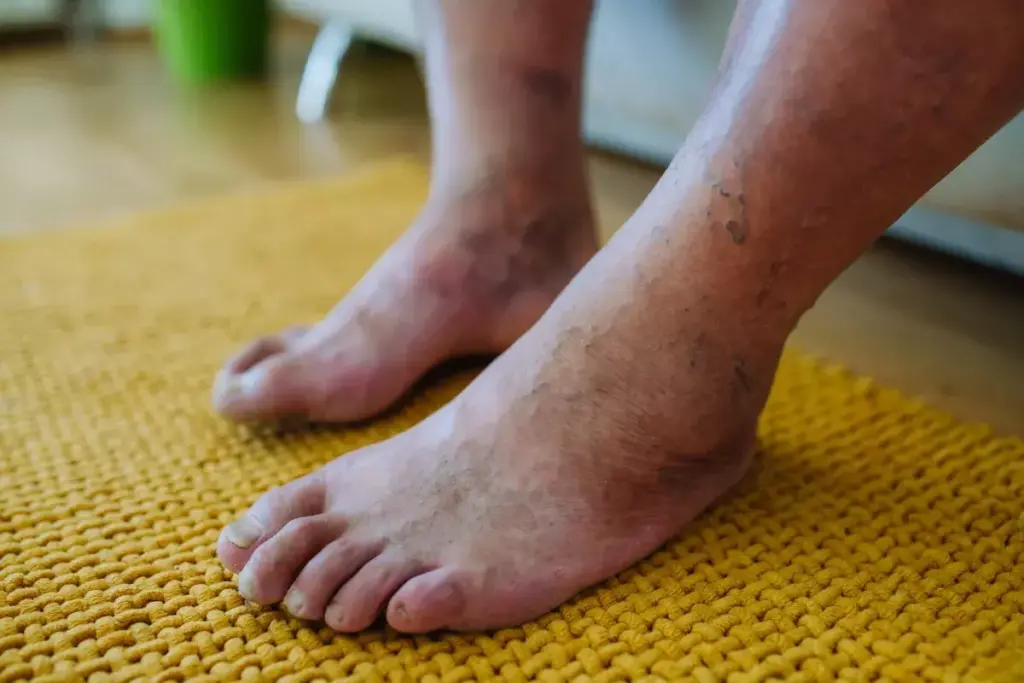
It’s important to understand Systemic Lupus Erythematosus (SLE) and its effects on the nervous system. Lupus is a chronic autoimmune disease. It can affect the skin, joints, kidneys, brain, and other organs.
What is Systemic Lupus Erythematosus (SLE)?
SLE is a condition where the body’s immune system attacks healthy tissues. This leads to inflammation and damage in many parts of the body. The exact cause of SLE remains unknown, but it’s thought to be due to genetics, environment, and hormones.
For more information on lupus and the nervous system, check out Lupus.org. They offer detailed insights into the condition.
How Lupus Affects the Nervous System
Lupus can have a big impact on the nervous system. Symptoms can range from mild headaches and dizziness to severe seizures and cognitive problems. The inflammation from lupus can harm the central nervous system, leading to neuropsychiatric lupus.
| Neurological Symptom | Description |
| Headaches | One of the most common neurological symptoms, often due to inflammation. |
| Seizures | A more severe symptom, indicating significant neurological involvement. |
| Cognitive Dysfunction | Can manifest as memory issues, difficulty concentrating, or confusion. |
It’s key to understand these symptoms to manage lupus well. Healthcare providers can create better treatment plans by knowing lupus’s neurological effects. This way, they can address both physical and neurological aspects of the disease.
Lupus and Neuropathy: When Autoimmunity Attacks Nerves
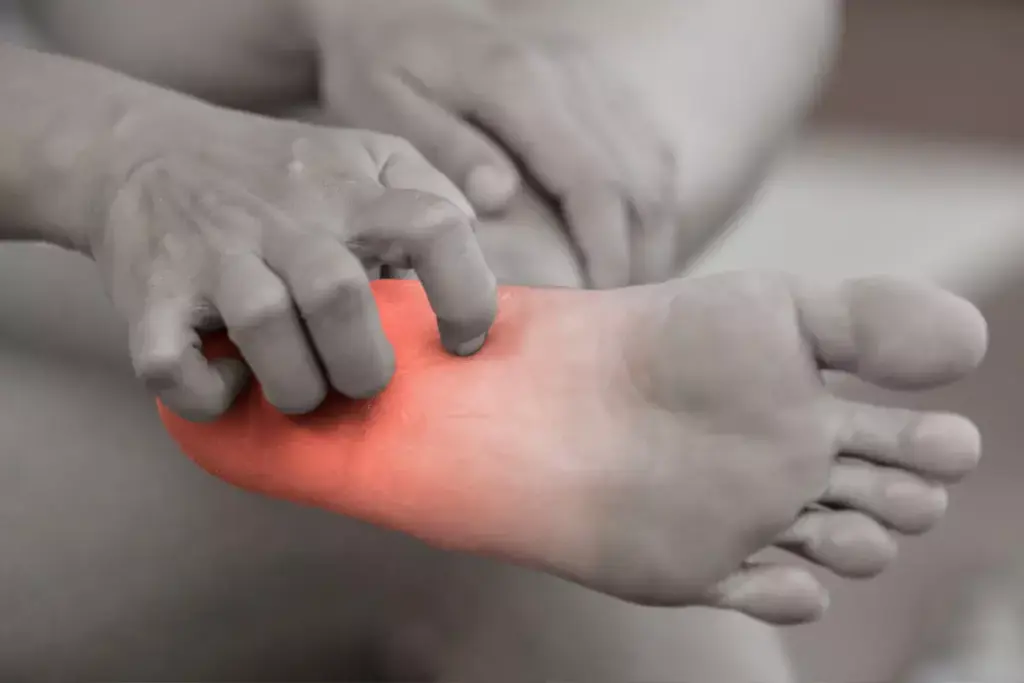
Lupus can harm nerves, leading to neuropathy. This condition greatly affects patients’ lives. It happens when the immune system attacks the nervous system.
Peripheral Neuropathy in Lupus Patients
About 8 percent of lupus patients get peripheral neuropathy. It shows up as numbness, tingling, and weakness. Lupus and neuropathy in feet is common, causing pain and discomfort.
Peripheral neuropathy is very hard to deal with. It affects both physical and mental health. Knowing the causes and symptoms is key to managing it.
What Does Lupus Nerve Pain Feel Like?
Lupus nerve pain feels different for everyone. It can be burning, sharp, or numb. What does lupus nerve pain feel like? People often describe it as various sensory issues.
| Symptom | Description | Prevalence in Lupus Patients |
| Numbness | Loss of sensation in hands and feet | High |
| Tingling | Prickling sensation, often in extremities | Moderate |
| Sharp Pains | Sudden, severe pain, often without warning | Moderate |
Diagnosing and Treating Lupus-Related Neuropathy
To diagnose lupus-related neuropathy, doctors look at symptoms, medical history, and tests like nerve conduction studies. Treatment aims to manage pain, reduce inflammation, and stop the immune system’s attack on nerves.
Treating lupus neuropathy needs a team effort. This includes medicine, physical therapy, and lifestyle changes. Lupus neuropathy symptoms can be managed well with the right treatment, improving patients’ lives.
Understanding lupus and neuropathy helps doctors give better care. Our goal is to help patients with both physical and emotional aspects of lupus-related neuropathy.
Lupus and Dizziness: Causes and Management Strategies
It’s important to know why dizziness happens in lupus patients. Dizziness can make daily life hard. We’ll look at why it happens and how to manage it.
Orthostatic Hypotension as a Primary Cause
Orthostatic hypotension is a big reason for dizziness in lupus patients. It’s when blood pressure drops too low when standing up. This can cause feeling dizzy and seeing things blurry.
The Medical organization says lupus can mess with many parts of the body. This can lead to orthostatic hypotension. To manage it, we need to know why it happens and make lifestyle changes.
| Causes of Orthostatic Hypotension | Management Strategies |
| Dehydration | Increase fluid intake |
| Medication side effects | Review and adjust medications |
| Autonomic dysfunction | Implement physical countermeasures like leg crossing |
Other Neurological Triggers for Dizziness
Dizziness in lupus patients can also come from other neurological issues. These include neuropathy and central nervous system involvement. These can cause symptoms from mild to very severe.
“The complexity of lupus symptoms, including dizziness, shows we need a detailed treatment plan.”
Managing Dizziness and Neurological Symptoms
Handling dizziness needs a few steps. We can change our lifestyle, adjust our meds, and try other treatments. Drinking more water and salt can help with blood pressure issues. Also, doing things like crossing our legs can help blood flow.
By knowing why dizziness happens and using good management, lupus patients can live better. It’s best to talk to doctors to make a plan that’s just right for you.
Conclusion
It’s important to understand how lupus affects the nervous system. Lupus can harm the central nervous system, causing symptoms like neuropathy and dizziness. This is key to managing the disease.
Neurological problems in lupus are linked to how active the disease is. Symptoms can include memory issues, seizures, and nerve damage. It’s also common for lupus to cause nerve pain.
Healthcare providers can create better treatment plans by knowing about lupus’s neurological effects. This helps prevent long-term damage and improves life quality for those with lupus.
As we learn more about lupus and the nervous system, we can help patients better. This way, we can lessen the disease’s impact on their daily lives.
FAQ:
What is the connection between lupus and neuropathy?
Lupus can damage the nerves, leading to symptoms like numbness and pain in the hands and feet. This is known as neuropathy.
Can lupus cause nerve pain in the legs?
Yes, lupus can cause sharp pain in the legs. This pain is due to nerve damage or other neurological issues.
What are the neurological symptoms of lupus?
Symptoms of lupus include nerve damage, dizziness, headaches, seizures, and problems with thinking. These happen because lupus affects the nervous system.
How does lupus affect the nervous system?
Lupus can cause inflammation and damage to nerves, brain, and spinal cord. This leads to various neurological symptoms, like neuropathy and dizziness.
Can lupus cause central nervous system problems?
Yes, lupus can lead to CNS problems. These include seizures, thinking problems, and psychiatric issues. This is due to inflammation and damage to the brain and spinal cord.
What is lupus peripheral neuropathy?
Lupus peripheral neuropathy is nerve damage caused by lupus. It results in numbness, tingling, and pain in the hands and feet.
How is lupus-related neuropathy diagnosed and treated?
Diagnosing lupus-related neuropathy involves a medical history, physical exam, and tests like EMG and NCS. Treatment includes pain and inflammation medications, and lifestyle changes.
Can lupus cause dizziness and lightheadedness?
Yes, lupus can cause dizziness and lightheadedness. This is often due to a sudden drop in blood pressure when standing.
How can dizziness be managed in lupus patients?
Managing dizziness in lupus patients involves finding and treating the cause, like orthostatic hypotension. Lifestyle changes, like staying hydrated and avoiding sudden position changes, are also helpful.
References:
World Health Organization. Evidence-Based Medical Guidance. Retrieved from
https://www.who.int/news-room/fact-sheets/detail/systemic-lupus-erythematosus.