Last Updated on December 3, 2025 by Bilal Hasdemir
Nerve damage is a widespread issue that leads to chronic pain, numbness, and muscle weakness, often referred to as neuropathy. This condition greatly reduces quality of life, making many people wonder, can neuropathy be cured? While traditional treatments focus on managing symptoms, medical research has uncovered a promising new approach: stem cell therapy. By attempting to repair or replace damaged nerve cells, this innovative treatment offers renewed hope to those struggling with neuropathy.
Key Takeaways
- Stem cell therapy is being explored as a treatment for nerve damage.
- Neuropathy can cause chronic pain and muscle weakness.
- Stem cell therapy aims to repair or replace damaged nerve cells.
- This treatment offers new hope for patients with neuropathy.
- Advancements in stem cell therapy are ongoing.
Understanding Nerve Damage and Neuropathy
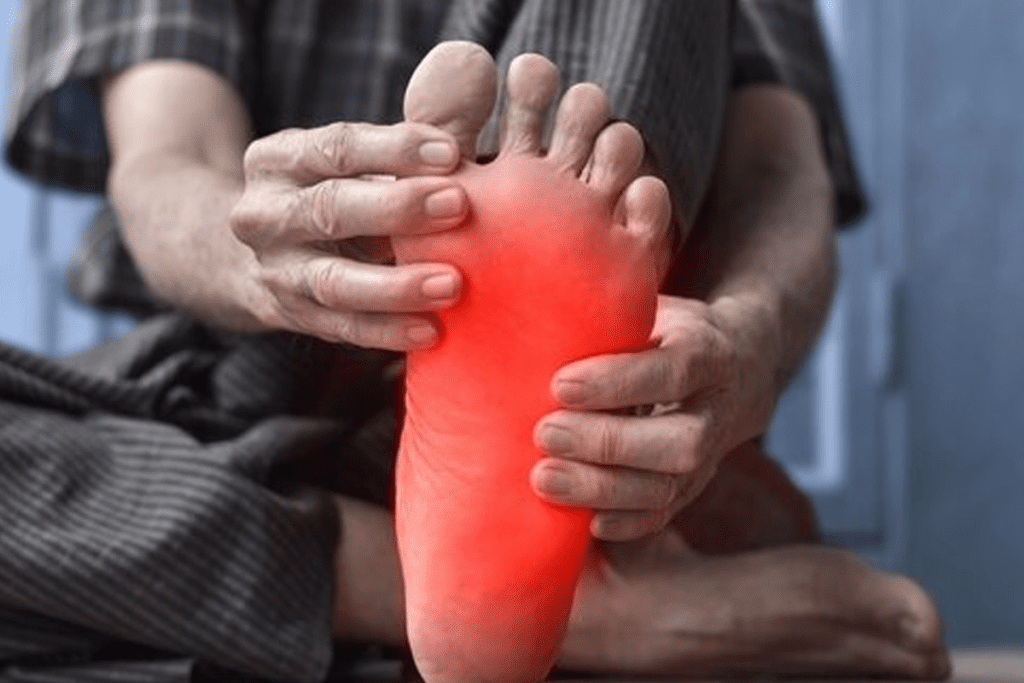
Nerve damage, also known as neuropathy, affects millions of people worldwide. It causes many symptoms that can make daily life hard. Neuropathy is not just one condition. It’s a term for many disorders that affect the nerves outside the brain and spinal cord.
Types of Nerve Damage
There are different types of nerve damage. Peripheral neuropathy affects nerves outside the brain and spinal cord. Autonomic neuropathy affects the autonomic nervous system. Proximal neuropathy affects nerves in the hips, buttocks, or thighs.
- Peripheral neuropathy is the most common. It causes weakness, numbness, and pain, usually in the hands and feet.
- Autonomic neuropathy can affect heart rate, digestion, and blood pressure.
- Proximal neuropathy is less common. It affects one side of the body, causing pain and weakness in the hips and thighs.
Common Causes of Neuropathy
Neuropathy can come from many causes. Diabetes, infections, injuries, and autoimmune disorders are common causes. Diabetes is a big cause, leading to diabetic neuropathy.
| Cause | Description |
| Diabetes | High blood sugar levels damage nerves over time. |
| Infections | Certain infections like Lyme disease and shingles can cause neuropathy. |
| Injuries | Physical injuries can damage nerves directly. |
| Autoimmune Disorders | Conditions like rheumatoid arthritis can lead to neuropathy. |
Symptoms and Diagnostic Approaches
Symptoms of neuropathy vary but often include numbness, tingling, pain, and weakness in affected areas. Doctors use a medical history review, physical exam, and tests to diagnose neuropathy.
Peripheral neuropathy is diagnosed by reviewing medical history, physical exam, and tests. These tests help find the cause and extent of nerve damage.
Impact on Quality of Life
Neuropathy can greatly affect a person’s life. It can make daily activities hard, affect work, and limit social interactions. It’s important to manage neuropathy well to lessen its impact.
A comprehensive understanding of neuropathy is essential for effectively managing its effects. It helps improve the quality of life for those affected.
Conventional Treatments for Nerve Damage
Managing nerve damage often requires a mix of treatments. These aim to ease symptoms, improve life quality, and fix the root causes of neuropathy.
Medication Options
Medicines are a key part of treating nerve damage. Current medications mainly focus on symptom relief, not the causes. Common medicines include:
- Anticonvulsants to reduce nerve pain
- Antidepressants to manage chronic pain and depression
- Topical creams for localized pain relief
Though these medicines help, they don’t solve the nerve damage problem. Research continues to find better medicines.
| Medication Type | Primary Use | Common Side Effects |
| Anticonvulsants | Nerve pain management | Dizziness, drowsiness |
| Antidepressants | Chronic pain and depression | Dry mouth, weight gain |
| Topical Creams | Localized pain relief | Skin irritation, redness |
Physical Therapy Approaches

Physical therapy is vital for nerve damage management. Tailored exercise programs boost mobility, strength, and function. Physical therapists use:
- Manual therapy to improve nerve mobility
- Electrical stimulation to enhance muscle function
- Exercise programs to improve balance and coordination
These methods greatly improve life quality for those with nerve damage.
Surgical Interventions
Surgery is sometimes needed to relieve nerve compression or repair damaged nerves. Surgical options are considered when other treatments don’t work.
Limitations of Traditional Treatments
Though treatments help, they have limits. Many patients keep feeling symptoms despite treatment. Traditional treatments often don’t fix the nerve damage causes, showing the need for new methods.
Can Neuropathy Be Cured? Current Medical Perspectives
The search for a neuropathy cure has led to big steps in medical research, mainly in regenerative medicine. We need to know what doctors think about finding a cure for this complex condition.
Defining “Cure” in the Context of Nerve Damage
What does “cure” mean for neuropathy? It means fixing nerve damage and getting nerves to work right again. This is hard with today’s tech. But regenerative medicine might help fix or replace damaged nerves.
Regenerative Medicine’s Promise
Regenerative medicine, like stem cell therapy, could help neuropathy. It aims to grow new nerves and cut down inflammation. This method tries to fix the problem, not just treat symptoms.
Paradigm Shift in Treatment Goals
Regenerative medicine is changing how we treat neuropathy. Now, treatments aim to fix nerve damage and improve life quality. This change shows more interest in therapies that help nerves grow back.
Measuring Treatment Success
Success in treating neuropathy is measured in different ways. We look at symptom reduction, better nerve function, and a better life quality. Here’s a table showing what we check.
| Metric | Description | Importance |
| Symptom Reduction | Less pain, numbness, and tingling | High |
| Nerve Function Improvement | Better nerve speed and strength | High |
| Quality of Life | Better daily life and happiness | Critical |
By looking at these areas, doctors can see if treatments work. This helps them make better choices for patient care.
Stem Cell Therapy: A Breakthrough Approach
Stem cell therapy is a game-changer for treating nerve damage. It brings new hope to those with neuropathy. This method uses stem cells to help nerves grow back and repair.
What Are Stem Cells?
Stem cells are special cells that can turn into many types of cells in our body. They are key in fixing and growing new tissues. Stem cells, like mesenchymal stem cells (MSCs), are being studied for fixing nerve damage. They can change into different cells and help calm the immune system.
How Stem Cells Target Nerve Damage
Stem cells fight nerve damage in a few ways. They can become nerve cells to replace damaged ones. They also release factors that help nerves grow and protect them from more harm. This paracrine effect is vital for fixing nerves.
Mechanisms of Neural Regeneration
Fixing nerves means growing and repairing nerve cells. Stem cells help by turning into nerve cells and releasing factors that support nerve growth. The regenerative power of stem cells is a big hope for fixing nerve problems in neuropathy patients.
Delivery Methods and Protocols
There are different ways to get stem cells to damaged nerves. These include giving them through a vein, directly into the nerve, or through the spinal cord. Each method has its own benefits and is picked based on the nerve damage’s location and type. Researchers are working hard to make these methods better and safer.
Types of Stem Cells Used in Nerve Regeneration
Stem cell therapy for nerve damage uses different cell types. Each type has its own benefits and challenges. This variety helps researchers find new ways to treat nerve damage and neuropathy.
Embryonic Stem Cells
Embryonic stem cells come from embryos. They can turn into any cell in the body. This makes them very useful for fixing damaged nerves.
Adult Stem Cells
Adult stem cells are found in adult bodies. They can become different types of cells but not as many as embryonic stem cells. They are used in studies because they are easy to get and don’t often cause immune problems.
Induced Pluripotent Stem Cells (iPSCs)
Induced pluripotent stem cells (iPSCs) are made from adult cells that are changed to be like embryonic stem cells. They are made from the patient’s own cells, which makes them safer. Scientists are studying how they can help fix nerves.
Mesenchymal Stem Cells
Mesenchymal stem cells (MSCs) are a type of adult stem cell. They are very good at helping nerves heal. They do this by making growth factors and helping the immune system. Researchers are looking into how they can treat nerve problems.
There are many stem cell types being studied for nerve repair. Each has its own benefits and challenges. Scientists are working hard to find the best ways to fix different nerve problems.
Clinical Research and Trials on Stem Cells for Neuropathy
Research shows that stem cell therapy might help treat neuropathy. Studies in early trials and models show promise. This opens up new paths for more research.
Landmark Studies and Their Findings
Some studies have shown stem cells can help with neuropathy. For example, a study in the Journal of Neuroscience Research found nerve growth in patients treated with mesenchymal stem cells.
Recent studies have found:
- Improved nerve function
- Better sensory and motor skills
- Less pain in diabetic neuropathy patients
Ongoing Clinical Trials
Many trials are exploring stem cell therapy for neuropathy. These are listed on ClinicalTrials.gov and happening in research centers worldwide.
| Trial Identifier | Condition | Stem Cell Type | Status |
| NCT04512345 | Diabetic Neuropathy | Mesenchymal Stem Cells | Recruiting |
| NCT04678901 | Chemotherapy-Induced Neuropathy | Adipose-Derived Stem Cells | Active, not recruiting |
FDA Status and Approval Process
The FDA is key in making sure stem cell treatments are safe and work. Most treatments for neuropathy are being tested and are not yet approved.
To get FDA approval, treatments need:
- Preclinical data showing safety and effectiveness
- Success in Phase I, II, and III trials
- A Biologics License Application (BLA) and review
International Research Landscape
Research on stem cells for neuropathy is happening all over the world. Places like the U.S., Europe, and Asia are making big contributions. Working together, researchers are sharing data and speeding up the search for treatments.
As research keeps moving forward, the chance for stem cell therapy to be a common treatment for neuropathy grows. This brings hope to patients everywhere.
Specific Neuropathy Types and Treatment Outcomes
Stem cell therapy is changing how we treat neuropathy. It’s helping with diabetic neuropathy, chemotherapy-induced neuropathy, and more. Studies show it can be effective, giving hope to those with nerve damage.
Diabetic Neuropathy
Diabetic neuropathy is a big problem for diabetes patients worldwide. It affects millions. Stem cell therapy is showing promise by helping nerves grow back and easing symptoms.
A study in the Journal of Diabetes Research found mesenchymal stem cells greatly improved nerve function and reduced pain in diabetic neuropathy patients.
Chemotherapy-Induced Neuropathy
Chemotherapy neuropathy is a common side effect of cancer treatment. It causes a lot of pain and lowers quality of life. Stem cell therapy might help lessen these symptoms.
Traumatic Nerve Injuries
Traumatic nerve injuries can happen from accidents, surgeries, or trauma. They lead to chronic pain and disability. Stem cell therapy is being looked at as a possible treatment, with early positive results.
| Treatment Approach | Outcome | Study Findings |
| Mesenchymal Stem Cells | Nerve Regeneration | Significant improvement in nerve function |
| Embryonic Stem Cells | Nerve Repair | Promising results in animal studies |
Autoimmune Neuropathies
Autoimmune neuropathies, like CIDP, happen when the immune system attacks nerves by mistake. Stem cell therapy is being studied as a treatment, with some early success.
In summary, stem cell therapy is a promising treatment for many neuropathies. This includes diabetic neuropathy, chemotherapy-induced neuropathy, traumatic nerve injuries, and autoimmune neuropathies. More research is needed to fully understand its benefits and limitations.
Challenges and Considerations in Stem Cell Treatment
Stem cell therapy for neuropathy is growing, but it faces many challenges. It’s not perfect and can have problems. These issues affect its safety and how well it works.
Safety Concerns and Side Effects
One big worry is how safe stem cell therapy is. Side effects can be mild or serious. They include infection, immune reactions, and unintended cell growth. It’s key to keep stem cells clean and handle them right to lower these risks.
A study in the Journal of Stem Cell Research found a problem. Adverse effects were more common in patients getting unregulated stem cell treatments. So, it’s important to get treatment in a controlled clinical trial or with FDA approval.
Ethical Considerations
Stem cell therapy, like treatments using embryonic stem cells, raises big ethical questions. The debate is about the rightness of using cells from embryos. Adult stem cells and iPSCs help, but the debate goes on.
To tackle these issues, many places have strict rules for using stem cells in medicine. For example, in the U.S., the FDA has clear guidelines for using embryonic stem cells.
Cost and Accessibility Issues
Stem cell therapy is pricey, making it hard for many to get. Insurance coverage varies a lot. Also, not everyone can find a doctor who offers this treatment.
| Factor | Impact on Accessibility | Potential Solution |
| Cost | High costs limit patient access | Insurance coverage, financing options |
| Geographic Location | Limited access in rural or underserved areas | Telemedicine, mobile clinics |
| Regulatory Framework | Stringent regulations may limit availability | Streamlined regulatory processes |
Patient Selection Criteria
Not everyone can get stem cell therapy. It depends on why you have neuropathy, your health, and what treatments you’ve tried before. Choosing the right patients is key to success.
Doctors and clinics look at many things to decide if you’re a good candidate. They check your medical history, current health, and specific criteria. This careful process helps find the best candidates for treatment.
Conclusion: The Future of Nerve Regeneration with Stem Cells
Stem cell therapy is showing great promise in treating nerve damage and neuropathy. It offers new ways for nerve regeneration. As research moves forward, the outlook for treatment is looking brighter.
Working together across different fields will be key to making stem cell therapy safe and effective. By combining knowledge from various areas, researchers can grasp the full power of stem cells in healing nerves.
The future of treatment for nerve damage and neuropathy will likely involve a mix of approaches. This will include stem cell therapy and other regenerative medicine methods. As we learn more, patients will have access to more tailored and effective treatments.
FAQ
What is stem cell therapy for neuropathy?
Stem cell therapy for neuropathy uses stem cells to fix or replace damaged nerve cells. It aims to ease symptoms and improve life quality.
How do stem cells target nerve damage?
Stem cells target nerve damage by turning into different cell types, like nerve cells. They also create an environment that helps repair nerves.
What are the different types of stem cells used in nerve regeneration?
Different stem cells are used for nerve repair. These include embryonic, adult, induced pluripotent stem cells (iPSCs), and mesenchymal stem cells. Each has its own uses and benefits.
Can stem cell therapy cure neuropathy?
Stem cell therapy is promising for neuropathy treatment. But, calling it a “cure” is tricky. It depends on the neuropathy cause and nerve damage extent.
What are the conventional treatment options for nerve damage?
Traditional treatments for nerve damage include medicines, physical therapy, and surgery. But, they might not fully solve the problem.
What are the symptoms of neuropathy?
Neuropathy symptoms include pain, numbness, tingling, and weakness. These can really affect daily life and quality of life.
How is neuropathy diagnosed?
Doctors diagnose neuropathy by looking at medical history, doing physical exams, and using tests like electromyography (EMG) and nerve conduction studies (NCS).
What are the challenges associated with stem cell treatment for neuropathy?
Challenges with stem cell treatment for neuropathy include safety worries, ethical issues, cost, and who should get treated.
Are there ongoing clinical trials for stem cell therapy in neuropathy?
Yes, there are ongoing trials to see if stem cell therapy works for neuropathy. The trials vary in stage and results.
How is the success of stem cell therapy for neuropathy measured?
Success in treating neuropathy with stem cells is measured in many ways. This includes how symptoms improve, quality of life, and nerve function tests.
What is regenerative medicine’s role in treating neuropathy?
Regenerative medicine, like stem cell therapy, has big hopes for treating neuropathy. It aims to fix nerves and possibly change the disease’s course.
What are the delivery methods and protocols used in stem cell therapy for neuropathy?
There are different ways to give stem cell therapy for neuropathy. These include injecting into veins or directly into nerves. Researchers are always looking to improve these methods.
References
- Azizi, S., Ghaffari, S., Zare, A., & Amini, N. (2023). Mesenchymal stem cells for peripheral nerve injury and regeneration: mechanisms, challenges, and clinical applications. Frontiers in Neurology, 15.