Nearly 3 million people in the United States are diagnosed with scoliosis each year. Many face the tough choice of whether to have scoliosis surgery. This condition causes the spine to curve abnormally, leading to pain, deformity, and serious health issues.
Many ask: can scoliosis be cured? Explore the honest truth about surgery results and discover if the procedure is worth it for your spine.
Choosing to have spine curvature surgery is a big decision. It depends on how severe the curve is, if symptoms are present, and how it affects daily life. We’ll look into the good and bad sides of scoliosis surgery. It’s important to think about the benefits, risks, and other options.
Key Takeaways
- The decision to undergo scoliosis surgery depends on several factors, including curvature severity and symptoms.
- Scoliosis surgery aims to correct spinal deformity, alleviate pain, and improve quality of life.
- The procedure involves complex considerations and potentially risks.
- Alternatives to surgery, such as bracing and physical therapy, may be recommended based on individual circumstances.
- Understanding the possible outcomes and recovery process is key to making an informed choice.
Understanding Scoliosis and Its Impact
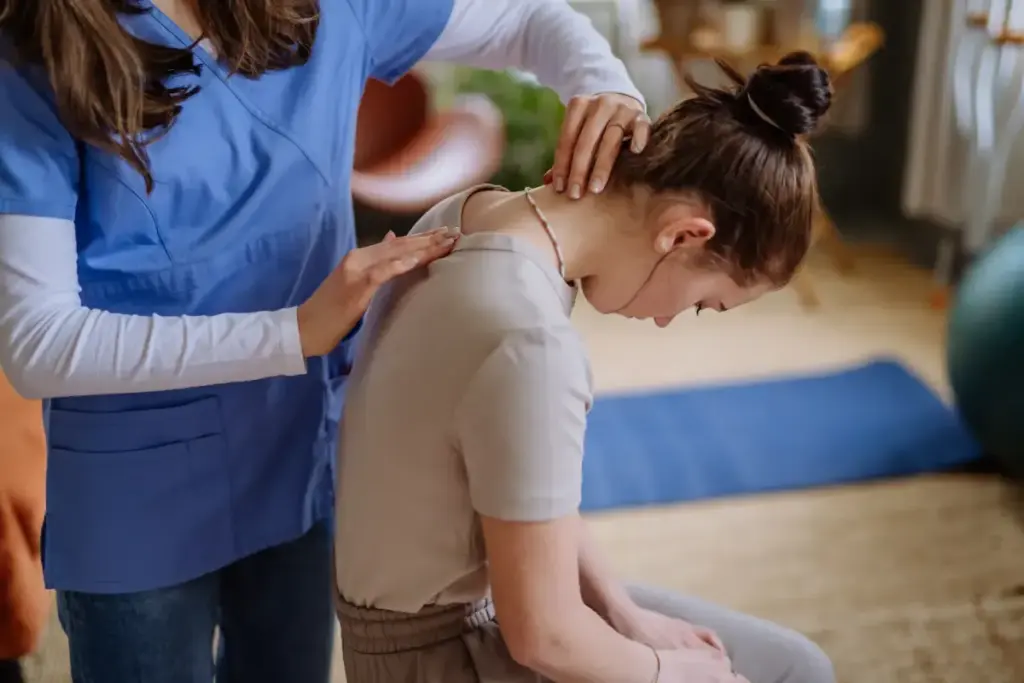
Scoliosis is a condition where the spine curves abnormally. It can happen at any age, but is most common in teens. The exact cause is often unknown, but it can be linked to other health issues.
What Is Scoliosis?
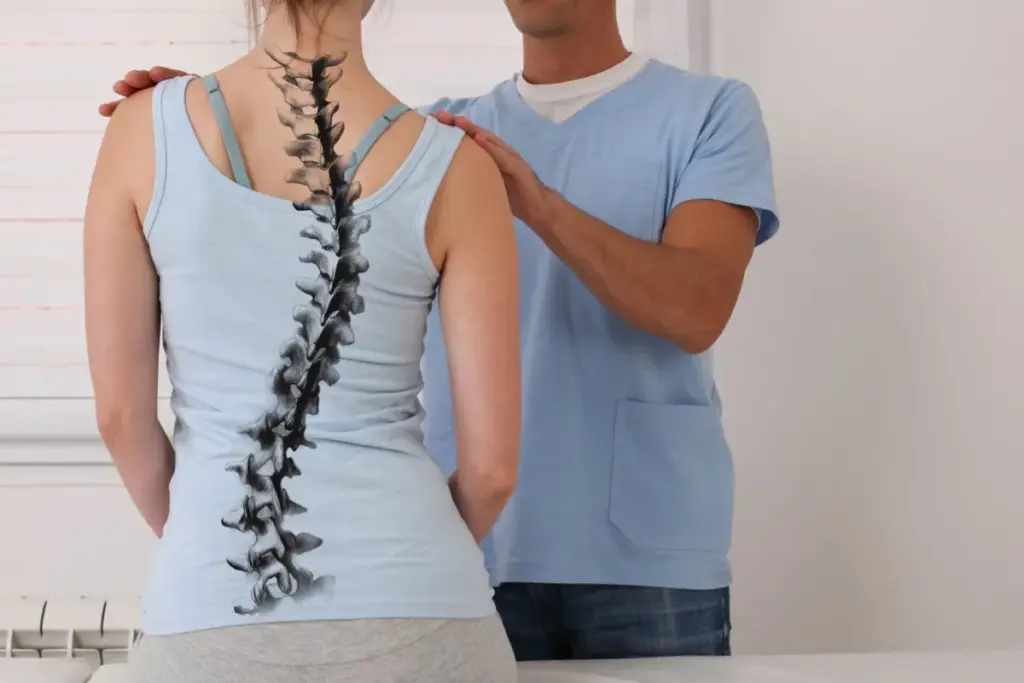
Scoliosis is diagnosed when the spine curves more than 10 degrees. It can curve like a “C” or “S” shape. This condition can occur at any age, but it is most commonly diagnosed during adolescence.
Scoliosis is not merely an abnormal spine curve; it may also involve twisting of the vertebrae, which can complicate the spinal deformity.
How Scoliosis Affects the Body
The effects of scoliosis vary based on how severe the curve is. Mild cases might not show symptoms, but severe cases can cause pain, breathing problems, and long-term health issues. The psychological impact should not be underestimated, as visible spinal deformity can affect a person’s self-esteem and quality of life.
As scoliosis gets worse, it can cause chronic pain, reduced mobility, and breathing problems. This is because the lungs and heart can get compressed.
Prevalence and Demographics
Scoliosis can affect anyone, but it’s most common in teens, during puberty. About 2-3% of people have scoliosis, with more females than males needing treatment.
Knowing who is at risk is key to catching scoliosis early. Some types are linked to conditions like cerebral palsy or muscular dystrophy.
Types and Severity of Scoliosis
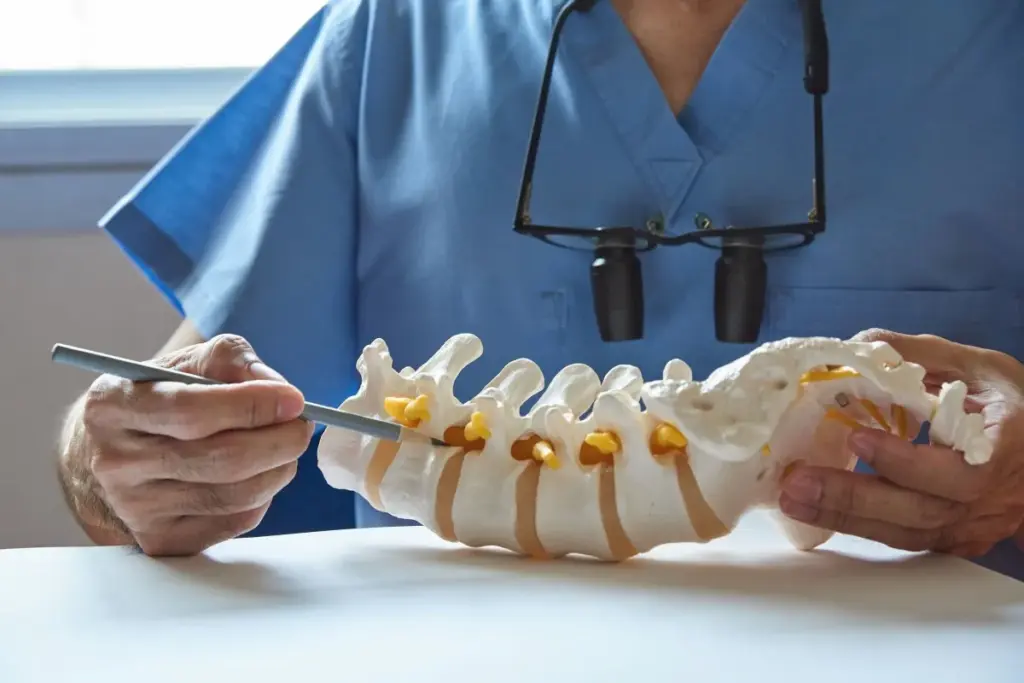
Scoliosis is not just one condition. It’s a range of spinal deformities with different causes and effects. Knowing these differences helps in managing and treating it effectively.
Idiopathic, Congenital, and Neuromuscular Scoliosis
Scoliosis is divided into types based on its cause and when it starts. Idiopathic scoliosis is the most common, affecting about 80% of cases. It happens in healthy kids and teens, often during puberty. The exact reason is not known, but genes are thought to be a big factor.
Congenital scoliosis is present at birth due to spinal issues during fetal development. It can also come with other birth defects. Neuromuscular scoliosis occurs in people with muscle or nerve diseases, like cerebral palsy. This is because of muscle imbalance affecting the spine.
Measuring Curve Severity: The Cobb Angle
The Cobb Angle measures scoliosis severity from X-rays. It shows the angle of the spinal curve. An angle of 10 degrees or more is seen as scoliosis, with higher angles showing more severity.
The Cobb Angle helps decide treatment. Curves under 20 degrees are watched closely. Those between 20-40 degrees might need a brace. Curves over 40-50 degrees often require surgery.
When Scoliosis Becomes Problematic
Scoliosis becomes a problem when it affects daily life. This can be through pain, appearance, or health risks. Big curves can cause breathing problems, pain, and less mobility. Treatment, like surgery, depends on the curve’s size, the person’s health, and how it might get worse.
Knowing the type and severity of scoliosis is key for the right care. Accurate diagnosis and treatment planning improve outcomes and quality of life.
Can Scoliosis Be Cured? The Reality of Treatment Goals
Scoliosis treatment often aims to manage the condition, not cure it. Scoliosis is a complex spinal issue with an abnormal curve. The idea of a “cure” is misleading, as it suggests a complete fix.
Defining “Cure” in the Context of Scoliosis
In medical terms, a “cure” means the condition is fully resolved. But scoliosis is often a chronic issue needing ongoing care. Treatment can greatly improve life quality, but a full “cure” might not be possible.
Managing vs. Correcting Spinal Curvature
Managing scoliosis involves various strategies to reduce the curve and alleviate symptoms. This can include observation, bracing, physical therapy, and sometimes surgery. Correcting the curve is a more ambitious goal, often not possible in severe cases.
|
Treatment Approach |
Goals |
Methods |
|---|---|---|
|
Observation |
Monitor curvature progression |
Regular X-rays, physical exams |
|
Bracing |
Prevent curvature progression |
Customized braces, regular adjustments |
|
Surgery |
Correct curvature, stabilize spine |
Spinal fusion, growing rods, vertebral body tethering |
Setting Realistic Expectations
It’s key for patients and families to have realistic treatment expectations. While big improvements are possible, the extent of correction varies. It depends on the curve’s severity, the patient’s age, and other factors.
We stress the need for a personalized treatment plan. This plan should match the individual’s specific needs and condition. Understanding treatment goals and limitations helps patients make informed care decisions.
Non-Surgical Treatment Options for Scoliosis
Scoliosis is a condition where the spine curves abnormally. Non-surgical treatments are often the first choice. They work well for mild to moderate cases or when surgery is not needed right away.
Observation and Monitoring
For mild scoliosis, watching and checking regularly is key. You’ll see a doctor every 4-6 months. They’ll check the spine’s curve and see if it’s getting worse. It’s important to catch any changes early so you can act fast.
Watching closely is best for kids and teens with mild scoliosis. Their spines are growing, and X-rays help track the curve’s size.
Bracing: Types, Effectiveness, and Limitations
Bracing is a treatment for scoliosis, mainly for moderate curves or those at risk of getting worse. The goal is to stop the curve from getting bigger, during growth spurts.
There are many braces, like the TLSO and Milwaukee brace. The right one depends on the curve’s location, how bad it is, and your health and lifestyle.
- Effectiveness: Bracing can stop the curve from getting worse in many cases, if worn correctly.
- Limitations: Bracing doesn’t fix the curve but tries to keep it stable. It can be hard to wear, even for teens.
Physical Therapy and Specialized Exercises
Physical therapy and exercises are becoming more important in treating scoliosis. They can help with posture, pain, and spinal health.
The Schroth Method is a known method that uses special exercises to improve posture and reduce the curve. Physical therapy can be customized to fit your needs, focusing on strengthening and flexibility.
While these methods are helpful, how well they work depends on the scoliosis’s severity and your commitment to the treatment.
When Surgery Becomes a Consideration
When scoliosis causes a lot of pain or interferes with daily life, surgery might be an option. Deciding on surgery is complex. It involves looking at many medical and personal factors.
Medical Indicators for Surgical Intervention
Surgery is often suggested for severe scoliosis or when it gets worse fast. Medical indicators include a Cobb angle of 45 degrees or more in young patients. For adults, it’s 50 degrees or more.
Other reasons for surgery include big spinal deformities, nerve problems, and pain that can’t be controlled with other treatments. We weigh these factors to decide the best treatment.
“The decision to undergo scoliosis surgery should be made after thorough evaluation and discussion with a healthcare professional, considering both the medical necessity and the impact on the patient’s quality of life.”
Quality of Life Factors
Quality of life is also key in deciding on surgery for scoliosis. This includes how scoliosis affects daily life, self-esteem, and overall happiness.
- Chronic pain and discomfort
- Respiratory or digestive issues due to spinal deformity
- Psychological distress or self-consciousness about appearance
- Limitations in physical activity or sports participation
We know everyone’s experience with scoliosis is different. We work closely with patients to understand their needs and worries. By looking at both medical and quality of life factors, we make informed decisions about surgery.
Types of Scoliosis Surgery Procedures
Scoliosis surgery is tailored to each patient’s needs. The choice depends on the spinal curve’s severity, the patient’s age, and health.
Traditional Spinal Fusion
Spinal fusion is a common scoliosis surgery. It joins vertebrae with bone grafts, rods, and screws. This stabilizes the spine and corrects the curve.
The surgery can be done from the front or back, or both. The aim is to create a solid fusion that supports the spine.
Growing Rod Techniques for Children
For kids with scoliosis, growing rod techniques are used. These rods grow with the child, allowing for spinal adjustments.
There are traditional and magnetically controlled rods. The latter can be adjusted without more surgery, reducing the need for repeat operations.
Vertebral Body Tethering and Other Emerging Techniques
Vertebral body tethering is a newer method. It uses a flexible cord to correct the curve without losing spinal flexibility.
Other new methods, like Anterior Vertebral Body Tethering (AVBT), are being tested. These innovations offer hope for better scoliosis treatments.
Understanding the different surgeries is key to making informed choices. Each has its own benefits and risks, showing the need for personalized care in scoliosis treatment.
The Scoliosis Surgery Process: What to Expect
Scoliosis surgery is a big deal that needs careful planning and understanding. We’ll walk you through each step, from getting ready for surgery to taking care of yourself after.
Pre-Surgical Preparation
Before surgery, you’ll go through a lot of prep work. This includes medical tests and checks to make sure you’re healthy enough for surgery.
- Complete medical history review
- Physical examination
- Imaging tests (X-rays, MRI, CT scans)
- Lung function tests
During the Operation
The surgery to fix scoliosis can vary. It depends on the method and your specific case. Doctors might use traditional spinal fusion, growing rods for kids, or newer techniques like vertebral body tethering.
Immediate Post-Operative Care
Right after surgery, you’ll be watched closely in the recovery room. Care includes managing pain, checking your nerves, and starting your recovery journey.
|
Care Aspect |
Description |
|---|---|
|
Pain Management |
Effective pain control through medication and other methods |
|
Neurological Monitoring |
Continuous assessment of neurological function to prevent complications |
|
Mobility Assistance |
Support for early mobilization to prevent blood clots and promote healing |
Recovery Timeline After Scoliosis Surgery
Knowing what to expect after scoliosis surgery is key for a smooth recovery. Everyone recovers at their own pace, but there are common steps most people follow.
Hospital Stay and Early Recovery
Right after surgery, you’ll stay in the hospital for 4 to 7 days. Here, you’ll get watched over for any issues and get help with pain. It’s also important to start moving around early to avoid problems like blood clots.
Key aspects of hospital stay include:
- Monitoring for surgical complications
- Pain management through medication
- Early mobilization and physical therapy
First Three Months Post-Surgery
The first three months are very important for getting better. You’ll need to avoid heavy lifting and hard activities. But, you’ll start to do more things as your doctor says it’s okay. Physical therapy is also a big help during this time to build strength and flexibility.
Long-Term Recovery and Return to Activities
Recovery can take a while, with most people getting back to normal in 6 to 12 months. Your spine needs time to fully heal. Always follow your surgeon’s advice on what activities are safe and when to see them again.
Here’s a quick look at the recovery timeline:
|
Recovery Phase |
Timeline |
Key Activities |
|---|---|---|
|
Hospital Stay |
4-7 days |
Monitoring, pain management, early mobilization |
|
Early Recovery |
0-3 months |
Gradual increase in activity, physical therapy |
|
Long-Term Recovery |
6-12 months |
Return to normal activities, continued follow-up care |
Potential Risks and Complications of Scoliosis Surgery
It’s important to know the risks and complications of scoliosis surgery. This is true for anyone thinking about this treatment. Scoliosis surgery, like any big surgery, can have different complications. These can be mild or serious.
Common Surgical Complications
Scoliosis surgery can lead to common issues like infection, bleeding, and bad reactions to anesthesia. Infection is a big worry because it can make recovery longer. In serious cases, it might need more surgeries. Doctors use prophylactic antibiotics and follow strict clean protocols to lower this risk.
Bleeding is another issue that doctors watch closely. Some blood loss is okay, but too much might need blood transfusions. These carry their own risks.
Long-Term Hardware Issues
The surgery often uses rods, screws, and wires to fix the spine. These tools are made to last, but sometimes they can fail. Hardware failure means the devices might break or move out of place. This could mean more surgeries to fix or replace them.
Hardware can also cause irritation or pain over time. Some people might get metal sensitivity or scar tissue around the implants. This can lead to discomfort or pain.
Impact on Mobility and Function
Scoliosis surgery can affect how well you move and how your spine works. Right after surgery, you might not be as mobile. This is because your spine needs time to heal. Physical therapy helps you get stronger and more flexible.
Long-term, some people might find it harder to move their spine because of the fusion. The surgery aims to keep the spine stable and prevent more curving. But, it can also limit how much you can move your spine.
Success Rates and Outcomes of Scoliosis Surgery
The success of scoliosis surgery varies a lot among patients. It depends on several important factors. We need to know how success is measured, what research says, and what affects these rates.
Measuring Surgical Success
Success in scoliosis surgery is measured in a few ways. We look at how much the spinal curve is corrected. We also check if the patient’s quality of life improves and if their pain goes down.
Key Metrics for Measuring Success:
- Cobb angle correction
- Patient-reported outcomes (PROs)
- Complication rates
- Reoperation rates
Statistical Outcomes and Research Findings
Many studies have looked into how well scoliosis surgery works. They show that, on average, it can really help with spinal curves and improve life quality.
Factors Affecting Success Rates
Many things can change how well scoliosis surgery works. These include the surgery method, who gets surgery, and how well they recover. Knowing these helps make surgery better for everyone.
Patient-specific factors like age, health, and how bad the curve is matter a lot. Younger patients often do better because their spines are more flexible.
By thinking about these factors and making treatment plans for each patient, we can make scoliosis surgery more successful.
The Financial Aspect: Costs of Scoliosis Surgery
Scoliosis surgery can change lives but comes with a big price tag. It’s important to know what affects the cost. This includes the type of surgery, the surgeon’s fees, and hospital charges.
Average Costs in the United States
In the United States, scoliosis surgery costs can range from $50,000 to over $150,000. This depends on the surgery’s complexity, the surgeon’s fees, and hospital charges. This includes costs before surgery, the surgery itself, hospital stay, and recovery.
Insurance Coverage Considerations
Understanding insurance for scoliosis surgery can be tricky. Most plans cover some costs, but how much varies. It’s key to check your insurance benefits and know what’s covered. Insurance coverage depends on your plan, the surgery type, and if it’s medically necessary.
- Pre-approval requirements
- Out-of-pocket expenses
- Maximum coverage limits
Hidden and Long-Term Costs
There are costs beyond the surgery itself. These include follow-up care, physical therapy, and any surgery adjustments. Also, consider lost income from time off work. Knowing these costs helps with financial planning.
Looking at the financial side of scoliosis surgery helps make better choices. It’s about weighing the surgery’s benefits against the costs. This ensures the decision is right for your situation.
Scoliosis Surgery for Adults vs. Children
The way we treat scoliosis surgery changes based on whether you’re an adult or a child. This is because of differences in growth and spinal health. Knowing these differences helps both patients and doctors make better choices.
Differences in Surgical Approach
Children and adults face different surgeries for scoliosis. Kids with growing spines might get growing rods or vertebral body tethering. These methods help their spines grow straight while they grow.
Adults, with fully grown spines, usually get spinal fusion surgery. Their surgeries might also fix degenerative issues like disc problems or spinal narrowing, which kids rarely have.
Recovery Variations by Age
Recovering from scoliosis surgery is different for kids and adults. Kids usually heal faster and face fewer problems. This is because their bodies are stronger and they’re less likely to have other health issues.
Adults, with more health problems and complex surgeries, take longer to recover. Their care plans are made to fit their age, health, and needs.
Decision-Making Factors Across Age Groups
Choosing to have scoliosis surgery is a big decision. For kids, it’s about how it might affect their growth. For adults, it’s about how bad their symptoms are, how it affects their life, and any spinal wear and tear.
|
Factor |
Children |
Adults |
|---|---|---|
|
Growth Potentia |
Significant consideration for surgical timing and technique |
Not applicable |
|
Degenerative Changes |
Rare |
Common, affecting surgical approach |
|
Recovery Time |
Generally quicker |
May be longer due to comorbidities |
Alternative and Complementary Approaches
There are new ways to manage scoliosis beyond traditional treatments. These methods can help those with scoliosis feel better and get more support.
Chiropractic Care for Scoliosis
Chiropractic care is an option for some with scoliosis. Chiropractors use special techniques to align the spine and ease pain.
It’s not a cure, but it can help with symptoms. It’s used alongside medical treatments.
Schroth Method and Specialized Physical Therapy
The Schroth Method is a special physical therapy for scoliosis. It’s a personalized exercise plan to improve posture and reduce pain.
These exercises are made just for you. They help straighten the spine and improve how you move.
Integrative Approaches to Scoliosis Management
Integrative management mixes traditional treatments with new therapies. This can include acupuncture, yoga, and more.
|
Therapy |
Description |
Potential Benefits |
|---|---|---|
|
Chiropractic Care |
Spinal manipulation and adjustments |
Improved spinal alignment, reduced discomfort |
|
Schroth Method |
Customized exercise program for scoliosis |
Improved posture, reduced curvature, alleviated pain |
|
Integrative Approaches |
Combination of conventional and complementary therapies |
Holistic management of scoliosis, improved well-being |
Exploring these options can help create a better plan for managing scoliosis. It’s about finding what works best for you.
Making the Decision: Is Scoliosis Surgery Right for You?
Thinking about scoliosis surgery? It’s important to look at the good and bad sides. This choice is very personal. It depends on how bad your scoliosis is, your health, and what you prefer.
Questions to Ask Your Surgeon
Talking to your orthopedic surgeon is key. You should ask:
- What are the specific goals of the surgery for my condition?
- What are the possible risks and complications?
- What are the expected results, and how will success be measured?
- Are there other treatments I could try first?
- How long will I need to recover, and what support will I need?
These questions will help you understand what to expect. This way, you can make a better choice.
Seeking Second Opinions
Getting a second opinion is common before big surgeries like scoliosis correction. It can give you more insight. It helps confirm if surgery is right for you. Look for a specialist with scoliosis surgery experience.
|
Benefits of Second Opinions |
Potential Outcomes |
|---|---|
|
Confirmation of diagnosis and treatment plan |
Reassurance that you’re making the right decision |
|
Alternative treatment options or surgical techniques |
Potential for different or innovative approaches to your care |
|
Different perspectives on your condition |
Better understanding of your prognosis and treatment choices |
Weighing Quality of Life Considerations
Think about how surgery might change your life. Consider how it could improve your comfort, movement, and overall happiness. Also, think about the recovery challenges and any long-term effects.
Key quality of life factors to consider:
- Potential reduction in pain and discomfort
- Possible improvements in posture and mobility
- Impact on daily activities and lifestyle
- Emotional and psychological effects of surgery and recovery
By carefully thinking about these points and talking to your doctor, you can make a choice that fits your goals and values.
Living with Scoliosis: With or Without Surgery
Living with scoliosis means using a variety of strategies for health. It’s important to manage the condition well, whether surgery is needed or not. This helps keep life quality high.
Managing Scoliosis-Related Pain
Pain management is key when living with scoliosis. Effective pain management helps improve daily life and comfort. We suggest a mix of medical treatments and lifestyle changes to handle pain.
Medical options include medicines, physical therapy, and sometimes nerve blocks or spinal injections. Lifestyle changes, like staying healthy, exercising right, and keeping good posture, also help reduce pain.
Psychological and Social Aspects
Scoliosis can affect the mind and social life. People might feel anxious, depressed, or worried about how they look. It’s important to tackle these feelings with support, counseling, or therapy.
Joining support groups online or in person can help you feel connected. Mental health experts can also teach ways to deal with scoliosis’s emotional side.
Long-Term Monitoring and Care
Regular check-ups are essential for scoliosis management. These visits help track the spine’s shape and check if treatments are working.
Long-term care might include X-rays, physical checks, and changes to treatment plans. Being proactive about health can greatly improve life for those with scoliosis.
Conclusion: Balancing the Pros and Cons of Scoliosis Surgery
Deciding on scoliosis surgery requires careful thought. We’ve looked at scoliosis, its treatments, and surgery in this article. Each person’s situation is unique, so weighing the good and bad points is key.
Thinking about surgery means looking at the good sides, like better spinal alignment and less pain. But, it’s also important to think about the possible downsides. Knowing about scoliosis types, how severe it is, and treatment choices helps make a smart decision.
In the end, scoliosis surgery is a good option for those with severe or getting worse scoliosis. But, it’s important to think about the good and bad sides of surgery. Talking to a healthcare expert is a good step to find the best treatment.
FAQ
What is scoliosis, and how does it affect the body?
Scoliosis is a condition where the spine curves abnormally. It can cause back pain, breathing problems, and changes in how you look. The impact depends on how curved the spine is and your overall health.
Is scoliosis surgery a cure for the condition?
Scoliosis surgery is not a cure. It aims to manage or correct the spinal curve. The goal is to reduce pain, stop further curvature, and improve appearance.
What are the non-surgical treatment options for scoliosis?
Non-surgical treatments include watching the condition, using braces, and physical therapy. Watching involves regular check-ups. Bracing helps prevent further curvature, mainly in kids and teens. Physical therapy helps manage pain and improve spinal flexibility.
When is scoliosis surgery considered?
Surgery is considered for severe curvatures (over 45-50 degrees). It’s also considered when other treatments don’t work or if the curvature is getting worse fast. The decision also depends on your health, age, and quality of life.
What are the different types of scoliosis surgery?
There are several types of surgery, including traditional spinal fusion and growing rod techniques for kids. There’s also vertebral body tethering, a newer method. The choice depends on your age, the type and severity of scoliosis, and the surgeon’s advice.
What is the recovery process like after scoliosis surgery?
Recovery starts with a hospital stay and then rest and rehabilitation. It takes several months to fully recover and get back to normal activities. The recovery time varies based on the surgery type and individual.
What are the possible risks and complications of scoliosis surgery?
Risks include infection, bleeding, nerve damage, and hardware failure. There can also be long-term issues with the implanted hardware. The risk depends on your health and the surgery’s complexity.
How much does scoliosis surgery cost, and what are the insurance considerations?
Surgery costs vary based on location, surgeon fees, and surgery type. Insurance coverage also varies. It’s important to check with your insurance to understand what’s covered and any out-of-pocket costs.
Are there alternative or complementary approaches to managing scoliosis?
Yes, there are alternatives like chiropractic care and specialized physical therapy, like the Schroth Method. These methods can help manage pain, improve flexibility, and enhance well-being.
How do I decide if scoliosis surgery is right for me?
Deciding on surgery involves considering the curvature’s severity, the success of non-surgical treatments, and surgery’s benefits and risks. It’s important to talk to a healthcare professional and consider a second opinion to make an informed choice.
Can adults undergo scoliosis surgery, and how does it differ from surgery in children?
Yes, adults can have scoliosis surgery. The approach, recovery, and decision-making factors differ between adults and children. This is due to factors like degenerative changes, overall health, and treatment goals.
What are the long-term outcomes of scoliosis surgery?
Surgery can improve spinal alignment, reduce pain, and enhance quality of life. Success depends on your health, the curvature’s severity, and any complications.
National Center for Biotechnology Information. Evidence-Based Medical Insight. Retrieved from https://pubmed.ncbi.nlm.nih.gov/27924892/



 Departments
 Related Videos
 Our Doctors
 News
News