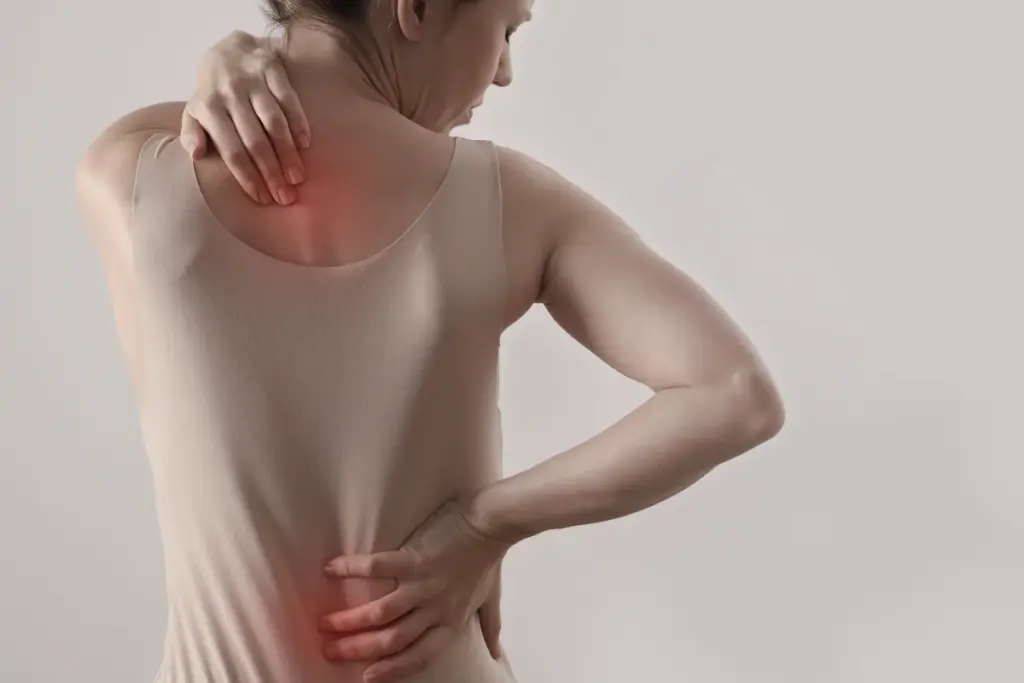
Many people with scoliosis often get headaches and migraines. Studies show a strong link between the two, but why is not fully known.
We look into how scoliosis might cause headaches. We also talk about ways to find scoliosis headache relief and how scoliosis might lead to headaches.
Key Takeaways
- People with scoliosis often have headaches and migraines.
- The exact reason for headaches in scoliosis patients is not known.
- Learning about the link between scoliosis and headaches can help find relief.
- Treating scoliosis might help reduce headache frequency and severity.
- Dealing with scoliosis also means addressing symptoms like headaches.
Understanding Scoliosis and Its Effects on the Body
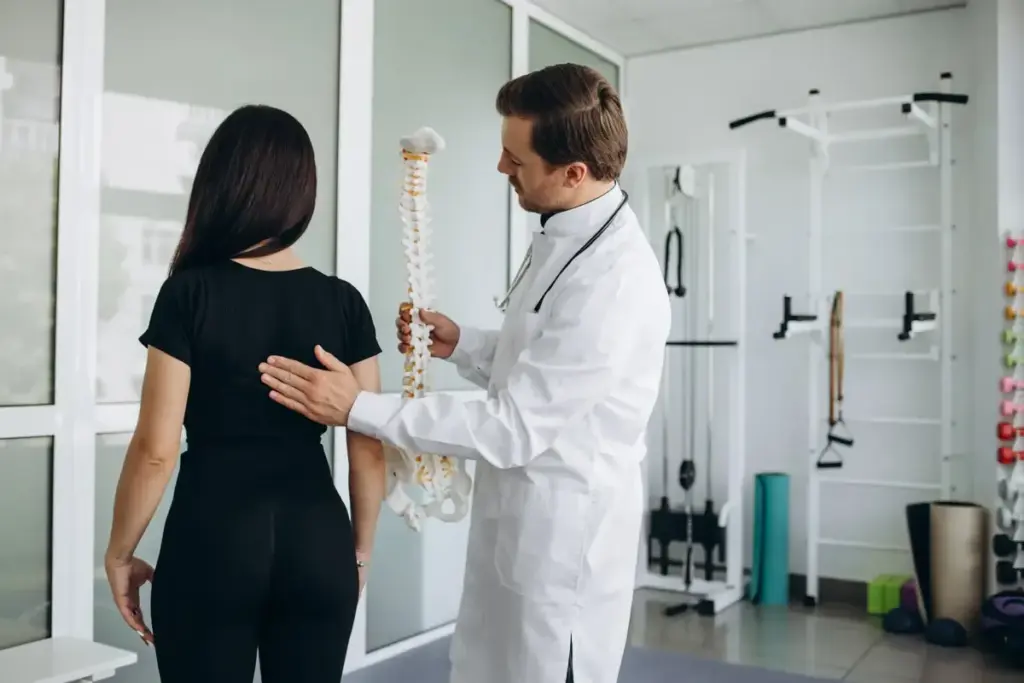
Scoliosis is a condition where the spine curves abnormally. This affects the body’s alignment and function. It impacts health and well-being in many ways.
What Is Scoliosis?
Scoliosis makes the spine curve to one side. Instead of being straight, it might look like an “S” or “C” shape. This can happen anywhere in the spine, from the neck to the lower back.
Common Symptoms of Scoliosis
Symptoms of scoliosis can differ based on the severity and location. You might notice uneven shoulders or a prominent shoulder blade. An uneven waist is another sign.
Some people with scoliosis experience back pain. Others might not feel any pain. In severe cases, breathing can become difficult due to lung and heart compression.
Other symptoms include:
- Visible curvature of the spine
- Back pain or discomfort
- Muscle spasms
- Fatigue due to muscle imbalance
How Scoliosis Affects Overall Body Alignment
Scoliosis changes the spine’s normal curve. This can cause muscle imbalance, nerve compression, and posture changes. It leads to uneven weight distribution and stress on muscles and joints, causing pain and discomfort.
It’s important to understand how scoliosis affects body alignment. This knowledge helps create effective treatment plans. These plans address the spinal curvature and its broader effects on the body.
The Connection Between Spine and Head: Anatomy Basics
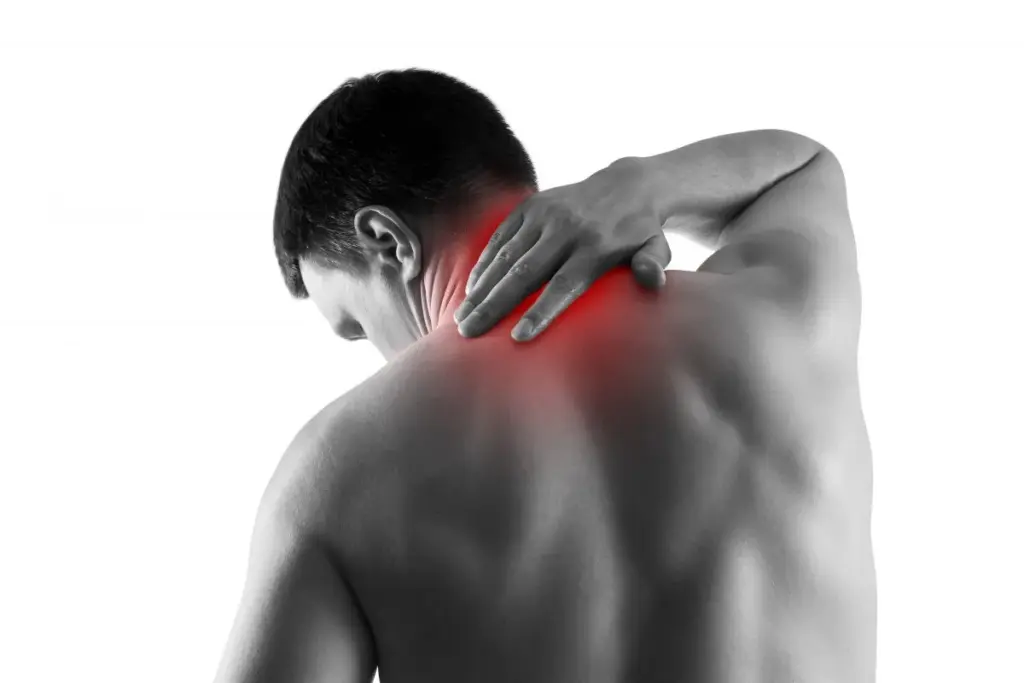
To understand how scoliosis and headaches are linked, we need to look at the spine and head’s connection. The spine supports our body and houses the spinal cord, a key part of our nervous system.
The neck has vertebrae called cervical vertebrae, part of the spinal structure. How these vertebrae line up is key to keeping the head in the right spot.
Spinal Alignment and Its Influence on Head Position
The spine’s alignment greatly impacts the head’s position. When the spine is straight, the head sits evenly, reducing muscle and nerve strain. But, scoliosis can throw off this balance.
Scoliosis can make the head sit off-center, putting strain on neck muscles and causing pain. This misalignment can also mess with nerve paths from the spine to the head.
Nerve Pathways from Spine to Head
A complex network of nerves links the spine and head. These nerves start in the spinal cord and go up to the head. They control many functions, including how we feel pain.
In scoliosis patients, the spine’s curve can press or irritate these nerves, causing pain or discomfort felt as headaches. Knowing about these nerve paths is key to figuring out and treating scoliosis headaches.
Can Scoliosis Cause Headaches? The Direct Link
The connection between scoliosis and headaches is getting more attention. Studies show that scoliosis can lead to headaches. To understand this link, we need to look at it from different angles.
Scientific Evidence Supporting the Connection
Research on scoliosis and headaches is growing. A study in a well-known medical journal found a link. It suggests scoliosis might make people more likely to get headaches or migraines.
The exact reasons are not clear yet. But, it’s thought that scoliosis’s spine curve can cause muscle tension and nerve issues. These problems can lead to headaches.
“Scoliosis may predispose individuals to headaches or migraine episodes.” This shows how important it is to see scoliosis as a factor in headaches. Knowing the causes can help doctors find better treatments.
Statistics on Headache Prevalence in Scoliosis Patients
Studies show that people with scoliosis are more likely to have headaches. The exact number varies, but the trend is clear. More research is needed to understand this link better.
- A study found that many scoliosis patients have frequent headaches. This shows a strong connection between the two.
- The different rates of headaches in scoliosis patients show how complex the issue is. It highlights the need for tailored treatments.
Looking at the evidence and statistics helps us grasp the link between scoliosis and headaches. This knowledge can lead to better care and management for those affected.
Different Types of Scoliosis and Their Impact on Headaches
It’s important to know about the different types of scoliosis. This is because each type can affect headaches in different ways. Scoliosis is when the spine curves abnormally, and how it affects you can depend on the type and how severe it is.
Thoracic Scoliosis and Referred Pain
Thoracic scoliosis happens in the middle spine. It can cause pain in the head because of nerve pressure. Referred pain happens when the brain gets pain signals wrong, making other areas hurt.
Lumbar Scoliosis and Its Indirect Effects
Lumbar scoliosis is in the lower back. It might not seem like it could cause headaches. But, it can affect your posture and lead to muscle tension and pain. This tension can cause headaches.
People with lumbar scoliosis often have a muscle imbalance. This imbalance can affect the whole body’s muscles and bones.
Thoracolumbar Scoliosis Complications
Thoracolumbar scoliosis is at the thoracic and lumbar spine junction. It can cause uneven muscle growth and changes in spine mechanics. These changes can strain muscles and joints, leading to headaches.
People with neuromuscular scoliosis might have symptoms from their condition. Knowing the type of scoliosis you have is key to managing symptoms like headaches.
Scoliosis of the Neck: A Primary Headache Trigger
When the neck’s curvature is affected by scoliosis, it can cause headaches. This is known as cervical scoliosis. It involves an abnormal curve in the neck’s spine. This can lead to discomfort, pain, and headaches.
Understanding Cervical Scoliosis
Cervical scoliosis affects the neck. It’s different from other scoliosis types that occur in the thoracic or lumbar regions. It impacts the neck’s vertebrae, causing or worsening neck pain and headaches.
Causes and Risk Factors: The exact cause of cervical scoliosis varies. It can be due to congenital conditions, degenerative changes, or part of a larger scoliotic curve. Knowing these causes helps in managing the condition.
Symptoms Specific to Neck Scoliosis
The symptoms of cervical scoliosis vary. They can include visible neck curvature, pain, and stiffness. Some people may also experience muscle spasms, reduced motion, and neck pain.
These symptoms can affect daily life and quality of life.
How Scoliosis in Neck Directly Impacts Headache Development
The link between cervical scoliosis and headaches is complex. The abnormal curve can cause muscle tension, nerve compression, and biomechanical changes. These factors can lead to headaches.
|
Mechanism |
Description |
Impact on Headaches |
|---|---|---|
|
Muscle Tension |
Abnormal curvature leads to muscle imbalance |
Increased frequency and severity of tension headaches |
|
Nerve Compression |
Compression of cervical nerves |
Triggering cervicogenic headaches |
|
Altered Biomechanics |
Changes in neck and head positioning |
Contributing to migraine and other headache types |
Understanding these mechanisms is crucial for developing effective treatments that address both scoliosis and headaches.
Types of Headaches Associated with Scolios
Scoliosis and headaches are linked in many ways. Several headache types can be caused by this spinal condition. The abnormal spine curvature can lead to muscle tension, nerve compression, and spinal alignment issues.
Tension Headaches and Scoliosis
Tension headaches are common in people with scoliosis. These headaches happen when neck and scalp muscles tighten. This can be due to stress, depression, anxiety, or injury.
The abnormal spine shape in scoliosis can cause muscle imbalance. This imbalance can lead to tension headaches.
Tension headaches feel like a band around the head. They are often described as dull and aching. To ease these headaches, managing stress and keeping good posture are key.
Cervicogenic Headaches
Cervicogenic headaches come from the neck and go to the head. Scoliosis, which affects the neck, can cause these headaches. The mechanical issues and nerve irritation in the neck are to blame.
These headaches often include neck pain and stiffness. Cervicogenic headaches can happen on one side of the head. They can get worse with certain neck movements or positions.
Scoliosis Causing Migraine Headaches
Migraine headaches are also linked to scoliosis. The exact reason is not fully known. But, it’s thought that the abnormal spine shape can lead to migraines through complex brain pathways.
Migraines are known for intense, throbbing pain. They can also make light and sound too much, cause nausea, and sometimes an aura. The connection between scoliosis and migraines shows the need for a full approach to manage both conditions.
Occipital Neuralgia
Occipital neuralgia causes sharp pains in the neck and back of the head. It’s often mistaken for other headaches. It happens when the occipital nerves get irritated or injured.
In scoliosis, this condition can come from the abnormal spine shape and muscle and nerve tension in the upper neck. Occipital neuralgia can cause severe, stabbing pain. It can be triggered by movement or even light touch.
In summary, scoliosis can cause many types of headaches. Each has its own signs and triggers. Knowing these is key to finding effective treatments.
Biomechanical Mechanisms: How Scoliosis Leads to Head Pain
Several biomechanical factors link scoliosis and headaches. This spinal disorder can upset the body’s balance, causing head pain. We’ll look at how these changes affect the body.
Muscle Tension and Imbalance
Scoliosis changes posture, straining muscles near the head and neck. This strain is a main cause of headaches. The spine’s curve makes some muscles work too hard, while others don’t get enough use.
Muscle imbalance leads to neck and scalp tension, causing headaches. People with scoliosis often feel better when they work on these muscle imbalances through therapy.
Nerve Compression in the Spine
Nerve compression is another way scoliosis causes head pain. The spine’s curve can press on nerves, sending pain signals to the brain. This disrupts normal nerve function.
The cervical spine’s nerves are key, as compression here can directly affect the head. Fixing this compression can significantly reduce headache frequency and severity.
“Understanding the biomechanical changes caused by scoliosis is key for effective treatments. These treatments should address both the spinal curvature and symptoms like headaches.”
Blood Flow Restrictions to the Brain
Scoliosis can also limit blood flow to the brain, leading to headaches. The spine’s abnormal shape can affect blood vessels, reducing blood flow and causing pain.
While not as direct as muscle tension or nerve compression, blood flow restrictions are another way scoliosis affects headaches. Treating these restrictions may involve improving vascular health and spinal alignment.
|
Biomechanical Mechanism |
Effect on Head Pain |
|---|---|
|
Muscle Tension and Imbalance |
Increased tension in neck and scalp, contributing to headache pain |
|
Nerve Compression in the Spine |
Disruption of normal nerve function, leading to pain signals to the brain |
|
Blood Flow Restrictions to the Brain |
Potential reduction in blood flow, contributing to headache development |
Scoliosis and Neck Pain: The Pathway to Headaches
Scoliosis is a condition where the spine curves abnormally. It can lead to neck pain and headaches. We will look into how scoliosis affects the neck and causes headaches.
Can Scoliosis Cause Neck Pain?
Scoliosis mainly affects the spine but can also impact other parts of the body. It can cause muscle imbalance and strain in the neck. Activities like lying flat or standing for long periods can lead to neck pain in people with scoliosis.
Neck pain is common in those with scoliosis. This pain comes from the body trying to adjust to the spinal curve. It can also result from the spine’s altered mechanics putting extra stress on the neck.
The Progression from Scoliosis Neck Pain to Headaches
Neck pain can lead to headaches. Studies show that tension headaches often follow chronic neck pain. Neck pain from scoliosis can cause headaches by radiating pain to the head.
The link between neck pain and headaches involves nerves, muscles, and blood vessels. Neck pain can cause muscle tension, leading to headaches. Neck pain can also be felt as headaches, making diagnosis harder.
It’s important to understand how scoliosis affects the neck and leads to headaches. Healthcare providers can then create effective treatments for both neck pain and headaches.
Diagnosing the Cause: Is Your Headache Related to Scoliosis?
To figure out if your headache is linked to scoliosis, you need to know a lot about your condition. If you often get headaches and have scoliosis, it’s key to check if they’re connected.
Diagnostic Tests and Procedures
Doctors use many tests to find out if your headaches are from scoliosis. These include:
- Imaging Tests: X-rays, MRI, or CT scans to see the spine’s shape and look for nerve issues.
- Physical Examination: A detailed check to see how you move, your posture, and where it hurts.
- Medical History: Looking at your past health to see how your scoliosis has changed and what treatments you’ve had.
Questions Your Doctor May Ask
Your doctor will ask you lots of questions to see if your headaches are from scoliosis. They might ask:
- When did you first notice your headaches?
- Can you describe the nature of your headaches (e.g., sharp, dull, throbbing)?
- Do your headaches coincide with any changes in your scoliosis symptoms?
- Have you experienced any recent changes in your posture or daily activities?
Differentiating Scoliosis Headaches from Other Types
It’s important to tell scoliosis headaches apart from other kinds. Scoliosis headaches usually come from muscle tightness, nerve pressure, or how the spine curves. But other headaches might not be related to scoliosis at all. They could be from stress, not drinking enough water, or other health issues.
Knowing why you have headaches helps you and your doctor find the right treatment. This way, you can feel better and live a happier life.
Medical Treatments for Scoliosis-Related Headaches
Medical treatments are key in managing scoliosis headaches. They range from simple steps to more serious procedures. This depends on how severe the scoliosis is and the patient’s health.
Pain Management Medications
Managing pain is vital for scoliosis headaches. Doctors often start with over-the-counter (OTC) drugs like acetaminophen or ibuprofen. For worse pain, they might suggest opioids or muscle relaxants. But, these are used carefully because of side effects and addiction risks.
A study in the Journal of Pain Research showed that OTC pain relievers and physical therapy help. They cut down on headache frequency and how bad they are for scoliosis patients.
Muscle Relaxants for Scoliosis Headache Relief
Muscle relaxants are great for scoliosis headaches caused by muscle tension. They relax muscles and reduce spasms. Cyclobenzaprine and baclofen are common ones. But, they should only be taken as directed by a doctor because they can make you feel very tired.
Anti-inflammatory Treatments
Anti-inflammatory treatments, like corticosteroids and NSAIDs, can help with headaches. They work by reducing swelling and inflammation. This is good for scoliosis patients with nerve problems.
- Corticosteroids: Effective in reducing swelling and inflammation.
- NSAIDs: Useful for managing pain and inflammation.
Surgical Interventions for Severe Cases
For very bad scoliosis, surgery might be needed. Spinal fusion surgery can fix the spine and lessen headaches. But, surgery is usually a last choice because of risks and long recovery times.
It’s important for patients to talk to their doctors about the best treatment. Combining medical treatments with lifestyle changes and other therapies can help manage headaches. This way, people with scoliosis can live better lives.
Physical Therapy Approaches for Scoliosis Headache Relief
Physical therapy can change lives for those with scoliosis headaches. It targets the root causes of these headaches. This way, physical therapy offers a wide range of relief options.
Targeted Exercises for Spinal Support
Physical therapy for scoliosis headaches focuses on specific exercises. These exercises aim to strengthen the muscles around the spine. This can help reduce the curvature and ease headache symptoms.
- Core Strengthening: Exercises that strengthen the core muscles help in stabilizing the spine.
- Flexibility Exercises: Gentle stretching can improve flexibility and reduce muscle tension.
- Postural Exercises: Training in proper posture can reduce strain on the spine and associated muscles.
Posture Correction Techniques
Poor posture can make scoliosis worse and lead to headaches. Physical therapists teach patients how to correct their posture. This helps reduce spinal strain.
|
Technique |
Description |
Benefit |
|---|---|---|
|
Awareness Training |
Patients learn to recognize and correct their posture. |
Reduces spinal strain |
|
Ergonomic Adjustments |
Modifying the environment to promote good posture. |
Decreases muscle fatigue |
|
Postural Exercises |
Exercises designed to strengthen postural muscles. |
Improves spinal alignment |
Manual Therapy Methods
Manual therapy is key in physical therapy for scoliosis headaches. It includes massage and spinal manipulation. These methods can lessen muscle tension and enhance spinal mobility.
- Massage Therapy: Helps in reducing muscle tension and improving blood flow.
- Spinal Manipulation: Gentle adjustments can improve spinal alignment and reduce pressure on nerves.
Using these physical therapy methods, people with scoliosis can find headache relief. Each method supports the muscles and may correct the spine’s curvature. This can help prevent headaches and migraines.
Alternative and Complementary Therapies for Scoliosis and Headaches
Alternative and complementary therapies can help with scoliosis headaches. At our clinic, we use these therapies to improve treatment plans. This helps patients get better results.
Chiropractic Care for Scoliosis Headaches
Chiropractic care is a well-known therapy that focuses on spinal adjustments. It aims to improve spinal alignment and reduce muscle pressure. For scoliosis patients, it can manage headaches by:
- Improving spinal flexibility and reducing stiffness
- Enhancing posture and reducing muscle tension
- Promoting better nerve function and reducing pain
Our chiropractors create personalized plans for each patient. They focus on improving spinal health.
Massage Therapy Benefits
Massage therapy is a complementary approach that helps scoliosis patients with headaches. It targets tension and promotes relaxation. This can:
- Reduce muscle spasms and pain
- Improve blood circulation and reduce inflammation
- Enhance overall well-being and reduce stress
Regular massage sessions can be customized for scoliosis patients. They help relieve headache symptoms.
Acupuncture for Pain Management
Acupuncture is an ancient practice that involves fine needles in specific body points. It’s effective in managing chronic pain, including scoliosis headaches. It stimulates healing and reduces pain perception, making it a valuable treatment option.
“Acupuncture has been a game-changer for my scoliosis-related headaches. I feel more balanced and experience fewer headaches.” – A satisfied patient
Yoga and Pilates for Spinal Health
Yoga and Pilates strengthen the core and improve flexibility. They are great for scoliosis patients as they help manage headaches by:
|
Therapy |
Benefits |
|---|---|
|
Yoga |
Improves flexibility, reduces stress, enhances posture |
|
Pilates |
Strengthens core muscles, improves spinal alignment, enhances body awareness |
By adding these therapies to their plans, scoliosis patients see big improvements. They manage headaches better and enjoy a better quality of life.
Preventive Measures: Reducing Scoliosis Headache Frequency
To cut down on scoliosis headaches, it’s key to tackle physical and environmental factors. Making a few smart changes can help those with scoliosis lessen their headaches.
Ergonomic Adjustments at Home and Work
Improving your workspace is a big step in stopping scoliosis headaches. Make sure your computer is at eye level and your chair supports your back. At home, a good mattress and right sleeping posture are also important.
It might take some trial and error to find a comfy position. But, ergonomic tools like back supports or standing desks can really help. Try out different options to see what works for you.
Daily Exercises to Strengthen Supporting Muscles
Doing exercises daily that strengthen your spine’s muscles is another smart move. Yoga or Pilates can boost flexibility and strengthen your core. This helps stabilize your spine and lowers headache chances.
|
Exercise |
Benefit |
Frequency |
|---|---|---|
|
Yoga |
Improves flexibility and strengthens core muscles |
3 times a week |
|
Pilates |
Strengthens core muscles and improves posture |
2 times a week |
|
Stretching |
Improves flexibility and reduces muscle tension |
Daily |
Lifestyle Modifications for Headache Prevention
Along with ergonomic changes and exercise, some lifestyle tweaks can also help. Keeping a healthy weight, drinking plenty of water, and managing stress can all help reduce headaches.
By adding these preventive steps to your daily life, you can actively work on lowering scoliosis headache frequency. Always talk to healthcare experts to make these tips fit your personal needs.
Patient Experiences: Living with Scoliosis and Headaches
Living with scoliosis can be tough. Many people deal with headaches that make everyday life hard. Each person’s journey is different, and how scoliosis affects them can vary a lot.
Case Studies and Success Stories
Many patients have shared their battles with scoliosis and headaches. A young adult with thoracic scoliosis started getting tension headaches. She found relief through physical therapy and making her workspace better.
Another person, with lumbar scoliosis, had migraines caused by back muscle tension. She cut down on migraines by exercising regularly and managing stress better.
|
Patient Profile |
Type of Scoliosis |
Headache Type |
Coping Strategies |
|---|---|---|---|
|
Young Adult |
Thoracic Scoliosis |
Tension Headaches |
Physical Therapy, Ergonomic Adjustments |
|
Adult |
Lumbar Scoliosis |
Migraines |
Exercise, Stress Management |
Coping Strategies from Long-term Patients
Long-term patients have found ways to cope with scoliosis and headaches. They keep exercising to strengthen their spine, practice good posture, and use stress-relief techniques.
We invite you to share your own ways of coping in the comments. This way, we can create a supportive community for those dealing with scoliosis and headaches.
We’d love to hear from you in the comments. Your story can help others who face similar challenges.
Conclusion
Understanding the link between scoliosis and headaches is key to managing them well. This article has shown how scoliosis can cause different types of headaches. These include migraines and tension headaches, due to muscle tension, nerve compression, and spinal alignment changes.
If you have scoliosis and often get headaches, seeing a healthcare professional is vital. They can figure out why you’re getting headaches and suggest treatments. This might include pain meds, physical therapy, or even chiropractic care or acupuncture.
In short, scoliosis and headaches are closely related. Treating scoliosis can help ease headache symptoms. By getting medical help and trying different treatments, people with scoliosis can feel better and live a fuller life.
FAQ
Can scoliosis cause headaches?
Yes, scoliosis can lead to headaches. This is because the spine’s abnormal curve causes muscle tension and nerve compression.
What type of headaches are associated with scoliosis?
Scoliosis can cause several types of headaches. These include tension headaches, cervicogenic headaches, migraine headaches, and occipital neuralgia.
How does cervical scoliosis affect headache development?
Cervical scoliosis can lead to headaches by causing muscle imbalance and nerve compression. It also affects blood flow to the brain.
Can scoliosis cause neck pain and headaches?
Yes, scoliosis can lead to neck pain and headaches. This is due to referred pain and tension in the neck and shoulder muscles.
What are the symptoms of scoliosis-related headaches?
Symptoms include frequent or recurring headaches, neck pain, and shoulder tension. Upper back pain or discomfort is also common.
How are scoliosis-related headaches diagnosed?
Diagnosing these headaches involves a detailed medical evaluation. This includes X-rays, MRI, or CT scans, and a thorough medical history.
What are the treatment options for scoliosis-related headaches?
Treatment options include pain management medications and muscle relaxants. Anti-inflammatory treatments, physical therapy, and chiropractic care are also available. Lifestyle modifications are recommended as well.
Can physical therapy help alleviate scoliosis-related headaches?
Yes, physical therapy can help. It strengthens muscles, improves posture, and reduces muscle tension.
How can I prevent scoliosis-related headaches?
Preventive measures include ergonomic adjustments and exercises to strengthen muscles. Maintaining a healthy weight and avoiding smoking are also important.
Can scoliosis cause migraines?
Yes, scoliosis can contribute to migraines. This is due to the altered biomechanics, muscle tension, and nerve compression it causes.
Is surgery a viable option for treating scoliosis-related headaches?
In severe cases, surgery may be necessary. It can correct the spinal curvature and relieve pressure on nerves and muscles.
National Center for Biotechnology Information. Evidence-Based Medical Insight. Retrieved from https://pmc.ncbi.nlm.nih.gov/articles/PMC2804012/


 Departments
 Related Videos
 Our Doctors
 News
News