
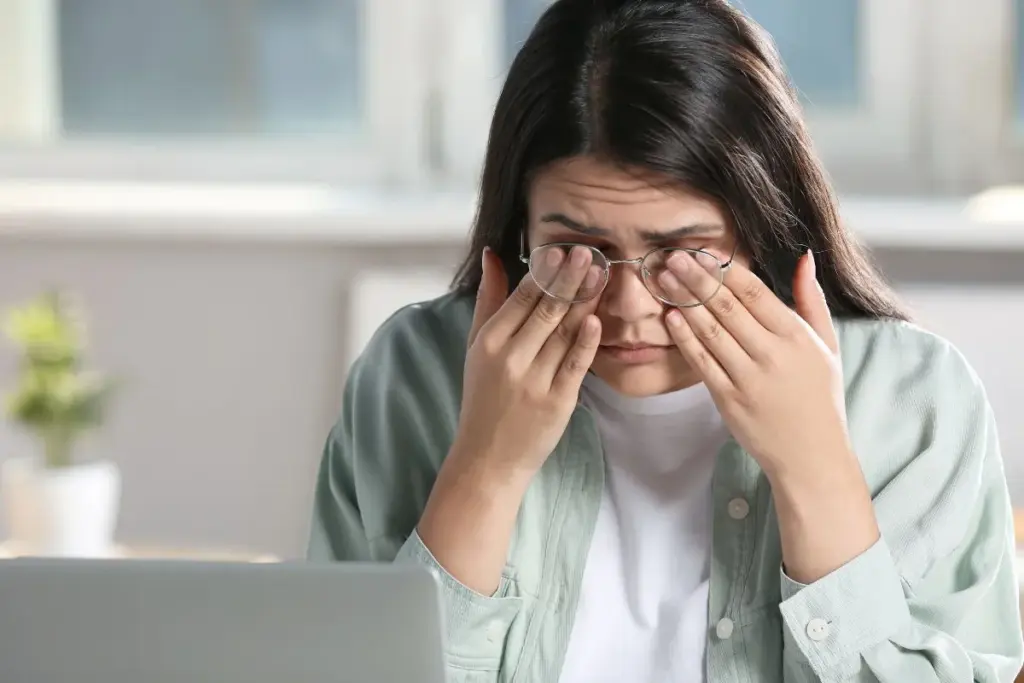
Stress and anxiety can really affect your health, including your eyes. When you feel stressed, your body changes in ways that can hurt your eyes. This might make them uncomfortable or even lead to serious eye diseases later on.
Optical Express says almost 7 in 10 Brits feel stressed every week. Stress can mess with your vision, causing eye strain, dry eyes, and blurry vision. Knowing how stress affects your body helps you take care of your eyes.
Key Takeaways
- Stress and anxiety can cause physiological changes that affect eye health.
- High levels of stress can lead to eye strain and other vision problems.
- Managing stress is key to keeping your eyes healthy.
- Stress can cause temporary eye discomfort.
- Long-term stress might lead to serious eye diseases.
The Science Behind Stress-Related Eye Problems
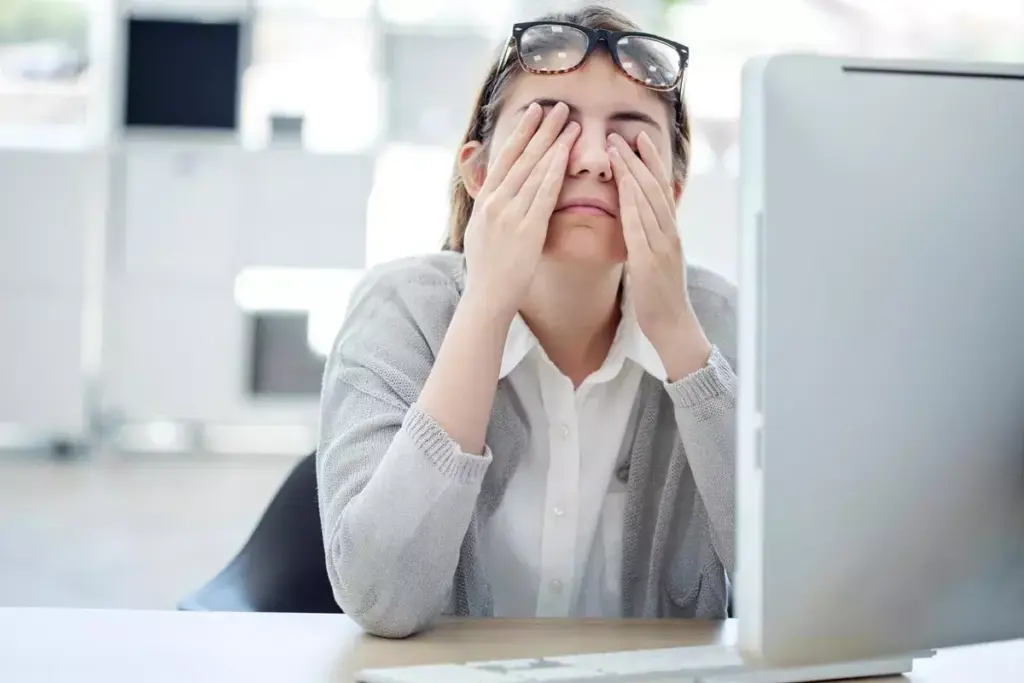
Chronic stress can harm our eye health and vision. It triggers hormonal changes in our body. These changes can affect our eyes.
How Cortisol and Adrenaline Impact Your Vision
Cortisol and adrenaline are key in our stress response. Cortisol, known as the ‘stress hormone,’ can make our pupils dilate and our heart rate go up. Adrenaline gets our body ready to fight or flee, tightening muscles around our eyes.
This can cause eye strain and discomfort. It shows how stress hormones can affect our vision.
Research Evidence: Over 100 Studies Link Stress to Eye Conditions
Many studies have looked into stress and eye health. Over 100 peer-reviewed studies show stress can lead to glaucoma, age-related macular degeneration, and optic nerve damage. This evidence highlights the link between stress and eye problems.
Knowing how stress affects our eyes is key. By understanding cortisol and adrenaline’s role, we can take steps to protect our eye health.
Recognizing the Symptoms of Stressed Eyes
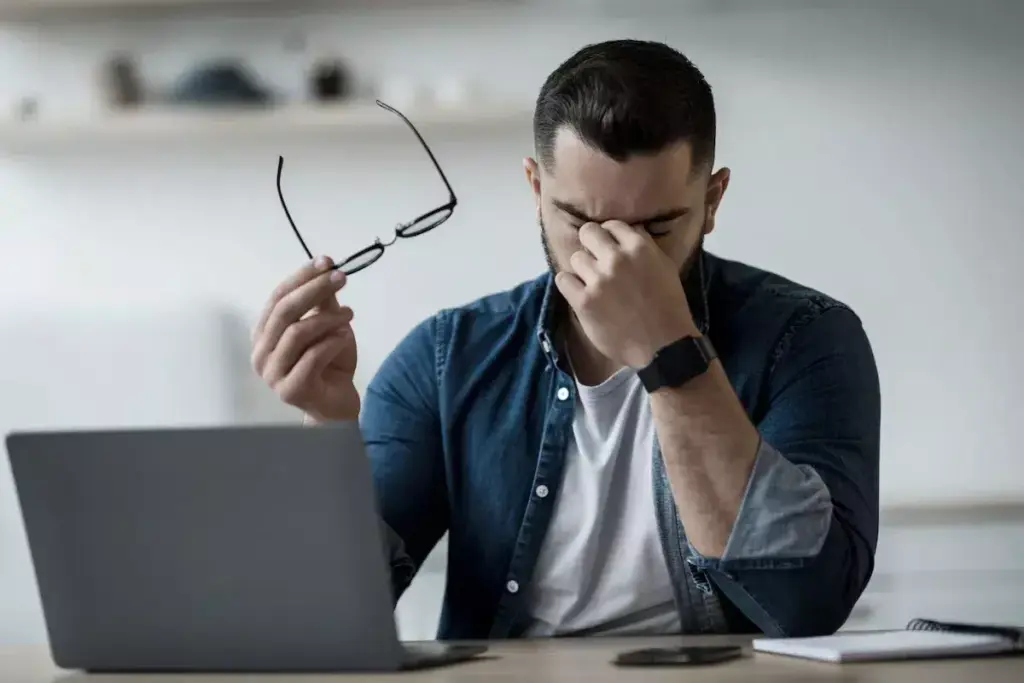
The symptoms of stressed eyes can be diverse and often surprising. Stress and anxiety make our bodies react in many ways. Our eyes are no exception.
Common Physical Symptoms of Anxiety Eyes
Anxiety can cause a range of physical symptoms in the eyes. Some common ones include:
- Eye strain and fatigue
- Dry eyes or excessive tearing
- Blurred vision
- Eye twitching
- Light sensitivity
These symptoms can be uncomfortable and may interfere with daily activities. It’s essential to recognize these signs and take steps to manage stress and anxiety.
Vision Changes Caused by Stress and Anxiety
Stress and anxiety can also lead to changes in vision. Some people may experience:
| Symptom | Description |
| Blurred Vision | Objects appear fuzzy or out of focus |
| Tunnel Vision | Peripheral vision is reduced, making it harder to see objects on the sides |
| Double Vision | Seeing two images of the same object |
These vision changes can be alarming. But they are often temporary and related to the stress response.
The Truth About Eye Floaters and Anxiety
Eye floaters are small, dark spots that appear to float in front of the eyes. They can be caused by various factors, including age and eye health. Some people believe that anxiety can make floaters more noticeable.
Research suggests that stress can heighten awareness of existing floaters, making them more noticeable. But there is no direct causal link between anxiety and new floaters.
By recognizing the symptoms of stressed eyes, we can better understand the impact of stress and anxiety on our vision and overall eye health.
Conclusion
Stress and anxiety can really hurt our eye health. They can cause eye strain, discomfort, and even vision problems. We’ve looked into how stress affects our eyes and what symptoms to watch for.
To fix eye problems and feel better, managing stress is key. Simple steps include getting the right vision correction, taking breaks from screens, and practicing deep breathing or meditation. Also, getting enough sleep and staying hydrated helps. When we’re stressed, our eyes can feel odd, and anxiety can lead to eye strain.
Knowing how stress affects our eyes helps us take action. Regular eye care and managing stress can prevent eye problems. This way, we can avoid tressed eyeballs and eye strain from stress, reducing the risk of eye issues.
By adding these tips to our daily life, we can keep our eyes healthy. This helps reduce symptoms of eye strain caused by anxiety. We can control our eye health and ease the discomfort from stress and anxiety.
FAQ
Can anxiety affect my eyesight?
Yes, anxiety can temporarily affect eyesight by causing blurred vision, sensitivity to light, or difficulty focusing. These symptoms usually occur due to muscle tension, fatigue, and heightened stress responses in the body.
What are the common symptoms of stressed eyes?
Stressed eyes often cause dryness, redness, blurry vision, headaches, and sensitivity to light. You may also feel eye fatigue, burning sensations, or difficulty focusing after long screen use.
Can stress cause eye floaters?
Stress itself doesn’t directly cause eye floaters, but it may make you notice them more due to increased awareness and fatigue. Persistent or sudden increases in floaters should be checked by an eye doctor.
How do cortisol and adrenaline impact my vision?
Stress hormones like cortisol and adrenaline can increase eye pressure and cause temporary vision changes such as blurred or tunnel vision. They also reduce blinking, which can lead to dry and irritated eyes.
Can anxiety cause long-term eye problems?
Anxiety usually does not cause permanent eye damage, but chronic stress can worsen eye strain and dryness over time. Managing stress and maintaining healthy screen habits helps protect long-term eye health.
How can I reduce stress-related eye strain?
Take regular breaks from screens using the 20-20-20 rule and ensure proper lighting when working. Practicing relaxation techniques like deep breathing and getting enough sleep also helps reduce eye strain.
Are there any specific eye exercises that can help alleviate stress-related eye strain?
Yes, simple exercises like eye rolling, focusing on distant objects, and gently palming your eyes can relax eye muscles. Blinking frequently and briefly closing your eyes also helps relieve tension and dryness.
References
National Center for Biotechnology Information. Evidence-Based Medical Insight. Retrieved from https://pmc.ncbi.nlm.nih.gov/articles/PMC8465972/