
Feeling like your heart is racing, waking up drenched in sweat, or noticing muscle twitches can be scary.Understand can thyroid disease cause anxiety and sweating and key hyperthyroid symptoms.
Hyperthyroidism is when your body makes too much thyroid hormone. This can lead to symptoms like anxiety, a fast heartbeat, and feeling too hot.
It’s important to understand how thyroid disease connects to these symptoms. This knowledge helps in getting the right diagnosis and treatment.
Key Takeaways
- Hyperthyroidism can cause anxiety and excessive sweating.
- Symptoms of hyperthyroidism include rapid heartbeat and heat intolerance.
- Thyroid disease can manifest through various physical and emotional symptoms.
- Proper diagnosis is key to managing hyperthyroidism.
- Treatment options are available for hyperthyroidism and related symptoms.
Understanding the Thyroid Gland and Its Function
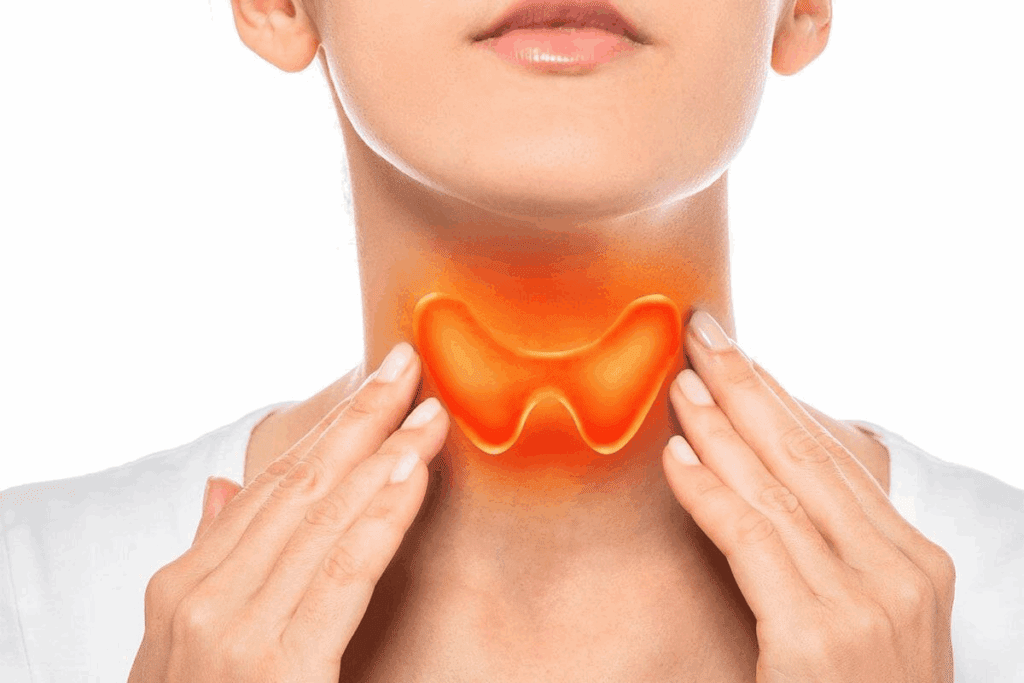
The thyroid gland is in the neck and is key to our health. It makes hormones that control how fast we burn energy, our heart rate, and body temperature. The main hormones it makes are triiodothyronine (T3) and thyroxine (T4). These hormones are vital for our body’s functions.
The thyroid gland works closely with the hypothalamus and pituitary gland. This team makes sure we have the right amount of thyroid hormones. If we have too little, the hypothalamus sends a signal. This signal tells the pituitary gland to make more TSH. TSH then tells the thyroid gland to make more T3 and T4.
The Role of Thyroid Hormones in Body Regulation
Thyroid hormones keep our body in balance and help our metabolism. They help us use carbs, fats, and proteins for energy. They also control our heart rate, with T3 being very important.
Key Functions of Thyroid Hormones:
- Regulation of metabolism
- Influence on heart rate and cardiac output
- Impact on body temperature regulation
- Role in growth and development, mainly in kids and teens
Normal Thyroid Function vs. Dysfunction
When our thyroid works right, it makes the right amount of hormones. This keeps our body in balance. But, if it makes too little (hypothyroidism) or too much (hyperthyroidism), we get sick.
| Condition | Description | Common Symptoms |
| Hypothyroidism | Underproduction of thyroid hormones | Fatigue, weight gain, cold intolerance |
| Hyperthyroidism | Overproduction of thyroid hormones | Weight loss, anxiety, heat intolerance |
Knowing how the thyroid gland works is key to treating thyroid problems. Spotting the signs of thyroid issues early helps get the right treatment fast.
What Is Hyperthyroidism?
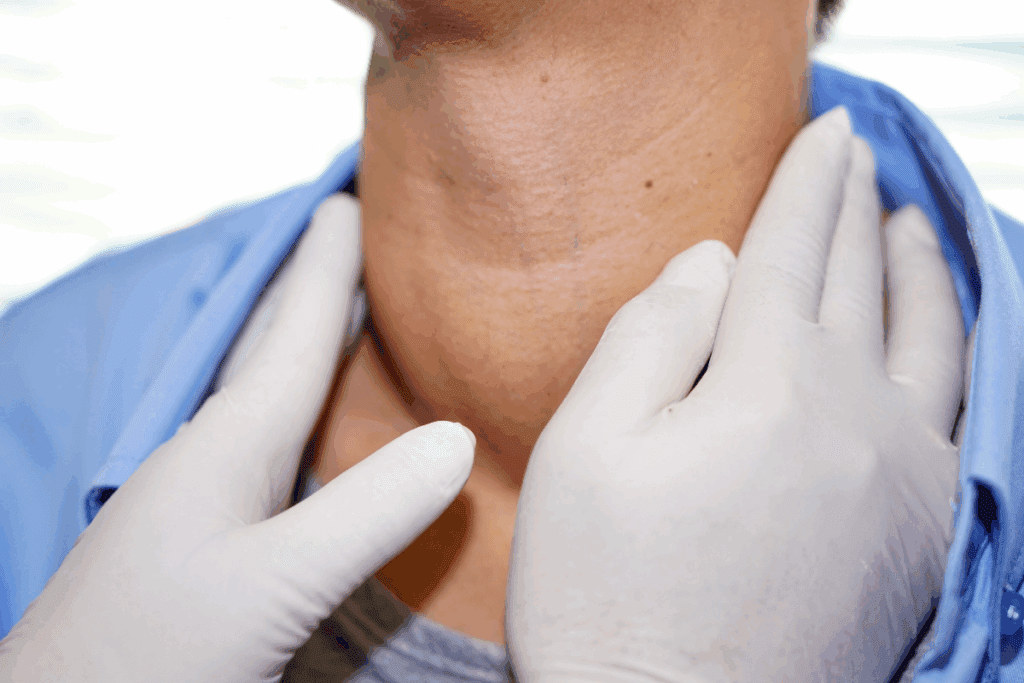
Hyperthyroidism happens when the thyroid gland makes too many hormones. This can really affect someone’s life, causing symptoms like anxiety and sweating. It can even lead to serious heart problems.
Common Causes of an Overactive Thyroid
There are several reasons why someone might have an overactive thyroid. The main reason is Graves’ disease, an autoimmune disorder. Other causes include:
- Toxic multinodular goiter, where multiple nodules in the thyroid gland become overactive.
- Thyroid nodules, which can independently produce thyroid hormones.
- Thyroiditis, inflammation of the thyroid gland, which can cause stored thyroid hormones to leak out.
The American Thyroid Association says Graves’ disease causes about 70-80% of hyperthyroidism cases.
“Graves’ disease is an autoimmune disorder that results in the production of antibodies that stimulate the thyroid gland, leading to excessive production of thyroid hormones.”
American Thyroid Association
Prevalence and Risk Factors
About 1 in 100 people in the U.S. have hyperthyroidism. Women are 5 to 10 times more likely to get it than men. Other risk factors include:
| Risk Factor | Description |
| Family History | Having a family history of thyroid disease increases the risk. |
| Age | Hyperthyroidism can occur at any age but is more common in individuals over 60. |
| Gender | Women are significantly more likely to develop hyperthyroidism. |
Knowing these risk factors can help catch the condition early. Early treatment is key to improving quality of life. Being aware and seeking medical help quickly is very important.
Can Thyroid Disease Cause Anxiety? The Mind-Body Connection
Thyroid disorders, like hyperthyroidism, can lead to anxiety. The thyroid gland controls metabolism and energy. When it’s off balance, it affects both body and mind.
Anxiety can come from many sources, including an overactive thyroid. Knowing how thyroid disease and anxiety are linked is key to treating them.
How Excess Thyroid Hormones Affect the Nervous System
Too much thyroid hormone can make the nervous system work too hard. This can cause heart racing, shaking, and more anxiety. It’s like the body is in overdrive.
The effects of excess thyroid hormones on the nervous system include:
- Increased neuronal activity
- Enhanced sensitivity to stimuli
- Heightened state of arousal
This makes it hard to relax. It’s not just in your head; it’s also a physical response to too much hormone.
Distinguishing Thyroid-Induced Anxiety from Primary Anxiety Disorders
Telling thyroid-induced anxiety apart from other anxiety disorders is important. They share symptoms but have different causes.
| Characteristics | Thyroid-Induced Anxiety | Primary Anxiety Disorders |
| Primary Cause | Excess thyroid hormones | Psychological or genetic factors |
| Associated Symptoms | Weight loss, tremors, heat intolerance | Varies, but often includes persistent fear or worry |
| Treatment Approach | Thyroid hormone regulation | Psychotherapy, medication, or both |
Knowing the difference helps doctors give better treatment. For those with hyperthyroidism, controlling hormone levels is key to easing anxiety.
In summary, thyroid disease and anxiety are closely linked. Understanding this helps in treating anxiety more effectively.
Hyperthyroidism and Sweating: Why It Happens
Sweating and feeling too hot are common signs of hyperthyroidism. This is because the body’s metabolism speeds up. When the thyroid gland makes too many hormones, it messes with how the body works. This leads to more heat being made.
Metabolic Effects Leading to Heat Intolerance
Hyperthyroidism’s fast metabolism is key to why people feel too hot. The body makes more heat, even when it’s cool outside. This makes people sweat more as they try to cool down.
The link between hyperthyroidism and sweating is tied to how the body controls its temperature. Normally, it keeps its heat in balance. But with hyperthyroidism, it makes too much heat. This causes more sweating.
Hyperthyroidism Night Sweats: Causes and Patterns
Night sweats are common in people with hyperthyroidism. They can disrupt sleep and cause discomfort. The reasons for night sweats in hyperthyroidism include the body’s fast metabolism and how it handles temperature.
Understanding night sweats can help manage them. They often happen during sleep, but more in the REM stage. This is when the body’s temperature control is less effective.
To deal with night sweats, making lifestyle changes and medical treatments are key. Keeping the bedroom cool and using breathable bedding helps. Staying hydrated also helps.
Cardiovascular Symptoms of Hyperthyroidism
Hyperthyroidism can cause many heart problems because of too much thyroid hormone. These symptoms can be scary and might lead to serious heart issues if not treated.
Heart Palpitations and Thyroid Dysfunction
Heart palpitations are a common sign of hyperthyroidism. Heart palpitations make your heartbeat irregular or strong. This can be very unsettling.
The extra thyroid hormones make your heart beat faster. This is more noticeable when you’re calm or stressed. It can also get worse with exercise.
In some cases, hyperthyroidism can cause atrial fibrillation. This irregular heartbeat raises the risk of stroke and heart failure. If you have persistent or severe palpitations, see a doctor to check for thyroid problems.
Increased Blood Pressure and Circulation Changes
Hyperthyroidism can also affect blood pressure and circulation. The extra thyroid hormones can make your blood pressure go up. This can strain your heart and increase the risk of heart failure or disease.
It can also change how blood flows, making your skin hotter and causing you to sweat more. These changes can be uncomfortable and affect your daily life.
It’s important to manage hyperthyroidism to avoid heart problems. Treatment might include medicines, radioactive iodine, or surgery. By treating the thyroid issue, you can lower your risk of heart problems and improve your health.
Physical Manifestations: What Does Hyperthyroidism Look Like?
Hyperthyroidism shows up in many physical symptoms that change how a person looks and feels. These symptoms can affect different parts of the body.
Changes in Appearance and Body Composition
One big sign of hyperthyroidism is changes in body shape. People with this condition often lose weight without trying, even if they’re hungry. This weight loss includes both muscle and fat.
A table below shows common changes in appearance and body shape due to hyperthyroidism:
| Physical Change | Description |
| Weight Loss | Unintentional loss of body weight, often accompanied by increased appetite. |
| Muscle Weakness | Loss of muscle mass and strength, mainly in the upper arms and thighs. |
| Skin Changes | Changes in skin texture and temperature, often feeling warm or flushed. |
Overactive Thyroid Hands: Tremors and Other Signs
Hyperthyroidism can make hands shake and feel weak. These shakes are usually small and fast. They make it hard to do things that need fine hand movements.
Hyperthyroidism Symptoms Skin: Texture and Temperature Changes
The skin also changes with hyperthyroidism. Skin can become smoother or thinner. It might also feel warm or flushed because of faster blood flow and metabolism.
These signs show why it’s key to spot hyperthyroidism early. This ensures quick medical help.
Hyperthyroidism Symptoms in Males
Hyperthyroidism symptoms in males can be subtle yet significant, affecting various aspects of health. While the condition is more common in women, men are not immune to its effects. Understanding these symptoms is key for timely diagnosis and treatment.
Unique Manifestations in Men
Men with hyperthyroidism may experience a range of symptoms. These can include changes in physical appearance, such as hair loss and skin texture changes. They may also notice a decrease in muscle mass and strength, which can be concerning.
One of the less commonly discussed symptoms is the impact on sexual health. Hyperthyroidism can lead to issues such as erectile dysfunction and changes in libido. It’s essential for men experiencing these symptoms to consult with a healthcare provider to determine the underlying cause.
Impact on Male Hormonal Balance
Hyperthyroidism can significantly affect male hormonal balance. The condition can lead to changes in testosterone levels. This may result in a range of symptoms including mood swings and fatigue. Understanding the interplay between thyroid hormones and testosterone is key for managing the condition effectively.
| Symptom | Description | Impact on Health |
| Hair Loss | Excessive hair fall, particular on the scalp | Affects appearance and self-esteem |
| Skin Changes | Warm, moist skin; possible thinning of skin | Can lead to discomfort and increased risk of skin infections |
| Erectile Dysfunction | Difficulty achieving or maintaining an erection | Impacts sexual health and relationships |
By recognizing these symptoms and understanding their impact, men can seek appropriate medical care. This helps manage hyperthyroidism and mitigate its effects on their overall health and well-being.
Lesser-Known Symptoms of Thyroid Dysfunction
Many know about common thyroid symptoms, but there are others that can really affect your life. Thyroid issues can cause unexpected symptoms that harm your health. It’s important to know these symptoms to get the right treatment.
Thyroid Thirst and Increased Fluid Needs
One lesser-known symptom is feeling very thirsty. Thyroid thirst is common in people with hyperthyroidism. This is because their metabolism and heat production go up, making them need more water.
A study in a medical journal showed that people with hyperthyroidism often drink more water.
“Patients with hyperthyroidism may experience increased thirst due to their heightened metabolic state,” the study noted.
| Symptom | Cause | Effect |
| Increased Thirst | Hyperthyroidism | Higher Fluid Needs |
| Heat Intolerance | Increased Metabolism | Increased Sweating |
Hyperthyroidism Muscle Twitching: Causes and Patterns
Hyperthyroidism muscle twitching can be very upsetting. It happens because too much thyroid hormone affects the nerves.
The twitching can be different in how strong and often it happens. If you’re twitching, it’s important to talk to your doctor to find out why.
Hyperthyroidism and Pain in Neck: When to Be Concerned
Neck pain is a worry for people with hyperthyroidism. This pain might be from the thyroid gland or nearby tissues.
It’s key to tell if your neck pain is just normal or if it’s from hyperthyroidism. Hyperthyroidism neck pain could mean your thyroid is inflamed or there’s another problem.
- Neck pain with swelling or tenderness
- Difficulty swallowing or breathing
- Changes in voice or hoarseness
If you have these symptoms, you should see a doctor right away.
Severe Hyperthyroidism Symptoms: When the Condition Escalates
Hyperthyroidism can turn into a serious condition called thyroid storm. This happens when the thyroid gland makes too much thyroid hormone. It leads to a state where the body’s metabolism goes too high.
Thyroid Storm: A Medical Emergency
A thyroid storm is a rare but dangerous condition. It happens when hyperthyroidism is not treated well. It makes symptoms much worse, including:
- High fever
- Rapid heartbeat
- Nausea and vomiting
- Diarrhea
- Dehydration
It’s very important to know the signs of thyroid storm to get medical help fast. If not treated, it can cause serious problems like heart failure, coma, and even death.
Cognitive and Mood Disturbances in Advanced Cases
Severe hyperthyroidism also affects the mind and mood. Symptoms can include:
| Cognitive Symptoms | Mood Disturbances |
| Confusion | Anxiety |
| Memory problems | Irritability |
| Decreased concentration | Mood swings |
These symptoms can really hurt a person’s life and how well they can do things. Getting hyperthyroidism treated early is key to avoid these severe problems.
Diagnosis and Treatment Options for Hyperthyroidism
To find out if someone has hyperthyroidism, doctors use many tools. These include blood tests and imaging studies. Getting the right diagnosis is key to picking the best treatment.
Laboratory Tests and Imaging
Lab tests are very important in diagnosing hyperthyroidism. The main tests are:
- Thyroid-stimulating hormone (TSH) test: Checks TSH levels in the blood.
- Free thyroxine (FT4) and free triiodothyronine (FT3) tests: Look at thyroid hormone levels.
- Thyroid antibody tests: Find out if autoimmune diseases like Graves’ disease are present.
Doctors might also use imaging like thyroid ultrasound and radioactive iodine uptake tests. These help check how well the thyroid works and its shape.
| Test | Purpose | Significance in Hyperthyroidism Diagnosis |
| TSH Test | Measures TSH levels | Low TSH levels often indicate hyperthyroidism |
| FT4 and FT3 Tests | Assesses thyroid hormone levels | Elevated levels confirm hyperthyroidism |
| Thyroid Antibody Tests | Detects autoimmune antibodies | Helps diagnose autoimmune hyperthyroidism (e.g., Graves’ disease) |
Medical and Surgical Interventions
Treatment for hyperthyroidism aims to lower thyroid hormone levels or ease symptoms. The options are:
- Medications: Drugs like methimazole cut down hormone production.
- Radioactive Iodine Therapy: Kills part of the thyroid gland to lower hormone levels.
- Surgery: Thyroidectomy removes part or all of the thyroid gland.
Each treatment has its own benefits and risks. The right choice depends on the cause and how severe the hyperthyroidism is, along with what the patient prefers.
Managing Anxiety and Sweating Symptoms
It’s important to manage symptoms like anxiety and sweating to improve life quality. Ways to do this include:
- Beta-blockers: Medications that lessen symptoms like tremors and palpitations.
- Lifestyle Changes: Stress management, like meditation and yoga, can help with anxiety.
- Dietary Adjustments: Avoiding stimulants like caffeine can help reduce sweating and anxiety.
By using these strategies along with medical treatment, patients can manage their symptoms better. This helps them live a more balanced life.
Conclusion: Living Well with Thyroid Disease
Understanding thyroid disease and its symptoms is key to managing it well. Hyperthyroidism can cause anxiety, sweating, and heart problems. Recognizing these signs is the first step to getting the right medical help.
Dealing with thyroid disease needs a full approach. This includes getting a proper diagnosis and treatment. With the right care, people can manage their condition well. This means treating the thyroid and improving overall health, including managing anxiety and sweating.
Managing thyroid health involves many steps. These include making lifestyle changes, taking medication, and checking health regularly. By controlling their thyroid health, people can reduce symptoms and live better. The aim is to live a normal, active life despite having thyroid disease.
In the end, with the right care, people with thyroid disease can live healthy, happy lives. By knowing about the condition and its effects, people can take steps to manage their thyroid health. This helps reduce its impact on their daily life.
FAQ
What is hyperthyroidism and how does it cause sweating?
Hyperthyroidism happens when the thyroid gland makes too much hormone. This makes your body burn more energy and heat. As a result, you sweat more and can’t handle heat well.
Can hyperthyroidism cause anxiety?
Yes, too much thyroid hormone can mess with your nerves. This can make you feel anxious. It’s important to tell the difference between thyroid-induced anxiety and regular anxiety.
What are the common causes of hyperthyroidism?
Graves’ disease, toxic multinodular goiter, and thyroid nodules are common causes. They all lead to too much thyroid hormone.
How does hyperthyroidism affect the cardiovascular system?
Too much thyroid hormone can make your heart beat faster and blood pressure go up. It also changes how blood flows, stressing your heart.
What are the physical signs of hyperthyroidism?
Signs include changes in how your body looks, shaky hands, and skin changes. These changes can be due to the excess hormones.
Can hyperthyroidism cause night sweats?
Yes, it can cause night sweats because of its effect on metabolism. Knowing why you sweat at night can help you manage it.
How is hyperthyroidism diagnosed?
Doctors use blood tests and imaging to find out if you have it. These tests check your hormone levels and look at your thyroid.
What are the treatment options for hyperthyroidism?
Doctors can use medicines to lower hormone levels. Sometimes, surgery is needed to remove part of the thyroid gland.
Can hyperthyroidism cause muscle twitching?
Yes, it can make your muscles twitch. This is because the hormones affect your nerves and muscles.
How does hyperthyroidism impact male hormonal balance?
It can affect testosterone levels. This might change your sex drive and fertility.
What is thyroid storm, and is it a medical emergency?
Thyroid storm is a serious condition that needs quick medical help. It happens when hyperthyroidism gets worse.
Can hyperthyroidism cause pain in the neck?
Yes, it can cause neck pain. This is because the thyroid gland might get inflamed or grow too big. Knowing when to worry is key.
How can anxiety and sweating symptoms be managed in hyperthyroidism?
To manage anxiety and sweating, you need medicine, lifestyle changes, and ways to handle stress. These can help lessen symptoms.
Is hyperthyroidism thirst a recognized symptom?
Yes, some people with it might feel very thirsty. This is because their body’s metabolism is sped up by too much hormone.