Many patients deal with itchy hives without knowing why. Often, this could mean they have an undiagnosed thyroid disorder.
Studies show a strong link between thyroid disease and hives. About 30% of people with chronic hives have an autoimmune thyroid disease.
At Liv Hospital, we aim to give top-notch healthcare. We support international patients fully. Our team works hard to understand the connection between thyroid issues and hives. This helps us diagnose and treat better.
Key Takeaways
- Chronic hives may be linked to underlying thyroid disorders.
- Autoimmune thyroid disease is a significant factor in chronic hives cases.
- Understanding this connection is key for effective diagnosis and treatment.
- Liv Hospital provides full care for patients with thyroid-related hives.
- Early detection and treatment can greatly improve patient outcomes.
The Relationship Between Thyroid Disease and Hives
Thyroid disease and hives are more connected than we thought. New studies show they share a common cause in the immune system. This means chronic urticaria and autoimmune thyroid disease have a lot in common.
Statistical Evidence of Connection
Research shows a strong link between thyroid disease and hives. Chronic spontaneous hives often go hand in hand with autoimmune thyroid disease. This is true for 4.3 percent to 57.4 percent of adults with the condition.
The wide range in numbers shows how different studies can find varying results. But overall, it’s clear there’s a strong connection. The presence of thyroid autoantibodies in people with chronic urticaria also supports this link.
Hashimoto’s Thyroiditis and Chronic Urticaria
Hashimoto’s thyroiditis, a common cause of hypothyroidism, is closely tied to chronic urticaria. This autoimmune condition, marked by antithyroid peroxidase antibodies, can lead to chronic hives. People with Hashimoto’s often have autoimmune skin manifestations like rashes and hives.
Having antithyroid antibodies is a sign of autoimmune thyroid disease. It also means the immune system is overactive, which can cause chronic urticaria. This highlights the need to check thyroid function and autoantibody status in patients with chronic hives.
Other Thyroid Conditions Associated with Skin Reactions
While Hashimoto’s thyroiditis is most linked to chronic urticaria, other thyroid conditions can also cause skin issues. For example, Graves’ disease can lead to skin problems like diffuse thyroid dermopathy. These reactions can really affect a person’s quality of life.
Managing thyroid disease and skin conditions requires a full approach. It’s important to address both the thyroid issues and the immune factors causing skin reactions. Understanding the connection between thyroid disease and hives helps doctors find better treatments for patients with both conditions.
Understanding the Immunological Mechanisms

Thyroid disease and hives are linked by complex immune system issues. Both involve an autoimmune response gone wrong. This can cause autoimmune thyroid disease and skin problems like hives.
Shared Autoimmune Pathways
Thyroid issues, like Hashimoto’s, and hives often share the same immune pathways. Many people with hives also have antithyroid antibodies. This is more common than in the general public.
Role of Antithyroid Peroxidase Antibodies
Antithyroid peroxidase antibodies (anti-TPO) are key in thyroid disease. They’re also found in hives patients. This shows a link between the two. For more on Hashimoto’s and hives, visit Paloma Health.
T Cell Dysregulation and Inflammatory Markers
T cell problems and high inflammatory markers are seen in both thyroid and hives. This imbalance causes inflammation. Knowing this helps in finding better treatments for both conditions.
By looking into these immune system issues, we can improve how we manage thyroid disease and hives. This leads to better care for those affected.
Diagnosing and Treating Thyroid Disease and Hives
Managing hives linked to thyroid disease starts with a correct diagnosis. This involves several clinical and lab tests. We will look at the key steps in diagnosing and treating these conditions.
Recognizing Symptoms and Warning Signs
It’s important to spot the signs of thyroid disease and hives early. People with thyroid issues might have chronic and unexplained hives. They might also feel tired, gain or lose weight, and have sensitive skin.
Doctors should watch for these signs. They should think about thyroid disease when patients have hives. A good first step is a detailed medical history and physical check-up.
Diagnostic Tests for Both Conditions
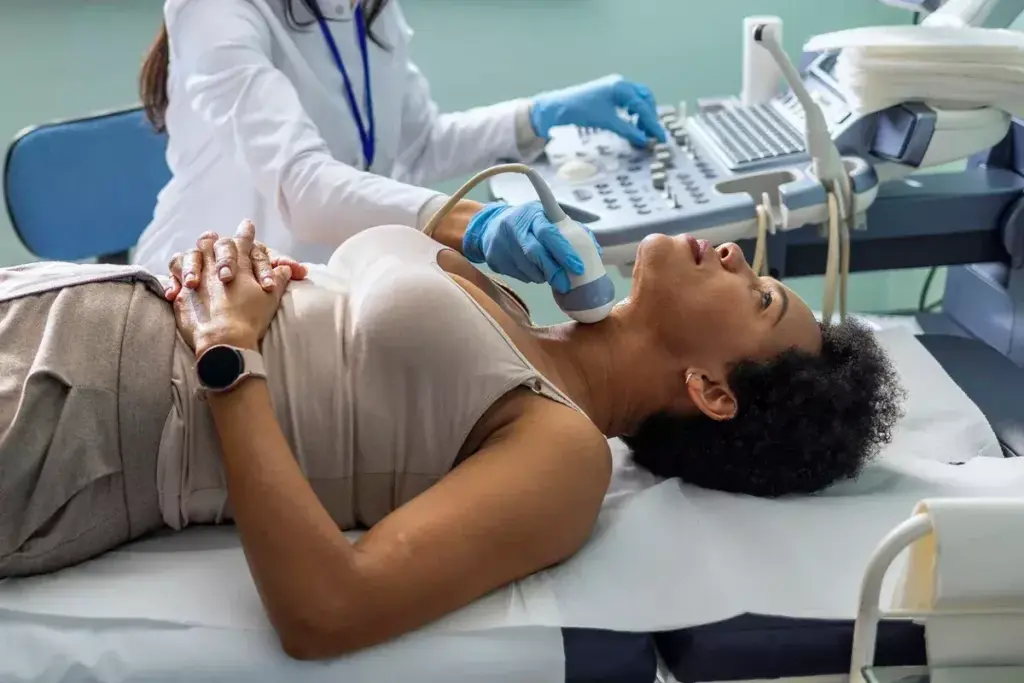
To diagnose hives linked to thyroid disease, a thorough approach is needed. This includes thyroid hormone tests and autoimmune thyroid antibody tests. Blood tests can show how well the thyroid is working and if there are autoantibodies.
Diagnosing hives also means looking at skin biopsies and other tests. This helps rule out other conditions. A complete diagnostic process is key to making the right treatment plan.
Treatment Approaches for Dual Management
Treating thyroid disease and hives requires a two-part plan. For thyroid issues, treatment might be thyroid hormone replacement therapy for low thyroid or antithyroid medications for high thyroid.
For hives linked to thyroid disease, antihistamines and other treatments might be used. In some cases, corticosteroids or other drugs to suppress the immune system might be needed for severe hives.
Understanding the connection between thyroid disease and hives helps doctors create better treatment plans. This improves patient outcomes and quality of life.
Conclusion: Living with Thyroid and Skin Conditions
Treating the underlying thyroid disorder is key to solving skin problems like hives. When hormone levels get back to normal, many skin symptoms, such as hashimoto’s disease rash, also get better.
Thyroid hormone replacement therapy and antithyroid medications help manage thyroid disease and its skin symptoms. For example, people with hives from hypothyroidism often feel better when their thyroid hormone levels are balanced.
Understanding the link between thyroid disease and skin conditions helps patients manage their condition better. Effective management of thyroid disease is vital in reducing skin problems. This allows individuals to live healthier lives.
FAQ
Can thyroid disease cause hives?
Yes, thyroid disease, like autoimmune thyroiditis, can lead to hives. The immune system’s response in thyroid disease may cause hives.
What is the connection between Hashimoto’s thyroiditis and hives?
Hashimoto’s thyroiditis, a common cause of hypothyroidism, is linked to hives. Studies show that those with Hashimoto’s are more likely to get hives. This is due to shared autoimmune pathways.
How do antithyroid peroxidase antibodies contribute to hives in thyroid disease?
Antithyroid peroxidase antibodies are key in hives for thyroid disease patients. These antibodies are a sign of autoimmune thyroiditis. They can cause inflammation and lead to hives.
Can hypothyroidism cause hives?
Yes, hypothyroidism, often from Hashimoto’s thyroiditis, can cause hives. The immune system and hormonal imbalances in hypothyroidism can lead to skin reactions, including hives.
What are the treatment approaches for managing thyroid disease and hives simultaneously?
Managing thyroid disease and hives together needs a full treatment plan. This includes thyroid hormone replacement, antihistamines or corticosteroids for hives, and immunosuppressants to reduce inflammation.
How can I manage hives associated with thyroid disease?
To manage hives with thyroid disease, treat the thyroid condition and avoid triggers. Use medications for symptoms. Working with a healthcare provider is key to a personalized plan.
Are there any specific diagnostic tests for thyroid disease and hives?
Yes, tests for thyroid disease and hives include thyroid function tests and antithyroid antibody tests. Skin prick tests or allergy blood tests can also identify allergens. A full diagnostic evaluation is needed to find the causes.
Can treating the underlying thyroid condition alleviate hives?
Yes, treating the thyroid condition can help with hives. Addressing the immune system and hormonal imbalances can reduce hives and skin issues.
References
National Center for Biotechnology Information. Evidence-Based Medical Guidance. Retrieved from https://pmc.ncbi.nlm.nih.gov/articles/PMC6302681/