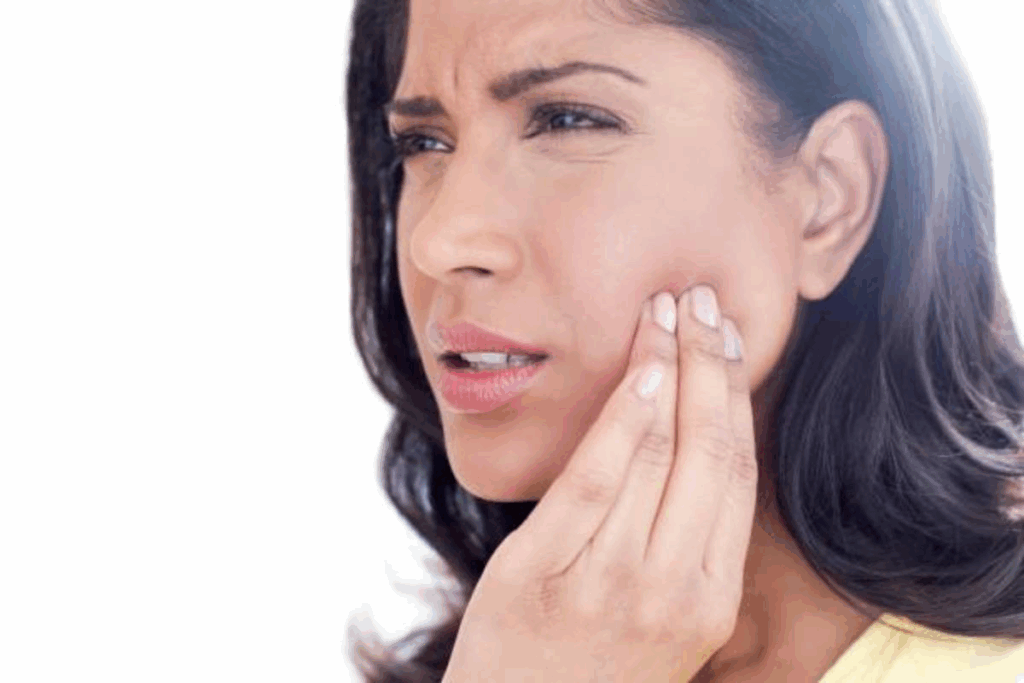
TMJ disorder affects millions of adults worldwide. It causes pain, clicking, and trouble chewing. For many, it can go away on its own, but how long it takes varies a lot.can tmj go awayTinnitus Earache Pain: Can Tinnitus Cause Ear Pain?
Understanding the natural course of TMJ is key. Mild cases might heal in days to weeks. But, chronic cases often need professional help for months.
Seeing a doctor early can really help. It can make it easier for patients to get back to pain-free daily life. We’ll look at what affects how long TMJ lasts and why seeing a doctor early is important.
Key Takeaways
- TMJ disorder can resolve on its own for many patients.
- The recovery timeline depends on the condition’s severity and underlying cause.
- Mild TMJ cases may heal within days to weeks.
- Chronic cases often require professional treatment lasting several months.
- Early medical evaluation can significantly improve recovery prospects.
Understanding TMJ Disorder: What Is It?
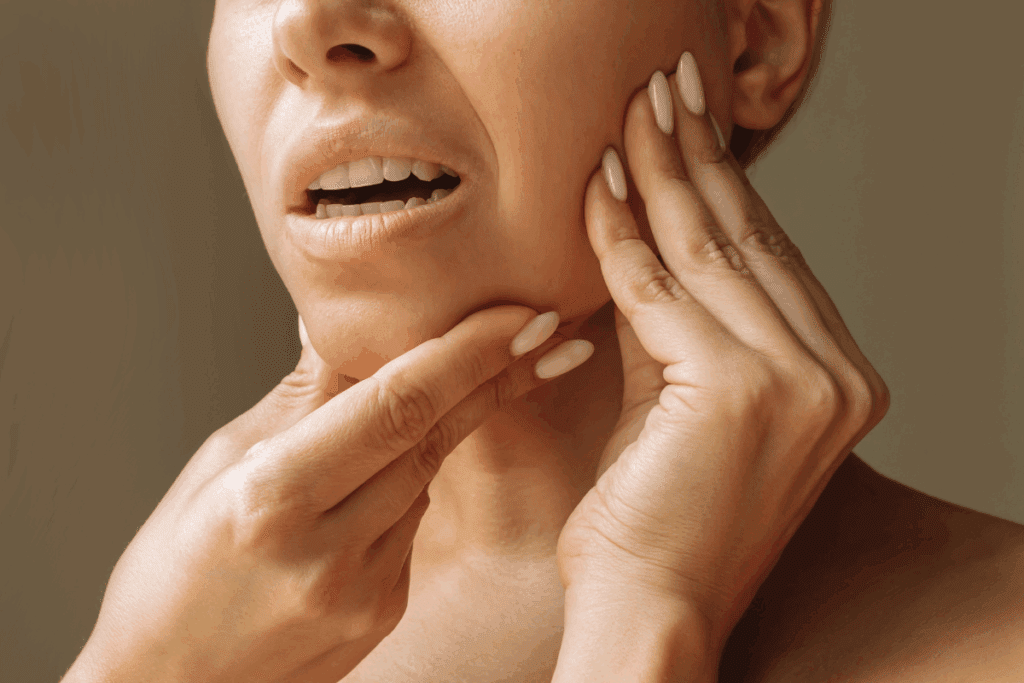
TMJ disorder affects the temporomandibular joint, which is key for chewing, speaking, and yawning. This joint connects the jaw to the skull. When it’s not working right, it can cause a lot of problems.
Definition and Anatomy of the Temporomandibular Joint
The TMJ is made up of the jawbone, the skull, and a special disk. This disk helps the jaw move smoothly. The TMJ’s anatomy is complex, with many parts working together.
TMJ disorders can come from grinding teeth, injuries, arthritis, or stress. These can cause pain and make it hard to move the jaw.
Common Symptoms of TMJ Disorder
TMJ disorder shows up in many ways. Some common signs are:
- Jaw pain or tenderness
- Clicking or popping sounds when opening or closing the mouth
- Limited range of motion in the jaw
- Earaches or a sensation of fullness in the ear
- Headaches or neck pain
It’s important to catch these symptoms early to treat TMJ disorder well. Some cases get better by themselves, but others need help from a doctor. How long TMJ disorder lasts can vary a lot.
Knowing the symptoms and what causes them is key to finding the right treatment. By spotting TMJ disorder signs, people can get the help they need. This can make their life better and help them feel better.
The Prevalence of TMJ Disorders in America
Millions of Americans deal with TMJ disorders, a big public health problem. Temporomandibular joint disorders, or TMJ/TMD, cause pain and discomfort. This can really affect daily life.
We will look at how common TMJ disorders are. We’ll see who is most affected by this condition.
Statistics on TMJ Sufferers in the United States
About 11 to 12 million people in the U.S. have TMJ pain. This shows how widespread it is. TMJ disorders often start in adults between 20 and 40.
“TMJ disorders are a major cause of pain and discomfort, affecting not only the jaw but also the overall quality of life.”
Getting help early can really help manage symptoms. It can also improve daily life for those affected.
Demographics Most Affected by TMJ
Some groups are more likely to have TMJ disorders. Women are more likely to have it than men. Younger adults are also more affected.
| Demographic | Prevalence of TMJ |
|---|---|
| Women | Higher prevalence |
| Men | Lower prevalence |
| Age 20-40 | More commonly affected |
Knowing who is most affected helps healthcare providers. They can make better treatment plans.
By understanding TMJ disorders better, we can tackle this big public health issue. We can improve life for those affected.
Root Causes of TMJ Disorder
Understanding TMJ disorder’s root causes is key to managing it well. The time TMJ disorder lasts can vary a lot. It depends on how severe it is and what causes it.
TMJ disorders can come from many things. These include grinding and clenching teeth, injuries to the joint, arthritis, and stress.
Physical Factors Contributing to TMJ
Physical factors are big in causing TMJ disorder. Teeth grinding and clenching, or bruxism, is a common reason. It puts too much pressure on the TMJ.
Joint injury or trauma, like hitting the jaw, can also cause TMJ disorder. Arthritis can make the TMJ inflamed and painful, adding to the disorder.
Psychological Factors and Stress
Psychological factors, like stress, play a big role in TMJ disorder. Stress can make you grind and clench your teeth more. This puts more strain on the TMJ.
Learning to relax can help treat TMJ disorder. It’s a big part of managing it.
Underlying Medical Conditions
Certain underlying medical conditions can also lead to TMJ disorder. For example, arthritis or fibromyalgia can affect the TMJ. This can cause pain and make it hard to function.
It’s important to find and treat these conditions. This is key to treating TMJ disorder effectively.
Acute vs. Chronic TMJ: Understanding the Difference
It’s important to know the difference between acute and chronic TMJ. TMJ disorders can show up in different ways. Knowing if it’s acute or chronic helps figure out the best treatment.
Characteristics of Acute TMJ Episodes
Acute TMJ episodes start suddenly and don’t last long. They can be caused by stress, jaw injury, or too much gum chewing. Symptoms include sharp jaw pain, clicking or popping sounds, and trouble chewing.
Most mild TMJ pain goes away in a few days to weeks without treatment. During an acute episode, it’s key to avoid actions that make it worse. Try relaxation techniques to lower stress.
Signs Your TMJ Has Become Chronic
If TMJ symptoms keep coming back or last a long time, it might be chronic. Chronic TMJ has ongoing pain, clicking or grating sounds, and jaw stiffness. Stress, clenching or grinding, and health issues can cause chronic TMJ.
Signs that your TMJ has become chronic include:
- Persistent pain or discomfort in the jaw joint or surrounding areas
- Frequent headaches or earaches
- Limited range of motion or stiffness in the jaw
- Clicking, popping, or grating sounds when moving the jaw
Knowing when TMJ turns from acute to chronic is key for the right treatment. Understanding both types helps find the best way to ease symptoms.
Can TMJ Go Away on Its Own?
It’s important to know if TMJ can heal by itself. TMJ disorder can cause a lot of pain. Knowing if it can get better naturally helps in choosing the right treatment.
Self-Resolving Cases: When TMJ Heals Naturally
Some TMJ symptoms can go away without needing a doctor. Mild cases of TMJ disorder might get better if the cause is fixed. This could be due to stress or minor jaw strain.
For example, if stress or teeth grinding is the problem, managing stress or using a mouthguard can help a lot. But, if the pain doesn’t get better or gets worse, you should see a doctor.
Conditions That Prevent Natural Recovery
Not all TMJ cases can heal on their own. Some conditions make it harder or impossible for TMJ to recover naturally. These include arthritis or structural problems in the jaw joint.
| Condition | Impact on TMJ Recovery |
|---|---|
| Arthritis | Inflammation and joint damage can complicate recovery. |
| Structural Jaw Issues | Abnormalities in jaw alignment or structure can prevent natural healing. |
| Chronic Stress | Ongoing stress can exacerbate TMJ symptoms, making recovery more challenging. |
Knowing these factors helps in figuring out the best way to manage TMJ disorder. Some people might feel better with self-care and lifestyle changes. But, others might need professional help to fix underlying problems.
How Long Does TMJ Last? Typical Healing Timeframes
The time TMJ lasts can differ a lot from person to person. It depends on how bad the condition is and other personal factors. Knowing these timeframes helps manage expectations and plan the right treatment.
Days to Weeks: Mild TMJ Recovery Timeline
Mild TMJ pain usually goes away in a few days to a couple of weeks without treatment. If TMJ pain comes from stress or a small injury, it often gets better by itself. Simple steps like avoiding hard foods, managing stress, and using heat or cold packs can help.
Weeks to Months: Moderate TMJ Duration
For those with moderate TMJ symptoms, recovery can take weeks to a few months. This is often the case when TMJ issues are linked to teeth problems, grinding teeth, or other issues that need treatment. During this time, treatments like dental splints, physical therapy, or pain medication might be needed.
Months to Years: Managing Chronic TMJ Expectations
Chronic TMJ cases can last from months to years, needing ongoing care and possibly more serious treatment. Severe jaw problems, constant grinding, or health issues can lead to chronic TMJ. Managing it long-term might involve lifestyle changes, ongoing physical therapy, and regular dental visits.
To get a better idea of TMJ healing times, here’s a quick summary:
| TMJ Severity | Typical Recovery Timeframe | Common Interventions |
|---|---|---|
| Mild | Days to Weeks | Self-care, stress management |
| Moderate | Weeks to Months | Dental splints, physical therapy, medication |
| Chronic | Months to Years | Lifestyle changes, ongoing physical therapy, regular dental care |
Knowing how long TMJ lasts and what affects recovery helps people manage their condition better. It also helps them make informed choices about their treatment.
Factors That Influence TMJ Healing Time
Knowing what affects TMJ healing time is key to managing your expectations and getting the best treatment results. The journey to heal from Temporomandibular Joint disorder is complex. It’s influenced by many factors.
Age and General Health Considerations
Age and overall health are big factors in how fast TMJ symptoms get better. Younger people usually heal faster because they’re healthier and have fewer health problems. Older adults might face more challenges because of their age and other health issues.
General health considerations also matter. Conditions like arthritis, osteoporosis, or chronic pain can slow down healing. They might need a more detailed treatment plan.
Impact of Early Intervention on Recovery
Starting treatment early is very important for TMJ disorder. Studies show that early treatment leads to faster recovery and less chance of chronic pain. Early action can prevent the condition from getting worse and might avoid the need for more serious treatments.
Early care can greatly improve your daily life. By tackling TMJ symptoms early, you can avoid long-term pain and enhance your quality of life.
Lifestyle Factors Affecting TMJ Duration
Lifestyle choices, like stress levels, diet, and habits like clenching or grinding, also affect TMJ healing time. High stress can make TMJ symptoms worse. Eating soft foods can help ease pain.
We suggest paying attention to your oral habits and trying to lower stress. Simple actions, like relaxing or avoiding hard chewing, can help you heal faster.
Self-Care Strategies to Speed Up TMJ Recovery
TMJ recovery can be helped by simple self-care habits. These habits can reduce the need for medication. They help the body heal naturally.
Dietary Modifications for TMJ Relief
Changing your diet is key to managing TMJ symptoms. Eating soft foods eases jaw strain, aiding in healing. Choose foods like yogurt, scrambled eggs, and cooked veggies.
Avoid hard, chewy, or sticky foods. They can make TMJ pain worse.
Good eating habits also matter. Take small bites, eat slowly, and avoid clenching or grinding. This reduces jaw tension.
Stress Management Techniques
Stress can worsen TMJ disorder by causing teeth clenching and grinding. Stress-reducing activities like meditation and deep breathing help. They lower stress and ease jaw tension.
Other activities, like progressive muscle relaxation and mindfulness, also help. They can improve TMJ symptoms and overall well-being.
Jaw Exercises and Physical Therapy
Jaw exercises and physical therapy are important for TMJ care. Gentle exercises boost jaw mobility and lessen pain. Try opening your mouth wide and then closing it, or moving your jaw side to side.
Physical therapy might include heat or cold packs to ease pain and swelling. A healthcare expert can guide you on the best exercises and therapies for your TMJ.
Over-the-Counter Pain Management Options
OTC pain relievers like ibuprofen or acetaminophen can help with TMJ pain. They reduce pain and swelling, making daily tasks easier.
Always follow the dosage instructions and talk to a healthcare provider before starting any new medication. Using OTC pain relievers with other self-care methods can improve TMJ symptom management.
Professional Treatment Options When TMJ Doesn’t Heal
When TMJ disorder doesn’t get better, it’s time to look into professional treatments. Some TMJ cases might get better on their own. But, chronic or severe cases often need more help. The right treatment depends on the cause, how bad it is, and the patient’s health.
Conservative Treatments
Conservative treatments are usually the first step for TMJ disorder. These include:
- Mouth guards and splints to stop teeth grinding and clenching, mainly at night.
- Physical therapy to relax the jaw muscles and improve jaw alignment.
Mouth guards and splints are made by a dentist to fit your teeth. They help by stopping the upper and lower teeth from touching.
Medical Interventions
If conservative treatments don’t work, medical interventions might be needed. These include:
- Medications like pain relievers, anti-inflammatories, or muscle relaxants to manage pain and inflammation.
- Corticosteroid injections to reduce TMJ inflammation.
- Botox injections to relax the jaw muscles.
A medical expert says, “Medications are key in managing TMJ symptoms, often used with other treatments.”
“The goal of medical interventions is to reduce pain and inflammation, improving the patient’s quality of life.”
Surgical Options
For severe cases that haven’t improved with other treatments, surgery might be an option. This can include:
- Arthrocentesis: a minimally invasive procedure to clean out the joint.
- TMJ arthroscopy: a surgical procedure to visually examine and repair the joint.
- Open-joint surgery: a more invasive surgery to repair or replace the joint.
Surgical options are usually for severe TMJ disorder that hasn’t improved with other treatments. Deciding on surgery should be after talking it over with a healthcare provider.
For TMJ disorder caused by bruxism, arthritis, or bite misalignment, longer treatments are often needed. Knowing about professional treatment options helps patients make better choices for their care.
Conclusion: Managing Expectations for TMJ Recovery
TMJ disorder can really affect your daily life. But, knowing about the condition and its treatments can help manage your expectations for recovery. TMJ doesn’t have to rule your life or stop you from enjoying things.
Understanding that recovery times can differ is key. Some TMJ cases might get better on their own, while others need professional help. By getting the right care and making lifestyle changes, you can improve your life and reduce TMJ symptoms.
We aim to provide top-notch healthcare and support for patients from around the world. It’s important to know about TMJ duration and treatment options to manage your expectations well. Whether your symptoms get better naturally or need treatment, there are ways to find relief.
By being proactive in your TMJ recovery, you can take back control of your life. We’re dedicated to giving you the support and care you need. Our goal is to help you achieve the best results and enjoy a better life.
FAQ
Can TMJ disorder go away on its own?
Sometimes, TMJ disorder can get better by itself. This is true if it’s caused by a short-term problem or a small issue. But, if the real cause isn’t fixed, TMJ symptoms can stay or get worse.
How long does TMJ pain last?
How long TMJ pain lasts depends on how bad it is and how well treatment works. Mild cases might get better in days to weeks. But, if it’s more serious, it could take weeks to months to heal. If not treated, TMJ pain can last for months or even years.
What are the common symptoms of TMJ disorder?
TMJ disorder symptoms include jaw pain and sounds when you open or close your mouth. You might also have trouble chewing or headaches. Some people get ear pain, tinnitus, or facial pain too.
How long does it take for TMJ to heal?
Healing time for TMJ disorder varies. Mild cases might heal in days to weeks. But, if it’s more serious, it could take weeks to months. Chronic TMJ can take months or even years to manage.
Can TMJ disorder be treated without surgery?
Yes, many TMJ disorders can be treated without surgery. Treatments like mouth guards, physical therapy, and stress management can help. Medications and injections can also help with pain and swelling.
What lifestyle changes can help alleviate TMJ symptoms?
Changing your diet, managing stress, and doing jaw exercises can help TMJ symptoms. Avoiding hard foods, relaxing, and doing jaw stretches can reduce tension and pain.
How does age affect TMJ healing time?
Age can slow down TMJ healing. Older adults might have more wear and tear on the joint. Also, health issues common in older adults can affect healing.
Can stress make TMJ symptoms worse?
Yes, stress can make TMJ symptoms worse by causing jaw tension and clenching. Stress management like meditation, deep breathing, or yoga can help reduce symptoms.
What are the signs that TMJ has become chronic?
Chronic TMJ signs include persistent jaw pain, limited jaw movement, and recurring headaches. If symptoms don’t get better or get worse, seek professional help.
Are there any over-the-counter pain management options for TMJ?
Yes, over-the-counter pain relievers like ibuprofen or acetaminophen can help with TMJ pain. But, always talk to a healthcare professional before taking any medication.
References
National Center for Biotechnology Information. TMJ Resolution: Natural Course and Duration. Retrieved from https://www.ncbi.nlm.nih.gov/books/NBK551612/