

Many celebrities have openly talked about their battle with sickle cell anemia. This condition affects thousands in the U.S. Their stories have helped spread sickle cell awareness and highlight this major health issue.
From star athletes to Grammy-winning musicians, have brought attention to it. They inspire others and help people understand the disease better.
Key Takeaways
- Celebrities have used their platforms to raise awareness about sickle cell anemia.
- Sickle cell anemia is a significant health issue affecting many people worldwide.
- Celebrity advocacy plays a critical role in bringing attention to this condition.
- Several celebrities have openly discussed their struggle with the disease.
- Raising awareness helps promote a greater understanding of the disease.
Understanding Sickle Cell Anemia: A Brief Overview
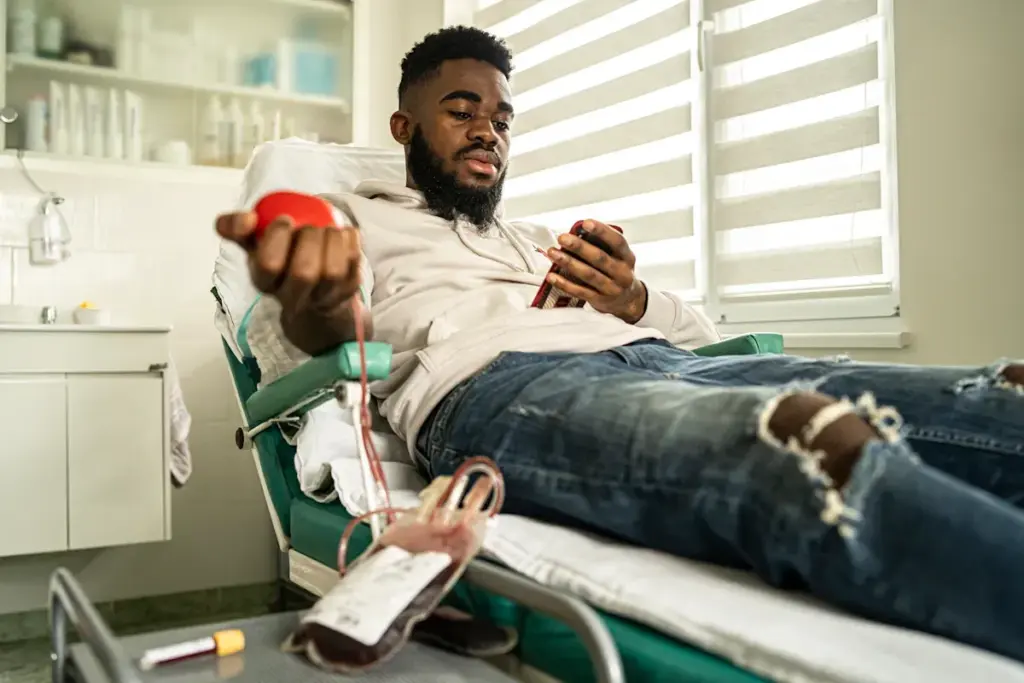
Sickle cell anemia is a complex condition. It affects how the body makes hemoglobin, a key protein in red blood cells. Hemoglobin carries oxygen to all parts of the body.
The Science Behind Sickle Cell Disease
Sickle cell disease comes from a gene mutation. This mutation changes the beta-globin subunit of hemoglobin. It leads to sickle hemoglobin, or HbS.
Having HbS makes red blood cells sickle shape in low oxygen. These sickled cells break down easily and can block blood vessels. This causes many health problems.
How Sickle Cell Affects the Body
Sickle cell disease impacts the body in many ways. Sickled red blood cells can cause pain crises by blocking blood flow. This can damage organs like the spleen, kidneys, and heart.
People with sickle cell disease also face higher risks of infections. This is because their spleen doesn’t work right. They can also get stroke, acute chest syndrome, and priapism.
Common Symptoms and Complications
Symptoms of sickle cell disease vary but often include pain, anemia, swelling, and frequent infections. Complications can be severe:
|
Complication |
Description |
|---|---|
|
Stroke |
Occurs when sickled red blood cells obstruct blood vessels in the brain. |
|
Acute Chest Syndrome |
A condition characterized by chest pain, cough, and difficulty breathing, often requiring hospitalization. |
|
Splenic Sequestration |
A life-threatening condition where sickled red blood cells accumulate in the spleen. |
Knowing about sickle cell disease helps manage it better. It improves life quality for those affected.
The Genetic Basis of Sickle Cell Anemia

Understanding sickle cell anemia’s genetic roots is key to knowing how it’s passed down and managed. It’s caused by a mutation in the HBB gene, which codes for a part of hemoglobin. This mutation results in abnormal hemoglobin, known as sickle hemoglobin or HbS.
Inheritance Patterns of Sickle Cell Trait
Sickle cell anemia follows an autosomal recessive pattern. This means a person needs two defective HBB genes, one from each parent, to have the disease. Those with one mutated gene are carriers of the sickle cell trait.
If both parents are carriers, there’s a 25% chance their child will have sickle cell anemia. There’s also a 50% chance the child will be a carrier like their parents. And a 25% chance the child won’t have the disease or be a carrier.
Carrier Status vs. Active Disease
Being a carrier of the sickle cell trait is different from having the disease. Carriers usually don’t show the disease’s full symptoms but can pass the mutated gene to their kids. In some cases, like high altitudes or intense exercise, carriers might experience some symptoms.
People with sickle cell anemia, though, face recurring pain, infections, and other issues due to their red blood cells’ abnormal sickling.
Genetic Testing for Sickle Cell
Genetic testing can spot carriers of the sickle cell trait or those with the disease. This info is key for family planning, helping couples understand their risk of having a child with sickle cell anemia.
|
Genotype |
Phenotype |
Risk of Passing to Offspring |
|---|---|---|
|
Normal (AA) |
No sickle cell disease |
0% |
|
Carrier (AS) |
Carrier of sickle cell trait |
50% chance of passing the trait |
|
Sickle Cell Anemia (SS) |
Sickle cell disease |
100% chance of passing the trait |
Genetic counseling and testing are vital for those with sickle cell anemia. Knowing their genetic status helps individuals make informed health and family planning decisions.
Prevalence of Sickle Cell Anemia Worldwide
Sickle cell anemia spreads globally due to genetics and environment. It’s a big health problem in many places, mainly where malaria used to be common.
Global Distribution of Sickle Cell Disease
Sickle cell disease is common in people from Africa, the Caribbean, the Middle East, India, and the Mediterranean. In some African countries, about 2% of babies are born with it.
Sickle Cell in the United States
In the US, sickle cell disease affects about 100,000 people, mostly African Americans. But it’s also found in other groups due to changing demographics.
|
Ethnic Group |
Prevalence of Sickle Cell Trait |
Prevalence of Sickle Cell Disease |
|---|---|---|
|
African American |
8-10% |
1 in 500 |
|
Hispanic/Latino |
2-3% |
1 in 1,000-2,000 |
|
Middle Eastern |
Variable |
Variable |
The Evolutionary Protection Against Malaria
The sickle cell trait helps protect against malaria. This is why it’s more common in malaria areas. It’s a natural selection that happened over time.
Key Points:
- Sickle cell disease is prevalent globally, mainly in malaria areas.
- It affects many ethnic groups, with high rates in sub-Saharan Africa.
- In the US, it mostly hits African Americans but is also found in others.
Can White People Get Sickle Cell? Addressing Common Misconceptions
Sickle cell anemia is not just found in certain races. It’s caused by complex genetic factors that affect everyone, not just one race.
Genetic Factors Beyond Race
Sickle cell anemia comes from a mutation in the HBB gene. This mutation can happen to anyone, no matter their race. The sickle cell trait (SCT) is linked to areas where malaria was common. It offers some protection against malaria. But, the mutation is not only found in these areas.
Key genetic factors to consider:
- The HBB gene mutation can be inherited from either parent.
- Individuals with one copy of the mutated gene have the sickle cell trait.
- Those with two copies (one from each parent) are likely to have sickle cell disease.
Prevalence in Different Ethnic Groups
Sickle cell disease is most common in people of African, Caribbean, and Middle Eastern descent. But, it also affects others, like those of Mediterranean, Indian, and Latin American ancestry.
Prevalence rates vary significantly across different populations:
- In the United States, sickle cell disease affects approximately 1 in 500 African Americans.
- In some parts of Saudi Arabia, the prevalence can be as high as 1 in 200.
- In Europe, the disease is less common but present, mainly in immigrant populations from high-prevalence regions.
Documented Cases in Caucasian Populations
While rare, sickle cell disease does occur among Caucasians.” — It’s found in individuals of European descent, often linked to family histories from high-risk areas.
“Sickle cell disease can occur in any ethnic group, and its presence in Caucasian individuals, though less frequent, highlights the need for genetic screening beyond traditional high-risk populations.”Hematologist
It’s important to know sickle cell anemia isn’t limited to certain races. Healthcare providers should consider it in their diagnosis, regardless of a patient’s background.
Larenz Tate: Actor and National Spokesman for Sickle Cell Awareness
Larenz Tate has a personal connection to sickle cell. He uses his fame to spread awareness. He aims to educate people about this misunderstood disease.
Personal Connection to Sickle Cell
Larenz Tate knows sickle cell well. He saw its effects on family and friends. This personal experience fuels his advocacy.
Advocacy Work and Impact
Tate does more than just raise awareness. He supports those with sickle cell anemia. His work improves their lives.
His efforts have a big impact. He uses his fame to reach more people. This helps understand sickle cell better and fights stigma.
Raising Public Awareness Through Celebrity Status
Larenz Tate’s fame helps him reach many. He talks about sickle cell anemia openly. This makes it easier to talk about and get support for.
|
Year |
Event |
Impact |
|---|---|---|
|
2010 |
Larenz Tate becomes national spokesman for sickle cell awareness |
Increased public awareness through celebrity endorsement |
|
2015 |
Initiated a campaign to support sickle cell research |
Funded several research projects focused on new treatments |
|
2020 |
Partnered with healthcare organizations to provide support services |
Improved access to healthcare for individuals with sickle cell anemia |
Larenz Tate’s work shows the power of personal experience and fame. He makes a big difference in the lives of those with sickle cell.
Tionne ‘T-Boz’ Watkins: TLC Star’s Journey with Sickle Cell Anemia
Tionne ‘T-Boz’ Watkins, a famous member of TLC, has talked openly about her sickle cell anemia. As a well-known singer, she has used her fame to spread the word about this genetic disorder.
Diagnosis and Its Impact on Her Career
T-Boz was diagnosed with sickle cell anemia, a condition that affects red blood cells. This diagnosis greatly affected her career, causing health issues like severe pain and other complications.
Despite these health problems, T-Boz kept pursuing her love for music. She used her experiences to inspire her creativity and connect with her fans.
Advocacy Through the Sickle Cell Disease Association of America
T-Boz has worked closely with the Sickle Cell Disease Association of America. She has been a strong advocate, raising awareness and support for those with sickle cell anemia. Her efforts have brought attention to the condition and the need for more research and support.
Music as a Tool for Raising Awareness
Through her music, T-Boz has shared her story, educating fans about sickle cell anemia. This has helped reduce stigma around the condition and encouraged others to share their experiences.
T-Boz has made a big difference by combining her talent, personal experience, and advocacy. Her journey reminds us of the importance of support and understanding for those with sickle cell anemia.
Prodigy of Mobb Deep: A Life Defined by Talent and Health Struggles
Prodigy, a famous rapper from Mobb Deep, lived a life filled with music talent and health battles. Born Albert Johnson, he showed incredible strength despite his sickle cell anemia.
Living with Sickle Cell from Infancy
Prodigy was diagnosed with sickle cell anemia as a baby. This genetic disorder made his life tough, but he never gave up on music. Sickle cell anemia affects hemoglobin, causing red blood cells to break down.
Impact on His Music and Career
Despite sickle cell anemia, Prodigy’s music career soared with Mobb Deep. Their albums were hits, with Prodigy’s lyrics showing his life, including health battles. His songs were a way to share his pain and strength.
The table below shows some key parts of Prodigy’s career and how sickle cell anemia affected his work:
|
Album |
Year |
Notable Tracks |
Impact of Sickle Cell |
|---|---|---|---|
|
The Infamous |
1995 |
“Shook Ones Pt. II” |
Lyrical themes reflecting street life and personal struggle |
|
Helmets Deep |
2011 (posthumous) |
“G.O.D.” |
Reflections on mortality and life challenges |
His Legacy in Sickle Cell Awareness
Prodigy’s impact goes beyond his music to raising awareness about sickle cell anemia. As someone living with the condition, he brought attention to its challenges. His story has encouraged others to share their experiences and seek help.
Prodigy’s legacy inspires both in the hip-hop world and among those with sickle cell disease. His life and music continue to motivate and educate.
Miles Davis: Jazz Legend’s Lesser-Known Health Battle
Miles Davis faced sickle cell anemia, a lesser-known challenge, during his jazz career. His health issues often took a backseat to his music. Yet, his battle with sickle cell anemia adds depth to his life and work.
Impact on His Music Career
Miles Davis’s sickle cell anemia significantly impacted his music career. The condition caused him chronic pain and fatigue. This sometimes made it hard for him to perform.
Despite these challenges, Davis kept innovating in jazz music. His health issues sometimes influenced his creative process. For example, during intense pain, he might focus more on composition than performance.
Managing the Condition While Performing
Managing sickle cell anemia was a big challenge for Davis. He had to balance his health needs with his demanding schedule. This required careful planning and medical support.
Davis managed his condition through a mix of medical treatment and lifestyle adjustments. He worked closely with his healthcare providers. This allowed him to perform at his best.
Public Recognition of His Health Challenges
The public didn’t fully understand Miles Davis’s health challenges during his lifetime. Sickle cell anemia wasn’t widely discussed back then. But as awareness grew, so did the appreciation for Davis’s resilience.
There’s been a big increase in awareness and discussion about sickle cell anemia. This is thanks to famous individuals like Miles Davis.
|
Year |
Public Awareness |
Media Coverage |
|---|---|---|
|
1950s |
Low |
Rare |
|
1980s |
Moderate |
Occasional |
|
2020s |
High |
Frequent |
Davis’s legacy inspires jazz fans and those with sickle cell anemia. His story shows the importance of awareness and support for those with this condition.
Athletes with Sickle Cell: Tiki Barber and Santonio Holmes
Tiki Barber and Santonio Holmes are well-known athletes who have fought for sickle cell disease awareness. They share their personal stories to help others understand this condition.
Challenges Faced by Professional Athletes
Athletes with sickle cell anemia face special challenges. They must manage their condition while staying in top shape. The demands of sports can make symptoms worse, like pain and tiredness. It’s key for them to find ways to manage these issues.
Tiki Barber, a former NFL player, talked about his sickle cell trait during his career. His story shows how important medical care and awareness are for athletes with sickle cell.
Barber’s Public Education Campaigns
Tiki Barber has worked hard to educate people about sickle cell anemia. He wants to teach the public about the condition, its genetic aspects, and the need for testing. His efforts have made sickle cell anemia less mysterious and encouraged more people to learn about it.
- Educating the public about sickle cell anemia and its implications
- Promoting genetic testing and awareness
- Supporting research and funding for sickle cell disease
Holmes’ Advocacy for His Son and Others
Santonio Holmes, another NFL player, has been a strong advocate for sickle cell awareness. His son’s diagnosis has driven his efforts to raise awareness and support research for sickle cell disease.
“As a father, you want to protect your child from everything, but when your child is diagnosed with sickle cell, you realize there’s more to it. You want to be part of the solution.” – Santonio Holmes
Holmes’ work highlights the importance of family support and how public figures can help bring attention to health issues.
Paul Williams of The Temptations: Music and Health Advocacy
Paul Williams, a legendary member of The Temptations, left a lasting impact on music. He lived with sickle cell anemia but didn’t let it stop him. As a founding member, Williams helped shape the group’s sound and success.
Career Highlights with The Temptations
Williams was a talented vocalist and skilled choreographer. He contributed greatly to The Temptations’ performances. His work includes hits like “Ain’t Too Proud to Beg” and “My Girl.”
His charisma and stage presence were key to the group’s success in the 1960s and early 1970s.
Key Contributions:
- Vocalist and choreographer for The Temptations
- Featured in hit songs like “Ain’t Too Proud to Beg” and “My Girl”
- Integral to the group’s stage presence and choreography
Living with Sickle Cell Anemia
Williams struggled with sickle cell anemia, a genetic disorder. Despite this, he continued to perform and record with The Temptations.
“Sickle cell anemia is a constant battle,” Williams once said. He showed great resilience in managing the condition while pursuing his music career.
|
Year |
Event |
Impact on Career |
|---|---|---|
|
1964 |
Joined The Temptations |
Established as a key member |
|
1968 |
Left The Temptations due to health issues |
Temporary departure, later returned |
|
1971 |
Final departure from The Temptations |
Pursued solo career |
Legacy in Music and Health Awareness
Paul Williams’s legacy goes beyond his work with The Temptations. His battle with sickle cell anemia raised awareness. His impact on music and health advocacy continues to be felt.
His story teaches us about resilience and the need for sickle cell anemia research. Williams’s journey shows how one can achieve greatness despite a chronic condition.
Celebrity Impact on Sickle Cell Research and Funding
Celebrities have played a big role in raising awareness about sickle cell disease. This condition affects millions of people worldwide. They not only bring attention to the issue but also help fund research and support initiatives to fight the disease.
Foundations and Organizations Founded by Celebrities
Many celebrities have started foundations or supported organizations focused on sickle cell disease. For example, Larenz Tate has been a strong advocate for sickle cell awareness and research. to help combat sickle cell shows their significant influence.
These foundations provide financial support for research, help patients, and educate people. They help fill the gap between the need for research and the funds available.
Fundraising Events and Campaigns
Celebrities lead in organizing and participating in fundraising events and campaigns. These include charity runs, galas, and social media campaigns. Their goal is to raise money and educate people about sickle cell disease.
Tionne ‘T-Boz’ Watkins, of TLC, has been actively involved in raising awareness and funds for sickle cell research. Her personal experience with the disease adds authenticity to her advocacy.
Measurable Impacts on Research Advancement
Celebrity involvement in sickle cell research and funding has real effects. The money raised supports critical research, leading to better understanding and management of the disease.
To show the impact, let’s look at some key statistics:
|
Year |
Funds Raised |
Research Outcomes |
|---|---|---|
|
2018 |
$1 million |
New clinical trial initiated |
|
2020 |
$2 million |
Development of new treatment protocol |
|
2022 |
$5 million |
Breakthrough in gene therapy research |
The table shows how celebrity fundraising has led to major research advancements. The collaboration between celebrities, researchers, and healthcare professionals is key in fighting sickle cell disease.
Living with Sickle Cell: Treatment Advances and Management
Managing sickle cell anemia needs a full plan. We’ll look at the latest treatments and research. We’ll also cover holistic strategies for managing the condition.
Current Medical Approaches
Doctors use many treatments to help sickle cell patients. Hydroxyurea can lessen pain crises and blood transfusions. Blood transfusions increase normal red blood cells, reducing risks.
Pain management is key. It includes medicines and ways to handle pain. Treatment plans are now more personal, focusing on each patient’s needs.
Promising Research and Clinical Trials
Research on sickle cell is promising. Gene therapy could fix the disease’s genetic issue. Clinical trials are testing gene therapies for safety and effectiveness.
New medicines are being developed to reduce crisis severity. Understanding the disease better could lead to better care.
Holistic Management Strategies
Holistic care is important for sickle cell patients. It includes diet, stress management, and exercise. Nutritional counseling ensures patients get needed nutrients.
Specialized Care Centers
Specialized centers offer full care for sickle cell patients. They have teams of experts in managing the disease. These centers provide the latest treatments and support for patients and families.
|
Management Strategy |
Description |
Benefits |
|---|---|---|
|
Hydroxyurea Therapy |
Medication to reduce frequency of painful crises |
Reduces pain episodes, may reduce need for blood transfusions |
|
Blood Transfusions |
Increasing normal red blood cells to reduce complications |
Reduces risk of stroke and other complications |
|
Pain Management |
Use of pain relief medications and coping strategies |
Improves quality of life, reduces pain |
Conclusion: Celebrity Voices Amplifying Awareness and Hope
Celebrities with sickle cell anemia are shining beacons of hope. They share their personal stories to raise sickle cell awareness. This helps support research and improves lives of those with the disease.
The celebrity voices we’ve talked about have used their platforms well. They educate the public and highlight the challenges of sickle cell anemia. Their advocacy promotes understanding and empathy.
Their work is key as we move forward in treating sickle cell anemia. They inspire hope for sickle cell patients and their families. They show that with support and resources, a fulfilling life is possible.
By raising awareness and supporting research, we can create a better future. We aim for a future where sickle cell anemia is well understood and managed. This will bring hope to those who need it most.
FAQ
Do white people get sickle cell anemia?
Yes, white people can get sickle cell anemia. It’s not just found in certain races. It can affect anyone.
Is sickle cell anemia only found in black people?
No, it’s not just black people who have it. It’s also common in people from the Mediterranean, Middle East, and India.
Can a white person have sickle cell trait?
Yes, a white person can have sickle cell trait. This happens if they get one sickle cell gene from a parent.
How is sickle cell anemia inherited?
It’s inherited in a special way. A person needs two sickle cell genes, one from each parent, to have the disease.
What are the symptoms of sickle cell anemia?
Symptoms include pain episodes, anemia, and infections. Swelling in hands and feet can also happen. Other issues include stroke, vision problems, and poor growth.
Can sickle cell anemia be cured?
The only cure is a bone marrow transplant. But, it’s not safe for everyone. Finding a compatible donor is hard.
How is sickle cell anemia treated?
Treatment focuses on managing symptoms and preventing infections. It includes medicines, blood transfusions, and lifestyle changes.
Are there any famous people with sickle cell anemia?
Yes, many celebrities have talked about their struggles. Tionne ‘T-Boz’ Watkins and Prodigy are examples. They help raise awareness.
How do celebrities contribute to sickle cell awareness?
Celebrities use their fame to educate people. They help reduce stigma and support research and funding.
What is the role of genetic testing in sickle cell anemia?
Genetic testing can show who carries the sickle cell gene. This helps people plan their families and understand the risks.
Is sickle cell anemia more common in certain parts of the world?
Yes, it’s more common in areas where malaria was common. This includes parts of Africa, the Mediterranean, and the Middle East. The sickle cell trait helps protect against malaria.
Can people with sickle cell anemia lead normal lives?
Yes, with the right care, many people with sickle cell anemia can live active lives. They just need to be careful to avoid complications.
References
- Ebony. 7 Black Stars Who Suffer From Sickle Cell Anemia. https://www.ebony.com/7-black-stars-whove-suffered-from-sickle-cell-anemia/
- MadameNoire. Celebrities With Sickle Cell Disease. https://madamenoire.com/469093/celebrities-with-sickle-cell-disease/
- Atlanta Black Star. 7 Black Celebrities You May Not Know Have Sickle Cell Anemia. https://atlantablackstar.com/2014/10/20/black-celebrities-you-may-not-know-have-sickle-cell-anemia/
- Culturs Magazine. Celebrities Use Fame to Combat Sickle Cell Disease. https://www.cultursmag.com/celebrities-use-fame-to-combat-sickle-cell-disease/
- Centers for Disease Control and Prevention (CDC). Sickle Cell Disease Data and Statistics. https://www.cdc.gov/ncbddd/sicklecell/data.html