
Hepatitis B is a serious liver disease caused by the hepatitis B virus (HBV). Many people wonder if everyday contact with someone who has hepatitis B could lead to infection. We often get asked if hepatitis B can be transmitted through saliva or urine. According to the World Health Organization, hepatitis B is mainly spread through blood, semen, and other body fluids.
While HBV can be detected in saliva, the risk of getting infected through saliva is low. But, getting hepatitis B from urine is very unlikely. There’s no proof that HBV can spread through urine.
Key Takeaways
- Hepatitis B is mainly spread through blood, semen, and other body fluids.
- The risk of hepatitis B transmission through saliva is considered low.
- Transmission through urine is highly unlikely.
- Hepatitis B is a vaccine-preventable liver infection.
- The hepatitis B vaccine offers nearly 100% protection against the virus.
Understanding Hepatitis B Virus and Its Impact
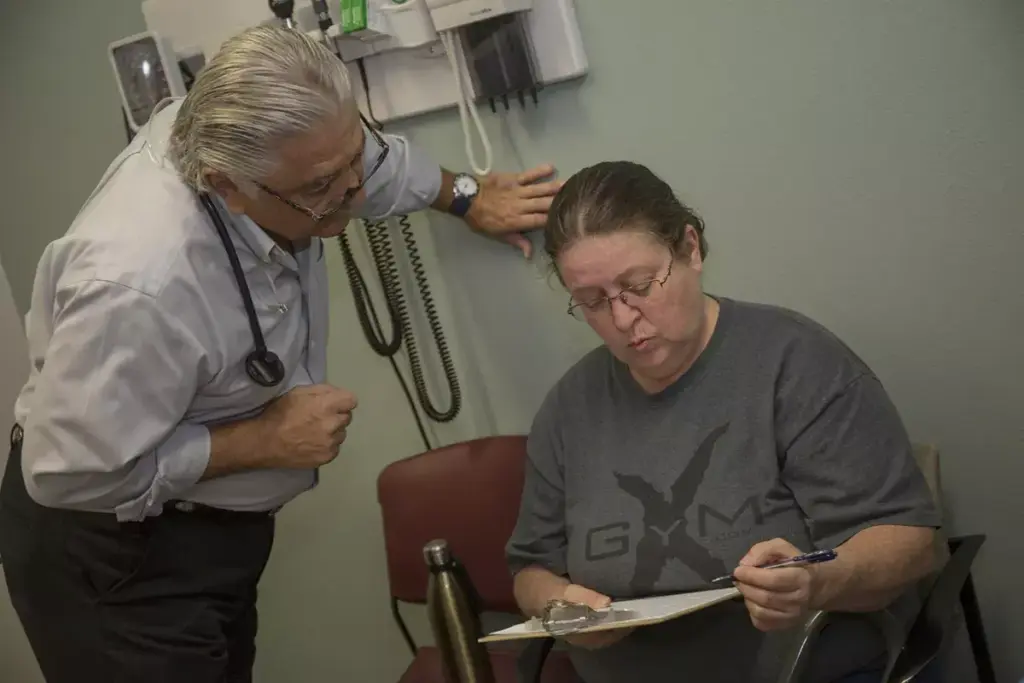
Hepatitis B virus is a big threat to health worldwide. It attacks the liver and can cause serious diseases. Knowing how it spreads is key to staying safe.
What Is Hepatitis B and How Serious Is It?
Hepatitis B can lead to chronic infection and increase the risk of liver damage and cancer. The World Health Organization says over 290 million people live with chronic hepatitis B. Chronic hepatitis B can cause severe liver damage over time, making it a significant concern for those infected.
Many people with hepatitis B don’t show symptoms. This makes it hard to diagnose and treat. It’s also why many people don’t know they have it, which can spread the virus.
Primary Transmission Routes for HBV
Hepatitis B is often passed from mother to child at birth. It can also spread through blood or body fluids during sex, unsafe injections, or sharp objects. Knowing how it spreads helps us prevent it.
| Transmission Route | Description | Prevention Measures |
| Mother-to-Child | Transmission from an infected mother to her baby during birth. | Administering hepatitis B vaccine and hepatitis B immune globulin to newborns. |
| Sexual Contact | Transmission through sexual contact with an infected partner. | Using condoms, practicing safe sex, and vaccinating against hepatitis B. |
| Blood Contact | Transmission through contact with infected blood via unsafe injections or sharp instruments. | Using sterile equipment for injections, avoiding sharing needles, and ensuring proper disposal of sharp instruments. |
By knowing how hepatitis B spreads and taking steps to prevent it, we can fight its spread. Vaccination is key, helping prevent it from passing from mother to child at birth.
Can You Catch Hepatitis from Urine?
Many people think you can catch hepatitis B from urine. This is because the virus can be found in different bodily fluids. But just because a virus is present, it doesn’t mean it can spread.
Detection of HBV in Urine Samples
Studies have found HBV antigens in urine after it’s concentrated. This means urine might be a source of HBV. But finding viral antigens in urine doesn’t mean it’s infectious. Researchers have looked into how likely it is for HBV in urine to spread the virus.
Scientific Evidence Against Urine Transmission
Even though HBV antigens are found in urine, science shows urine can’t spread hepatitis B. Research says HBV in urine isn’t infectious. The virus’s structure and urine’s components make it unable to infect. Also, studies haven’t found a strong link between urine contact and HBV spread.
Common Misconceptions About Urine Exposure
Some think touching urine can give you hepatitis B. This belief comes from not knowing how HBV spreads. HBV mainly spreads through blood, sex, and from mother to child at birth. Urine is not a high-risk fluid for HBV transmission. Knowing how HBV really spreads helps us worry less and take better steps to prevent it.
By understanding how urine affects hepatitis B, we can focus on real risks. This helps us create better public health plans. Teaching people about HBV and its real risks can also help reduce stigma.
Hepatitis B Transmission Through Saliva: Facts and Myths
The role of saliva in hepatitis B transmission has sparked interest. We need to look at the facts and myths. While HBV can be found in saliva, the risk of getting it from saliva is complex.
Presence of HBV in Saliva
Studies show HBV can be in the saliva of infected people. But, just because it’s there doesn’t mean you’ll get it. Researchers have looked at how much HBV is in saliva and if it can cause infection.
They found HBV in saliva, but the amount is usually very low compared to blood. This means the chance of getting it from saliva is very small.
When Saliva Might Pose a Risk
Even though the risk is low, there are times when saliva could be a risk. For example, if there’s blood in the saliva, the risk might go up. This is because blood has more virus than saliva.
- Presence of blood in saliva
- Open wounds or cuts in the mouth
- Sharing needles or other equipment that may have come into contact with infected blood
In these cases, the risk isn’t just from saliva. It’s because of the blood, which is better at spreading the virus.
Safety of Everyday Activities
For most people, everyday activities like kissing or sharing utensils are safe. The chance of getting HBV from these activities is very low.
| Activity | Risk Level |
| Casual kissing | Low |
| Sharing utensils | Low |
| Deep kissing with blood exchange | Theoretical risk if blood is present |
Knowing these risks can help ease worries. It helps us understand how to safely interact with people who have hepatitis B.
Conclusion: Protecting Yourself from Hepatitis B
It’s important to know how hepatitis B spreads to stop it. We’ve looked at the main ways it’s passed on and cleared up myths about saliva and urine.
Hepatitis B virus (HBV) can be found in saliva, but it’s not a big risk. But, it’s almost impossible to get it from urine. To stay safe from hepatitis B, knowing how it spreads and taking steps to prevent it is key.
The best way to avoid hepatitis B is by getting vaccinated. The vaccine is a must for all babies, kids, and adults at risk. By getting vaccinated and being careful, we can lower the risk of spreading hepatitis B.
We suggest that people at risk get vaccinated and take steps to protect themselves and others. By understanding how it spreads and taking action, we can keep everyone healthier and stop HBV from spreading.
FAQ
Can hepatitis B be transmitted through saliva?
Hepatitis B virus (HBV) can be found in saliva. But, the chance of getting it from saliva is low. There are some cases where saliva might be risky, like when it has blood in it.
Is hepatitis B spread through urine?
No, hepatitis B is not spread through urine. HBV can be found in urine, but experts agree it’s not a way to get the virus.
What are the primary modes of hepatitis B transmission?
Hepatitis B mainly spreads through blood, semen, and other body fluids. It can also pass from mother to child during birth, which is common in areas where the virus is widespread.
Can you get hepatitis B from sharing food or drinks?
Sharing food or drinks doesn’t usually spread hepatitis B. But, if there’s blood in the saliva, there could be a risk.
How can you protect yourself from hepatitis B?
The best way to avoid hepatitis B is by getting vaccinated. Also, using protection during sex and not sharing needles can help lower your risk.
Can hepatitis B be transmitted through kissing?
Kissing is unlikely to spread hepatitis B, unless there’s blood in the saliva. This could happen if someone has bleeding gums during deep kissing.
Is it possible to have hepatitis B without knowing it?
Yes, you can have hepatitis B without symptoms. Many people don’t find out they have it until they get tested.
How does hepatitis B spread?
Hepatitis B spreads through blood, semen, and other body fluids. It can also pass from mother to child during birth.
References
World Health Organization. Evidence-Based Medical Guidance. Retrieved from https://www.who.int/news-room/fact-sheets/detail/hepatitis-b[6