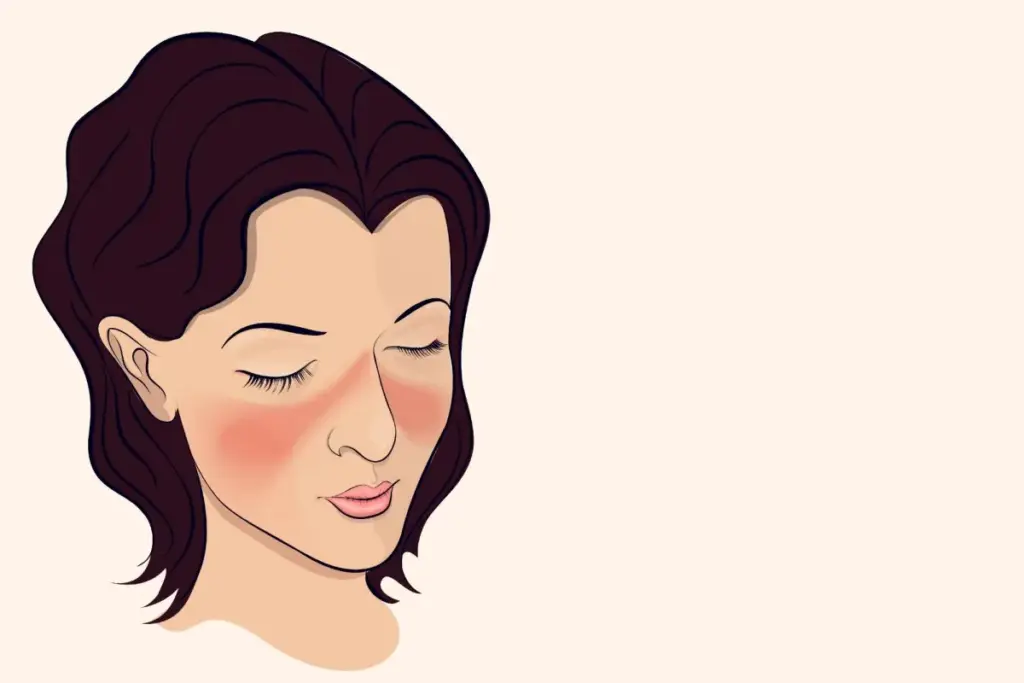
Systemic lupus erythematosus (SLE) is a chronic autoimmune disease. It can affect many parts of the body, like the skin, joints, kidneys, and more. While it’s often linked to younger people, SLE can develop at any age. This happens when the body’s immune system attacks healthy tissues, causing inflammation and symptoms.
At Liv Hospital, we know diagnosing SLE in older adults can be tough. Late-onset lupus needs a detailed look and understanding. Our focus is on our patients, ensuring older adults get the right diagnosis and care.
Key Takeaways
- SLE is a chronic autoimmune disease that can affect multiple organs.
- Lupus can develop at any age, not just in young women.
- Late-onset lupus presents unique diagnostic challenges.
- A thorough evaluation is key for a correct diagnosis.
- Liv Hospital’s patient-centered approach ensures proper care for older adults with SLE.
Understanding Systemic Lupus Erythematosus (SLE)
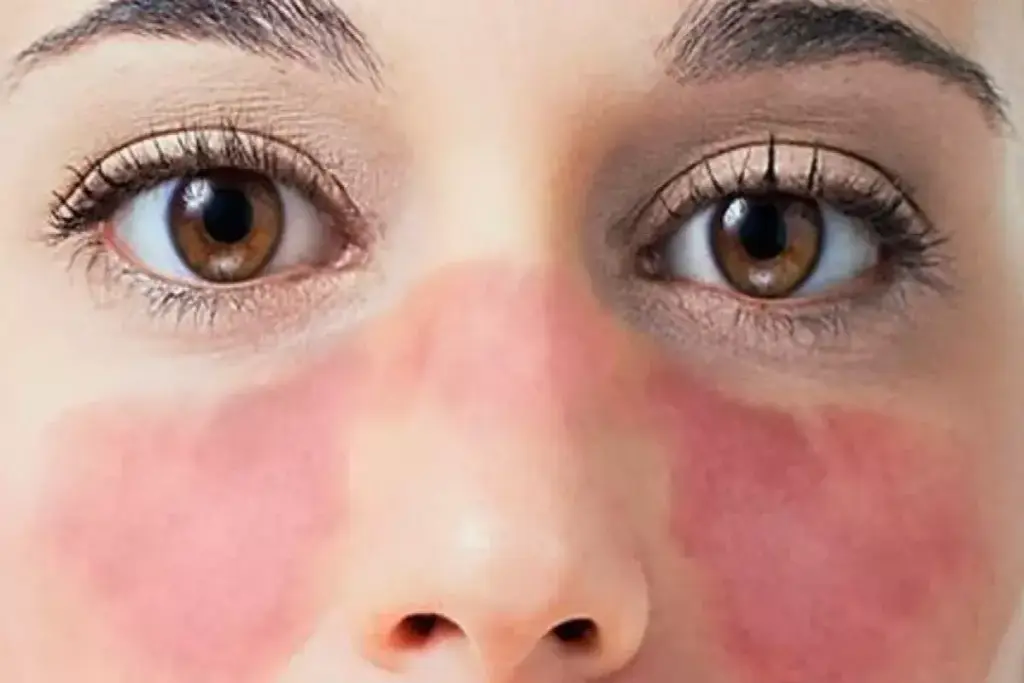
SLE is a complex autoimmune disease. It poses challenges for both patients and healthcare providers. To manage its symptoms and effects, a deep understanding is needed.
What is SLE as an Autoimmune Disease?
SLE occurs when the immune system attacks healthy tissues and organs. This leads to inflammation in different parts of the body. The skin, joints, kidneys, brain, and other organs can be affected.
The immune system’s attack causes a variety of symptoms. These can range from mild to severe. Symptoms include fatigue, fever, joint pain, and skin rashes. It’s important to recognize these symptoms early for proper diagnosis and treatment.
How SLE Affects the Body’s Tissues and Organs
SLE’s inflammation can harm multiple organs and systems. For example, it can damage the kidneys (lupus nephritis), cause skin rashes, and lead to heart problems. Knowing how SLE affects the body is key to creating an effective treatment plan.
Common Misconceptions About Lupus
Many think SLE only affects young women. While women of childbearing age are more likely to get it, anyone can be affected. Another myth is that SLE is contagious, but it’s not.
| Organ/System | Possible Effects of SLE |
| Skin | Rashes, lesions |
| Joints | Pain, swelling, arthritis |
| Kidneys | Lupus nephritis, kidney damage |
| Heart | Inflammation, cardiovascular issues |
Understanding SLE as an autoimmune disease and its effects on the body is essential. We must clear up misconceptions and recognize its diverse symptoms. This approach helps in providing effective care.
Can You Develop Lupus Later in Life?
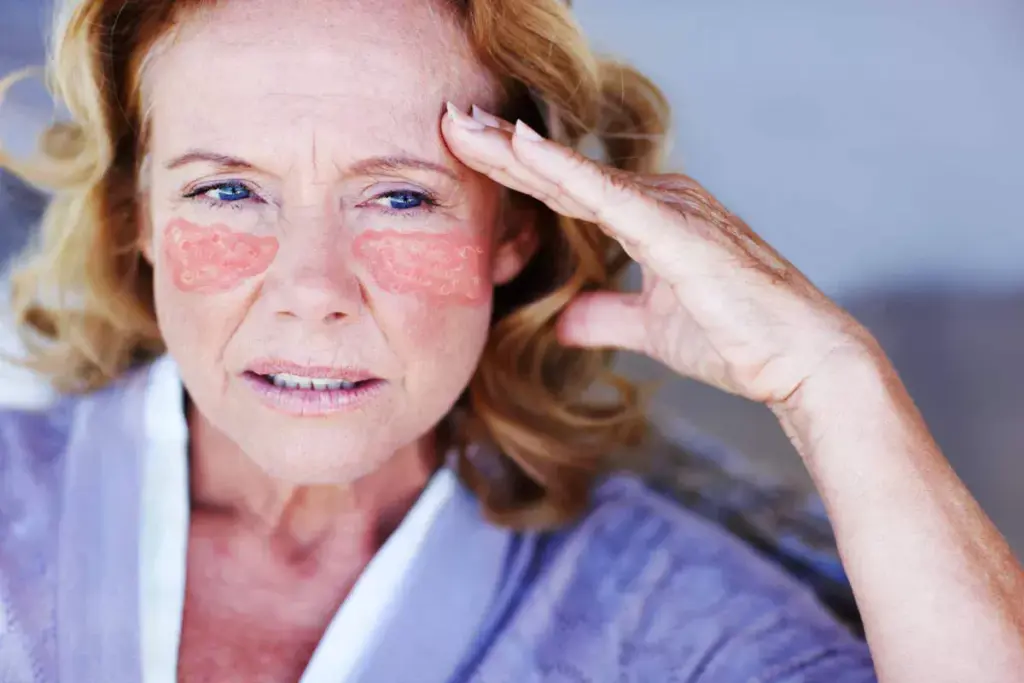
Lupus can affect people at any age, not just the young. As we get older, our bodies change in ways that can trigger autoimmune diseases like Systemic Lupus Erythematosus (SLE).
Defining Late-Onset Lupus (Age 50+)
Late-onset lupus is when SLE is diagnosed in people over 50. This is important because the disease can act differently in older adults than in the young.
Key characteristics of late-onset lupus include:
- Milder initial symptoms
- Different organ involvement compared to younger patients
- Higher risk of comorbidities due to age
Knowing these differences helps doctors diagnose and treat the disease better.
Prevalence and Statistical Insights
Research shows that 2 to 20 percent of lupus cases are in people over 50. Those diagnosed after 60 often have milder symptoms. But, they face more risks because of age and other health issues.
Some important facts include:
- Late-onset lupus is more common in women, just like SLE overall.
- Doctors need to be more aware of lupus in older adults.
- Age can make diagnosing and treating lupus more complex, needing a detailed care plan.
By understanding late-onset lupus, we can help this group of patients better and improve their health outcomes.
Clinical Characteristics of Late-Onset Lupus
It’s important to know about late-onset lupus to diagnose and manage it well. As we get older, lupus can show up differently than it does in younger people.
Symptom Presentation and Disease Progression
Late-onset lupus often starts with milder symptoms that come on slowly. Common first signs include arthritis, oral ulcers, fever, and tiredness. Spotting these symptoms early is key to good care.
The disease moves slower in older adults, making treatment easier. But, we must watch them closely for other health issues and age-related problems.
Common Manifestations: Arthritis, Oral Ulceration, Fever, and Fatigue
Late-onset lupus often shows up with:
- Arthritis, causing joint pain and stiffness
- Oral ulcers, which can hurt and make eating hard
- Fever, showing the disease is active
- Fatigue, a symptom that can really slow you down
To learn more about lupus in women over 50, check out Virtua.org. They have specific advice for this age group.
Disease Activity and Organ Involvement
Kidney problems are less common in late-onset lupus. But, other organs can get affected too. We must check how active the disease is to give the right treatment.
| Organ/System | Common Involvement in Late-Onset Lupus |
| Joints | Frequent, presenting as arthritis |
| Mucocutaneous | Oral ulcers and skin rashes |
| Renal | Less common compared to early-onset SLE |
| Constitutional | Fever and fatigue are common |
Survival Considerations and Comorbidity Challenges
Older adults with lupus face special challenges, like other health issues that make treatment harder. We need to think about these when planning treatment to help them live better and longer.
By understanding late-onset lupus, we can give better care to older adults with SLE.
Conclusion: Recognizing and Managing Lupus at Any Age
Lupus is a complex autoimmune disease that can affect anyone at any age. It presents unique challenges and characteristics. Systemic lupus erythematosus causes a wide range of symptoms, from mild to severe, and can impact various organs and tissues.
It’s important to understand that you can get lupus later in life. Late-onset lupus often presents differently than in younger individuals. While lupus is more prevalent among certain populations, such as African American, Hispanic/Latina, and Asian American women, it’s essential to recognize that lupus can occur in anyone, including white people.
By acknowledging the possibility of developing lupus at any age and being aware of its clinical characteristics, healthcare providers can diagnose and manage the disease more effectively. Timely recognition and management of lupus are vital to improving the quality of life for individuals living with this condition.
We emphasize the importance of continued research and awareness about lupus, particular in understanding the factors that contribute to its development later in life. This knowledge will help in providing better care and support for individuals affected by lupus.
FAQ
Can anyone develop lupus, regardless of age?
Yes, lupus can affect anyone, but it’s more common in women of childbearing age.
What is systemic lupus erythematosus (SLE), and how does it affect the body?
Systemic lupus erythematosus (SLE) is a chronic autoimmune disease. It can affect the skin, joints, kidneys, and other organs. It causes inflammation and damage to healthy tissues.
Is lupus a chronic illness, and what are its common symptoms?
Yes, lupus is a chronic illness. Its symptoms vary among individuals. Common symptoms include fatigue, fever, joint pain, and skin rashes.
Can lupus develop later in life, and what is considered late-onset lupus?
Yes, lupus can develop later in life. Late-onset lupus is SLE diagnosed at age 50 or older.
What are the clinical characteristics of late-onset lupus, and how do they differ from early-onset SLE?
Late-onset lupus often has milder symptoms. Symptoms include arthritis, oral ulcers, fever, and fatigue. These symptoms progress more gradually. Kidney involvement is less common than in early-onset SLE.
What causes SLE, and is it contagious?
The exact cause of SLE is unknown. It’s believed to involve genetic, environmental, and hormonal factors. It is not contagious.
Can white people get lupus, or is it more prevalent in certain ethnic groups?
Lupus can affect anyone, including white people. While some ethnic groups may be more prone to developing the disease.
How does lupus affect the quality of life and survival, particularlly in older adults?
Lupus can significantly impact quality of life and survival in older adults. This is due to comorbidities and age-related factors.
What is the prevalence of late-onset lupus among SLE cases?
Late-onset lupus makes up a significant portion of SLE cases. It ranges from 2 to 20 percent.
References:
National Center for Biotechnology Information. Evidence-Based Medical Guidance. Retrieved from https://pubmed.ncbi.nlm.nih.gov/87128/