
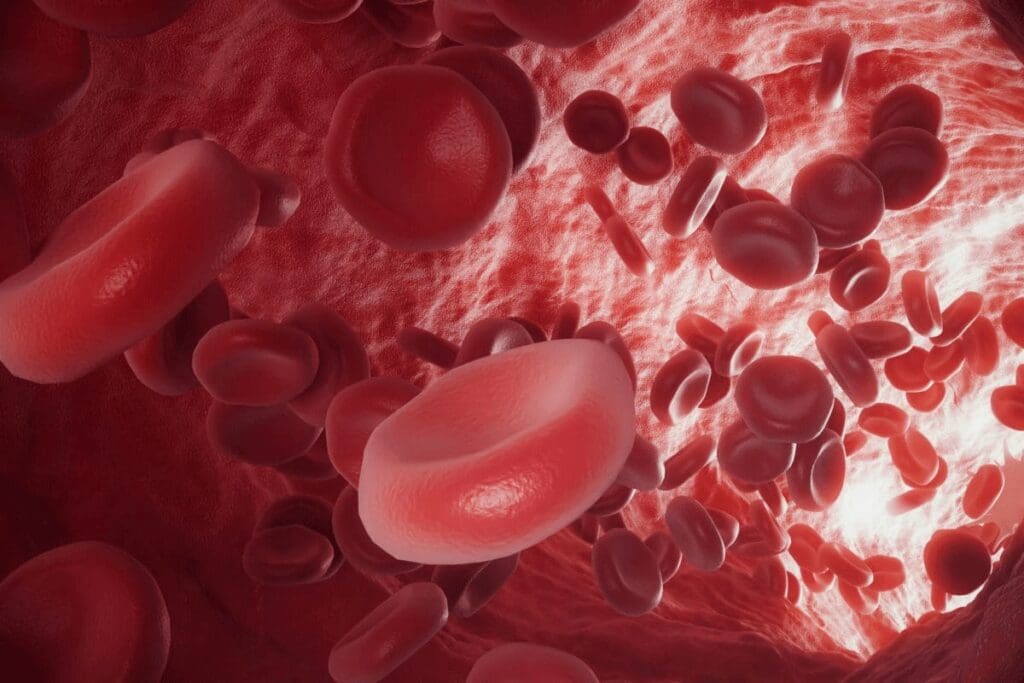
Anemia is when your body doesn’t have enough healthy red blood cells. These cells are vital for carrying oxygen to your body’s tissues. If anemia is not treated, it can become severe and even life-threatening. Many people wonder can you die from anemia, and the answer is yes, especially in severe cases or when underlying health conditions are present. It’s important to understand the risks and take steps to prevent it.
Anemia is often overlooked but can cause serious health problems, including death. In the United States, over 5,900 people die from anemia each year. At Liv Hospital, we stress the need for quick diagnosis and treatment to avoid fatal outcomes.
Knowing the causes and risks of anemia helps you protect your health. We will look at how anemia can lead to death. We will also talk about ways to prevent these risks.
Key Takeaways
- Anemia can be life-threatening if left untreated.
- Over 5,900 anemia-related deaths occur in the U.S. each year.
- Prompt diagnosis and treatment are key to managing anemia.
- Understanding anemia’s causes and risks is essential for prevention.
- Liv Hospital offers complete care for anemia patients.
Understanding Anemia: The Basics
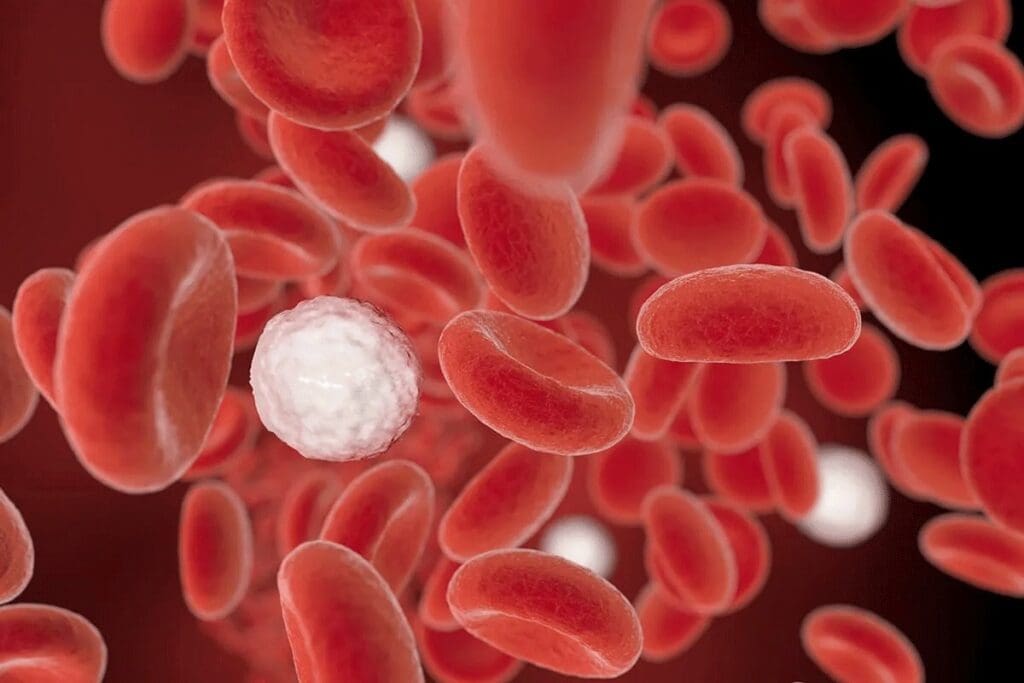
Anemia is a complex condition. It happens when the body lacks enough red blood cells or hemoglobin. Hemoglobin is a protein that carries oxygen to our body’s parts.
What is Anemia?
Anemia is not a disease but a sign of something else. It can be caused by iron or vitamin deficiency, chronic diseases, or genetic disorders. Knowing about anemia helps us find its causes and manage its effects.
“Anemia is a big public health issue worldwide, affecting all ages,” says a health expert. This shows why we need to understand and tackle anemia.
How Hemoglobin and Red Blood Cells Function
Hemoglobin is key in red blood cells for carrying oxygen. Red blood cells are made in the bone marrow and live about 120 days. Healthy red blood cells ensure our tissues and organs get the oxygen they need.
Hemoglobin’s role in oxygen transport is vital. Without enough hemoglobin, our body’s tissues may not get enough oxygen. This can lead to health problems. Low hemoglobin levels can mean anemia, which can be serious and even deadly.
Normal vs. Anemic Blood Values
Normal hemoglobin levels are 13.5 to 17.5 grams per deciliter for men and 12 to 16 grams per deciliter for women. Anemia is when these levels drop. The more severe the anemia, the higher the risk of serious health issues.
- Hemoglobin levels below 8-10 g/dL are considered moderate to severe anemia.
- Levels below 6-8 g/dL are considered severe and may require immediate medical attention.
Knowing these basics helps us spot anemia’s signs and get the right medical care. Untreated severe anemia can lead to heart problems and even death.
The Prevalence of Anemia-Related Deaths

Anemia is a big problem worldwide, causing many deaths. It affects many people, leading to a lot of deaths. We need to know more about it and find ways to stop it.
Global Statistics on Anemia Mortality
Half a billion women and 269 million kids under 6 are affected by anemia. In 2019, 30% of non-pregnant women and 37% of pregnant women had anemia. These numbers show how big a problem anemia is, mainly for women and kids.
Key global statistics include:
- Anemia affects nearly a quarter of the global population.
- Iron deficiency is the most common cause of anemia worldwide.
- Regions with poor nutrition and limited healthcare access have higher anemia prevalence.
U.S. Statistics: 5,900+ Annual Deaths
In the U.S., anemia is a big health issue. Over 5,900 people die from it every year. We need to do better to treat anemia in the U.S.
The demographics most affected by anemia in the U.S. include:
- Women of childbearing age, mainly those with heavy periods.
- People with chronic diseases that cause anemia.
- Groups with little access to good food and healthcare.
Demographics Most at Risk
Some groups are more likely to get anemia because of their age, gender, or health. Knowing who is at risk helps us target our efforts better.
High-risk demographics include:
- Pregnant women need more iron.
- Children and teens, mainly in areas with poor nutrition.
- People with long-term diseases like kidney disease or cancer.
Can U Die From Anemia? The Hard Truth
Anemia can be deadly if not treated or managed well. It happens when there are not enough red blood cells. These cells carry oxygen around our bodies. Mild cases might not be a big deal, but severe anemia can cause serious health problems, even death.
Distinguishing Between Mild and Severe Anemia
Mild anemia might not show symptoms and can be fixed with diet or supplements. But severe anemia is a different story. It can make you very tired, short of breath, and affect your thinking.
Severe anemia comes from many things, like chronic diseases or genetic disorders. For example, iron deficiency anemia can get worse if not treated. Knowing how severe anemia is and why it happens is key to the right treatment.
How Anemia Becomes Life-Threatening
Anemia becomes deadly when it stops the body from getting enough oxygen. This can cause organs to fail. Pregnant women with severe anemia face risks like preterm labor and low birth weight.
In kids, severe anemia can harm brain and motor skills, leading to disabilities. Adults might face heart problems, as their heart works harder without enough red blood cells.
Case Studies of Fatal Anemia
There are cases where anemia has led to death, often because of underlying conditions or lack of treatment. For instance, a patient with sickle cell anemia had crises that damaged organs, almost killing them.
Another case was a patient with severe iron deficiency anemia who developed heart failure from not getting enough oxygen. Quick treatment with iron and other medicines could have saved them, showing how important early action is.
We must take anemia seriously. It can be managed, but it can also be deadly if ignored. By understanding the risks and acting fast, we can avoid the deadly effects of anemia.
How Low Hemoglobin Leads to Oxygen Deprivation
When hemoglobin levels drop, the body’s tissues and organs may suffer from oxygen deprivation. Hemoglobin is a protein in red blood cells that carries oxygen from the lungs to the rest of the body. It plays a vital role in maintaining the body’s overall health by ensuring that tissues and organs receive the oxygen they need to function properly.
The Oxygen Transport System
The oxygen transport system is a complex process that involves the coordinated effort of multiple organs and systems. It begins in the lungs, where oxygen is absorbed into the blood and binds to hemoglobin in red blood cells. The oxygen-rich blood is then transported to the heart, which pumps it to the rest of the body. If there’s not enough hemoglobin, this process is impaired, leading to oxygen deprivation.
Medical experts say, “The primary function of hemoglobin is to transport oxygen from the lungs to the body’s tissues and carbon dioxide from the tissues back to the lungs.”
“Hemoglobin is essential for maintaining the balance of oxygen and carbon dioxide in the body.”
Critical Hemoglobin Thresholds
Critical hemoglobin thresholds vary among individuals, but generally, a hemoglobin level below 7 g/dL is considered severe anemia. At this level, the body’s tissues and organs may not receive enough oxygen, leading to fatigue, shortness of breath, and other symptoms.
| Hemoglobin Level (g/dL) | Severity of Anemia | Potential Symptoms |
| 12-13.9 | Normal | None |
| 10-11.9 | Mild | Mild fatigue |
| 7-9.9 | Moderate | Fatigue, shortness of breath |
| Below 7 | Severe | Severe fatigue, shortness of breath, and possible organ damage |
Organ Damage from Oxygen Deprivation
Oxygen deprivation can lead to damage in vital organs such as the heart, brain, and kidneys. Prolonged oxygen deprivation can result in heart failure, cognitive impairment, and kidney damage. It’s vital to address low hemoglobin levels promptly to prevent these complications.
In conclusion, low hemoglobin levels can lead to oxygen deprivation, which can have severe consequences on the body’s tissues and organs. Understanding the critical hemoglobin thresholds and the possible organ damage is key to managing anemia effectively.
Iron Deficiency Anemia: The Leading Deadly Form
Iron deficiency anemia is a serious condition that can be deadly. It’s not just a common nutritional disorder. We will look at why it’s so common, how it gets worse, and the harm it can do.
Why Iron Deficiency Is So Common
Iron deficiency is the most common cause of anemia. Several things make it common, including:
- Inadequate diet: Not eating enough iron-rich foods.
- Poor absorption: Some conditions make it hard for the body to absorb iron.
- Blood loss: Losing too much blood, like during menstruation or from ulcers, or from cancer.
- Increased demand: Pregnancy and breastfeeding make the body need more iron.
Progression from Mild to Severe Iron Deficiency
Iron deficiency anemia gets worse slowly. At first, the body’s iron stores are low, causing mild symptoms. These symptoms can be easy to miss.
As it gets worse, symptoms get stronger and can really affect your life.
Getting diagnosed and treated early can slow down or stop the progression. But, if not treated, it can cause serious health problems.
How Prolonged Iron Deficiency Damages Vital Organs
Long-term iron deficiency can harm important organs. Some possible problems include:
- Heart problems: The heart has to work harder without enough red blood cells, which can lead to heart failure.
- Poor pregnancy outcomes: Pregnant women with iron deficiency anemia may have preterm labor and babies with low birth weight.
- Cognitive impairment: In kids, iron deficiency can hurt brain development and function.
Knowing these risks shows why it’s key to catch and treat iron deficiency anemia early.
Warning Signs of Life-Threatening Anemia
It’s key to spot the warning signs of severe anemia early. If not treated, anemia can get worse and even be deadly.
Symptoms That Require Immediate Medical Attention
Severe anemia shows through serious symptoms that need quick medical help. These include:
- Loss of consciousness: Fainting or losing consciousness is a sign of severe anemia.
- Stroke: Anemic people are more at risk for stroke because their brains don’t get enough oxygen.
- Heart failure: Severe anemia makes the heart work too hard, leading to heart failure.
- Respiratory failure: Not enough oxygen can cause breathing problems and failure.
- Kidney failure: Long-term anemia can harm the kidneys, causing them to fail.
Differentiating Between Mild and Severe Symptoms
It’s important to tell mild from severe anemia symptoms. Mild anemia might not show symptoms, but severe anemia can be deadly.
| Symptom | Mild Anemia | Severe Anemia |
| Fatigue | Mild tiredness | Extreme exhaustion |
| Shortness of breath | Not typical | Common, even at rest |
| Dizziness | Occasional | Frequent, potentially leading to fainting |
When to Go to the Emergency Room
If you or someone you know has chest pain, severe shortness of breath, or loss of consciousness, go to the emergency room right away. These could mean anemia is life-threatening.
Acting fast when these severe symptoms show up is vital. Quick medical help can greatly improve chances and save lives.
Fatal Complications of Chronic Anemia
Chronic anemia can cause severe and life-threatening problems if not treated. We will look at the serious health risks it poses. These include its impact on the heart, vital organs, and the immune system.
Heart Failure and Cardiovascular Complications
Chronic anemia can harm the heart and cardiovascular system. The heart works harder because of the lack of red blood cells or hemoglobin. This can lead to heart failure over time.
Heart failure means the heart can’t pump enough blood. This causes fatigue, swelling, and shortness of breath. Anemia can also cause irregular heartbeats, which can be dangerous.
Organ Failure Due to Prolonged Oxygen Deprivation
Chronic anemia reduces oxygen to vital organs. Prolonged oxygen deprivation can damage these organs. Organs like the kidneys, liver, and brain are most affected.
Untreated, this can lead to organ failure. For example, the kidneys may not filter waste properly. This can cause toxins to build up in the body.
Immune System Compromise and Infection Risk
Chronic anemia weakens the immune system. A lack of red blood cells or hemoglobin makes the body more prone to infections. Fighting off infections becomes harder when the body lacks oxygen.
This can lead to more frequent and severe infections. These can be life-threatening if not managed properly. People with chronic anemia should take steps to prevent infections and seek medical help if they suspect an infection.
Deadly Genetic Anemias: Sickle Cell and Thalassemia
Genetic anemias like sickle cell disease and thalassemia are serious health threats. They can be deadly if not managed well. These conditions affect how red blood cells are made or work, causing anemia and other serious problems.
Sickle Cell Crisis and Fatal Outcomes
Sickle cell disease makes red blood cells rigid and prone to getting stuck. This can cause a sickle cell crisis, which is very painful and dangerous.
During a crisis, patients may have severe pain, swelling, and serious problems like stroke or acute chest syndrome. If not treated quickly, these crises can be fatal.
Thalassemia Major Complications
Thalassemia affects hemoglobin production, leading to severe anemia. Thalassemia major, or Cooley’s anemia, is the most severe form. It requires regular blood transfusions to manage anemia.
But frequent blood transfusions can cause iron overload. This can harm vital organs like the heart and liver. If not treated, thalassemia major can lead to serious illness and death.
Management Strategies for Genetic Anemias
Genetic anemias are serious, but there are ways to improve life quality and expectancy. For sickle cell disease, managing pain during crises and preventive measures like vaccinations are important. Sometimes, bone marrow transplantation is considered.
For thalassemia major, managing iron overload with blood transfusions and iron chelation therapy is key. New treatments like gene therapy are being explored to cure these disorders.
Early diagnosis and good care are vital to reduce risks from genetic anemias. Understanding these conditions and their complications helps us support those affected. We aim to improve their outcomes.
Aplastic Anemia and Other Rare but Deadly Forms
Many know about common anemia types, but rare ones like aplastic anemia are deadly. Aplastic anemia happens when the bone marrow can’t make blood cells. This is a serious issue that needs quick treatment. We’ll look at what causes aplastic anemia and other rare anemia types.
Understanding Bone Marrow Failure
Aplastic anemia is when the bone marrow can’t make new blood cells. It can start suddenly or slowly. Things like toxins, certain meds, viruses, and autoimmune diseases can cause it. Knowing why it happens is key to treating it.
The bone marrow is important for making blood cells. Without it, fighting infections and carrying oxygen is hard. Treatment aims to fix the bone marrow and help it work better.
Hemolytic Anemia Complications
Hemolytic anemia occurs when red blood cells are destroyed too fast. This can lead to jaundice, a big spleen, and more infections. We’ll talk about what causes these problems.
This type of anemia can come from genes, infections, some medications, and autoimmune diseases. Treatment focuses on fixing the cause and sometimes removing the spleen.
Pernicious Anemia’s Long-term Risks
Pernicious anemia is caused by not having enough vitamin B12. If not treated, it can harm nerves and the digestive system. It also raises the risk of heart disease. We’ll see why catching it early is so important.
Vitamin B12 is key to making red blood cells and keeping nerves healthy. Doctors use blood tests and sometimes bone marrow checks to find pernicious anemia. Treatment is vitamin B12 shots to fix the problem.
| Type of Anemia | Causes | Complications |
| Aplastic Anemia | Toxins, medications, viral infections, and autoimmune disorders | Severe infections, bleeding, and anemia-related complications |
| Hemolytic Anemia | Genetic disorders, infections, medications, and autoimmune disorders | Jaundice, enlarged spleen, increased infection risk |
| Pernicious Anemia | Vitamin B12 deficiency | Nerve damage, digestive issues, cardiovascular risks |
Anemia and Life Expectancy: What Research Shows
Research shows a strong link between anemia and life expectancy. It’s vital to catch anemia early and treat it. Anemia causes 1.6 deaths per 100,000 people in the U.S. each year. It’s treatable if found quickly, but some types need ongoing care.
Mortality Risk and Anemia Severity
Anemia’s severity affects how likely someone is to die. People with severe anemia face a higher risk of death than those with mild or moderate anemia. Severe anemia can cause serious health issues, like heart failure and organ damage.
Anemia’s impact on life expectancy is complex. The cause of anemia, other health issues, and treatment access all matter. These factors influence how anemia affects life expectancy.
| Anemia Severity | Mortality Risk | Life Expectancy Impact |
| Mild | Low | Minimal Impact |
| Moderate | Moderate | Reduced Life Expectancy |
| Severe | High | Significant Reduction |
Impact on Chronic Disease Outcomes
Anemia makes managing chronic diseases harder. This includes heart failure and chronic kidney disease. Anemia in these conditions can worsen outcomes, like more hospital stays and deaths.
Managing anemia is key to treating chronic diseases. By tackling anemia, doctors can help patients live longer and better.
Factors That Improve Survival Rates
Several things can help people with anemia live longer. Early diagnosis and treatment are essential. Managing other health issues and making lifestyle changes also help.
A full plan to manage anemia is important. This includes a better diet, iron supplements, and treating the root cause. These steps can lower the risk of serious problems and extend life.
Life-Saving Treatments for Severe Anemia
Severe anemia has treatments that can save lives. It can cause serious health problems, even death. But, with the right medical care, it’s possible to manage it well and help patients get better.
Emergency Interventions for Acute Anemia
For acute anemia, quick action is key to avoiding serious issues. Immediate medical attention is required to keep the patient stable and find the anemia’s cause.
Emergency treatments include:
- Oxygen therapy to boost oxygen to vital organs
- Fluid resuscitation to improve blood flow
- Blood transfusions are used to quickly raise the red blood cell count
Blood Transfusions and When They’re Necessary
Blood transfusions are key for severe anemia, mainly due to blood loss or bone marrow failure. A blood transfusion can quickly improve oxygen delivery to tissues and organs, helping to prevent further damage.
Deciding on a blood transfusion depends on several factors. These include the anemia’s severity, the patient’s health, and symptoms like shortness of breath or chest pain.
Medications and Therapies for Different Types of Anemia
There are many treatments for different anemia types. For iron deficiency anemia, iron supplements are often used. For pernicious anemia, vitamin B12 injections are needed.
In some cases, more specific treatments are required. These include:
- Erythropoiesis-stimulating agents to boost red blood cell production
- Immunosuppressive therapy for aplastic anemia
- Gene therapy for certain genetic anemias
Knowing the anemia’s cause is key to finding the best treatment. By treating the cause and using the right medical care, anemia can be managed well. This helps improve patient outcomes.
Conclusion: Taking Anemia Seriously
Understanding anemia’s risks is key to staying healthy. Anemia can be deadly if not treated properly. The question “Can u die from anemia?” is serious because severe anemia can be fatal.
Anemia is not just a minor issue; it can be deadly. Its severity and risk of death should not be ignored. But, with the right treatment, anemia can be managed and often cured.
It’s vital to see a doctor if symptoms get worse. Taking action against anemia can lower the risk of serious problems. Treatments like diet changes and supplements can help manage anemia and prevent harm.
In summary, anemia is serious but can be treated. Knowing the risks and acting early can help avoid its dangers. This way, we can improve our health and well-being.
FAQ
Can anemia lead to death?
Yes, anemia can be fatal if not treated. Severe cases can harm the heart, organs, and increase infection risks.
What are the risks of having low hemoglobin levels?
Low hemoglobin can deprive organs of oxygen. This can damage the heart, brain, and kidneys. Untreated, it can lead to serious health issues and death.
How does iron deficiency anemia progress to a life-threatening condition?
Iron deficiency anemia can worsen if untreated. It can damage vital organs, leading to heart failure and poor pregnancy outcomes.
What are the warning signs of life-threatening anemia?
Look out for severe fatigue, pale skin, and shortness of breath. Dizziness and chest pain are also warning signs. Seek medical help if you notice these symptoms.
Can genetic anemias like sickle cell disease and thalassemia be fatal?
Yes, genetic anemias can be deadly if not managed. Sickle cell crisis and thalassemia major can cause serious health issues and increase death risk.
What are the complications of chronic anemia?
Chronic anemia can cause heart failure and organ failure. It also increases infection risk due to a weakened immune system.
How does anemia affect life expectancy?
Anemia severity is linked to mortality risk. Yet, with proper treatment, survival rates can improve.
What treatments are available for severe anemia?
Treatments include blood transfusions and medications. They are tailored to the specific anemia type.
Can aplastic anemia and other rare forms of anemia be deadly?
Yes, aplastic anemia and rare forms can be deadly. They require prompt diagnosis and treatment.
How can I prevent anemia from becoming life-threatening?
Prevent anemia by eating well, getting regular check-ups, and seeking medical help for symptoms. This can prevent severe cases.
References:
- Centers for Disease Control and Prevention. (2023). Iron and iron deficiency. National Center for Health Statistics. https://www.cdc.gov/nchs/fastats/iron-deficiency.htm