

Bowel resection surgery is a big operation that removes part of the intestine. It’s needed for many intestinal problems. But, like any big surgery, it has risks, including death.Find out can you die from bowel resection surgery and what risk factors increase mortality.
The risk of dying from bowel resection surgery changes a lot. It depends on if the surgery is planned or an emergency. Planned surgeries have a death rate of 2-7%. Emergency surgeries can have a death rate up to 30%.
It’s very important for patients and their families to know these risks. The patient’s health, why they need surgery, and the surgeon’s skill all play a big part.
Key Takeaways
- Bowel resection surgery carries a mortality risk that varies between elective and emergency procedures.
- Elective bowel resection surgeries have a mortality rate of 2-7%.
- Emergency bowel resection surgeries have a significantly higher mortality rate, up to 30%.
- Patient health, surgical reason, and surgical team expertise are critical factors influencing mortality.
- Understanding the risks is essential for patients and families facing this surgery.
Understanding Bowel Resection Surgery
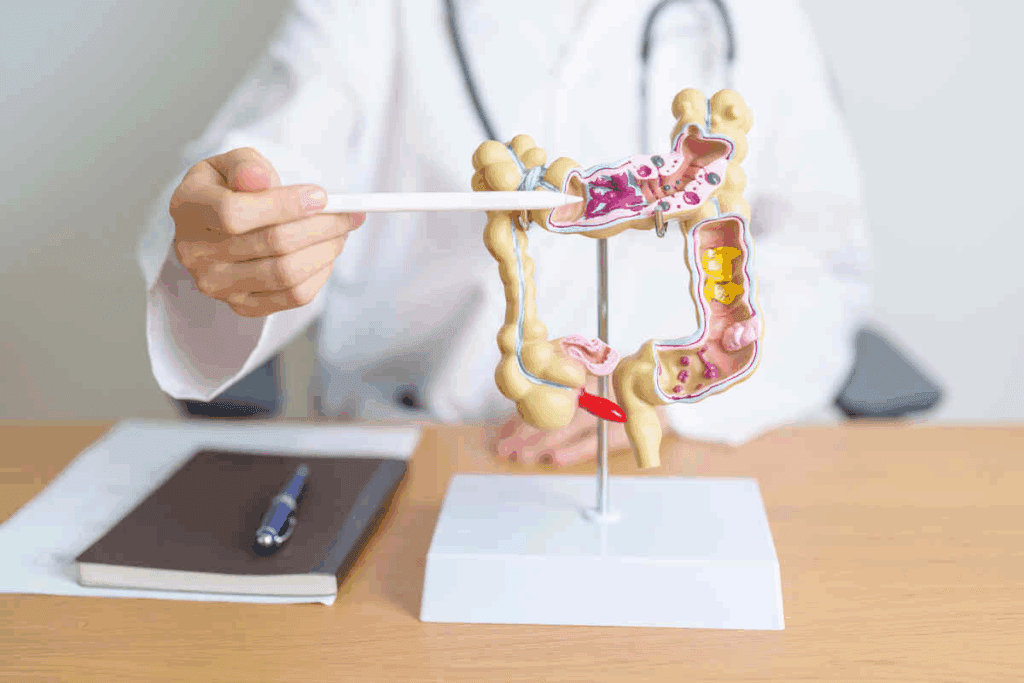
Bowel resection surgery is a serious procedure that removes a part of the intestine. It’s a key treatment for many gut problems. Knowing about bowel resection helps patients understand their options better.
Definition and Purpose of the Procedure
Bowel resection, or colon surgery, removes a damaged intestine part. Its main goal is to get rid of the bad part. This helps ease symptoms and might cure the problem. The surgeon then connects the healthy parts of the intestine.
Common Conditions Requiring Bowel Resection
Several gut issues might need bowel resection surgery. These include:
- Colon cancer
- Crohn’s disease
- Diverticulitis
- Intestinal obstruction
- Ischemic bowel disease
These conditions can be serious and even life-threatening if not treated right.
Types of Bowel Resection Procedures
There are many types of bowel resection surgeries. Each one is chosen based on the patient’s needs and their condition.
| Procedure Type | Description | Common Indications |
| Right Hemicolectomy | Removal of the right side of the colon | Colon cancer, Crohn’s disease |
| Left Hemicolectomy | Removal of the left side of the colon | Colon cancer, diverticulitis |
| Sigmoid Colectomy | Removal of the sigmoid colon | Diverticulitis, colon cancer |
| Total Colectomy | Removal of the entire colon | Ulcerative colitis, familial adenomatous polyposis |
The right procedure depends on the disease’s extent and location, and the patient’s health.
Mortality Rates: Can You Die from Bowel Resection?

The risk of death from bowel resection surgery is a concern. It’s important to look at the statistics and factors that influence these rates. This surgery removes a part of the intestine and is used to treat conditions like bowel obstruction, cancer, and inflammatory bowel disease.
Overall Mortality Statistics
Studies have shown the mortality rates for bowel resection surgery. The rate for elective procedures is between 2 to 7 percent. But, this rate goes up in emergency situations.
Elective vs. Emergency Procedures: It’s key to understand the difference between elective and emergency surgeries. Elective surgeries are planned and done under the best conditions. Emergency surgeries are unplanned and done under less ideal conditions.
Elective vs. Emergency Procedure Outcomes
Elective bowel resection surgeries have a lower mortality rate, from 2 to 7 percent. Emergency bowel resections have a much higher rate, between 15 to 30 percent. This shows how the situation of the surgery affects the outcome.
Comparison to Other Surgical Procedures
When comparing bowel resection mortality rates to other surgeries, it’s important to consider the complexity and urgency. For example, surgeries like appendectomies or cholecystectomies have lower mortality rates. This is true, even more so in emergency settings.
| Surgical Procedure | Elective Mortality Rate (%) | Emergency Mortality Rate (%) |
| Bowel Resection | 2-7 | 15-30 |
| Appendectomy | 0.1-1 | 1-5 |
| Cholecystectomy | 0.1-0.5 | 1-3 |
Knowing these mortality rates helps patients and healthcare providers make better decisions about bowel resection surgery.
Key Risk Factors Affecting Survival Rates
Knowing the risk factors for survival after bowel resection surgery is key. It helps manage patient hopes and results. Several factors make this surgery complex and its effects.
Age-Related Risks
Age is a big factor in bowel resection surgery outcomes. Older people face more risks due to less strength, health issues, and weaker immune systems. Research shows that those over 65 have higher death rates than younger patients.
Impact of Pre-existing Health Conditions
Health problems like diabetes, heart disease, and COPD can affect survival rates. These issues can make surgery harder and recovery slower. For example, diabetes can slow healing, and heart disease raises the risk of heart problems.
Emergency vs. Planned Procedures
Whether surgery is urgent or planned is also important. Emergency surgeries have higher death rates than planned ones. This is because urgent surgeries are for serious issues like blockages or tears, which can be deadly if not treated quickly.
Surgical Approach Considerations
The type of surgery, open or minimally invasive, affects survival rates. Minimally invasive surgery causes less damage, less pain, and faster recovery. But, the choice depends on the patient’s health, the surgery’s complexity, and the surgeon’s skill.
Key risk factors to consider:
- Age over 65 years
- Presence of pre-existing health conditions
- Emergency nature of the procedure
- Surgical approach used
Understanding these risks helps doctors tailor care for each patient. This can lead to better results.
High-Risk Patient Populations
It’s important to know which patients are at higher risk for bowel resection surgery. Some groups face more complications and even death due to various reasons.
Elderly Patients
Elderly patients are at a higher risk during bowel resection surgery. This is because they have less physical strength, may have other health issues, and their immune system is weaker. Their age can make the surgery and recovery harder.
Patients with Multiple Comorbidities
Those with several health problems, like diabetes or heart disease, are at a higher risk. These conditions can make the surgery and recovery more complicated.
Immunocompromised Individuals
People with weakened immune systems, such as those with HIV/AIDS or undergoing chemotherapy, are more at risk. Their bodies can’t fight off infections as well, which can lead to serious complications.
Patients with Previous Abdominal Surgeries
Those who have had surgery in their abdomen before may face extra challenges. This is because of possible adhesions and changes in their body’s anatomy from previous surgeries.
The table below highlights the main risks and things to consider for these high-risk groups:
| Patient Population | Key Risk Factors | Considerations |
| Elderly Patients | Decreased physiological reserve, comorbidities, reduced immune function | Careful preoperative assessment, optimization of comorbidities |
| Patients with Multiple Comorbidities | Complications related to comorbid conditions (e.g., diabetes, heart disease) | Multidisciplinary preoperative evaluation, tailored anesthesia and postoperative care |
| Immunocompromised Individuals | Increased susceptibility to infections, delayed healing | Prophylactic antibiotics, close monitoring for signs of infection |
| Patients with Previous Abdominal Surgeries | Adhesions, altered anatomy | Preoperative imaging, experienced surgical team |
Knowing these risks helps healthcare providers create better plans to reduce complications. This can improve the outcomes for high-risk patients having bowel resection surgery.
Common Complications That Can Lead to Death
It’s important for patients and doctors to know about the risks of bowel resection surgery. This surgery can save lives but also has serious risks. These risks include anastomotic leaks, postoperative infections, organ failure, and blood clots and cardiovascular events.
Anastomotic Leaks
Anastomotic leaks happen when the surgical connection between intestine parts breaks down. This can cause severe infection and sepsis. It can even lead to death if not treated quickly. People with malnutrition or health issues are at higher risk.
Postoperative Infections
After bowel resection surgery, infections can occur. These include infections at the surgical site and inside the abdomen. These infections can cause sepsis, organ failure, and death. Proper wound care and antibiotic use are key to preventing and treating these infections.
Organ Failure
Organ failure, like respiratory or renal failure, can happen after surgery. This is more likely in those with pre-existing conditions. Monitoring closely after surgery is vital to catch and manage organ problems early.
Blood Clots and Cardiovascular Events
Blood clots and heart problems, like pulmonary embolism or myocardial infarction, are serious risks. Using anticoagulation therapy and encouraging early movement can help lower these risks.
In summary, bowel resection surgery is complex and comes with risks. Knowing these risks and taking steps to prevent them is key. Healthcare providers must watch patients closely, and patients should follow post-surgery instructions to reduce the risk of death.
Immediate Postoperative Risks
The time right after bowel resection surgery is very important. Several complications can happen. Patients are watched closely in the postoperative care unit to handle any immediate risks.
Anesthesia-Related Complications
Problems with anesthesia can happen right after surgery. These include respiratory depression, where breathing slows down, and anaphylactic reactions to the anesthesia. It’s key for anesthesiologists to keep a close eye on patients to avoid these issues.
Hemorrhage and Bleeding
Bleeding is a big risk right after surgery. Postoperative hemorrhage can be very dangerous and needs quick action. Doctors and nurses watch for signs of bleeding, like a drop in blood pressure or a faster heart rate.
Early Infection Signs
Infections can show up early after surgery. Look out for fever, redness, or swelling at the surgery site. It’s important to catch and treat infections fast to avoid more problems.
Respiratory Complications
Respiratory issues, like pneumonia or atelectasis, can happen. These are caused by anesthesia and the surgery. Patients are encouraged to do deep breathing exercises and get up and move early to lower these risks.
It’s important for both doctors and patients to know about these risks. By understanding them, we can take steps to lessen their impact and help with a smoother recovery.
How Medical Centers Minimize Bowel Resection Mortality
Top medical centers use a detailed plan to lower bowel resection death rates. They focus on new surgical methods, careful pre-surgery checks, strict post-surgery care, and teamwork. This approach helps places like Liv Hospital cut down risks in bowel resection surgery.
Advanced Surgical Techniques
Medical centers keep improving their surgery methods to get better results. Minimally invasive surgery is now common, cutting down recovery time and lowering complication risks. Liv Hospital’s dedication to using the newest surgical methods shows how they improve patient care.
Preoperative Assessment and Preparation
Checking patients before surgery is key to spotting risks and fixing them. This includes looking at the patient’s health, managing long-term conditions, and improving nutrition. This way, medical centers can greatly improve patient results.
Postoperative Care Protocols
Good care after surgery is critical to avoid problems and lower death rates. Medical centers have strict rules for watching for infections, managing pain, and caring for wounds. These rules help patients recover well and quickly fix any problems.
Multidisciplinary Team Approach
Having a team of doctors, nurses, and other experts is vital for bowel resection patients. They work together to give full care. This teamwork ensures patients get the best treatment possible.
Patient Preparation to Reduce Mortality Risk
Getting ready for bowel resection surgery is key to lowering risks. By taking steps ahead of time, patients can greatly improve their chances of a good outcome. This helps in reducing the risk of death.
Preoperative Health Optimization
It’s important to get your health in check before surgery. This means managing conditions like diabetes, high blood pressure, and heart disease. Working with your doctor is essential to keep these conditions under control.
Nutritional optimization is also key. Good nutrition helps your body heal faster after surgery. You might be told to eat more proteins, vitamins, and minerals.
Understanding and Consenting to Risks
Knowing the risks of bowel resection surgery is vital. This includes possible complications and the risks of not having the surgery.
Patients need to be fully informed and give informed consent before surgery. This means talking about the surgery, its benefits, and risks with your surgeon.
Mental Preparation and Support Systems
Mental readiness is as important as physical. Building a support network of family, friends, and healthcare professionals is encouraged.
A strong support system can help lower stress and anxiety. This makes recovery smoother. Counseling or therapy might be suggested to deal with emotional aspects of surgery.
Nutritional Considerations
Nutrition is a big part of recovery. Eating a balanced diet rich in nutrients helps your body heal faster.
Before surgery, you might be told to follow a specific preoperative diet. This could mean avoiding some foods and eating more nutrient-rich ones.
By focusing on these areas, patients can lower their risk of complications and death from bowel resection surgery. It’s a holistic approach that covers both physical and mental preparation.
Recovery Process and Warning Signs
Knowing how to recover from bowel resection surgery is key. It helps spot problems early. The time after surgery is when you need to watch your health closely.
Normal vs. Abnormal Recovery Symptoms
After surgery, you might feel pain, tiredness, and changes in how you go to the bathroom. These are normal signs of healing. But, it’s important to know the signs of trouble.
Abnormal symptoms include really bad stomach pain, high fever, throwing up, or a lot of bleeding. Watching how your body reacts to surgery is important. If you notice anything off, tell your doctor right away.
When to Seek Emergency Care
It’s important to know when to go to the emergency room. If you have trouble breathing, chest pain, really bad stomach pain, or a fever over 101.5°F, get help fast.
- Severe abdominal pain or tenderness
- Fever above 101.5°F
- Vomiting blood or experiencing heavy bleeding
- Difficulty urinating or significant decrease in urine output
- Signs of infection at the incision site
Follow-up Care Importance
Regular check-ups with your doctor are a big part of getting better. They help track how you’re healing and catch any problems early. Talk to your doctor about any worries or symptoms you have.
Going to all your follow-up appointments is important. It helps fix any problems quickly and keeps you from getting worse.
Conclusion: Putting Bowel Resection Mortality Risks in Perspective
Bowel resection surgery is risky but can save lives. It’s important to know the risks to make informed choices.
Quality care and new surgical methods help lower these risks. Medical teams that work together and follow strict care plans can make a big difference.
Patients can also lower their risks. They can get healthy before surgery, learn about the risks, and have support. This way, patients and doctors can work together for the best results.
Even with risks, many patients find the benefits of bowel resection surgery worth it. With good care and preparation, success is more likely.
FAQ
What is bowel resection surgery?
Bowel resection surgery is a procedure where a part of the intestine is removed. This can be either the small intestine or the large intestine, also known as the colon. It’s done when the intestine is damaged or diseased.
Can you die from bowel resection surgery?
Yes, bowel resection surgery carries risks, including death. The chance of dying depends on several factors. These include the patient’s health, age, and how complex the surgery is.
What are the common complications that can lead to death after bowel resection surgery?
Serious complications that can lead to death include anastomotic leaks and postoperative infections. Other risks are organ failure and cardiovascular events.
How can patients prepare to reduce their mortality risk after bowel resection surgery?
To lower the risk of death, patients should improve their health before surgery. They should also understand the risks of the procedure. Having a strong support system and mental preparation is also important.
What are the warning signs that require immediate medical attention after bowel resection surgery?
Signs that need immediate medical help include severe abdominal pain and fever. Also, look out for vomiting and signs of infection like redness, swelling, or drainage from the surgical site.
How do medical centers minimize bowel resection mortality?
Medical centers use advanced surgical techniques and thorough preoperative assessments. They also have good postoperative care and a team approach. This helps lower mortality rates.
What is the difference in mortality rates between elective and emergency bowel resection procedures?
Elective procedures have lower mortality rates than emergency ones. This is because the patient’s condition is more stable. The surgical team also has more time to prepare.
Are there any specific patient populations that are at higher risk for complications and mortality after bowel resection surgery?
Yes, some groups are at higher risk. These include elderly patients, those with many health issues, and people with weakened immune systems. They face a higher risk of complications and death after surgery.