
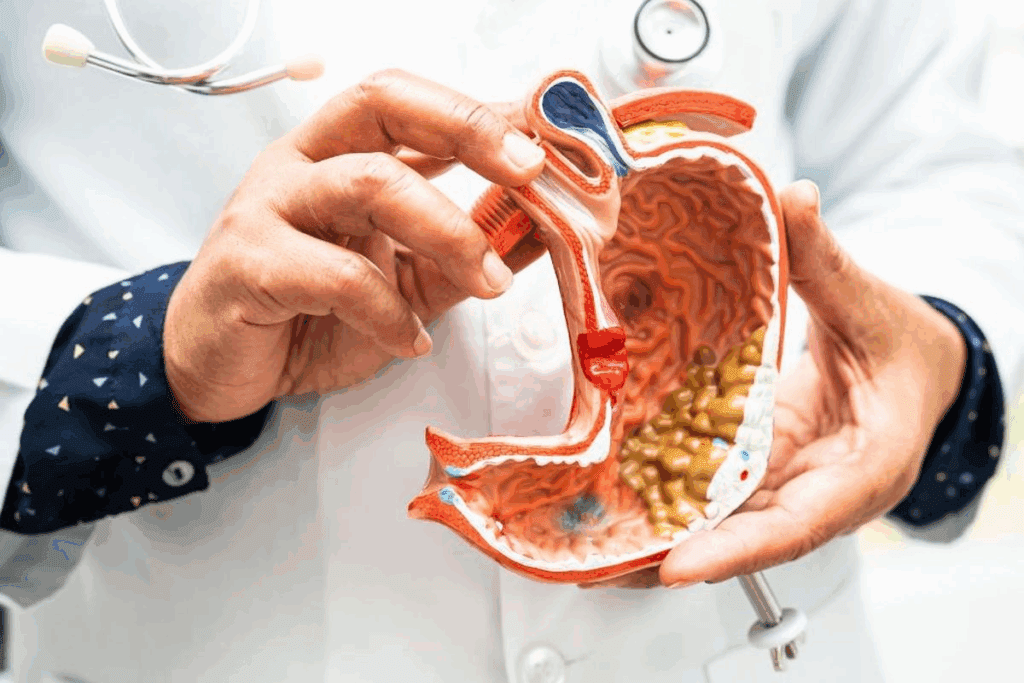
Gastric sleeve surgery is a popular choice for weight loss. But, many worry about its safety. Thinking about this surgery can be scary, mainly because of the risk of death.
Mortality rates for gastric sleeve surgery are very low. They range from 0.04% to 0.08% in the first 30 days after surgery. This shows the surgery is quite safe compared to other weight loss surgeries.
At places like Liv Hospital, patient safety is our top priority. We work hard to give our patients the best care. This has helped many people reach their weight loss goals. Statistics on the mortality rate for can you die from gastric sleeve surgery.
Key Takeaways
- Gastric sleeve surgery has a low mortality rate, between 0.04% to 0.08% within 30 days.
- The procedure is considered relatively safe compared to other bariatric surgeries.
- Reputable healthcare institutions prioritize patient safety and care.
- Low mortality rates indicate a strong safety profile for gastric sleeve surgery.
- Patient-centered care is key to successful weight loss outcomes.
Understanding Gastric Sleeve Surgery

The gastric sleeve procedure is a top choice for weight loss surgery. It’s known for being less invasive and leading to significant weight loss. We’ll explore how it works and why it’s popular in the U.S.
What Is Gastric Sleeve Surgery?
Gastric sleeve surgery, or sleeve gastrectomy, removes a big part of the stomach. This leaves a narrow “sleeve” or tube-like stomach. It’s done to help people lose weight by limiting how much food they can eat.
How the Procedure Works
In gastric sleeve surgery, about 75-80% of the stomach is removed. This creates a banana-shaped sleeve. It limits food intake, leading to weight loss. The surgery is usually done laparoscopically, with small incisions.
This method causes less damage and has fewer risks. It usually takes 1-2 hours, and most patients go home in a day or two.
Popularity as a Bariatric Procedure in the United States
Gastric sleeve surgery is popular in the U.S. for its effectiveness and low risk of complications. Its simplicity and ability to lead to significant weight loss make it appealing to many.
Procedure | Effectiveness | Complication Risk |
Gastric Sleeve | High | Low to Moderate |
Roux-en-Y Gastric Bypass | Very High | Moderate |
Gastric Banding | Moderate | Low |
Gastric sleeve surgery is a good mix of effectiveness and safety. It’s a favorite among patients and surgeons.
Current Mortality Statistics for Gastric Sleeve Surgery

It’s key for those thinking about gastric sleeve surgery to know the mortality stats. We’ll look at both short-term and long-term risks of this surgery.
30-Day Mortality Rate (0.04% to 0.08%)
The 30-day death rate for gastric sleeve surgery is between 0.04% to 0.08%. This means 40 to 80 out of 100,000 patients might not make it past the first month after surgery. This rate is quite low compared to other surgeries.
Many things affect this rate, like the patient’s health, any other health issues, and the surgeon’s skill. Talking to your doctor about these can help you understand your own risk.
Long-Term Mortality Considerations
While the 30-day rate shows immediate risks, long-term risks are also vital. Bariatric surgery, like gastric sleeve, can lower long-term death rates. It does this by helping with obesity-related diseases like diabetes and heart disease.
But, there are long-term risks like nutritional problems and surgery complications. It’s important to stick with lifelong follow-up care to avoid these.
Interpreting These Statistics for Patients
Understanding mortality stats can be tough for patients. It’s important to remember these stats are averages from big groups. They might not show your exact risk.
When thinking about gastric sleeve surgery, look at your health, the chance for big weight loss, and better health from surgery. Talking to a qualified doctor is key to making a good choice.
Can You Die from Gastric Sleeve Surgery?
Many people wonder if gastric sleeve surgery can be fatal. This surgery, like any major operation, has risks. One of these risks is death.
Understanding the Real Risks
Gastric sleeve surgery is generally safe but comes with risks. The chance of dying from this surgery is very low, between 0.04% and 0.08%. This means most patients do not face fatal complications, but there is a small risk. It’s key for patients to know these risks before making a decision.
Comparing Risk to Other Surgical Procedures
To understand the risk of gastric sleeve surgery, compare it to other surgeries. For example, gastric bypass surgery has a mortality rate of 0.06% to 0.15%. This shows gastric sleeve surgery has a lower risk compared to other bariatric surgeries. Yet, each person’s health and risk factors can change their individual risk.
“The risk of death from gastric sleeve surgery, though low, is a critical factor for patients to consider when deciding to undergo the procedure.”
Putting the 0.08% Mortality Rate in Perspective
A 0.08% mortality rate might seem small, but it’s a serious risk. It means about 8 deaths for every 10,000 surgeries. While this is lower than some surgeries, it’s a risk patients should think about carefully. Advances in surgery and care are making outcomes better and risks lower.
Talking about death risks can be tough, but it’s vital for those thinking about gastric sleeve surgery. By knowing the risks and comparing them to other surgeries, patients can make better health choices.
The Stanford University Study on Bariatric Surgery Mortality
A recent study by Stanford University has given us new insights into bariatric surgery risks. This research helps patients understand the dangers of these surgeries. It aids in making informed choices about weight loss.
Review of 270,000 Metabolic and Bariatric Surgeries
The study looked at 270,000 metabolic and bariatric surgeries. It covered many types of surgeries. This gave a wide view of mortality rates for different procedures.
With such a large number of cases, the study’s findings are reliable. It helps patients understand the risks of bariatric surgery better.
Findings on 16,000 Gastric Sleeve Procedures
The study focused on 16,000 gastric sleeve surgeries. It found a mortality rate of 0.08% for these surgeries. This is key for those thinking about gastric sleeve surgery.
As the researchers noted,
“The mortality rate for gastric sleeve procedures was found to be 0.08%, indicating a relatively low risk for this type of bariatric surgery.”
This quote highlights the study’s importance. It gives context to the mortality rate of gastric sleeve surgery.
Significance of the 0.08% Mortality Rate Finding
The 0.08% mortality rate is important. It sets a standard for comparing gastric sleeve surgery safety to other bariatric procedures. This is helpful for both patients and healthcare providers.
The study also looked at the gastric bypass mortality rate and other surgeries. This allows for a comparison of risks. Patients can then choose the best surgery for their needs.
Comparing Death Rates: Gastric Sleeve vs. Gastric Bypass
When looking at death rates, gastric sleeve and gastric bypass surgeries are compared. Gastric bypass, or Roux-en-Y gastric bypass, is another common bariatric surgery. It has been studied a lot.
Gastric Bypass Mortality Statistics
Gastric bypass surgery’s death rate is between 0.06% and 0.15%. This is higher than gastric sleeve’s rate. The death rate for gastric bypass can change based on the patient’s health and the surgeon’s skill.
The complexity of gastric bypass surgery affects its mortality rate. It involves making a small stomach pouch and rerouting the intestines. This can increase the risk of complications.
Why Gastric Sleeve Shows Lower Mortality
Gastric sleeve surgery is seen as safer than gastric bypass. This is because it’s simpler and doesn’t change the digestive system as much.
The simplicity of the gastric sleeve procedure lowers the risk of problems. It also doesn’t reroute the intestines, which is a risk with gastric bypass.
Procedural Differences That Impact Risk
The main difference between gastric sleeve and gastric bypass is how they change the digestive system. Gastric bypass is more complex, which raises the risk of complications.
To show the difference, let’s look at mortality rates in a table:
Procedure | Mortality Rate |
Gastric Sleeve | 0.04% – 0.08% |
Gastric Bypass | 0.06% – 0.15% |
The table shows gastric sleeve has a lower death rate than gastric bypass. Knowing these differences helps patients choose the best bariatric surgery for them.
Mortality Rates Across All Bariatric Procedures
The mortality rates for different bariatric surgeries are important to know. As obesity rates go up worldwide, it’s key for those thinking about weight loss surgery to understand these rates.
Gastric Sleeve Mortality Rate
The gastric sleeve procedure has a mortality rate of about 0.05%. This shows it’s a relatively safe type of bariatric surgery.
Roux-en-Y Gastric Bypass Mortality Rate
Roux-en-Y gastric bypass surgery has a slightly higher mortality rate, ranging from 0.06% to 0.09%. This difference comes from the procedure’s complexity and individual patient factors.
Gastric Banding Mortality Rate
Gastric banding has a lower mortality rate of about 0.03%. It’s considered one of the safer options, though it’s less common now due to newer, more effective procedures.
Combined Mortality Rate for All Bariatric Procedures
The combined mortality rate for all bariatric surgeries is around 0.3%. This rate includes the risks of different procedures, giving a broad view of bariatric surgery’s safety.
To better understand the mortality rates across different bariatric procedures, let’s examine the data in a comparative table:
Bariatric Procedure | Mortality Rate (%) |
Gastric Sleeve | 0.05 |
Roux-en-Y Gastric Bypass | 0.09 |
Gastric Banding | 0.03 |
Combined Mortality Rate | 0.3 |
Knowing the mortality rates for different bariatric procedures is key for patients. By comparing these rates, people can better understand the risks and benefits of each surgery.
Historical Trends in Gastric Sleeve Mortality
Over time, gastric sleeve surgery has seen a big drop in death rates. This is thanks to better surgery methods, picking the right patients, and using laparoscopic techniques.
Early Mortality Rates When the Procedure Was New
When gastric sleeve surgery first started, death rates were higher. It was a new procedure, and both surgeons and patients faced many challenges.
Death rates were high because of the surgery’s complexity, patient health issues, and surgeons’ limited experience.
Improvements in Surgical Techniques
As time went on, surgery for gastric sleeve got much better. These changes have helped lower death rates.
- Better understanding of the anatomy and its variations
- Refinements in stapling technology
- Enhanced patient care pathways
- Increased surgeon experience and skill
These advancements have made gastric sleeve surgery safer.
Impact of Laparoscopic Approaches on Safety
Using laparoscopic techniques has greatly improved gastric sleeve surgery safety. Laparoscopic surgery is less invasive, leading to less pain, quicker healing, and fewer complications.
Aspect | Open Surgery | Laparoscopic Surgery |
Recovery Time | Several weeks | Less than a week |
Pain Level | Higher | Lower |
Complication Rate | Higher | Lower |
The move to laparoscopic gastric sleeve surgery has greatly lowered death rates. It has made the surgery safer for patients.
Common Causes of Death Following Bariatric Surgery
It’s important to know the risks of bariatric surgery for patient safety. While it’s generally safe, there are dangers that can lead to serious problems, even death.
Pulmonary Embolism
Pulmonary embolism is a big risk after bariatric surgery. It happens when a blood clot in the legs goes to the lungs and blocks blood flow. We use anticoagulant meds and compression devices to lower this risk.
Anastomotic and Staple Line Leaks
Leaks at the anastomosis or staple line are serious. They can cause infection, sepsis, and even death if not treated quickly. We focus on precise surgery and watch patients closely to catch these leaks early.
Cardiac Complications
Heart problems, like heart attacks and arrhythmias, can happen due to surgery stress and health issues. We check patients’ heart health before surgery and watch them closely after.
Sepsis and Infection
Sepsis is a dangerous infection response that can happen after bariatric surgery. We follow strict infection control and watch for infection signs to prevent this.
The table below shows the common causes of death after bariatric surgery:
Cause of Death | Description | Preventive Measures |
Pulmonary Embolism | Blood clot in the lungs | Anticoagulant medications, mechanical compression devices |
Anastomotic and Staple Line Leaks | Leaks at surgical sites | Precise surgical technique, postoperative monitoring |
Cardiac Complications | Heart-related issues | Preoperative cardiac evaluation, postoperative monitoring |
Sepsis and Infection | Life-threatening infection response | Infection control measures, monitoring for signs of infection |
By knowing these risks and taking steps to prevent them, we can make surgery safer. It’s key for patients to understand these risks and talk to their doctor about them.
Risk Factors That Increase Mortality Risk
The risk of death after gastric sleeve surgery depends on many things. These include the patient’s health and the surgeon’s skill. Knowing these risks helps both patients and doctors make better choices.
Age and Its Impact on Outcomes
Age plays a big role in how well bariatric surgery works. Older people face more risks because their bodies are not as strong. Those over 60 years old need extra care before surgery.
Pre-existing Health Conditions
Health problems like diabetes, high blood pressure, and heart disease raise the risk of serious issues. Managing these conditions well before surgery is key. People with many health issues need a thorough check-up before surgery.
Extreme BMI Considerations
Those with very high BMIs (over 50) face higher risks. The surgery is harder, and health problems are more common. Trying to lose weight before surgery can help reduce some risks.
Surgeon Experience and Hospital Volume
The skill of the surgeon and the hospital’s experience matter a lot. Centers that do many surgeries have better results because they are more skilled. Choosing an experienced surgeon and a busy hospital can lower risks.
Important risk factors to think about:
- Advanced age
- Presence of multiple comorbidities
- Extremely high BMI
- Surgeon and hospital experience
Understanding Informed Consent and Risk Assessment
Informed consent is key in bariatric surgery. It helps patients fully understand what’s involved. This includes talking about the risks, benefits, and other options of the gastric sleeve procedure.
Effective Communication of Risks
Clear risk communication is vital for patient decisions. We stress the need for open talks about possible complications. Surgeons should explain risks simply, without using hard medical terms.
A study showed the importance of talking about surgery risks. It found the 30-day death rate for gastric sleeve surgery is very low. This info helps patients grasp the risks.
Procedure | 30-Day Mortality Rate |
Gastric Sleeve | 0.04% – 0.08% |
Roux-en-Y Gastric Bypass | 0.06% – 0.15% |
Gastric Banding | 0.03% |
Questions to Ask Your Surgeon
Patients should ask about surgery risks and benefits. Key questions include: “What are the common complications?” “How will my health improve?” and “What’s your experience with this surgery?”
“The key to successful bariatric surgery lies not just in the procedure itself, but in the complete care before, during, and after.” — Dr. [Last Name], Bariatric Surgeon
Balancing Risks and Benefits
While gastric sleeve surgery has risks, the benefits are often worth it. We help patients weigh their risks and decide if surgery is right for them.
Understanding risks and benefits helps patients feel sure about gastric sleeve surgery. This process educates and prepares them for the journey, aiming for the best results.
Conclusion: Putting Gastric Sleeve Mortality in Perspective
Gastric sleeve surgery is a safe and effective way to lose weight. The death rate from this surgery is very low, between 0.04% to 0.08%. This shows that the surgery is safe, making it a good choice for those looking to lose a lot of weight.
When looking at the safety of bariatric surgery, it’s important to know the risks. While there is a risk of death, it’s much lower than other surgeries. Things like the surgeon’s experience, the hospital’s volume, and the patient’s health matter a lot.
Advances in surgery, like laparoscopic techniques, have made gastric sleeve safer. Knowing the risks and benefits is key to making a good choice. This way, people can decide if gastric sleeve surgery is right for them.
In summary, gastric sleeve surgery has a low death rate and is considered safe. It’s best when done by skilled surgeons in good hospitals. As bariatric surgery gets better, we can look forward to even safer and better results.
FAQ
What is the mortality rate for gastric sleeve surgery?
Gastric sleeve surgery is very safe. The death rate within 30 days is between 0.04% to 0.08%.
How does gastric sleeve surgery compare to gastric bypass in terms of mortality?
Gastric sleeve surgery is safer than gastric bypass. The death rate for gastric bypass is between 0.06% to 0.15%.
What are the most common causes of death following bariatric surgery?
Deaths often come from pulmonary embolism, leaks, heart problems, and infections.
Can you die from gastric sleeve surgery?
Yes, though it’s rare. The death rate is 0.04% to 0.08%. It’s important to know the risks and benefits.
What factors increase the risk of mortality in bariatric surgery?
Older age, health problems, high BMI, and less experienced surgeons or hospitals raise the risk.
How has the mortality rate for gastric sleeve surgery changed over time?
The death rate has dropped thanks to better surgical methods, like laparoscopic techniques, making it safer.
What should I ask my surgeon about mortality risk?
Ask about the surgeon’s experience, hospital death rates, how risks are talked about, and what’s done to avoid problems.
How do different bariatric procedures compare in terms of mortality?
The death rates differ: gastric sleeve is about 0.05%, gastric bypass is 0.09%, and gastric banding is 0.03%.
What is the significance of the Stanford University study on bariatric surgery mortality?
The study showed a 0.08% death rate for gastric sleeve, proving it’s a safe choice.
Why is informed consent important in bariatric surgery?
Informed consent helps patients understand the risks, benefits, and other options. This way, they can make a well-informed choice.
References
https://pmc.ncbi.nlm.nih.gov/articles/PMC11717799



 Departments
 Related Videos
 Our Doctors
 News
News