
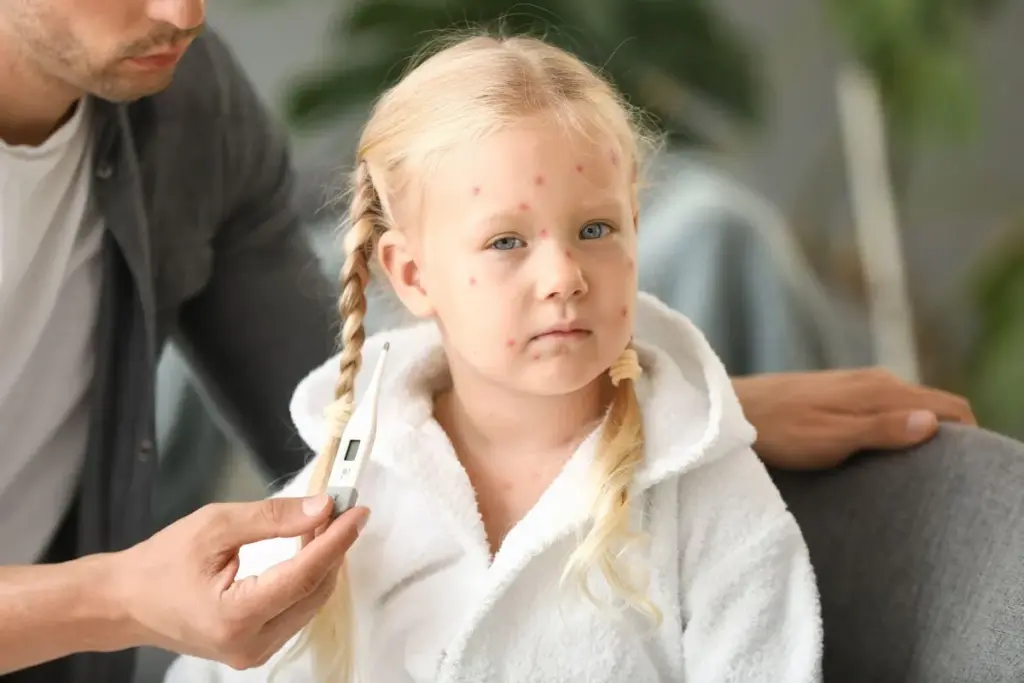
Chickenpox is caused by the varicella-zoster virus and usually hits kids. Many think they’re safe from it forever after catching it once. But, getting chickenpox twice is possible, even though it’s not common.
Most people stay immune to chickenpox for life after getting it. Yet, some things can make you more likely to catch it again. For example, if you got it young, it was mild, or your immune system is weak, you might get it again.
The Centers for Disease Control and Prevention (CDC) says getting chickenpox twice is rare. But, it can happen, even to people with strong immune systems. For more info, check out Verywell Health. We’ll dive deeper into these points and talk about how to stay healthy.
Key Takeaways
- Getting chickenpox twice is possible but rare.
- Lifelong immunity is typical after the first infection, but exceptions exist.
- Weakened immune systems or very mild initial infections can increase the risk of reinfection.
- The varicella-zoster virus remains dormant and can reactivate later in life as shingles.
- Testing can confirm chickenpox in mild or suspected second cases.
Understanding Chickenpox and Immunity

It’s important to know how chickenpox is caused and how our bodies fight it. Chickenpox is a common illness that spreads easily. It hits children and people with weak immune systems the hardest.
What Causes Chickenpox
Chickenpox comes from the varicella-zoster virus, part of the herpesvirus family. This virus is very contagious. It spreads through touching rash spots and in the air when someone coughs or sneezes.
A person with chickenpox can pass it to others from 1 to 2 days before the rash shows up until all blisters have dried.
“The varicella-zoster virus is a significant pathogen, not only causing chickenpox but also remaining dormant in the body and potentially reactivating later in life as shingles.”
The virus first causes chickenpox, with symptoms like an itchy rash, fever, and headache. It enters the body through the airways or eyes and then goes to the skin, causing the rash.
How the Body Develops Immunity
After getting chickenpox, our immune system makes antibodies against the virus. This fight is key to controlling the infection and usually leads to lifelong immunity. Our immune system remembers the virus, helping prevent future infections. But, in some cases, the virus can come back later, causing shingles.
Building immunity involves both quick and specific defenses. The quick defense is the innate response. The specific defense, from T cells and B cells, offers lasting protection against future infections.
| Immune Response | Description | Role in Chickenpox |
| Innate Immunity | Immediate, non-specific defense | Provides initial protection against the varicella-zoster virus |
| Adaptive Immunity | Specific, long-lasting defense | Offers long-term immunity and protection against future infections |
The Role of the Varicella-Zoster Virus
The varicella-zoster virus has a big role in chickenpox and shingles. First, it causes chickenpox. After that, it stays hidden in nerve cells. Later, it can wake up and cause shingles, a painful rash on one side of the body.
Knowing how the varicella-zoster virus works in chickenpox and shingles helps us understand these diseases better. It shows why having strong immunity is so important.
Can You Catch Chickenpox a Second Time?
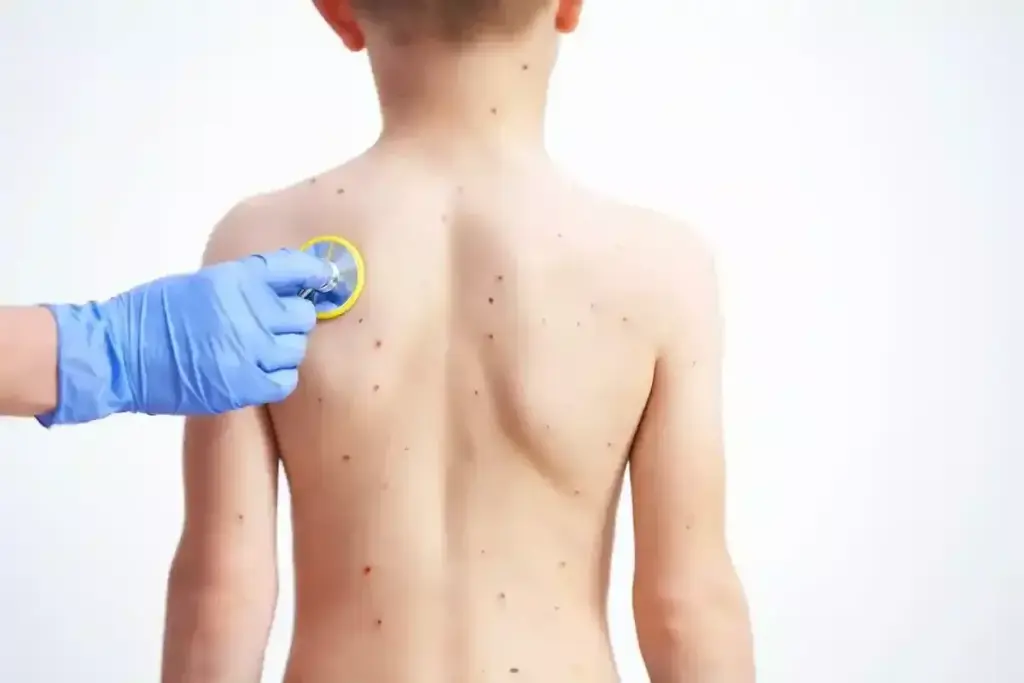
hickenpox is caused by the varicella-zoster virus. It’s usually a one-time infection. But, can you catch it again? The answer depends on how your body fights off the virus.
Rarity of True Reinfection
Getting chickenpox twice is rare. Most people stay immune for life after their first time. But, immunity isn’t always clear-cut. Research shows that while rare, some people can get chickenpox again, mainly those with weak immune systems.
Several factors make true reinfection rare:
- The virus usually triggers a strong immune response.
- Most people stay immune for life after their first infection.
- When exposed to the virus, people often have a strong antibody response.
Research on Chickenpox Recurrence
Studies suggest that chickenpox can come back more often than thought, mainly in some groups. For example, people with weakened immune systems might get it again more often. More research is needed to understand why and who is at risk.
Research highlights include:
- People with weak immune systems are more likely to get it again.
- The first time you get it might affect how likely you are to get it again.
- We need more study to fully grasp why it comes back.
Distinguishing Between Reinfection and Shingles
It’s important to tell the difference between getting chickenpox again and shingles. Shingles happens when the virus wakes up later in life. Knowing the difference is key for the right treatment.
The main differences are:
- Reinfection is a new infection after you’ve recovered, while shingles is the virus coming back.
- The symptoms and how it shows up can be very different.
- Knowing why it’s happening helps decide how to treat it.
Risk Factors for Chickenpox Reinfection
There are several factors that can increase the chance of getting chickenpox again. It’s important for those who have had it before to know these risks.
Weakened Immune Systems
People with weak immune systems are more likely to get chickenpox again. This includes those with immunodeficiency disorders, those on chemotherapy, or taking immunosuppressive drugs. A weak immune system can’t fight off the varicella-zoster virus well, so getting it again is more likely.
Age at First Infection
The age when you first get chickenpox can affect your risk of getting it again. Children who get it early may not fully develop immunity, making them more likely to get it again later.
Severity of Initial Infection
How severe your first case of chickenpox was also matters. If it was mild, you might not have built up enough immunity. This makes you more likely to get it again.
Symptoms of Second Chickenpox Infections
If you get chickenpox again, the symptoms might be similar to the first time. You might experience rash, fever, and fatigue. But, the severity can differ, and some people might have milder symptoms.
| Risk Factor | Description | Impact on Reinfection Risk |
| Weakened Immune Systems | Immunodeficiency disorders, chemotherapy, immunosuppressive medications | Increased risk due to reduced ability to fight off the virus |
| Age at First Infection | Contracting chickenpox at a very young age | May not develop full immunity, increasing reinfection risk |
| Severity of Initial Infection | Mild initial case of chickenpox | May not develop sufficient immunity, making reinfection more likely |
Conclusion
Knowing about chickenpox immunity is key to understanding reinfection risks. Chickenpox usually gives lifelong protection. But, some things can raise the chance of getting it again.
We talked about how a weak immune system, age at first infection, and how severe the first case was can affect reinfection risk. If you catch chickenpox, you usually gain immunity. But, in some cases, you might get it again.
Studies show true reinfection is rare. But it can happen. If you had chickenpox before, you’re unlikely to get it again. Yet, it’s not a certainty. Knowing the risks and factors can help you stay safe.
Being mindful of these risks and keeping your immune system strong can lower the chance of getting chickenpox more than once. If you’re worried about reinfection or have questions, talk to a doctor. They can give you advice tailored to your situation.
FAQ:
Can you get chickenpox twice?
Yes, getting chickenpox more than once is possible, though rare. Usually, having it once means you’re immune for life. But sometimes, the virus can come back or infect you again.
What is the difference between getting chickenpox again and shingles?
Getting chickenpox again means a new infection with the varicella-zoster virus. Shingles, on the other hand, is when the virus that was dormant in your body comes back. Both are caused by the same virus but are different in how they show up and feel.
Who is at risk of getting chickenpox twice?
People with weak immune systems, those who got chickenpox young, or had a mild first time are more likely to get it again. Also, those exposed to the virus again, like in healthcare settings, are at higher risk.
Are the symptoms of a second chickenpox infection different from the first?
The symptoms of a second chickenpox can be similar to the first, like a rash, fever, and tiredness. But, the second time, the symptoms might be milder.
Can adults get chickenpox twice?
Yes, adults can get chickenpox twice, just like kids. Adults who had it as kids might get it again if their immune system is weak or if they’re exposed to the virus again.
Is it possible to get chickenpox more than twice?
Getting chickenpox more than twice is very rare. Most people stay immune after having it once. If they get it again, it’s usually mild or they might not even notice.
Can you get chickenpox again if you’ve been vaccinated?
The varicella vaccine is very effective but not 100% effective. Some vaccinated people might get chickenpox, but it’s usually mild. Breakthrough infections are rare, and the vaccine protects against severe chickenpox for a long time.
References:
National Center for Biotechnology Information. Evidence-Based Medical Guidance. Retrieved from https://pmc.ncbi.nlm.nih.gov/articles/PMC4399247/[2