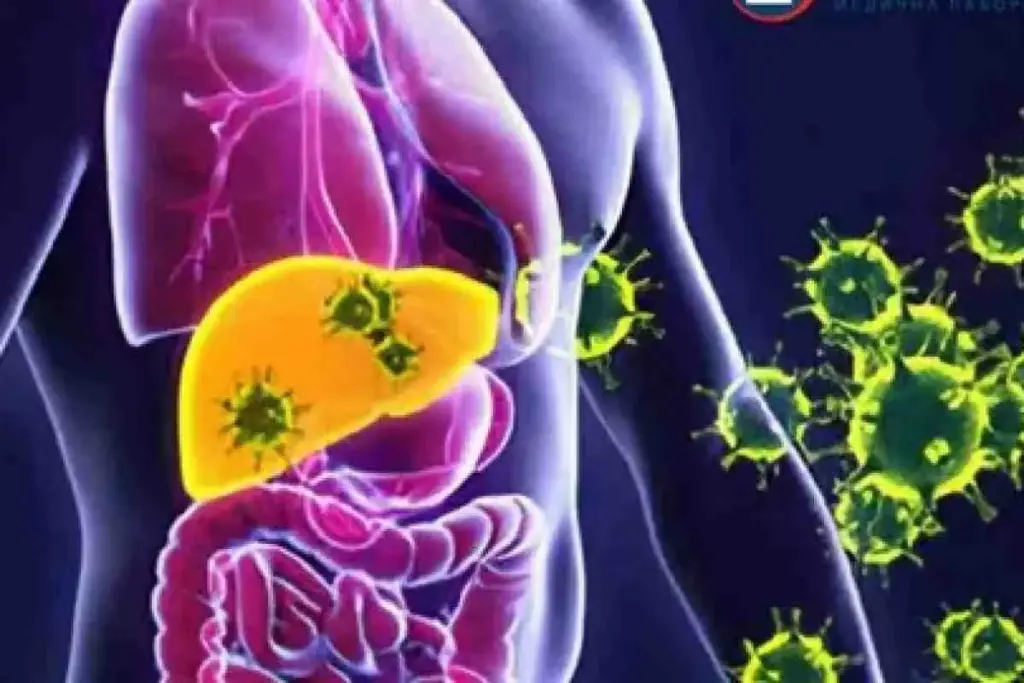
Hepatitis B is not spread through food or water. The CDC says it mainly spreads when infected blood, semen, or body fluids get into someone else’s body.
At Liv Hospital, we focus on teaching the right facts about Hepatitis B. This helps people know how to prevent it. Hepatitis B is not spread by casual contact, like sharing meals or utensils. Knowing how it spreads is key to staying safe.
Key Takeaways
- Hepatitis B is not transmitted through food or water.
- The virus is spread through blood, semen, and other body fluids.
- Casual contact, like sharing meals, does not spread Hepatitis B.
- Vaccination is the best prevention against Hepatitis B.
- Understanding transmission routes is key to prevention.
Understanding Hepatitis B and Its Impact
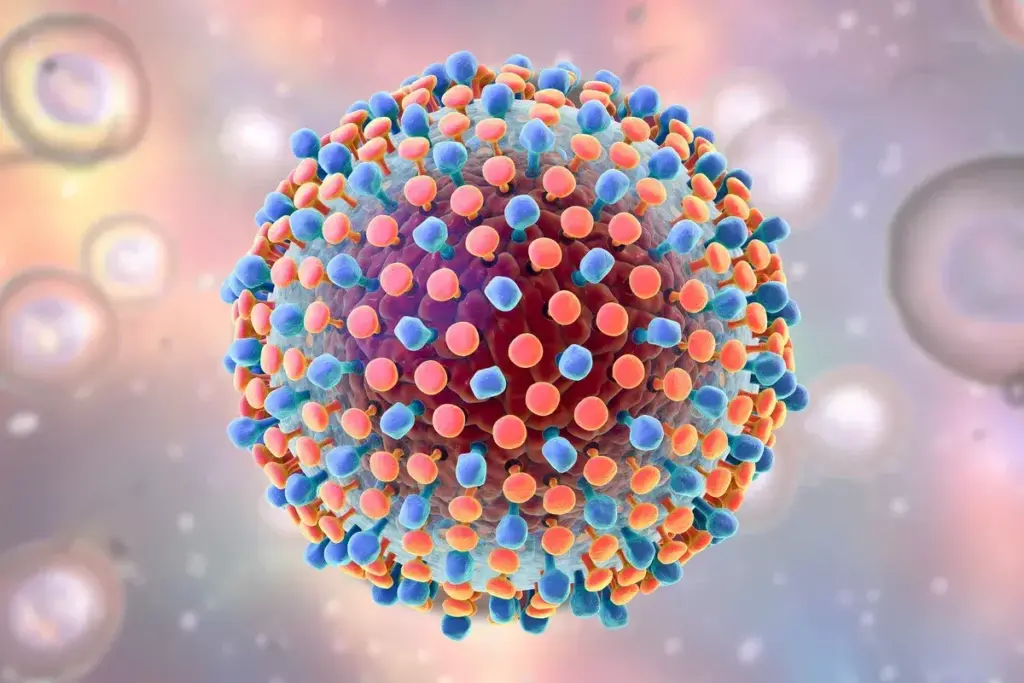
Hepatitis B is a viral infection that makes the liver inflamed. It’s a big health problem worldwide. 254 million people had chronic hepatitis B in 2022, says the World Health Organization (WHO).
What Is Hepatitis B Virus
Hepatitis B virus (HBV) causes liver disease. For more info, check out the CDC’s Hepatitis B page. It can cause both short-term and long-term infections. Short-term infections can be mild or severe, needing hospital care.
Key facts about Hepatitis B virus:
- It’s a viral infection that inflames the liver.
- Can cause both acute and chronic infection.
- Chronic infection can lead to severe liver damage over time.
How Hepatitis B Affects the Liver
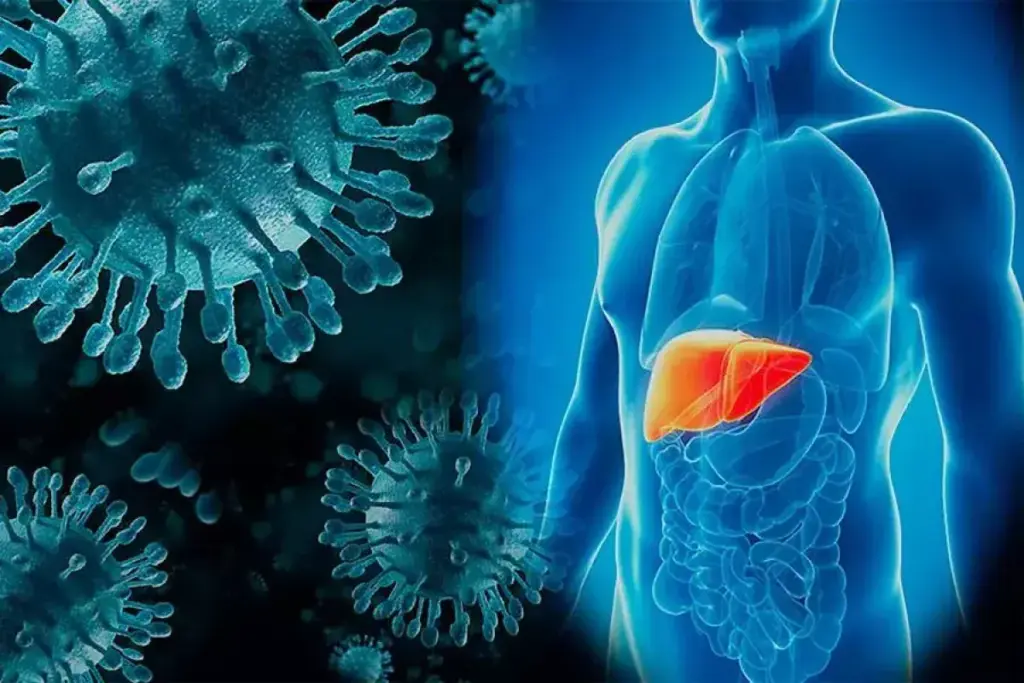
The liver is the main organ affected by hepatitis B. It helps with metabolism, detoxification, and making digestive chemicals. Hepatitis B can damage the liver a lot, leading to:
- Cirrhosis, where the liver gets scarred.
- Liver cancer, as chronic infection is a major risk factor.
- Liver failure, a life-threatening condition.
It’s important to understand how hepatitis B affects the liver. This helps us see why we need to prevent and treat it. We must protect ourselves and our loved ones from this dangerous virus.
Can You Get Hep B From Food? Debunking the Myth
Many people worry if food can spread Hepatitis B. We’re here to clear up this myth and give you the facts.
Hepatitis B cannot be transmitted through food, water, or contaminated eating utensils. This is key to know, as it eases a big worry for many. The CDC says, “Hepatitis B is not spread through sneezing, coughing, hugging, sharing cutlery or dishes, food, or water.” This statement directly addresses the question and provides reassurance.
Why Food Cannot Transmit Hepatitis B
The Hepatitis B virus mainly spreads through bodily fluids like blood, semen, and vaginal fluids. It can’t live long outside the body, making food transmission unlikely. Also, the digestive system breaks down the virus, making it hard for it to survive.
The CDC says the virus isn’t spread through casual contact, like sharing food or drinks. This is important to know, as it shows the low risk of getting it through everyday activities.
Common Misconceptions About Food and Hepatitis B
Despite the facts, some people think Hepatitis B can spread through food. They might think touching food handled by someone with Hepatitis B can pass it on. But science doesn’t back this up.
There’s no case of Hepatitis B spreading through food handling. The main risk is direct contact with infected bodily fluids, not food or water.
“Hepatitis B is not spread through… food, or water.”
CDC
By knowing the truth and clearing up myths, we can fight the stigma around Hepatitis B. This helps us all be more informed.
Actual Transmission Routes of Hepatitis B
Hepatitis B spreads mainly through certain ways. We’ll look at these in detail. The virus moves from an infected person to an uninfected one through blood, semen, and other fluids.
Blood and Bodily Fluid Exposure
The main way Hepatitis B spreads is through blood and bodily fluids. This can happen during sexual contact through semen or vaginal fluids. Sharing needles or syringes, common among drug users, also poses a risk due to direct blood contact.
Healthcare workers face risks too, mainly from occupational needle stick exposures. If a healthcare worker gets pricked with a used needle, there’s a chance of getting infected if they’re not vaccinated or if the needle is contaminated.
High-Risk Activities and Behaviors
Some activities raise the risk of getting Hepatitis B. These include:
- Unprotected sex with many partners
- Sharing personal items like razors or toothbrushes that may have come into contact with infected blood
- Tattooing or piercing with unsterilized equipment
- Injecting drugs with shared needles or equipment
The CDC says the Hepatitis B vaccine is key for those at risk. This includes people with many sexual partners, men who have sex with men, and injection drug users. The CDC Hepatitis B vaccine fact sheet has more on vaccination schedules and who should get vaccinated.
Mother-to-Child Transmission
Transmission from mother to child during birth is a big risk. If a mother has Hepatitis B, there’s a high chance she’ll pass it to her baby. This risk is even higher if the mother is also positive for the Hepatitis B e-antigen (HBeAg).
To stop this, all pregnant women are tested for Hepatitis B during prenatal care. Babies born to infected mothers get the Hepatitis B immune globulin (HBIG) and the first dose of Hepatitis B vaccine within 12 hours of birth. They then complete the vaccine series as recommended.
A medical expert says, “Preventing Hepatitis B transmission starts with knowing how it spreads. Vaccination and safe practices are key.”
“Vaccination is the best way to stop Hepatitis B infection. Making sure those at risk get vaccinated and newborns get the vaccine at birth are vital steps in controlling the virus.”
Conclusion: Protecting Yourself Against Hepatitis B
It’s important to know how Hepatitis B spreads and how to stop it. We’ve learned that it’s not caught from food. Instead, it comes from blood, certain activities, and from mother to child at birth.
The best way to avoid Hepatitis B is by getting vaccinated. The Centers for Disease Control and Prevention (CDC) says everyone should get the vaccine. This includes babies, kids, teens, and adults at risk. Vaccination greatly lowers your chance of getting sick.
To keep safe from Hepatitis B, we need to be aware and take action. Knowing how it spreads and using vaccines are key. We urge everyone to talk to their doctor about getting vaccinated and other ways to stay safe.
FAQ
Is Hepatitis B airborne?
No, Hepatitis B is not airborne. It spreads mainly through blood and bodily fluids.
Can you get Hepatitis B from food?
No, you can’t get Hepatitis B from food. It’s not spread through casual contact or contaminated food and water.
What organ is affected by Hepatitis B?
Hepatitis B mainly affects the liver. Long-term infection can cause liver damage, cirrhosis, and liver cancer.
Can Hepatitis B be spread through saliva?
Hepatitis B is not usually spread through saliva. It mainly spreads through blood and bodily fluid exposure, like through sexual contact or sharing needles.
Who should be vaccinated against Hepatitis B?
The CDC suggests Hepatitis B vaccination for all newborns, kids who missed it at birth, and adults at high risk. This includes healthcare workers and people with certain health conditions.
What are the common misconceptions about Hepatitis B transmission?
Many think Hepatitis B spreads through food, casual contact, or in the air. But it’s mainly spread through blood and bodily fluid exposure.
Are there any foods that people with Hepatitis B should avoid?
There are no foods that can give you Hepatitis B. But people with chronic Hepatitis B should eat healthy to help their liver. They should avoid too much alcohol and eat a balanced diet.