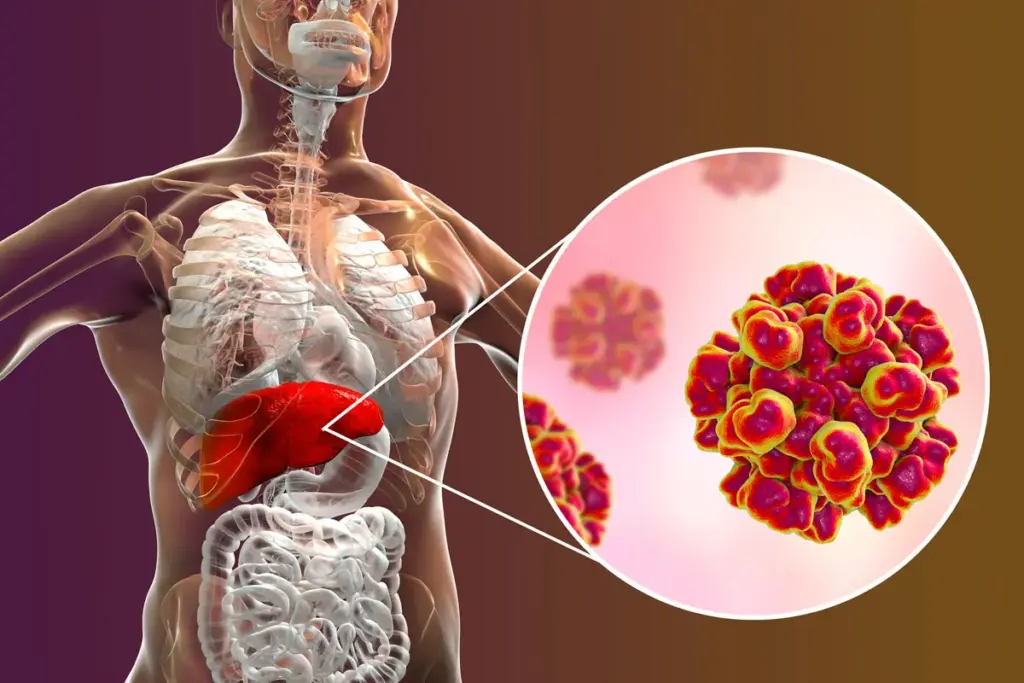
It’s important to know how hepatitis B spreads to keep everyone safe. Hepatitis B is a vaccine-preventable liver infection caused by the hepatitis B virus (HBV). It spreads when blood, semen, or other body fluids from an infected person get into someone else’s body, even in tiny amounts.
Many people wonder if you can get hepatitis B from urine. While HBV can be found in urine of infected people, getting it from urine is not a big worry. The Centers for Disease Control and Prevention say the main ways it spreads are through blood and semen.
Key Takeaways
- Hepatitis B is a vaccine-preventable liver infection.
- Transmission occurs through blood, semen, or other body fluids.
- Urine is not considered a primary route for hepatitis B transmission.
- Vaccination is the best way to prevent hepatitis B.
- The CDC recommends screening for hepatitis B for all adults at least once in their lifetime.
Understanding Hepatitis B and Its Transmission
To understand the risks of hepatitis B, we need to know what it is and how it spreads. Hepatitis B is a virus that attacks the liver. It can cause mild, short-term illnesses or serious, long-term infections.
What Is Hepatitis B?
Hepatitis B is caused by the hepatitis B virus (HBV). It attacks the liver, causing inflammation and damage. Chronic hepatitis B can lead to serious liver damage, like cirrhosis and liver cancer. The virus spreads through bodily fluids, like blood and semen.
Primary Transmission Routes
The main ways hepatitis B is spread include:
- Unprotected sex with an infected person
- Sharing needles or other equipment for injecting drugs
- Mother-to-child transmission during birth
- Exposure to infected blood through needlesticks or other sharp instruments
Knowing these ways helps us prevent the spread of the virus.
Hepatitis B Prevalence in the United States
In the United States, hepatitis B affects different groups differently. The CDC says about 640,000 adults have chronic hepatitis B. The highest rates are in non-Hispanic Asian and Pacific Islander populations. Awareness of these demographics helps in targeting prevention and treatment efforts.
Learning about hepatitis B helps us see why prevention is so important. It shows us the need for specific actions to fight the virus.
Can You Get Hepatitis from Urine? The Research Evidence
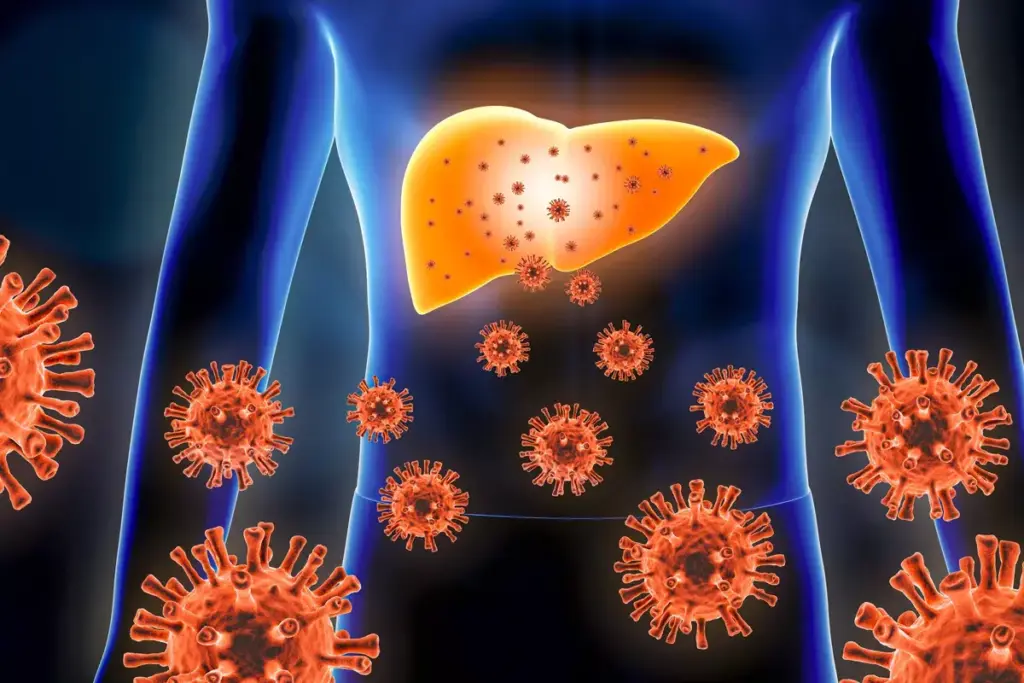
Hepatitis B virus (HBV) is complex, and one question is if urine can spread it. We must look at HBV in body fluids, like urine, and study scientific findings.
Presence of HBV in Different Body Fluids
HBV is found in infected people’s body fluids. It’s in blood, semen, and vaginal secretions, which are high-risk. But, its presence in urine, tears, and sweat is less clear.
Studies show HBV DNA in urine, but at much lower levels than in blood. This makes us wonder if urine can spread the virus.
HBV Concentration Levels in Urine
The amount of HBV in urine is key to understanding transmission risk. Research shows urine has much less HBV than blood or serum. For example, a study found HBV DNA in urine of about 50 percent of chronic carriers, but at lower levels than in serum.
Scientific Studies on Urine Transmission Risk
Many studies have looked into urine transmission risk. A study on medRxiv found urine transmission unlikely due to low viral load. It says HBV DNA in urine is not enough to pose a big risk.
In summary, the risk of getting hepatitis B from urine seems low. This is good news for those worried about getting it from urine.
Conclusion: Protecting Yourself from Hepatitis B
We’ve looked into the risk of getting hepatitis B from urine. It turns out, while HBV can be in urine, the chance of getting it is small. The main ways to get it are through blood and semen, usually during sex or by sharing needles.
The best way to avoid hepatitis B is by getting vaccinated. The CDC says all babies, kids, and teens under 19 who haven’t had the shot should get it. Adults between 19 and 59 should also get vaccinated. People over 60 at risk should get vaccinated too. Vaccination greatly lowers the risk of getting hepatitis B, even from urine or other fluids.
Knowing about hepatitis in urine is important for public health. Even though the risk is low, being aware and taking steps to prevent it is key. We urge everyone to protect their health by staying informed and following vaccination advice.
FAQ
Can hepatitis B be transmitted through urine?
The risk of getting hepatitis B from urine is very low. HBV can be in urine, but the amounts are tiny. There’s little evidence that urine is a big risk for spreading the virus.
Is hepatitis B present in all body fluids?
HBV is mostly found in blood and fluids like semen and vaginal secretions. It can also be in urine, but not in high amounts. This makes urine a less likely way to spread the virus.
How is hepatitis B mainly transmitted?
Hepatitis B spreads mainly through blood, like when sharing needles. It can also spread through certain body fluids during sex. And, it can pass from mother to child during birth.
Can you get hepatitis B from someone’s urine?
Getting hepatitis B from urine is very unlikely. For it to happen, a lot of infected blood or fluid would need to get into your body through a cut or mucous membrane.
What are the most effective ways to prevent hepatitis B infection?
The best way to avoid hepatitis B is by getting vaccinated. Also, use protection during sex, don’t share needles, and be careful with body fluids.
Is hepatitis B common in the United States?
Yes, chronic hepatitis B is common in the U.S., affecting some groups more than others. It’s important to know about it and take steps to prevent it.
Can hepatitis B be transmitted through casual contact?
No, hepatitis B is not spread by casual contact like hugging, kissing, or sharing food and drinks. It needs direct contact with infected fluids to spread.
How can I protect myself from hepatitis B?
The best protection is getting vaccinated against hepatitis B. Also, be aware of risks like during medical procedures or sex. Taking the right precautions can help keep you safe.
References:
. Prevention of spread of hepatitis C. Hepatology, 36(5 Suppl 1), S93–S98. https://doi.org/10.1053/jhep.2002.36389