
Even with the whooping cough vaccination, it’s possible to get the disease. This is because vaccine immunity gradually diminishes over time. This is worrying, given the recent spike in cases to their highest in over a decade.
Whooping cough vaccines are effective but not 100% reliable. If someone vaccinated gets the disease, their symptoms are usually less severe. We’re dedicated to top-notch preventive care and following the latest guidelines to keep our patients safe.
Key Takeaways
- Whooping cough vaccination doesn’t guarantee complete immunity.
- Breakthrough infections can occur due to diminishing vaccine immunity.
- Vaccinated individuals may have milder symptoms if they get the disease.
- It’s key for both patients and healthcare providers to understand vaccine effectiveness.
- Keeping up with the latest clinical guidelines is vital for preventive care.
Understanding Whooping Cough and Vaccination
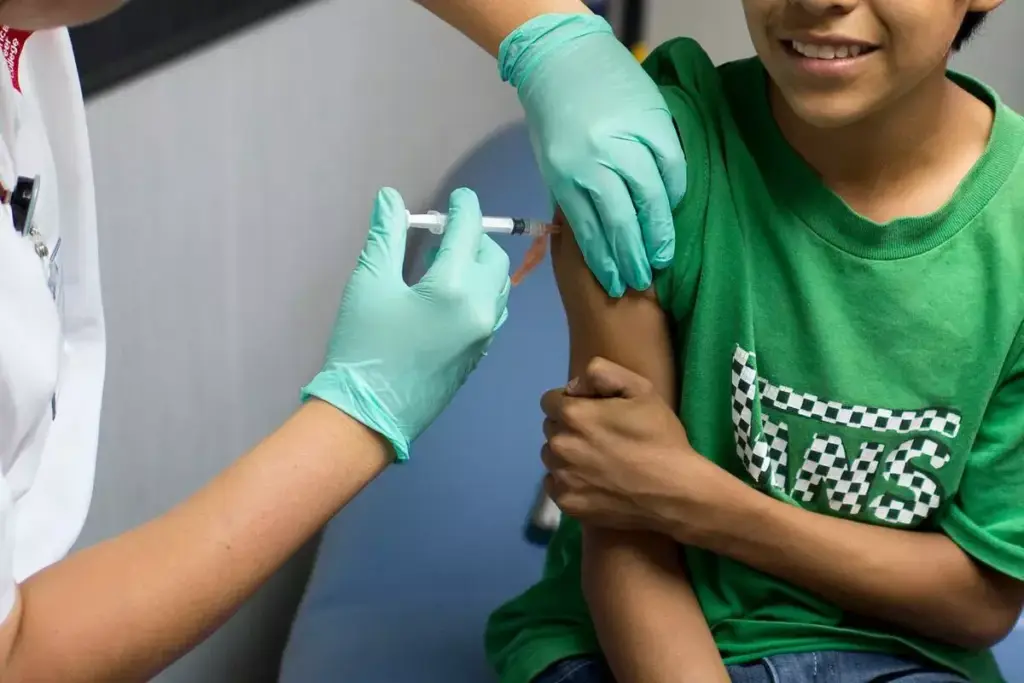
It’s important to know about whooping cough to see why vaccines are key in stopping it. We’ll look at what pertussis is and the vaccines that help fight it.
What is Whooping Cough (Pertussis)?
Whooping cough, or pertussis, is caused by Bordetella pertussis. It makes people cough a lot, often with a “whoop” sound when they try to breathe. It can hit anyone, but babies and young kids are most at risk. For more info, check out the American Medical Association’s resource on whooping cough.
Types of Pertussis Vaccines
There are many pertussis vaccines, often given with other shots. Kids under 7 get DTaP, and older kids and adults get Tdap. These shots help prevent pertussis, but they don’t last forever. That’s why booster shots are needed to keep the protection strong, mainly for those at high risk.
Knowing about whooping cough and its vaccines helps us see how important shots are in fighting this disease.
Can You Get Whooping Cough If You Are Vaccinated?
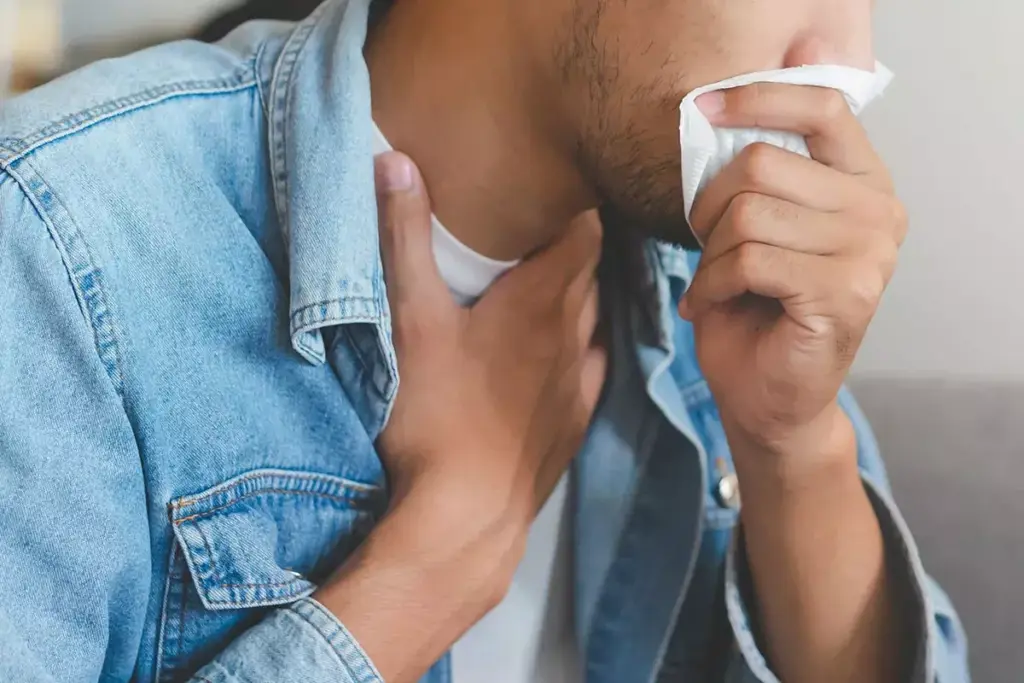
Even with a vaccine, people can get whooping cough. This is called a breakthrough infection. It’s important to know why this happens.
Breakthrough Infections Explained
Breakthrough infections occur when a vaccinated person gets the disease they were vaccinated against. For pertussis, or whooping cough, vaccination makes the illness less severe and shorter. But it doesn’t make you completely immune. The CDC says these infections can happen because the vaccine’s protection can wear off over time.
Vaccine Effectiveness Rates
The acellular pertussis vaccines, which are often used, are 71 to 85 percent effective. This means vaccinated people can sometimes get whooping cough. A study on ABC Health shows that how well a vaccine works can depend on the vaccine type and who gets it.
Waning Immunity Over Time
Another reason for breakthrough infections is immunity fading over time. Research shows that the protection from vaccines can drop by 2-10% each year. As time goes by, people become more likely to get infected. So, getting booster shots is key to staying protected, mainly in places with outbreaks.
In summary, while vaccines are very effective against whooping cough, they don’t always prevent it. It’s vital to understand breakthrough infections, vaccine effectiveness, and how immunity fades. This knowledge helps in fighting and managing pertussis outbreaks.
Symptoms and Complications in Vaccinated Individuals
Vaccination greatly lowers the chance of getting whooping cough. Yet, it’s key to know the symptoms and possible complications. Vaccinated people can get the disease, but usually, it’s milder.
Milder Presentation in Vaccinated People
Vaccinated people often have less severe symptoms. Common symptoms include:
- Milder coughing fits
- Shortness of breath
- Vomiting after coughing
These symptoms can be more severe at night. This makes it hard for people to get a good night’s sleep. Whooping cough can be worse at night, even for those who are vaccinated.
Potential Complications
Even with vaccination, complications can happen in up to 25% of cases. Some possible complications are:
- Pneumonia
- Ear infections
- In rare cases, encephalopathy (a brain condition)
Recognizing Whooping Cough Symptoms
It’s important to know the symptoms of whooping cough, even if you’re vaccinated. If you have severe coughing fits, vomiting, or trouble breathing, see a doctor. Early treatment can help a lot.
Understanding the symptoms and possible complications of whooping cough helps vaccinated people manage their condition. They can get the right care if they get the disease.
Conclusion: Maintaining Protection Through Booster Doses
Vaccination greatly lowers the chance of getting whooping cough. Yet, it’s possible to contract it even after being vaccinated. Booster shots are key in keeping immunity strong against pertussis.
The Centers for Disease Control and Prevention (CDC) suggest booster shots like Tdap. They are recommended for pre-teens, pregnant women, and adults. These shots are needed every 10 years or during pregnancy to keep immunity up.
By getting the right booster shots, we protect ourselves and those who are more at risk, like infants. This is very important for people who might be exposed to whooping cough. It helps stop the disease from spreading.
Knowing that you can get pertussis even with a vaccine is a reminder. We must stay careful and follow vaccination schedules. This includes getting booster shots to keep our community safe and prevent outbreaks.
FAQ:
Can you get whooping cough if you’ve been vaccinated?
Yes, it’s possible to get whooping cough even with a vaccine. Vaccines greatly lower the risk but don’t offer complete protection.
What is whooping cough, and how is it caused?
Whooping cough, or pertussis, is a contagious respiratory illness. It’s caused by the bacterium Bordetella pertussis. It spreads through respiratory droplets when someone coughs, sneezes, or talks.
How effective are pertussis vaccines in preventing whooping cough?
Pertussis vaccines are very effective, with a success rate of 71% to 85%. But, immunity can fade over time. Booster shots are needed to keep protection strong.
Can you get whooping cough if you’ve had a booster shot?
Booster shots greatly lower the risk of whooping cough. But, they don’t offer complete immunity. Breakthrough infections can happen, though they’re usually milder.
Are symptoms of whooping cough different in vaccinated individuals?
Yes, vaccinated people often have milder symptoms. This makes diagnosis harder. Common symptoms include a persistent cough, but the “whoop” sound may be less or absent.
Can vaccinated people develop complications from whooping cough?
Yes, up to 25% of vaccinated people who get whooping cough may face complications. These can include pneumonia or respiratory distress.
Why do breakthrough infections happen?
Breakthrough infections happen when vaccine immunity fades or the immune response is weak. The type of vaccine and how long it’s been used can affect this.
Is whooping cough worse at night?
Yes, whooping cough symptoms, like coughing, are often worse at night. This is because lying down can cause mucus to build up in the airways, leading to coughing fits.
How often are booster doses needed to maintain immunity against whooping cough?
Booster doses are usually needed every 10 years. The exact schedule can depend on age, occupation, and exposure risk.
References:
National Center for Biotechnology Information. Evidence-Based Medical Guidance. Retrieved from https://pubmed.ncbi.nlm.nih.gov/33934917/[3