
Celiac disease is a chronic autoimmune disorder. It affects about 1 in 133 Americans.
Many wonder, “Can celiac disease be outgrown?” The answer is no. It’s a lifelong condition that needs strict gluten-free dietary management.
It’s important to know the facts about celiac disease for effective management. This condition happens in people who are genetically predisposed. It makes the immune system react to gluten and damages the small intestine. People can get celiac disease at any age, not just the young.
Key Takeaways
- Celiac disease is a chronic autoimmune disorder.
- It requires lifelong management through a strict gluten-free diet.
- Approximately 1 in 133 Americans has celiac disease.
- Celiac disease can be developed at any age.
- Genetic predisposition plays a significant role in developing celiac disease.
Understanding Celiac Disease: A Chronic Autoimmune Condition
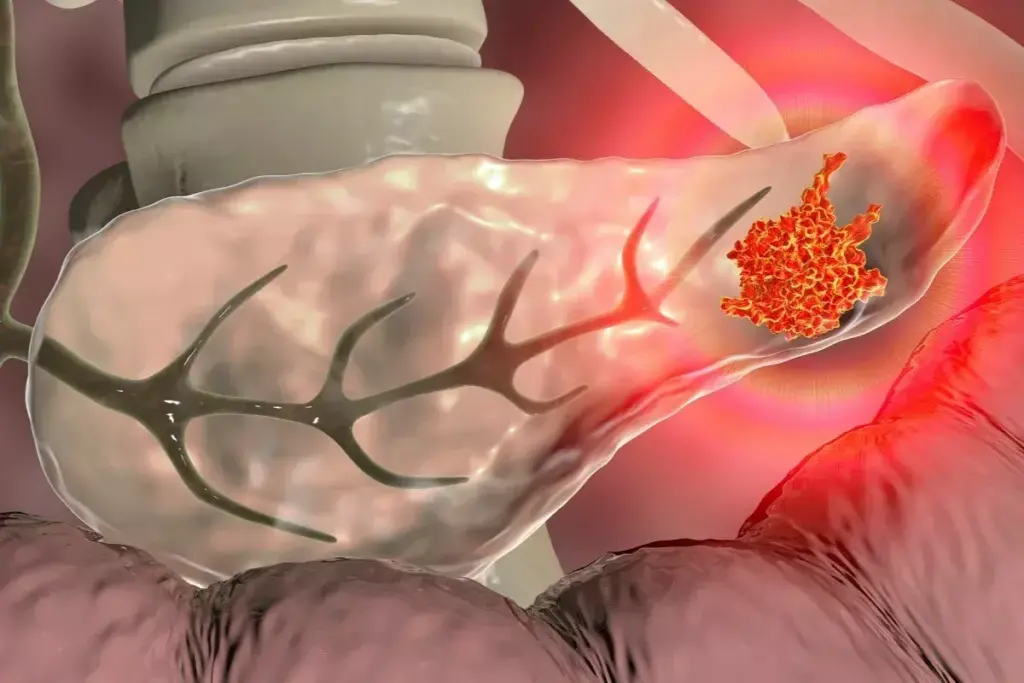
Celiac disease is more than a food issue. It’s a serious autoimmune condition that affects the small intestine. It happens when the body reacts to gluten.
What Happens in the Body with Celiac Disease
When people with celiac disease eat gluten, it sets off an immune response. This response damages the small intestine’s lining. It can cause malabsorption of nutrients, leading to health problems.
The immune reaction isn’t just in the intestine. It can affect the whole body. This can lead to serious complications if not treated right.
The damage to the small intestine is big. The villi, key for nutrient absorption, get flattened. This makes it hard for the body to absorb vitamins and minerals.
Prevalence and Statistics in the United States
Celiac disease affects about 1% of the world’s population. The same is true in the United States. It’s more common in people with other autoimmune diseases and those with a family history.
| Prevalence | Population Affected |
| 1 in 100 globally | General Population |
| 1 in 80 with family history | Individuals with Family History |
| Higher in individuals with other autoimmune diseases | Individuals with Other Autoimmune Diseases |
Celiac disease can start at any age after gluten is introduced. It’s usually diagnosed between ages 10 and 40. The numbers show why it’s key to be aware and get a proper diagnosis to manage it well.
Can You Grow Out of Coeliac Disease? The Simple Truth

Celiac disease is not like some food allergies. It’s a chronic condition that needs lifelong management. Many wonder if they can outgrow it, but it’s different from food allergies.
Celiac Disease vs. Food Allergies
Celiac disease is often mixed up with food allergies. But they are not the same. Food allergies are an immune reaction to certain foods. Celiac disease, on the other hand, is an autoimmune disorder caused by gluten.
Experts say knowing this difference is key for correct diagnosis and treatment.
Some people may outgrow food allergies, but not celiac disease. The immune system reacts to gluten, damaging the small intestine and affecting nutrient absorption. This reaction cannot be outgrown; it needs a strict management plan.
The Lifelong Nature of Celiac Disease
Celiac disease is not something you can outgrow. It’s a permanent sensitivity to gluten. This sensitivity is due to genetics, making it a lifelong condition.
Managing celiac disease means understanding it’s lifelong and sticking to a gluten-free diet. This helps alleviate symptoms and prevents complications.
Managing Celiac Through a Gluten-Free Diet
The main way to manage celiac disease is by following a strict gluten-free diet. This helps the intestines heal and improves nutrient absorption. It can greatly improve your quality of life and lower the risk of complications.
Following a gluten-free diet requires careful planning and attention to food choices. It’s not just about avoiding obvious gluten-containing foods. You also need to watch out for hidden gluten in processed foods. Education and support are essential for successful management.
Adopting a gluten-free lifestyle might seem hard, but with the right guidance, people with celiac disease can live healthy, active lives. The key is to stay informed and committed to managing the condition through dietary changes.
Onset and Complications of Celiac Disease
Celiac disease can affect anyone at any age. It starts after gluten is introduced into the diet. This makes it hard to diagnose and manage.
Age Factors in Celiac Diagnosis
People can get celiac disease at any age, but it’s most common between 10 and 40. Symptoms can vary a lot depending on age. Babies and young kids often have stomach problems like diarrhea.
Older kids and adults might feel tired, have joint pain, or get skin rashes. This shows how different celiac disease can be at different ages.
It’s important to diagnose celiac disease in a way that covers all ages.
Genetic and Environmental Triggers
Genetics play a big role in celiac disease. If your family has it, you’re more likely to get it. Genetic markers like HLA-DQ2 and HLA-DQ8 increase your risk. But, genetics aren’t the only thing. What you eat, like gluten, also matters.
Genetics and what you eat together can cause the immune system to attack the body. This is what happens in celiac disease.
Potential Complications of Untreated Celiac Disease
Not treating celiac disease can cause serious problems. These include malnutrition, osteoporosis, and a higher chance of some cancers. Malnutrition happens because the small intestine gets damaged. This makes it hard to absorb nutrients.
- Malnutrition
- Osteoporosis
- Increased risk of certain cancers
We stress how important it is to find out you have celiac disease early. Sticking to a gluten-free diet helps avoid these problems and manage the disease well.
Conclusion: Living with Celiac Disease
Living with celiac disease means always eating gluten-free and seeing doctors regularly. This helps manage symptoms and avoid serious problems. About 1 in 133 Americans have this disease, which is more common than many other chronic conditions.
Managing celiac disease well means knowing a lot about it. You can’t outgrow it, but a gluten-free diet can greatly improve your life. Getting help from doctors, dietitians, and support groups is key to living with celiac disease and sticking to the diet.
Celiac disease can be found at any age, and knowing the signs can help get the right treatment early. By staying informed and active, people with celiac disease can live healthy lives. They get the celiac disease support they need to manage their condition well.
FAQ
Can you develop celiac disease later in life?
Yes, celiac disease can start at any age. Even if you’ve tested negative before, it can appear later. Genetics, environmental factors, and changes in gut bacteria can trigger it.
Is it possible to grow out of celiac disease?
No, celiac disease is a lifelong condition. Once you’re diagnosed, you must stick to a gluten-free diet. This helps manage symptoms and prevents serious problems.
What happens if I accidentally consume gluten with celiac disease?
Eating gluten can harm your small intestine. This can lead to poor nutrient absorption and symptoms like stomach pain, diarrhea, and tiredness. The reaction’s severity depends on the gluten amount and your body’s response.
How common is celiac disease?
About 1 in 100 people worldwide have celiac disease. In the U.S., it’s estimated that 3 million people live with it. Many cases go undiagnosed.
Can children outgrow celiac disease?
No, children with celiac disease won’t outgrow it. Symptoms might lessen with age, but the disease remains a lifelong condition. A gluten-free diet is necessary for ongoing management.
What are the possible complications of untreated celiac disease?
Untreated celiac disease can cause malnutrition, anemia, and osteoporosis. It also raises the risk of certain cancers. Early diagnosis and a gluten-free diet can help avoid these complications.
Is there a cure for celiac disease?
There’s no cure for celiac disease yet. But a strict gluten-free diet can manage symptoms, heal the small intestine, and improve life quality.
Can you get celiac disease suddenly?
Yes, celiac disease can start suddenly, even in people who’ve eaten gluten before without issues. The exact causes are not fully known, but genetics and environment are thought to be involved.
References
https://my.clevelandclinic.org/health/diseases/14240-celiac-disease